Building a Credit Profile from Zero: A Guide for India’s First-Time Earners
Getting your first salary is an exciting milestone. It represents financial independence, the ability to achieve personal goals, and the…
Building a Credit Profile from Zero: A Guide for India’s First-Time Earners
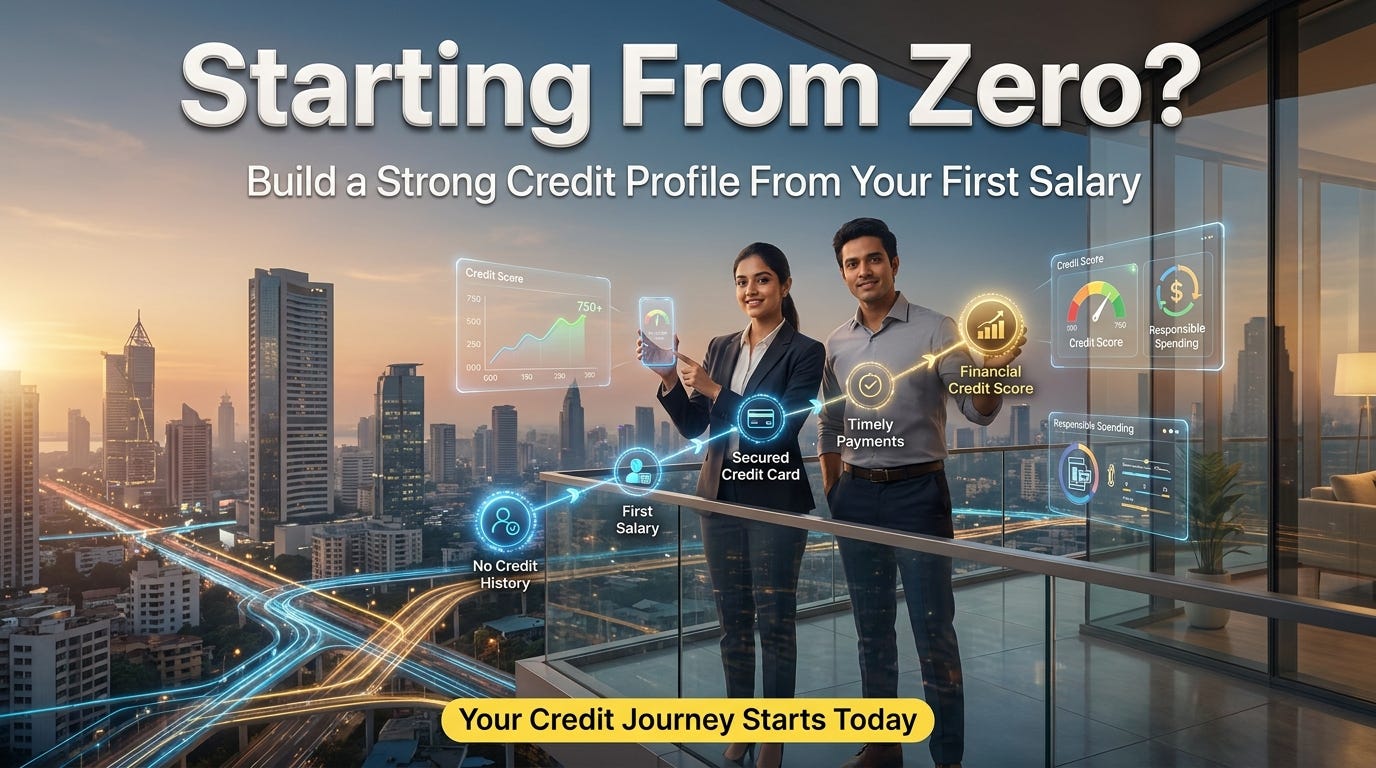
Building a Credit Profile from Zero: A Guide for India’s First-Time Earners
Getting your first salary is an exciting milestone. It represents financial independence, the ability to achieve personal goals, and the start of your wealth-building journey. However, many first-time earners in India overlook one of the most important aspects of financial health: building a strong credit profile.
Whether you plan to buy a car, purchase a home, apply for a personal loan, or even get a premium credit card in the future, your credit profile will play a critical role in determining your financial opportunities.
The challenge is that everyone starts with no credit history. Without a credit profile, lenders have little information to assess your financial reliability. The good news is that building a strong credit history from scratch is easier than many people think — if you start early and follow the right practices.
This guide explains everything India’s first-time earners need to know about creating a strong credit profile and improving their chances of future loan approval.
What Is a Credit Profile?
A credit profile is a record of your borrowing and repayment behavior. It helps banks, NBFCs, and financial institutions evaluate your ability to manage debt responsibly.
Your credit profile typically includes:
- Credit cards
- Personal loans
- Education loans
- Consumer durable loans
- Buy Now Pay Later (BNPL) accounts
- Repayment history
- Credit utilization ratio
- Outstanding debt
This information contributes to your credit score, including your CIBIL score, which lenders use to assess your creditworthiness.
Why First-Time Earners Need a Credit Profile
Many young professionals believe that avoiding loans and credit cards is the best financial strategy.
While avoiding unnecessary debt is wise, having no credit history can create challenges.
When you apply for:
- Home loans
- Personal loans
- Car loans
- Credit cards
lenders need evidence that you can manage borrowed money responsibly.
Without a credit profile, you become a “new-to-credit” customer, making approval decisions more difficult.
A strong credit profile can help you:
Faster Loan Approvals
Banks are more likely to approve borrowers with proven repayment records.
Better Interest Rates
Higher credit scores often qualify for lower interest rates.
Higher Credit Limits
Good credit behavior increases borrowing capacity.
Better Financial Opportunities
Many premium financial products require established credit histories.
Understanding CIBIL Score
The most widely used credit score in India is the score generated by the TransUnion CIBIL.
The CIBIL score ranges from:
- 300 to 900
Generally:
Score RangeCredit Health750+Excellent700–749Good650–699FairBelow 650Needs Improvement
Most lenders prefer applicants with scores above 750.
Step 1: Open a Salary Account
Your salary account creates the foundation of your financial identity.
Benefits include:
- Regular income records
- Transaction history
- Banking relationship
- Financial credibility
Choose a reputed bank and maintain healthy account activity.
Avoid frequent account switching during your initial working years.
Step 2: Apply for Your First Credit Card
One of the fastest ways to build a credit profile is through a credit card.
A credit card helps establish:
- Credit history
- Repayment behavior
- Credit utilization patterns
If you don’t qualify for a regular card initially, consider:
Secured Credit Cards
These cards are issued against a fixed deposit and are easier to obtain for first-time earners.
They can help build your credit score just like regular credit cards.
Step 3: Never Miss a Payment
Payment history is one of the most important factors affecting your credit score.
Always:
- Pay credit card bills on time
- Pay EMIs before due dates
- Set automatic payment reminders
- Enable auto-debit when possible
Even one missed payment can negatively affect your credit profile.
Consistency matters more than borrowing large amounts.
Step 4: Maintain Low Credit Utilization
Credit utilization refers to the percentage of your available credit limit that you use.
For example:
If your credit card limit is ₹50,000 and you spend ₹20,000:
Credit Utilization = 40%
Experts generally recommend keeping utilization below 30%.
Lower utilization signals responsible financial behavior.
High utilization may indicate financial stress and can lower your credit score.
Step 5: Avoid Applying for Multiple Credit Products
Many first-time earners apply for:
- Multiple credit cards
- Instant loans
- Buy Now Pay Later accounts
within a short period.
Every application generates a hard inquiry on your credit report.
Too many inquiries may signal higher borrowing risk to lenders.
Instead:
- Apply selectively
- Borrow only when necessary
- Build history gradually
Step 6: Consider Small Credit Products
You don’t need a large personal loan to build credit.
Small products can help establish repayment history:
Consumer Durable Loans
Used for:
- Smartphones
- Laptops
- Home appliances
Buy Now Pay Later Services
When used responsibly, some BNPL services contribute to credit records.
Small Personal Loans
Borrow only if necessary and repay on time.
The objective is to demonstrate responsible borrowing behavior.
Step 7: Monitor Your Credit Report Regularly
Many people discover errors on their credit reports only after loan rejection.
Common issues include:
- Incorrect personal information
- Closed accounts showing active
- Incorrect payment records
- Fraudulent transactions
Review your credit report regularly and dispute inaccuracies immediately.
Common Mistakes First-Time Earners Should Avoid
Missing Due Dates
Late payments can significantly impact your score.
Maxing Out Credit Cards
Using your full credit limit regularly can hurt your profile.
Taking Unnecessary Loans
Borrow only when needed.
Ignoring Credit Reports
Monitoring helps identify issues early.
Closing Old Credit Accounts Too Quickly
Longer credit history generally benefits your credit score.
How Long Does It Take to Build a Good Credit Score?
Building a healthy credit profile is a gradual process.
Most first-time earners can begin generating a meaningful credit score within:
- 6 to 12 months
Strong credit profiles typically develop over:
- 12 to 24 months
The key is maintaining consistent financial discipline.
How a Strong Credit Profile Helps in Future Loan Approval
A strong credit profile can improve your chances of obtaining:
Home Loans
Banks often offer better interest rates to borrowers with strong credit scores.
Personal Loans
Higher approval chances and larger loan amounts.
Car Loans
More favorable financing terms.
Business Loans
Helpful for entrepreneurs and self-employed professionals.
Premium Credit Cards
Access to rewards, travel benefits, and higher limits.
Financial Habits That Build Wealth Alongside Credit
Building credit should be part of a broader financial strategy.
Consider:
- Maintaining an emergency fund
- Investing regularly
- Avoiding unnecessary debt
- Tracking monthly expenses
- Increasing savings rates
A strong credit profile and healthy financial habits work together to create long-term financial stability.
The Future of Credit in India
India’s financial ecosystem is rapidly evolving.
With digital payments, UPI transactions, fintech lending platforms, and alternative credit assessment models becoming more common, first-time earners now have more opportunities than ever to establish financial credibility.
However, traditional credit behavior still plays a major role in determining loan approval decisions.
Starting early gives young professionals a significant advantage.
Conclusion
Building a credit profile from zero is one of the smartest financial decisions a first-time earner can make. A strong credit history not only improves your CIBIL score but also opens the door to better loan approvals, lower interest rates, higher credit limits, and greater financial flexibility.
The process doesn’t require large loans or complex financial products. By opening a salary account, using a credit card responsibly, maintaining low credit utilization, paying bills on time, and monitoring your credit report regularly, you can create a solid financial foundation for the future.
Remember, credit is not built overnight. Consistent financial discipline today can unlock significant opportunities tomorrow. The sooner you start building your credit profile, the stronger your financial future will be.
메타데이터
- post_id
- 08127eefbab9
- slug
- building-a-credit-profile-from-zero-a-guide-for-indias-first-time-earners-08127eefbab9
- url
- https://medium.com/@quikkred/building-a-credit-profile-from-zero-a-guide-for-indias-first-time-earners-08127eefbab9
- canonical_url
- https://medium.com/@quikkred/building-a-credit-profile-from-zero-a-guide-for-indias-first-time-earners-08127eefbab9
- author_url
- https://medium.com/@quikkred
- status
- ok
- fetched_at
- 2026-07-13 06:23:13




