I Asked 100 People Why They Left Spain. The Reasons Weren’t What I Expected.
Six months of interviews with people who got the dream and handed it back.
I Asked 100 People Why They Left Spain. The Reasons Weren’t What I Expected.
Six months of interviews with people who got the dream and handed it back.
Everyone films the arrival. Nobody films the leaving.
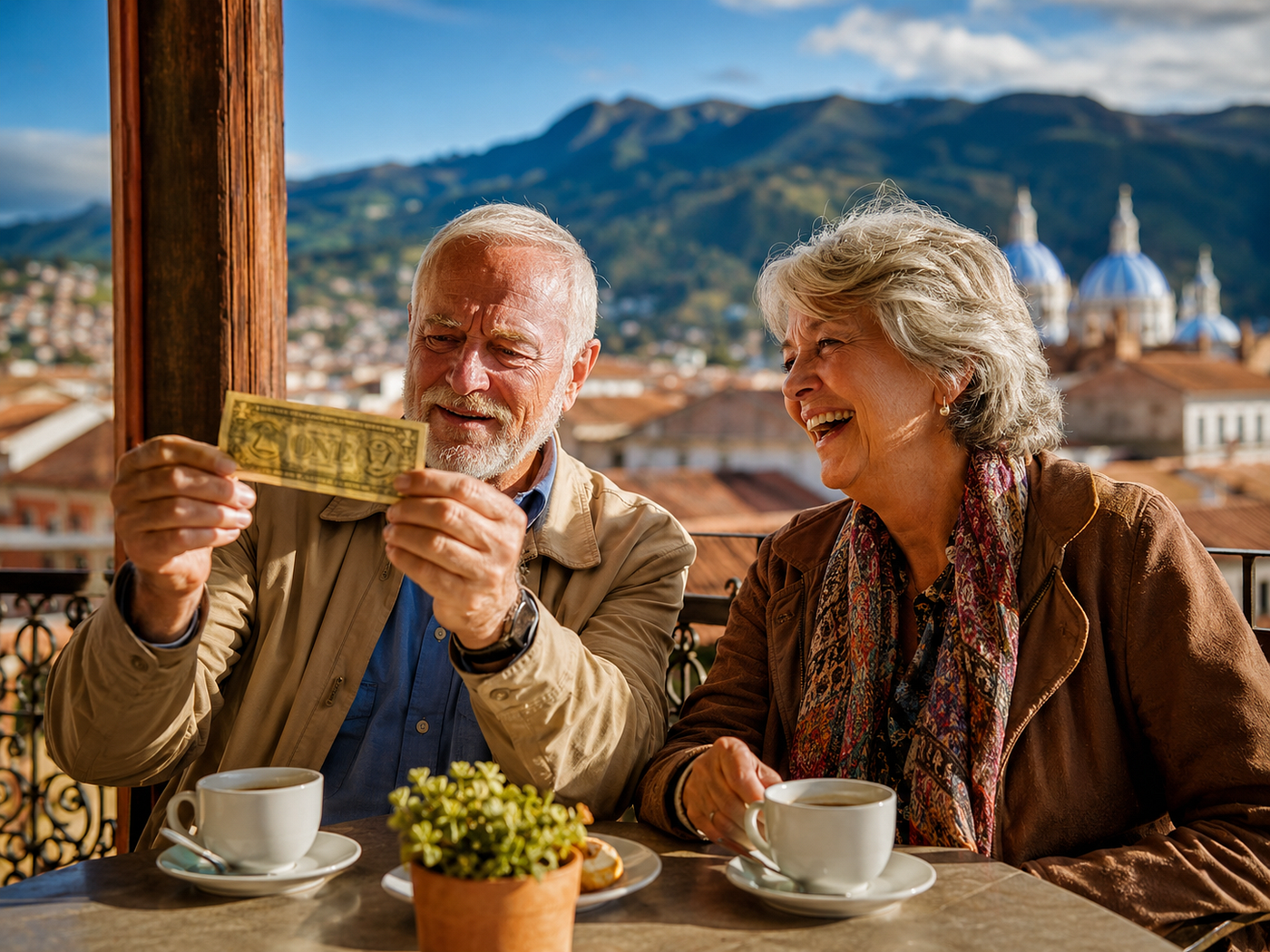
The first market haul, the balcony, the caption about a slower life — that part gets documented to death. Almost no one goes back two or three years later, finds the people who quietly packed it into boxes, and asks them what actually happened.
So I did.
Over six months I sat with a hundred people who had left Spain. Some on video calls, some in cafés, a few at their own kitchen tables a week before the movers came. I asked one thing and then shut up: why are you walking away from the thing everyone else is dreaming about?
I sorted each person by the one reason that pushed them out, not every reason that played a part, because most of them had several. That’s why the numbers below add to a hundred and the lives behind them don’t add to anything that clean.
Here is what a hundred departures look like.
The 31 who ran out of money
The biggest group left for the most boring reason there is. They ran out of money. And almost none of them overspent.
Here is the part the brochures skip. You don’t go broke on rent in Spain. Rent is the cheap part. You go broke on the rebuild — the deposit, the beds, the fridge, the washing machine, the car, the hundred things you already owned once and now buy a second time, in a currency you’re still doing mental math in.
One man showed me the quote to put air conditioning into a rented flat in an old building near the coast. It came to more than three months of his rent. He paid it anyway. Spain in August does not negotiate.
People arrived with what looked like a comfortable cushion and watched four months of setup eat a year of savings.
Then the real problem arrives, the one nobody plans for: earning. When you’re new, your odds of making money locally are close to zero. The language isn’t there. The network isn’t there. Half of them were on visas that didn’t even permit local work. So money only moves one direction, outward, and when something wobbles back home — a lost client, a dead contract, a bad quarter — the savings that were meant to last three years start counting down in months.
“I just stopped sleeping.” I heard that exact sentence more than any other in six months of talking to people.
And under all of it sits something structural that the dream never mentions. Spanish coastal salaries are low, and the coast is exactly where foreigners want to live, because that’s where the other foreigners are, and the airport, and the doctor who speaks English. The cheap interior has none of that. So people cluster on the expensive strip, earn coastal wages or nothing at all, and spend like they never left a big economy. That math was always going to lose.
Spain is cheap to live in and brutal to rebuild in. The people in this group didn’t fail at budgeting. They just never knew what the rebuild really cost until they were inside it.
The 22 who never actually arrived
This is the group I have the least patience for, and they almost never saw themselves clearly.
Twenty-two of the hundred moved their bodies to Spain and left everything else at home. They lived inside the bubble — the foreigner WhatsApp groups, the bars where everyone speaks English, the other expats who shared their references and their complaints. From inside it, they watched the locals like tourists at a zoo. They eat dinner at ten, how strange. They shut everything for three hours in the afternoon, how inefficient. We do it the proper way back home.
They spent years mildly offended by the country they chose.
And they missed the only thing that was ever going to make it work: if you want to enjoy a place, you have to join it. You have to let it change you a little. Hold a country at arm’s length, measuring it against home every single day, and you’re not living abroad at all. You’re on a very long, very disappointing holiday. And holidays end. People go home.
The 19 who couldn’t stand being foreigners forever
These nineteen were the hardest to sit with, because they did everything right and left anyway.
They learned the language. They made local friends. They threw themselves at the life completely — and then hit a wall that effort can’t move.
The wall is this. A foreign country stays foreign. You can live somewhere twenty years, speak it without an accent, love it without reservation, and still carry the quiet permanent status of the outsider. It arrives gradually. One day you understand that you will probably never be fully one of them, that in most places it isn’t you but your children, or your children’s children, who finally get to be simply local. Belonging here is measured in generations, and you are generation one.
For some people that’s fine. For these nineteen it was unbearable.
They came from places with deep roots and loud national pride, the kind of belonging you get by blood and birthplace, the kind you never think about because you’ve never had to. And that pride could not make peace with being a guest on someone else’s soil, however comfortable the guest room was. If anything the comfort made it worse. They had everything except the one thing they’d never had to earn: the plain feeling of being from somewhere.
You can buy a house in another country. You cannot buy being from there, and you cannot hurry the generations it takes to grow it.
The 14 who left for the children
Fourteen left for their kids, and these were the conversations that stayed with me longest, because not one of them has a clean answer.
Small children adapt. They thrive, often faster than the parents. Teenagers are a different species entirely. A fifteen-year-old has a whole life already — a language, a friend group, an identity — and a move detonates all of it at once. Parents who set out to give their child the world sometimes sit and watch that child fold inward into a stranger instead.
One story I can’t put down.
A mother brought her children to Spain, and in doing so took them away from their father, who was supposed to have them every other weekend. The kids never forgave it. The arguments never stopped. Eventually she gave up and took them home — and home didn’t fix it. The closeness they’d lost stayed lost. The children blame her now for the years they didn’t get back, and she carries that every day.
Maybe, she told me, she never had the right to put that distance between them and their father in the first place. Maybe she should have waited until they were grown and chased her own life then. But she did it because she was certain it would be better for them.
That’s the thing about every parent in this group. None of them were careless. They made an enormous bet with their children’s lives, out of love. And love, it turns out, is not the same thing as being right.
The 14 who fit no pattern at all
Then there were the ones whose leaving had nothing to do with money, belonging, or kids. Their lives just turned a corner.
One woman had moved for a relationship and built nothing of her own around it. No separate friends, no independent footing, no life with her own name on it. When the relationship ended she looked around and realized she had no reason left to be there. She hadn’t built a life in Spain. She’d borrowed one, and it walked out the door when he did.
Another left after a death back home. The sudden kind that rearranges everything. Afterward the sunlit life abroad started to feel almost offensive to keep living, a thousand miles from the people who were grieving the same person. She packed up within the month.
A third left because the timing of her whole life conspired against staying. A job offer landed at exactly the wrong moment. A family situation opened and shut a door in the same week. Looking back she described it less as a decision and more as a current that picked her up and put her down somewhere else.
Not every departure is a choice someone makes. Some are just what’s left over after life makes the choice for you.
What a hundred departures actually taught me
Here’s what surprised me most, and it’s the opposite of what I expected to find.
Almost none of these hundred people left because they stopped loving Spain. They talked about it the way you talk about someone you cared for deeply and still couldn’t build a life with. They left because of a collision — between what Spain offered and what they actually needed at that moment: to earn, to belong, to keep their kids whole, to be near the people who matter when it counts.
And one detail turned up in interview after interview that I still think about.
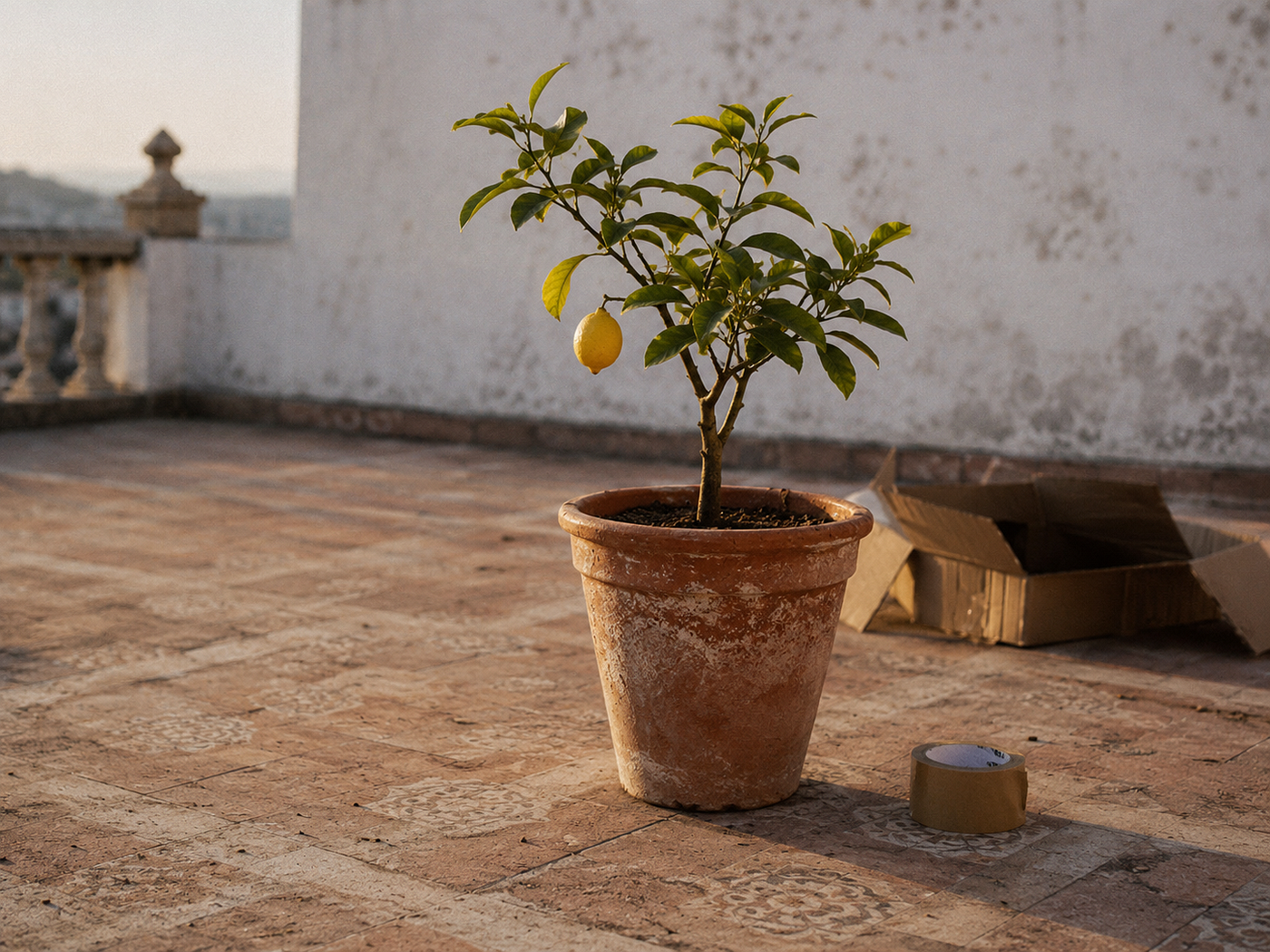
A lot of them weren’t sure they’d been right. They’d gotten the other life back, the faster richer more familiar one, and they quietly missed the slower version of themselves they’d left on a terrace somewhere. One woman told me the only thing she cried over on her last morning was a lemon tree she’d planted that wasn’t going to fruit for another two years. She left it for a tenant she’d never meet. Sure of her reasons, unsure of her choice, both at the same time.
Which is the thing all hundred had in common in the end.
Leaving Spain is almost never the mistake. The mistake is forgetting what you came for, and only seeing it clearly a year or two later, from the wrong side of an ocean, once it’s already too late to plant the tree again.
메타데이터
- post_id
- 0f4816af4446
- slug
- i-asked-100-people-why-they-left-spain-the-reasons-werent-what-i-expected-0f4816af4446
- url
- https://medium.com/the-borderless/i-asked-100-people-why-they-left-spain-the-reasons-werent-what-i-expected-0f4816af4446
- canonical_url
- https://medium.com/the-borderless/i-asked-100-people-why-they-left-spain-the-reasons-werent-what-i-expected-0f4816af4446
- author_url
- https://medium.com/@AlexCarter_73
- status
- ok
- fetched_at
- 2026-06-20 20:29:01