How Logistics Improves Client Service in Emergency Response
In emergency response operations, speed and coordination decide everything. When crews are deployed to restore power, repair…
How Logistics Improves Client Service in Emergency Response
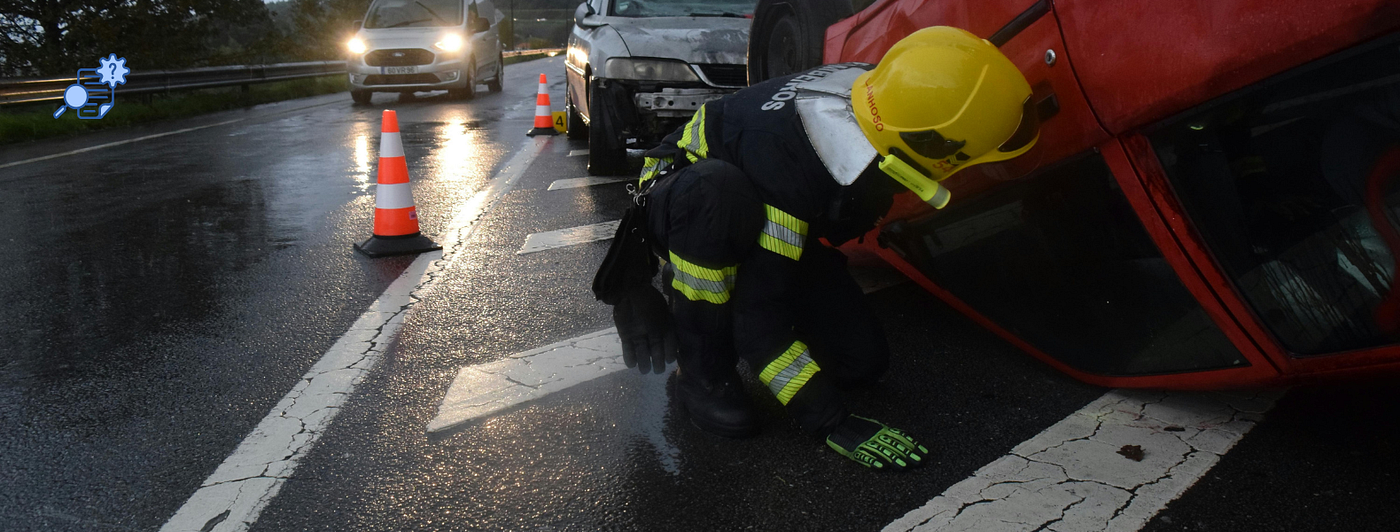
In emergency response operations, speed and coordination decide everything. When crews are deployed to restore power, repair infrastructure, or handle disaster recovery, even small delays can disrupt the entire mission. This is where modern logistics systems play a key role in improving client service by making operations faster, more organized, and easier to manage.
At its core, emergency logistics is about ensuring crews are in the right place at the right time with everything they need to perform their work without interruption. When handled well, it directly improves how efficiently service providers can respond to clients in critical situations.

Faster Crew Deployment Without Manual Delays
Traditional crew management often depends on spreadsheets, phone calls, and last-minute coordination. This slows everything down, especially when large teams need to be placed across multiple locations at once.
Modern **hotel logistics services** and logistics platforms remove this friction by automating key steps like hotel assignment and crew placement. Instead of manually searching for rooms or coordinating availability, systems can instantly match crews with suitable accommodations based on location, crew size, and availability.
This speed matters because in emergency response, every hour saved improves client outcomes and reduces downtime in the field.
Real Time Visibility for Better Decision Making
One of the biggest challenges in emergency operations is not knowing exactly where teams are or what stage the deployment is in. Without clear visibility, managers often rely on constant updates and manual check-ins.
A real-time logistics dashboard solves this problem by centralizing all operational data in one place. It provides live updates on crew status, hotel check-ins, and movement across locations.
This visibility helps teams respond quickly when changes happen. If a crew is delayed or relocated, adjustments can be made immediately without disrupting the entire operation. That level of control improves reliability and strengthens client service.
Centralized Management of Hotels and Resources
Managing accommodations for large crews during emergencies is complex. Teams are often spread across multiple regions, and hotel availability changes quickly during peak demand periods.
A centralized hotel database simplifies this process by giving access to a wide network of pre-vetted lodging options. Instead of relying on scattered contacts or inconsistent availability, logistics teams can quickly secure accommodations that meet operational needs.
This structured approach reduces confusion, prevents overbooking issues, and ensures crews always have a place to stay when they arrive on site.
Automated Communication That Reduces Confusion
Clear communication is essential during emergency deployments. When crews are moving quickly between locations, missing or delayed instructions can cause unnecessary setbacks.
Automated notification systems help solve this by sending instant SMS and email updates directly to field teams. These messages include hotel assignments, directions, and check-in details, ensuring everyone receives the same information at the same time.
This reduces dependency on manual communication and helps crews stay focused on their work instead of logistics coordination.
Simplified Food and Lodging Coordination
Beyond hotel bookings, emergency logistics also involves managing meals, special requests, and ongoing accommodations for teams working long shifts.
Centralized systems allow all of these needs to be handled in one place. Instead of juggling multiple vendors or tracking requests separately, everything is managed through a single platform.
This level of organization ensures crews are supported properly throughout their deployment, which directly improves performance and overall service delivery to clients.
Reduced Errors Through Automation
Manual logistics processes are prone to errors, especially under pressure. A small mistake in booking, location assignment, or communication can lead to delays and confusion in the field.
Automation reduces these risks by standardizing workflows. From hotel assignment to crew notifications, each step follows a structured process that minimizes human error.
This consistency ensures operations run smoothly even during large-scale emergency events.
Stronger Post-Deployment Management
Client service does not end when the job is done. After crews return from deployment, there is still a need for reconciliation, documentation, and reporting.
Modern logistics systems simplify this by organizing hotel folios, tracking stays, and streamlining post-deployment records. This reduces administrative workload and ensures billing and reporting are handled accurately.
When back-end processes are efficient, organizations can focus more on future deployments instead of fixing past issues.
Conclusion
Logistics plays a direct role in shaping client service during emergency response operations. When crew deployment, accommodation, and communication are handled through structured systems, everything becomes faster and more reliable.
Automation, real-time visibility, and centralized coordination reduce delays and errors while improving overall efficiency. In high-pressure environments where timing is critical, these improvements make a measurable difference in how effectively teams can serve clients during emergencies.
메타데이터
- post_id
- 17b7ac415eba
- slug
- how-logistics-improves-client-service-in-emergency-response-17b7ac415eba
- url
- https://medium.com/@travelswiftresponse/how-logistics-improves-client-service-in-emergency-response-17b7ac415eba
- canonical_url
- https://medium.com/@travelswiftresponse/how-logistics-improves-client-service-in-emergency-response-17b7ac415eba
- author_url
- https://medium.com/@travelswiftresponse
- status
- ok
- fetched_at
- 2026-06-09 15:37:30