The Unsaid Thing a Poem Circles but Never Names
One of the most powerful qualities of poetry is its ability to suggest rather than explain. Unlike essays or stories, poems do not always…
The Unsaid Thing a Poem Circles but Never Names

One of the most powerful qualities of poetry is its ability to suggest rather than explain. Unlike essays or stories, poems do not always reveal everything directly. Instead, they often circle around an emotion, memory, or truth without ever naming it. This technique invites readers to discover meaning for themselves, making the poem more engaging and emotionally memorable.
Many poets choose not to identify the central subject of a poem because mystery creates curiosity. Rather than saying exactly what happened, they describe its effects. A poem may never mention grief, but it may describe an untouched dinner plate, an empty room, or a phone that no longer rings. Readers understand the emotion without the poet stating it directly.

This indirect approach creates emotional depth. When everything is explained, readers simply receive information. When something important remains unsaid, readers become active participants, connecting the poem to their own experiences. Each person may interpret the poem differently, giving it multiple layers of meaning.
Imagery is one of the most effective tools for expressing the unnamed. Instead of writing, “I was lonely,” a poet might describe a single light glowing in an empty house or footsteps echoing through a quiet hallway. These images allow emotions to appear naturally rather than through direct explanation.
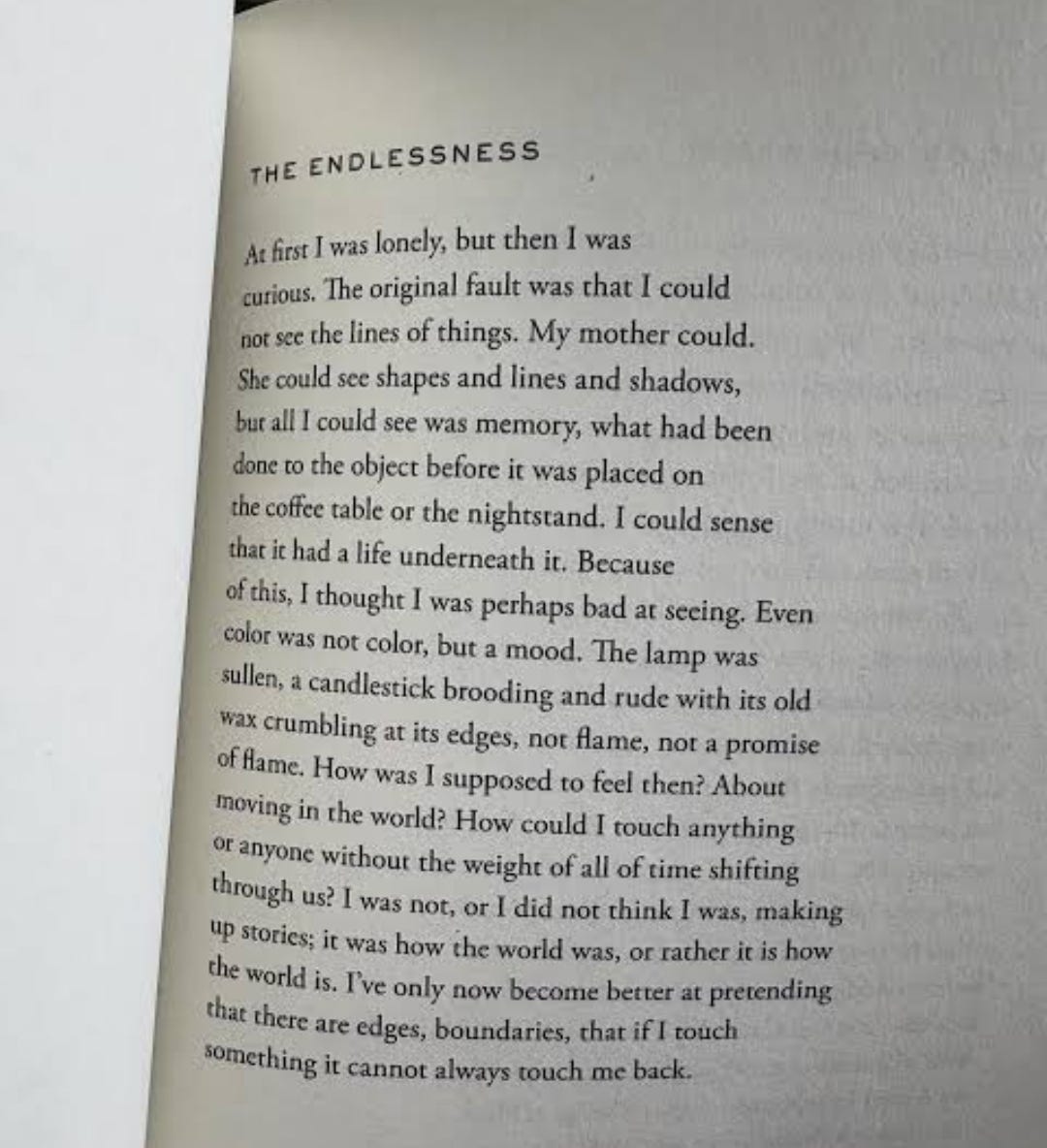
Repetition also helps a poem circle around its hidden subject. A repeated object, place, or memory can quietly point toward the central idea. For example, a poem that repeatedly mentions a closed window may gradually reveal feelings of distance, separation, or missed opportunities without ever using those exact words.
Silence plays an equally important role. Pauses, line breaks, and unfinished thoughts create space where meaning can grow. Sometimes the strongest moment in a poem is not a sentence but the silence that follows it. Readers pause, reflect, and complete the emotion in their own minds.
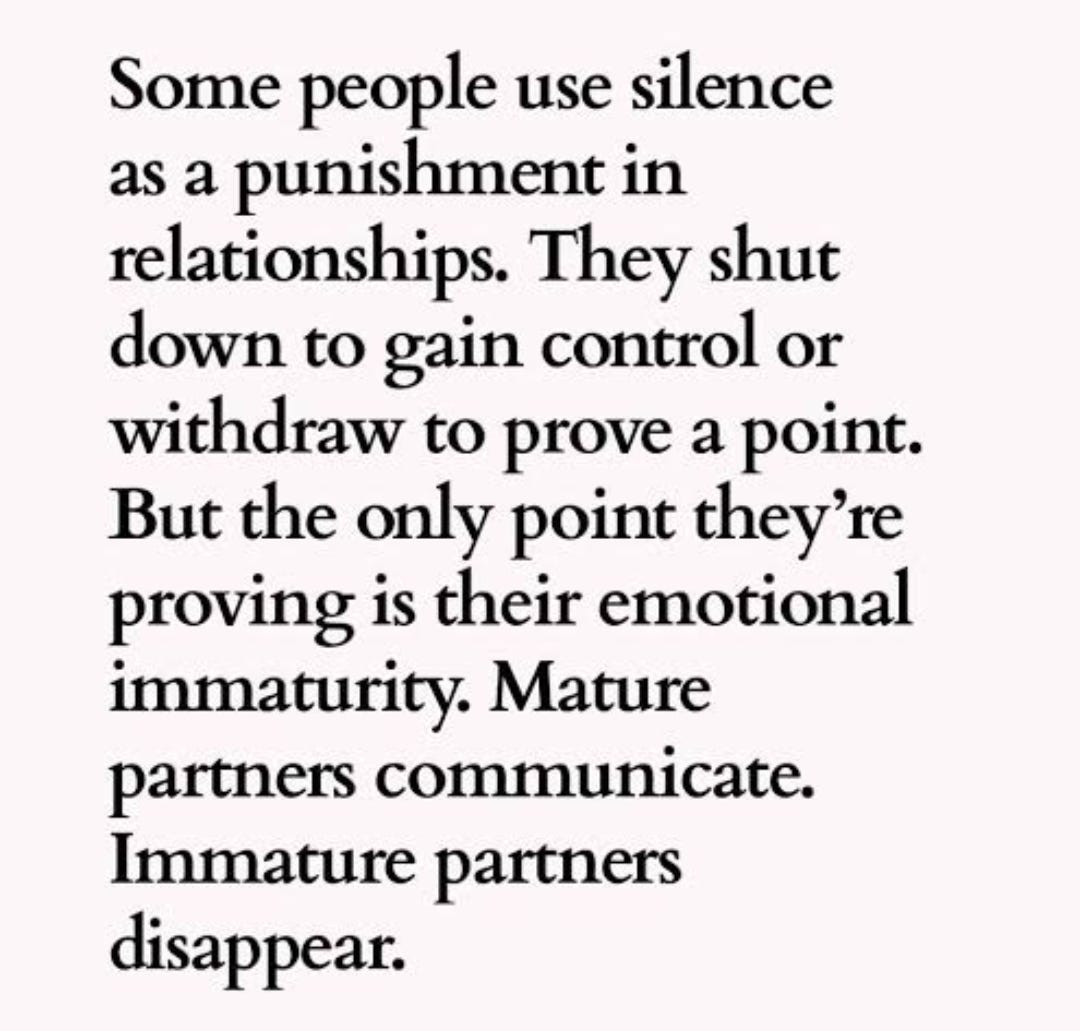
This technique is especially effective when writing about difficult subjects such as loss, love, regret, identity, or forgiveness. Some emotions are too complex to define with a single word. By approaching them indirectly, poets allow readers to experience those feelings rather than simply understand them.
However, leaving something unnamed should not confuse the reader. The poem still needs enough clues through imagery, tone, and context to guide interpretation. The goal is to create thoughtful ambiguity, not uncertainty. A successful poem balances mystery with emotional clarity.

Many well-known poets use this method because it reflects real human experience. In everyday life, people often avoid saying exactly what they feel. Poetry mirrors this natural hesitation, showing that silence and suggestion can communicate as much as direct language.
Ultimately, the unsaid thing at the centre of a poem often becomes its greatest strength. By circling an emotion instead of naming it, poets create space for imagination, reflection, and personal connection. Readers do not simply observe the poem—they enter it, bringing their own memories and emotions to complete its meaning.
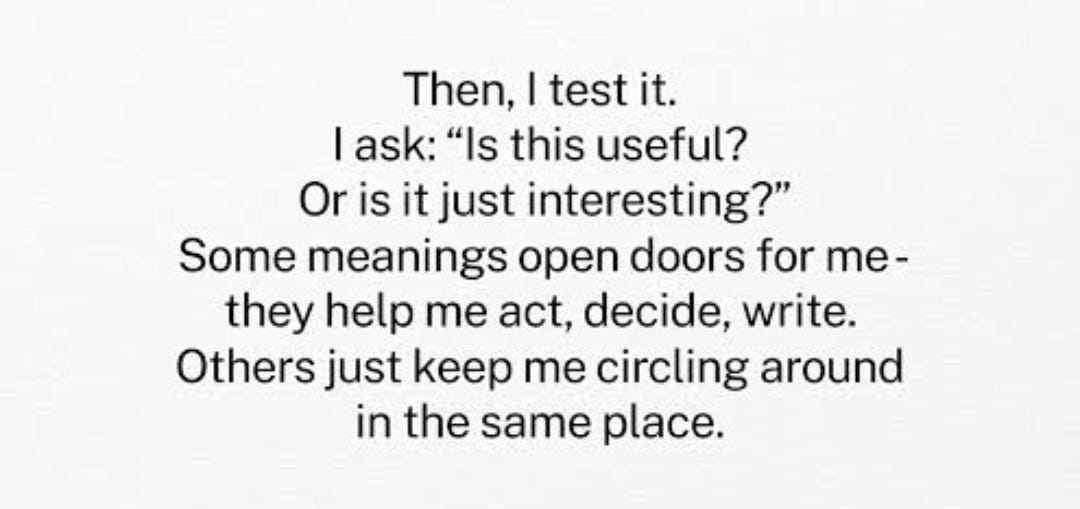
The most unforgettable poems are not always those that explain everything. They are often the ones that quietly leave something unsaid, trusting the reader to find it between the lines.
메타데이터
- post_id
- 1a1e593d61d1
- slug
- the-unsaid-thing-a-poem-circles-but-never-names-1a1e593d61d1
- url
- https://hanomatimes.com/the-unsaid-thing-a-poem-circles-but-never-names-1a1e593d61d1
- canonical_url
- https://hanomatimes.com/the-unsaid-thing-a-poem-circles-but-never-names-1a1e593d61d1
- author_url
- https://medium.com/@kishorehanoma
- status
- ok
- fetched_at
- 2026-07-30 00:42:56