The Hardest Part of Leadership
The lesson I never fully understood until I left the classroom.
The Hardest Part of Leadership
The lesson I never fully understood until I left the classroom.
Not a member of Medium? You can read this article for free by clicking here: https://medium.com/@steamaddis/the-hardest-part-of-leadership-1e09df4043c7
Six years ago, I stepped out of the classroom and into the world of early childhood administration. Since then, my leadership experience has reshaped the way I think about schools, teaching, and people.
One realization in particular has changed the way I approach practically everything.
The conversations we avoid often become the problems we eventually have to solve.
As a classroom teacher, I viewed leadership through a narrow lens.

Photo by Samer Daboul on Pexels
When a decision came from the top that I found frustrating, it was easy to assume that those making it simply did not understand what was happening in the classroom.
I believed the impact only affected students, families, and my own workload. Then I became a school leader.
Suddenly, I found myself responsible for balancing competing priorities.

Photo by Brett Johnson on Pexels
Student needs, parent expectations, staff concerns, budgets, regulations, and long-term sustainability all collided in ways I had never fully considered before.
From the classroom, you are focused on the students in front of you. From the office desk, you are trying to see the entire system at once.
Neither perspective is wrong. In fact, both are necessary.
Over the years, I’ve learned that when perspectives collide, difficult conversations become inevitable.
Teachers need answers. Leaders sometimes need patience. Staff want transparency. Administrators may still be gathering information.
Everyone is working from a different vantage point, and misunderstandings can easily take root when concerns go unspoken.
Often, the issues that kept me awake at night were rarely the ones I addressed too early.
More often, they were the conversations I postponed, hoping circumstances would improve on their own.
In my doctoral program, I often participate in discussions with current and aspiring school leaders.
What strikes me is how different these conversations can be from those that occur in staff meetings.
Leaders often speak candidly about situations they are struggling to navigate.
Difficult feedback. Personnel concerns. Organizational change. Decisions that may disappoint people they genuinely care about.
The most effective leaders are those not afraid to have these conversations. while the rest grapple with the discomfort.
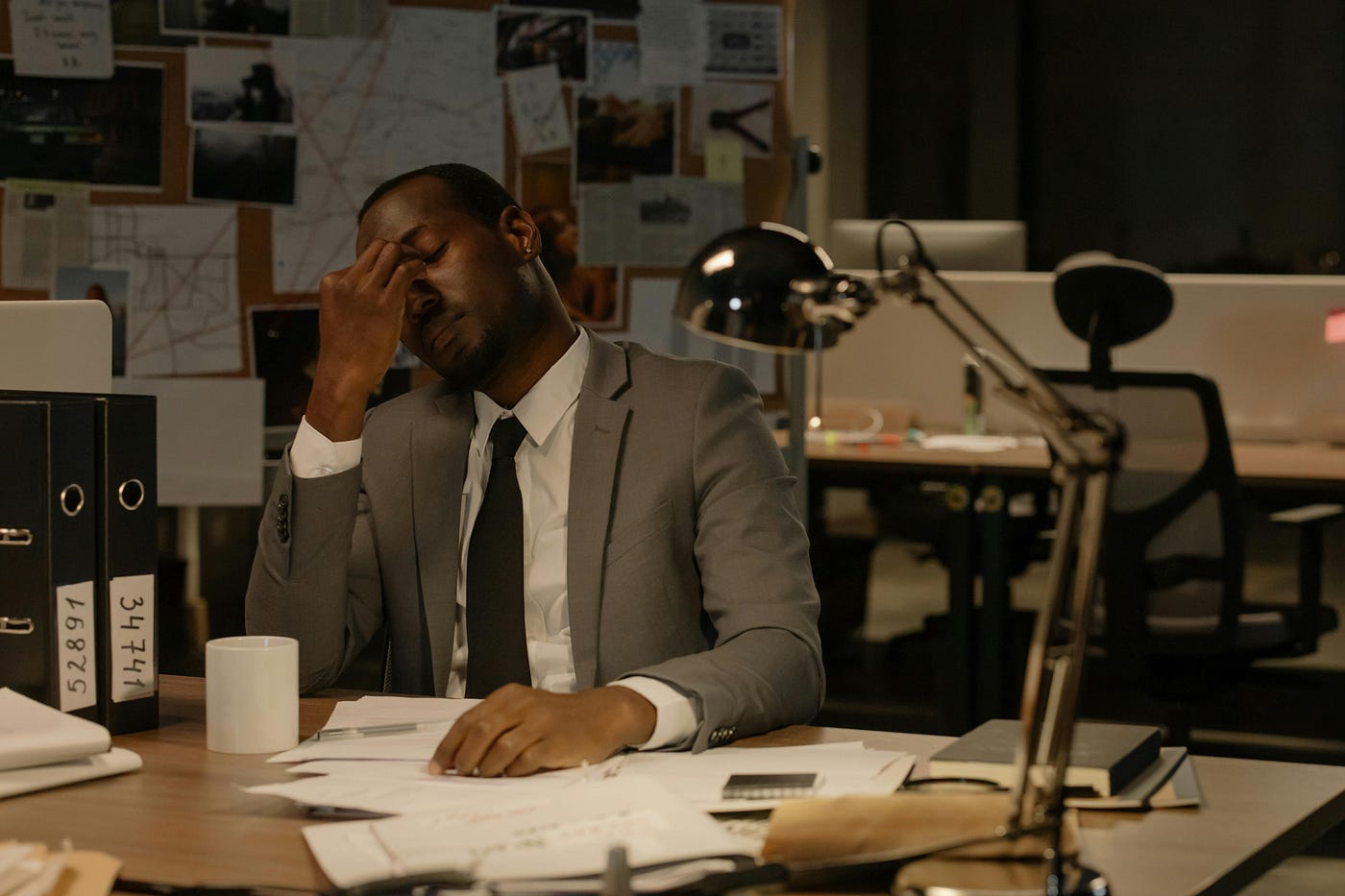
Photo by Cottonbro Studio on Pexels
The longer I work in education, the less interested I become in determining who is right and who is wrong.
Instead, I find myself asking a different question: What might I be missing from where I currently stand?
I also find myself giving people the benefit of the doubt more often than I once did.
Schools function best when people recognize that others may be operating with information, pressures, and responsibilities they cannot fully see. Respectful disagreement is often healthier than silent agreement. The conversations we avoid in the name of harmony frequently create the very problems we hope to prevent.
Whether in classrooms, leadership teams, or organizations, trust is not built by avoiding difficult conversations.
It is built by having them with honesty, humility, and respect.
메타데이터
- post_id
- 1e09df4043c7
- slug
- the-hardest-part-of-leadership-1e09df4043c7
- url
- https://medium.com/@steamaddis/the-hardest-part-of-leadership-1e09df4043c7
- canonical_url
- https://medium.com/@steamaddis/the-hardest-part-of-leadership-1e09df4043c7
- author_url
- https://medium.com/@steamaddis
- status
- ok
- fetched_at
- 2026-06-15 20:49:13