🩺✨TNP #11 :We Called It the Involuntary Mens’ Retreat
(THE NEW PHYSICIAN SERIES)
🩺✨TNP #11 :We Called It the Involuntary Mens’ Retreat
(THE NEW PHYSICIAN SERIES)
A week after GROUND went live, strangers started writing back. None of them mentioned the prison part.
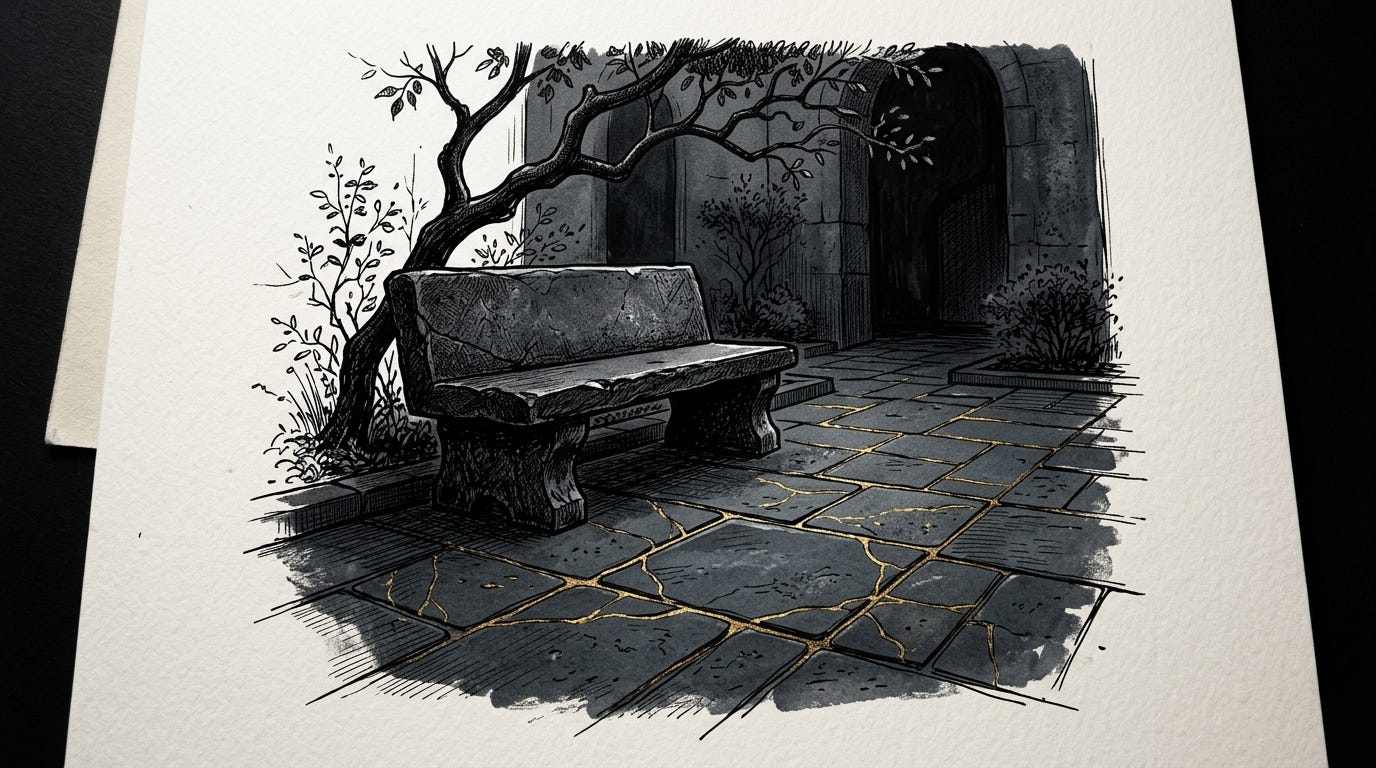
A week ago a small book I wrote in a federal prison camp went live on Amazon. I did not plan to write it. I did not plan to lose the life I had before it either. But that is where it came from, and it seems to be the reason it is landing with people who have been through their own version of a fall.
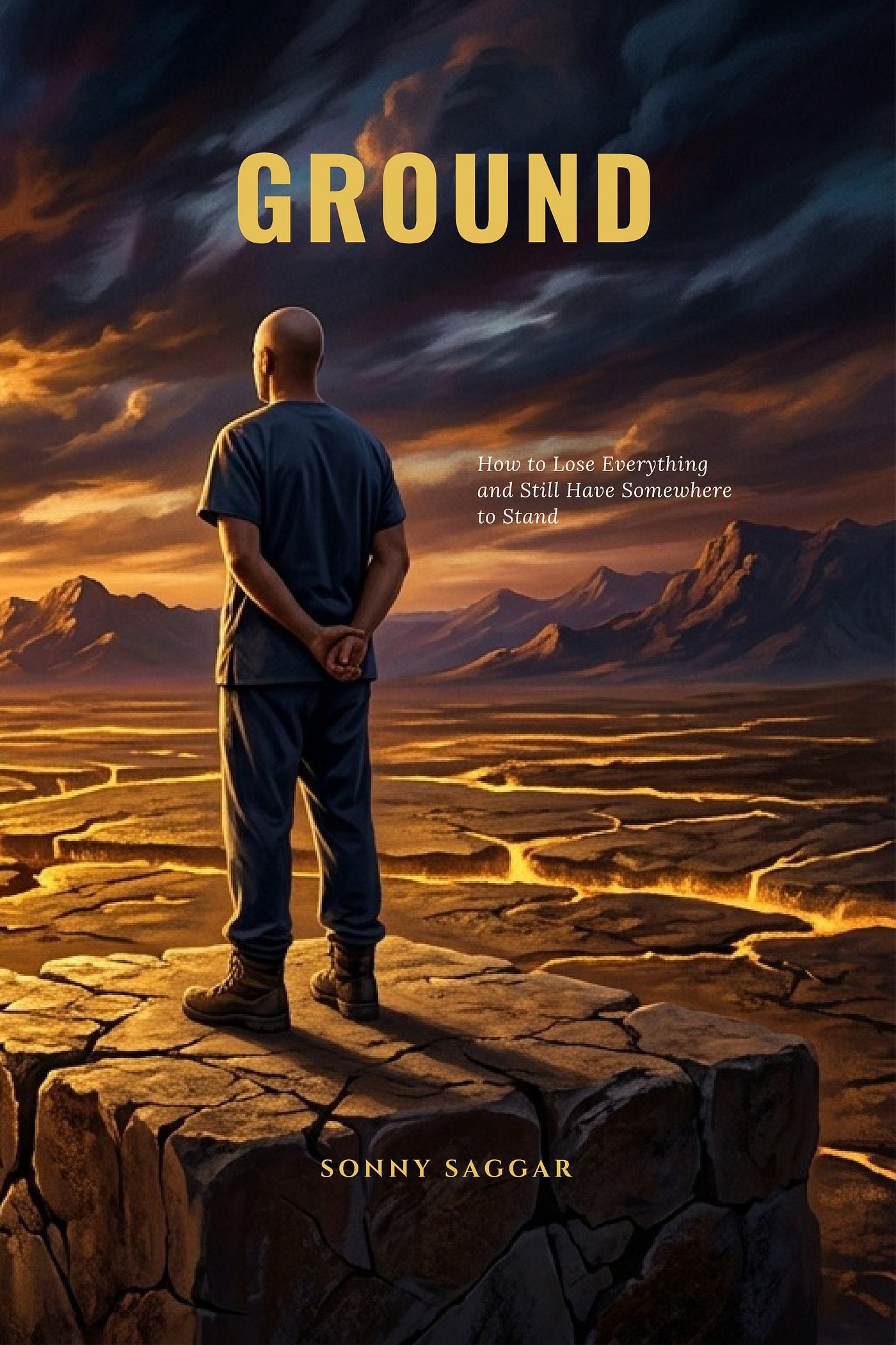
GROUND: How to Lose Everything and Still Have Somewhere to Stand. Most of it was written by hand, sitting on a narrow bunk in a place that was never built to feel like home. I finished it after my release, still under federal supervision, because the writing did not stop just because the sentence did.
It is not a book about prison. It is not a book about being a doctor. It is a book about what is left of you once the things that used to hold you up are gone.
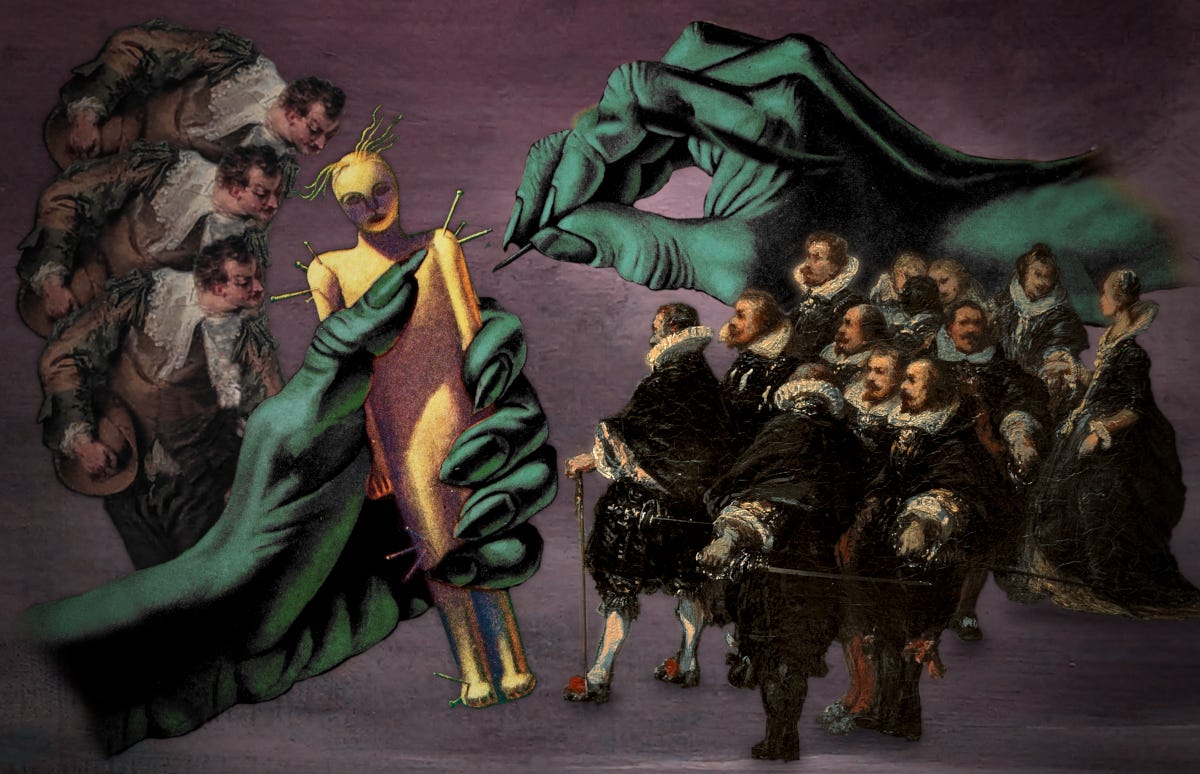
Mine went on a July morning three years ago. I had been a physician for twenty-five years. I had run a hospital. I had built things people deferred to me about. By one o’clock that same day, none of it mattered. A release went out. A photograph appeared. The local TV stories spun it, the way it happens to plenty of people who are never given the chance to answer back. I had watched it happen to strangers before and assumed I was too sharp to ever be led by a headline like that. I was wrong, and I learned it from the inside, which is a slower and worse way to learn anything.
I am not going to relitigate any of it here. The book does not either. It is about what is left once the noise dies down and you are alone with yourself, which turns out to be the part nobody warns you about.
One line from the book keeps getting sent back to me more than any other. Ninety percent of the people who throw roses at you when you are doing well are the same people who will throw stones at you when you are not. I should be straight about that number, since I was straight about it in the book. It is not a statistic. Nobody has ever run that study. It is what the crowd looked like from where I was standing, and I stand by the shape of it even though I made the number up.
The roses were real. So were the stones. Neither had much to do with who I actually was underneath them. They were about the people doing the throwing, not the man they were throwing at. Once you stop taking the stones personally, the roses stop meaning as much too, and that is the start of a kind of peace that does not move with the weather.
Some of the men I did time with called the place the involuntary retreat. It was a joke, but the joke had teeth. A real retreat strips away your distractions so you can finally sit with yourself. This one does the same thing, minus the part where you agreed to go. I walked laps every day. I wrote every day. I sat with myself every day, whether I wanted to or not. Recovery was never a finish line in there. It was a practice you did again each morning, and I am still doing it now.
The book is really about the part of a person that cannot be confiscated. The quiet that shows up once there is nothing left worth defending. The difference between losing things and being lost, which are not the same event no matter how much they feel like one at three in the morning.
People have written this past week. A man who lost his business. A woman mid divorce. Someone watching a parent fade and finding no instructions anywhere for that. Someone who has not lost anything yet but can feel the floor moving under them regardless. What they all said, in their own words, was some version of the same thing: the book did not try to impress them. That is the only review I have ever actually wanted.
If you are standing in the ruins of a life you thought was yours, this one is for you. If you are not standing there yet, keep it somewhere close anyway. The floor goes for everyone eventually, and when it does, you will need something to stand on that has nothing to do with your title, your reputation, or the good opinion of people who were only ever going to be around for the roses.
That is what I tried to build. A place to stand.
GROUND: How to Lose Everything and Still Have Somewhere to Stand is available now on Amazon. https://www.amazon.com/dp/B0H7M7TK1V
If it helps one person stand back up, it will have done everything it was meant to do.
Author’s note. I pleaded guilty to a federal offense and do not seek to relitigate my conviction or minimize my responsibility. This essay, and the book it describes, are about what remains afterward. Written during Bureau of Prisons custody and after release, consistent with 28 CFR Part 540, Subpart B, BOP Program Statement 5265.14, and the First Amendment rights affirmed in Procunier v. Martinez, 416 U.S. 396 (1974), and Turner v. Safley, 482 U.S. 78 (1987).
Sonny Saggar is an emergency physician, trained at St. Edmund Hall, Oxford, and St. Bartholomew’s Hospital Medical College, London. He is the founder of The New Physician. He writes at newphysician.org.
메타데이터
- post_id
- 2fe1a40b6555
- slug
- tnp-11-we-called-it-the-involuntary-retreat-2fe1a40b6555
- url
- https://medium.com/@saggarsonny/tnp-11-we-called-it-the-involuntary-retreat-2fe1a40b6555
- canonical_url
- https://medium.com/@saggarsonny/tnp-11-we-called-it-the-involuntary-retreat-2fe1a40b6555
- author_url
- https://medium.com/@saggarsonny
- status
- ok
- fetched_at
- 2026-07-13 06:23:13