The Neuroscience of Trusting Your Gut
You have probably been told to “trust your gut.” What if your gut is actually sending your brain information all the time?
The Neuroscience of Trusting Your Gut
You have probably been told to “trust your gut.” What if your gut is actually sending your brain information all the time?
Photo by Igor Omilaev on Unsplash
You have said it. Someone has said it to you.
“Trust your gut.”
We treat it like shorthand for intuition. A warning that arrives before logic does. A quiet certainty that something is wrong before your conscious mind has assembled any argument.
For most of human history, the phrase was poetic. A metaphor that happened to feel true.
But biology has been quietly building the case that we were describing something real. Not intuitively real. Not spiritually real. Mechanically, chemically, neurologically real.
Your gut is genuinely sending information to your brain. Constantly. Through nerves, hormones, immune signals, and chemical messengers produced by trillions of organisms living inside your digestive tract. Most of that conversation happens below the level of your awareness.
You never hear it.
Your brain does.
Your Gut Has Its Own Nervous System
Here is the fact that tends to stop people mid-sentence.
Your gut contains approximately 500 million neurons.
Five hundred million nerve cells are embedded in the walls of your digestive system, running from the esophagus all the way through the colon. This network is called the enteric nervous system, and it operates with a level of independence that surprised the researchers who first mapped it.
The enteric nervous system coordinates the muscular contractions that move food forward, regulates digestive enzyme release, and manages blood flow to the gut, all without waiting for instructions from above. It can carry out complex operations on its own.
This is why scientists sometimes call it the gut’s own nervous system. That is not a metaphor. It is a separate neural architecture.
To be precise about what this does not mean: your gut does not think. It does not experience emotions. It does not hold memories or make decisions in any conscious sense. The enteric nervous system does not give your digestive organs a mind.
What it gives them is biological autonomy. The gut is not a passive tube waiting for orders. It is an active participant in your body’s broader operations, and it is continuously generating the signals to prove it.
The Gut Has Signal Detectors
Before those signals can travel anywhere, something has to detect them.
Your intestines contain specialized cells called enteroendocrine cells. They are scattered across the lining of the gut in enormous numbers, and their job is to sense what is happening inside the digestive tract, nutrient composition, chemical changes, mechanical pressure, microbial activity, and then convert that information into signals the rest of the body can use.
Some enteroendocrine cells release hormones directly into the bloodstream. Others have recently been found to have specialized extensions called neuropods, structures that can make direct contact with nearby sensory nerve fibers, transmitting information almost instantly rather than waiting for a hormone to slowly diffuse through circulation.
This means your gut is not simply reacting to food passing through it. It is actively reading its internal environment and dispatching reports through multiple channels simultaneously.
The discovery of neuropods was significant because it suggested that some gut-to-brain communication can happen at the speed of nerve signaling, not just the slower timescale of hormonal release. Your intestinal lining is less like a passive surface and more like a continuously scanning interface.
The Highway Between Your Gut and Your Brain
Those reports need a road.
The vagus nerve is one of the longest and most structurally complex nerves in the body. It originates in the brainstem, wanders downward through the chest, and branches into the abdomen, connecting with the heart, lungs, and most digestive organs along the way. The name comes from the Latin word for wandering, which suits it.
What makes the vagus nerve remarkable in this context is the direction most of its fibers run.
The majority of sensory fibers in the vagus nerve carry information from the body toward the brain, not the other way around. The gut is not primarily receiving commands through this channel. It is primarily transmitting.
What kind of information? Mechanical data about how distended or full the stomach is. Chemical data about substances present in the gut. Signals about the internal state of the intestinal lining. The brain receives all of this and uses it to regulate hunger, nausea, satiety, and a range of responses that arrive in your awareness already fully assembled.
You do not decide to feel full. Your gut files a report. Your brain issues the experience. The internal process that connected those two events is invisible to you.
Stress Does Not Stay in Your Head
Most people have experienced what stress does to a stomach.
The nausea before a difficult conversation. The urgent need to use the bathroom before a performance or an exam. The appetite that vanishes entirely when something goes genuinely wrong. These are not imaginary symptoms, and they are not the product of weakness. They are the direct result of biological signaling moving through established anatomical pathways.
When the brain perceives a threat, real or imagined, it activates the sympathetic nervous system. Blood flow gets redirected away from digestive organs. Digestive activity slows. Through nerve pathways and hormones like cortisol and adrenaline, the gut receives the signal that this is not the moment for a meal.
In situations of intense fear, the body can accelerate the movement of contents through the lower intestine. From an evolutionary standpoint, this is not a malfunction. It is a reasonable response from a system built for survival, not comfort.
That familiar sensation of “butterflies in the stomach” during anxiety has a physical basis too. The autonomic nervous system changes gastrointestinal motility and blood flow during stress, and the gut’s sensory nerves send those changes back to the brain as bodily signals. The experience of anxiety as something you feel in your body, not just your thoughts, is partly the brain receiving and interpreting those incoming reports.
The communication runs both directions. The brain alters the gut’s behavior. The gut’s altered behavior sends new signals back. The full experience of anxiety is assembled from both streams at once.
Your Brain Is Listening
Turn the direction around and the picture becomes more interesting.
The brain receives a continuous stream of information from the interior of the body. Heart rate. Breathing. Temperature. Stomach distension. Visceral sensations. This process is called interoception, and it is more significant than most people realize.
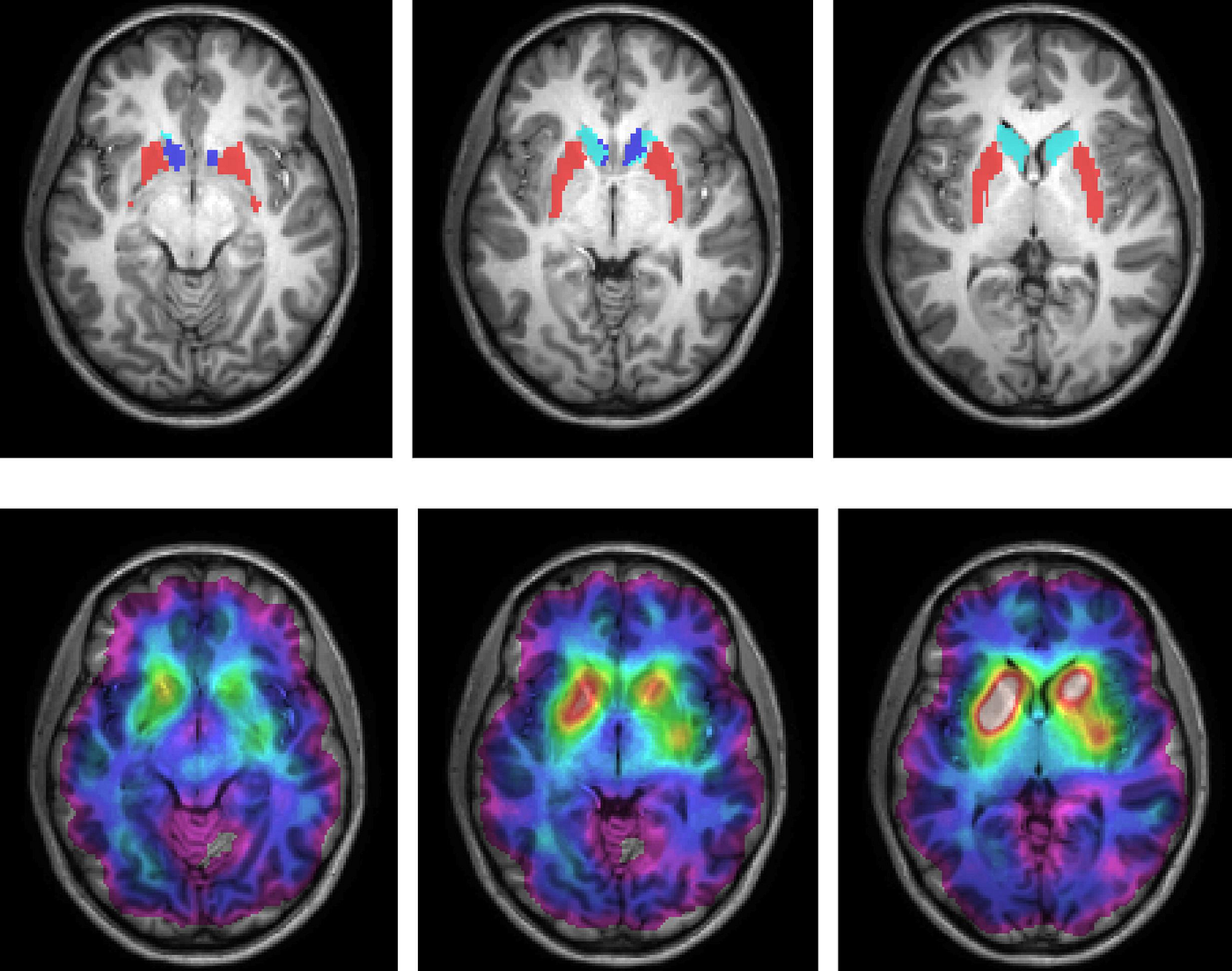
Interoception is how your brain continuously constructs an internal map of the body’s state. Research using brain imaging has shown that gut-related signals, including those traveling through the vagus nerve, reach regions of the brain involved in emotional processing and bodily awareness. Areas like the insula and the anterior cingulate cortex, both involved in how the brain represents and regulates internal states, receive input from the digestive system as part of their normal function.
What this means is that how you feel emotionally is not generated solely inside the brain in isolation. It is partly constructed from the brain’s ongoing reading of the body’s internal signals. A brain that inaccurately interprets the body’s physiological state may generate emotional experiences that are difficult to understand or regulate.
The gut is not sending your brain philosophical advice. It is sending physiological data. But physiological data, it turns out, is part of how your brain builds the experience of feeling.
The Microbes Living Inside the Conversation
Now add something that does not fit neatly into any of this.
Your digestive tract is home to somewhere between tens of trillions of microorganisms. Bacteria, viruses, fungi, archaea, collectively called the gut microbiome. They have been cohabiting human digestive systems for as long as humans have existed. They help break down substances that human enzymes cannot process, produce certain vitamins, and interact with the gut lining in ways that affect how it functions.
For a long time, the scientific question was what the microbiome did inside the gut.
Then the question changed.
You have neurons in your gut. You have a nerve highway connecting your gut to your brain. And then there are trillions of living organisms inside that system, changing the chemical environment in which all of that communication happens.
That is a different kind of discovery.
When gut bacteria ferment dietary fiber and other substances, they produce molecules called short chain fatty acids. Butyrate, propionate, and acetate are the primary examples. These are not simply metabolic byproducts. Butyrate serves as the main fuel source for cells lining the colon. Short chain fatty acids interact with receptors on immune cells and nerve cells. They appear to influence the permeability of the gut lining, meaning how easily substances move between the gut interior and the bloodstream.
Some of these molecules enter circulation and interact with systems well beyond the digestive tract. The microbiome is not a sealed ecosystem operating in isolation from the rest of the body. Its metabolic activity affects the chemical environment in which your gut cells, immune cells, and enteric nerve cells are all operating, and through those systems, it participates in the broader conversation.
Researchers now describe this as a microbiota-gut-brain network. Multiple pathways, multiple signals, multiple timescales. Not a simple control mechanism. A network.
The Immune Connection Nobody Talks About
The gastrointestinal tract is one of the largest immune environments in the body.
That rarely gets the attention it deserves.
The gut is where your immune system is most continuously challenged. Every day, it encounters food particles, microorganisms, environmental chemicals, and potential pathogens. It is making constant decisions about what to respond to and what to tolerate.
Immune cells in the gut release signaling molecules called cytokines, some pro-inflammatory, some anti-inflammatory. These molecules do not remain confined to the digestive tract. They circulate. And elevated inflammatory signaling is known to affect the brain, though not through a single simple mechanism.
Peripheral immune signals can reach the brain through several routes. Some cytokines act on receptors at the blood-brain barrier, triggering downstream effects without physically entering the brain. Others influence vagal signaling. Still others act on endothelial cells and affect brain-resident immune cells called microglia. The pathway is not one direct road. It is a set of interconnected mechanisms that collectively link the immune state of the gut to the functional state of the brain.
This is why people experiencing gut inflammation often report symptoms that extend well beyond digestion. Fatigue, cognitive difficulty, shifts in mood. The immune environment of the gut and the functional environment of the brain are not independent of each other.
None of this means that gut inflammation causes depression, or that resolving gut inflammation reliably cures it. The relationships are real, clinically important, and still being studied with appropriate complexity.
The Serotonin Story Is More Complicated Than You Think
Here is a fact that circulates constantly in wellness content: approximately 90 to 95 percent of the body’s serotonin is produced in the gut.
That number is accurate. The conclusion most people draw from it is not.
Serotonin’s function depends entirely on where it is. In the gut, serotonin is primarily a local signaling molecule for the enteric nervous system. It helps coordinate the muscular contractions that move food through the digestive tract, and it plays a role in nausea and bowel function. It is genuinely important there.
But the serotonin produced in the gut does not cross the blood-brain barrier. It stays in peripheral circulation, where it has roles in cardiovascular regulation and gut motility, but it does not directly contribute to the serotonin active inside the brain.
The serotonin involved in mood, sleep, appetite, and emotional regulation inside the brain is produced inside the brain, by neurons using it as a neurotransmitter in the central nervous system.
Saying “most of your happiness chemical is made in your gut” conflates two populations of the same molecule performing completely different jobs in completely different compartments. The gut does not manufacture your mood. It uses serotonin as a local coordination tool, and the downstream effects of that local activity eventually feed into the broader gut-brain conversation through the pathways we have already described.
This section exists because the serotonin misconception is so widely repeated that leaving it unchallenged would undermine everything else in this article.
What Your Gut Is Not Doing
Let us address the version of this science that has escaped the laboratory and wandered somewhere it does not belong.
Your gut bacteria do not control your personality. The microbiome does not determine your mental health. One probiotic supplement will not lift your mood. Your gut does not “know” things your conscious mind doesn’t.
These are significant distortions of a legitimate research area.
What scientists have found is that the gut and brain are connected through multiple systems, and that changes in one can influence the other. This is not the same as saying the gut controls the brain, or that the microbiome controls behavior. The relationship is bidirectional, mediated by many interacting factors, and still being carefully mapped.
Studies in germ-free mice have shown that the complete absence of a microbiome can alter anxiety-like behavior. These findings are interesting. They are also the product of extreme experimental conditions in a different species, and extrapolating from germ-free rodent behavior to human personality is a leap the evidence does not currently support.
Probiotic research has produced some interesting results in small clinical trials, particularly for specific strains targeting specific conditions. The evidence that a generic probiotic meaningfully improves mood in healthy people is not strong enough to support the claims being made about it.
The microbiome is real. Its interactions with the body are real and genuinely worth understanding. The science is young, uncertain, and actively being conducted. The wellness industry’s version of it reached its conclusions approximately several decades before the evidence did.
The Strange Biology of a Gut Feeling
So what actually is a gut feeling?
Not all of them are the same phenomenon.
Some are the product of implicit pattern recognition. Your brain detects something, a facial expression, an environmental detail, a familiar cadence in someone’s voice, and processes it against accumulated experience before your conscious attention has arrived. An emotional signal emerges. An instinct fires. None of it was mysterious. Your brain was simply working faster than your awareness of it.
That is not your gut talking. That is your brain moving faster than your introspection can follow.
But the physical sensations that accompany those moments are another matter. The tightening in the chest. The drop in the stomach. The sudden nausea that comes with something dreaded. These are genuine physiological events, produced by the same stress systems described earlier, and they are also feeding interoceptive information back to the brain, contributing to how the emotional experience is constructed.
Your brain is not simply generating an emotion in isolation and then broadcasting it to the body. It is receiving a continuous stream of internal signals from the body and using that data as part of how it assembles experience. The gut’s contribution is one input in a larger integrative process.
Calling that experience a gut feeling turns out to be more anatomically honest than it sounds.
What Scientists Still Do Not Know
The gut-brain axis is a real biological system with established components. The vagus nerve, the enteric nervous system, the enteroendocrine cells, the immune connections, the microbial metabolites. These are documented, accepted, and actively studied.
What remains genuinely uncertain is how much these systems contribute to complex human experiences, including mood, personality, cognition, and behavior, in healthy people going about ordinary lives.
Most of the strongest evidence comes from disruption. Patients with irritable bowel syndrome show elevated rates of anxiety and depression. Inflammatory bowel disease is associated with mood disorders. Vagus nerve stimulation affects mood in some patients. These findings are real and worth investigating further.
They are not the same as evidence that the microbiome governs your emotional life under normal circumstances.
The honest scientific position is this: we know the communication exists, we know it matters, and we are still learning how much it matters, in which directions, for which people, under which conditions. The research is moving fast. Some of it will eventually translate into clinical tools. Some of it will not survive replication. That is how science works.
You Are Not Just a Brain Carrying a Digestive System
The reason this matters beyond its novelty is what it says about how the human body is actually organized.
We tend to imagine the body in departments. The brain commands. The organs comply. The gut digests. The immune system defends. These are useful teaching simplifications. They are not accurate descriptions of a living system.
What the gut-brain research reveals is something more like a network. Multiple systems in continuous exchange. The gut is not waiting for instructions. It is monitoring its environment, signaling through nerves and hormones, influencing immune activity, and sending data upward to a brain that is continuously incorporating that data into its construction of your experience.
When you eat a large meal, the chemical and physical signals from your gut ripple outward into your alertness and your mood. When you go without sleep, eating behavior shifts. When you are under prolonged stress, the gut’s microbial environment and motility patterns change. When the gut is inflamed, the brain’s functional environment can shift accordingly. None of these relationships are isolated. None of them operate in a single direction.
The body is less like a machine with separate departments and more like a conversation between systems that do not recognize the boundaries we draw between them.
Back to Where We Started
Perhaps the phrase survived for so long because it was describing something real.
Not a supernatural signal. Not wisdom that bypasses rational thought. Something more precise than that.
A body in which the digestive system has its own neural architecture, its own immune presence, its own microbial community, and multiple direct and indirect pathways connecting it to the brain. A body in which that connection runs continuously, processing information that often reaches your awareness only as an emotion, an instinct, or a feeling you cannot yet explain.
Your gut does not know the future.
It does not hold secret wisdom.
It cannot replace thinking.
But it is talking.
And your brain is listening.
The conversation has been happening your whole life.
You just now have the language to know it was real.
메타데이터
- post_id
- 3c1085bad52d
- slug
- the-neuroscience-of-trusting-your-gut-3c1085bad52d
- url
- https://medium.com/write-a-catalyst/the-neuroscience-of-trusting-your-gut-3c1085bad52d
- canonical_url
- https://medium.com/write-a-catalyst/the-neuroscience-of-trusting-your-gut-3c1085bad52d
- author_url
- https://medium.com/@jettel532
- status
- ok
- fetched_at
- 2026-09-18 19:22:17