8 Simple Ways to Help Your Pet Feel Calm Before Surgery
Help your dog or cat feel more comfortable before surgery with these practical, veterinarian-inspired tips for reducing stress and…
8 Simple Ways to Help Your Pet Feel Calm Before Surgery
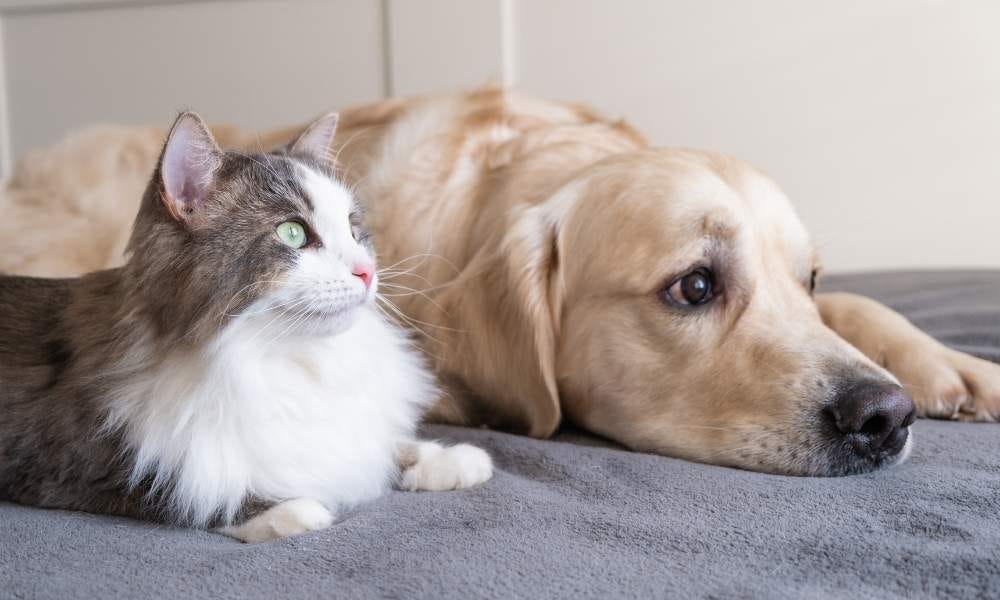
Help your dog or cat feel more comfortable before surgery with these practical, veterinarian-inspired tips for reducing stress and preparing for a smoother recovery.
Hearing that your pet needs surgery can be stressful for any owner. Whether it’s a routine spay or neuter, dental procedure, or a more advanced operation, it’s natural to worry about how your dog or cat will handle the experience.
While your veterinarian will manage the medical side of the procedure, there are several things you can do at home to help your pet stay calm and comfortable before surgery. A relaxed pet often experiences less anxiety leading up to the appointment, making the day easier for everyone involved.
1. Keep Your Normal Routine
Pets thrive on consistency. In the days before surgery, try to maintain their usual schedule for walks, playtime, and rest. Familiar routines help reduce unnecessary stress and give your pet a sense of security.
Avoid making major changes at home, such as introducing new pets or rearranging living spaces, if possible.
2. Stay Calm Yourself
Dogs and cats are remarkably good at sensing human emotions. If you’re anxious or nervous, your pet may pick up on those feelings.
Speak in a calm voice, move at a normal pace, and avoid treating surgery day like an emergency. Your confidence can help reassure your pet.
3. Prepare a Comfortable Travel Space
Many pets become anxious during car rides. Before heading to the veterinary clinic, prepare a safe, comfortable space.
For dogs:
- Use a secure seatbelt harness or travel crate.
- Bring a favorite blanket if allowed.
For cats:
- Use a sturdy carrier lined with a soft towel.
- Cover part of the carrier with a lightweight blanket to create a more secure environment.
A familiar scent can help reduce travel-related anxiety.
4. Follow Feeding Instructions Carefully
Your veterinarian may recommend withholding food before anesthesia. Following these instructions is extremely important for your pet’s safety.
Avoid offering treats or table scraps if fasting has been recommended. If you’re unsure about water or medications, contact your veterinary clinic ahead of time for clarification.
5. Bring Familiar Comfort Items
Some veterinary hospitals allow pets to have a favorite blanket or toy before surgery.
Items carrying familiar scents may help your pet feel more relaxed while waiting for their procedure. Always check with the clinic beforehand to learn what is permitted.
6. Give Your Pet Time to Use the Bathroom
Before leaving for the appointment, allow your dog to take a calm walk for a bathroom break.
Cats should have access to a clean litter box before being placed in their carrier. This simple step helps your pet stay more comfortable during travel and while waiting at the clinic.
7. Avoid Last-Minute Rush
Give yourself extra time on surgery day. Rushing to appointments can increase stress for both you and your pet.
Leaving early also allows time for paperwork, questions, and any final discussions with your veterinary team.
8. Prepare for Recovery Before You Leave Home
Recovery begins before surgery even starts.
Set up a quiet, comfortable area where your pet can rest after returning home. Keep food and water bowls nearby, limit activity if instructed, and gather any medications or supplies you’ll need.
Planning ahead means you can focus entirely on helping your pet recover once they’re back home.
Common Questions Pet Owners Have
Will my pet remember the surgery?
Pets do not remember surgery the same way people do. They may feel sleepy or slightly confused after anesthesia, but these effects usually improve as the medication wears off.
Is it normal for pets to be nervous?
Yes. Some pets become anxious when visiting the veterinarian or riding in the car. Calm handling, familiar items, and following your veterinarian’s guidance can make the experience less stressful.
What if my pet seems unwell before surgery?
If your pet develops vomiting, diarrhea, coughing, sneezing, or unusual lethargy before the scheduled procedure, contact your veterinarian as soon as possible. They can determine whether the surgery should proceed or be postponed.
Final Thoughts
Preparing your pet emotionally and physically before surgery helps create a smoother experience from start to finish. By maintaining familiar routines, following your veterinarian’s instructions, and planning ahead for recovery, you can help your dog or cat feel more secure during an unfamiliar event.
Want a complete veterinarian-recommended pre-surgery checklist? Read this detailed guide: *Vet-Recommended Pre-Surgery Checklist for Dogs and Cats: How to Prepare,* to learn everything you should do before your pet’s surgery.
메타데이터
- post_id
- 47f0e698c403
- slug
- 8-simple-ways-to-help-your-pet-feel-calm-before-surgery-47f0e698c403
- url
- https://medium.com/@hudsonhighlandsvetbeacon/8-simple-ways-to-help-your-pet-feel-calm-before-surgery-47f0e698c403
- canonical_url
- https://medium.com/@hudsonhighlandsvetbeacon/8-simple-ways-to-help-your-pet-feel-calm-before-surgery-47f0e698c403
- author_url
- https://medium.com/@hudsonhighlandsvetbeacon
- status
- ok
- fetched_at
- 2026-07-09 10:29:04