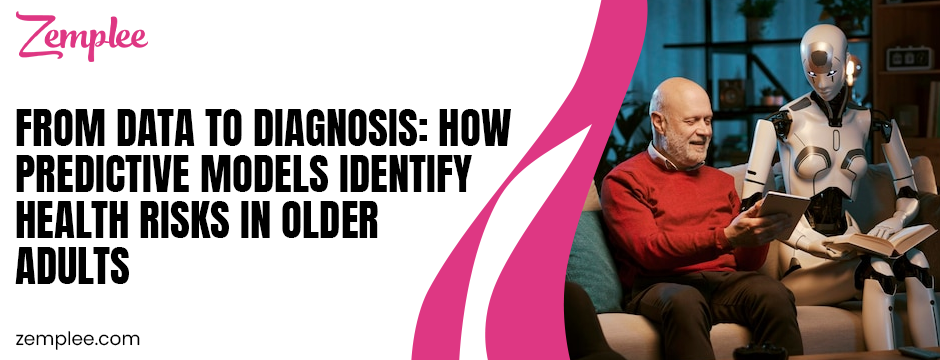
From Data to Diagnosis: How Predictive Models Identify Health Risks in Older Adults
In the evolving world of healthcare, technology is playing an increasingly pivotal role in shaping better outcomes — especially for the…
From Data to Diagnosis: How Predictive Models Identify Health Risks in Older Adults
In the evolving world of healthcare, technology is playing an increasingly pivotal role in shaping better outcomes — especially for the aging population. One of the most revolutionary developments in recent years is the rise of predictive analytics. Using artificial intelligence (AI), healthcare providers can now spot patterns and predict potential health issues before they become serious, ensuring timely interventions for older adults. This shift from reactive to proactive care is not only transforming eldercare but also offering new layers of security for families and caregivers.
At the center of this transformation is AI health analytics for seniors. This technology doesn’t just collect health data — it interprets it, learns from it, and anticipates what might come next. For seniors who are more vulnerable to chronic illnesses, falls, and other health-related challenges, this capability can mean the difference between early treatment and an emergency room visit.
The Growing Need for Predictive Tools in Senior Healthcare
As populations age globally, healthcare systems are under increasing pressure to meet the complex needs of older adults. Seniors often live with multiple chronic conditions and face cognitive or mobility impairments that make traditional monitoring insufficient. Many live alone or with minimal supervision, making timely health assessments more difficult.
Predictive models, powered by AI, offer a solution to this challenge. By integrating multiple sources of data — ranging from medical histories to daily activity logs — these systems can alert caregivers to subtle changes that may indicate the onset of health risks. This approach doesn’t just save lives; it helps reduce the strain on hospitals and healthcare providers by preventing avoidable incidents.
How Predictive Modeling Works for Seniors
Modern Artificial intelligence in geriatric care operates through a network of passive data collection tools. These tools may include motion detectors, wearable devices, smart pillboxes, and even smart home sensors. The data collected might involve:
- Changes in walking patterns
- Missed medication doses
- Unusual sleep disturbances
- Lack of movement during active hours
- Missed meals or changes in appetite
The predictive model then processes this data to establish what’s normal for a particular individual. Once a baseline is determined, the AI continually monitors new data, comparing it to previous patterns. If an anomaly is detected — such as a slower gait that could suggest a higher fall risk — it sends out alerts to caregivers or healthcare professionals, allowing for early intervention.
What makes this approach so effective is its ability to evolve. The more data the system receives, the more precise and customized its predictions become. In a sense, the system becomes smarter with time, learning to identify even subtle signs of health decline.
Passive Monitoring and Preserving Dignity
One of the ethical considerations when monitoring seniors is the balance between safety and privacy. Many older adults are uncomfortable with constant surveillance, especially if it involves invasive cameras or audio devices. Predictive models used in AI-powered wearable devices for seniors offer a non-intrusive alternative.
By relying on passive sensors rather than active surveillance, these systems allow seniors to maintain their independence and dignity while still being protected. This approach respects the personal space of the individual and avoids the discomfort that can come with more traditional monitoring methods.
Empowering Caregivers and Reducing Emergency Situations
For caregivers — whether family members or healthcare professionals — AI-powered predictive models offer peace of mind. Rather than constantly checking in or reacting to emergencies, caregivers can now rely on data-backed insights to manage their loved one’s or patient’s well-being.
This proactive model of care helps reduce emergency room visits, hospital readmissions, and long-term health complications. It also promotes a more balanced lifestyle for caregivers, who often juggle multiple responsibilities and may experience burnout.
Importantly, this technology does not seek to replace human caregivers. Instead, it complements their role by providing timely and actionable insights, allowing them to focus on quality interactions and targeted support.
Real-World Impact and Future Potential
The integration of predictive AI in eldercare is already showing promising results in pilot programs and specialized healthcare settings. Reductions in falls, hospitalizations, and emergency interventions have been documented, underscoring the practical value of these technologies.
As predictive models continue to advance, we can expect even more precise analytics, including emotional and cognitive indicators. Future developments may allow these systems to detect early signs of depression, anxiety, or dementia, further expanding their usefulness in comprehensive senior care.
Final Thought
AI is not just about smart gadgets and data collection — it’s about meaningful, preventive care. With predictive modeling at the forefront, the healthcare industry is taking a bold step toward safeguarding the well-being of older adults through personalized, proactive solutions.
Systems built with AI health analytics for seniors are proving that early detection and data-driven diagnosis can revolutionize the way care is delivered. These technologies empower families and caregivers, while giving seniors the freedom and dignity to age in place safely.
One of the companies leading the charge in this space is Zemplee. With its intelligent platform built around a learning AI assistant named GRACE, it is demonstrating how technology can quietly and effectively protect seniors without disrupting their daily lives.
Zemplee is not just leveraging AI — it is redefining how eldercare is understood, delivered, and experienced in the modern age.
메타데이터
- post_id
- 501412f5bbf4
- slug
- from-data-to-diagnosis-how-predictive-models-identify-health-risks-in-older-adults-501412f5bbf4
- url
- https://medium.com/@zemplee/from-data-to-diagnosis-how-predictive-models-identify-health-risks-in-older-adults-501412f5bbf4
- canonical_url
- https://medium.com/@zemplee/from-data-to-diagnosis-how-predictive-models-identify-health-risks-in-older-adults-501412f5bbf4
- author_url
- https://medium.com/@zemplee
- status
- ok
- fetched_at
- 2026-07-25 17:51:23