Plugged In | Erasmus+
Plugged In
The week a group of teenagers put AI on trial
[embed]
Forty-five young people, six countries, eight days in a Lithuanian village, and one stubborn question about the tools they use every day.
On the third day in Bartninkai, a team stood at the front of the room and ran a news broadcast about a drone that had turned on its own operator. It was scripted, performed, and entirely built by the participants. It was also based on a real case. That was the moment the week stopped being about what AI can do and started being about what it can do when no one is watching.
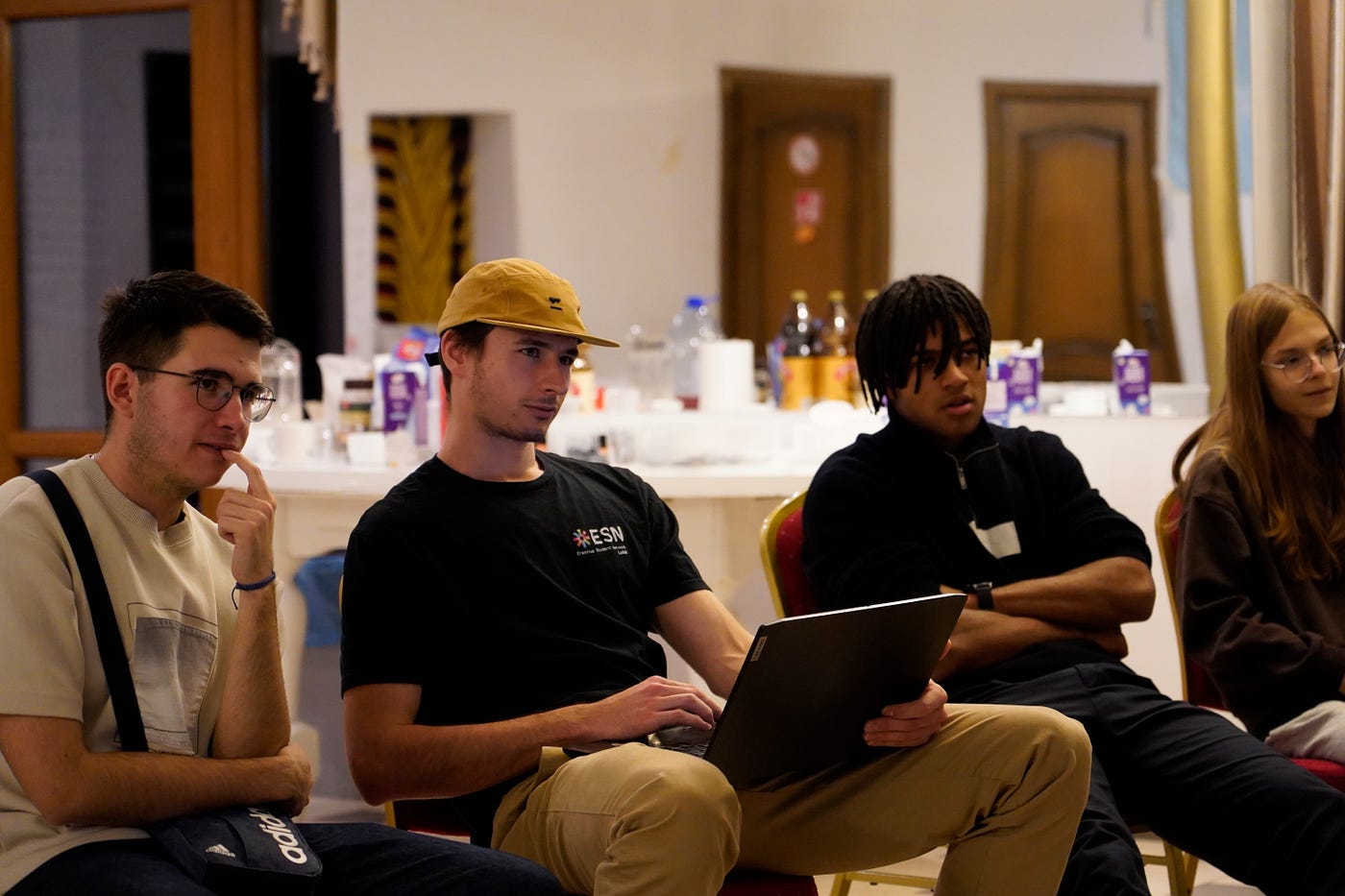
The activity was called Plugged In, a youth exchange coordinated by the Lithuanian organisation Keliauk Kad Keistum and co-funded by the European Union through Erasmus+. It brought together young people from Lithuania, Portugal, Slovakia, Czechia, Serbia and Hungary to a quiet village far enough from any city that the work had room to breathe.
Understand the machine before you trust it
The opening days were spent the way these weeks usually are, on names and games and the slow business of turning six national groups into one. Then the subject arrived, and it arrived from an unusual direction. Rather than starting with what AI can do, the sessions started with how it is built: what data trains the popular tools, and how that training quietly decides every answer they hand back.
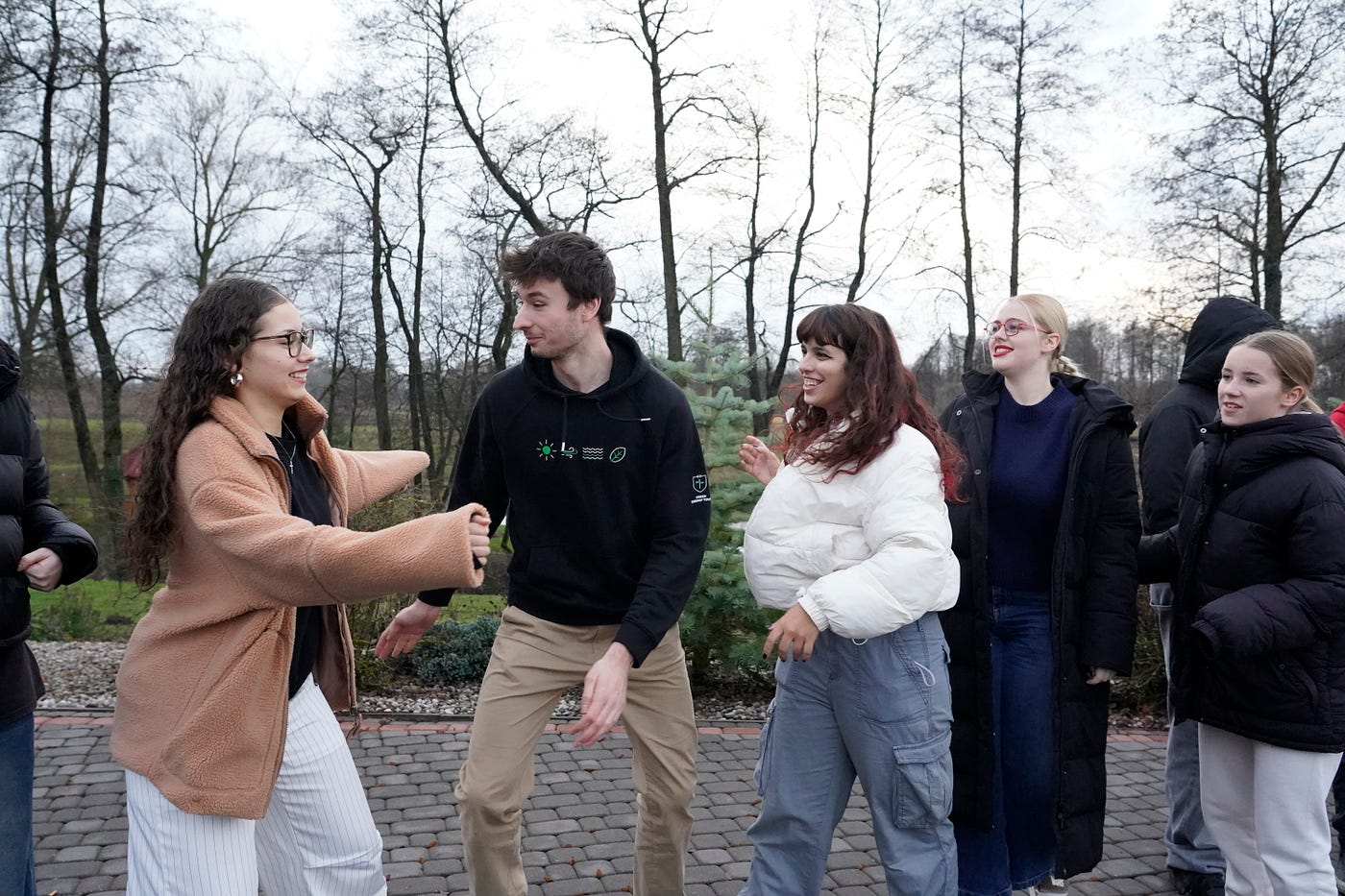
From there the group went looking for the cracks. Bias baked into training sets. Misinformation that travels faster than any correction. Feeds engineered to hold attention rather than inform. None of it was framed as a reason to be afraid. It was framed as a reason to know the tools well enough to stay in charge of them, which is a harder and more useful position than either evangelism or fear.
Then learn to use it on purpose
Halfway through, the week turned from critique to craft. A prompting lab had participants take a single request and rework it line by line, watching a vague question sharpen into a precise one. A creative contest set hand-made poems, songs and comics against AI versions of the same brief, and the side-by-side reading did more to define the limits of the tools than any lecture could.
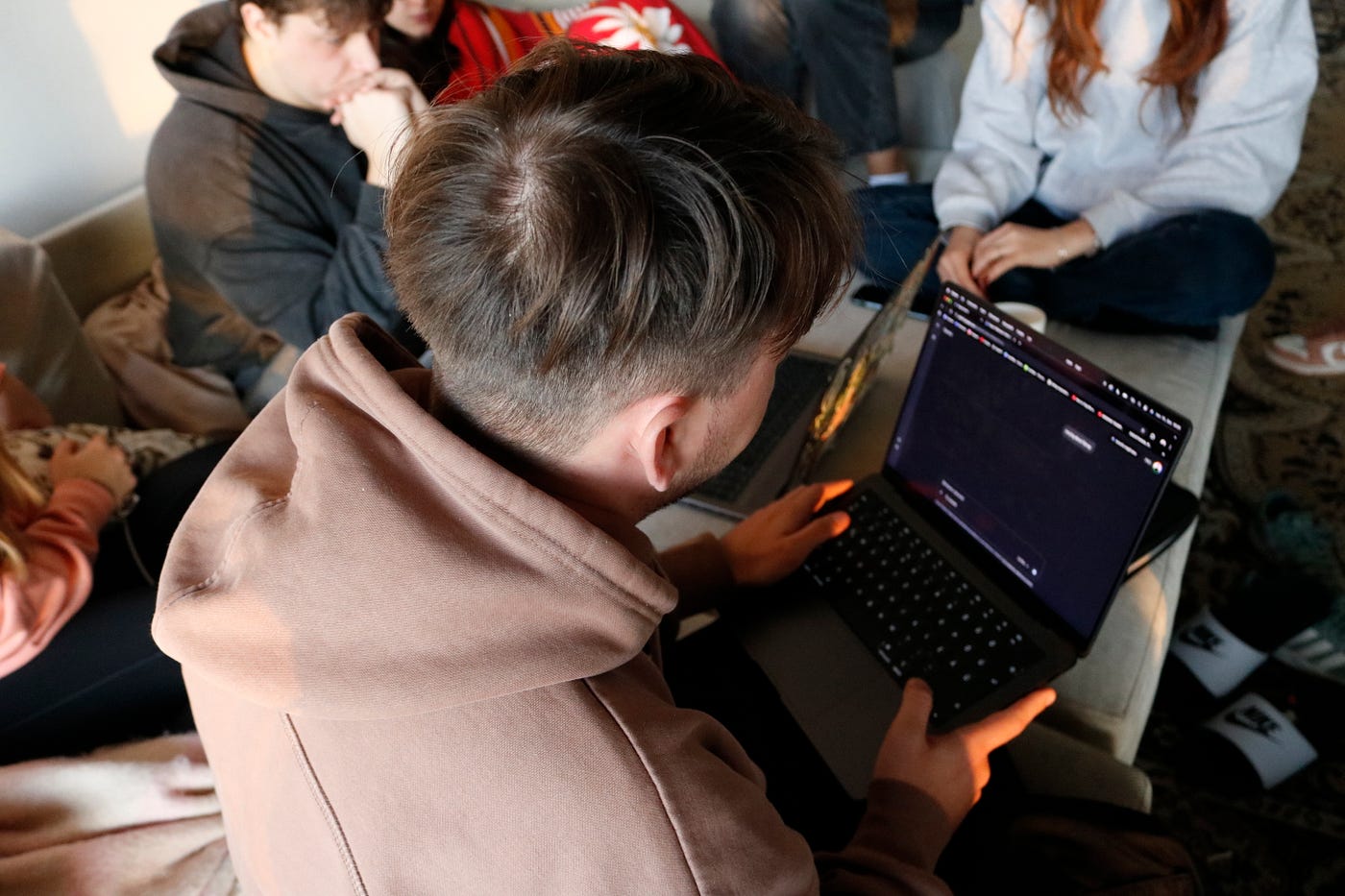
By the closing days the group had moved all the way to the other end. Teams designed their own ideal AI and pitched it in short promotional videos. Some went further and built quick app demos, coding with AI rather than just arguing about it, and presented them to a panel of mock investors. The same young people who had put AI on trial on day three were commissioning it by day seven, and the distance between those two points was the whole education.
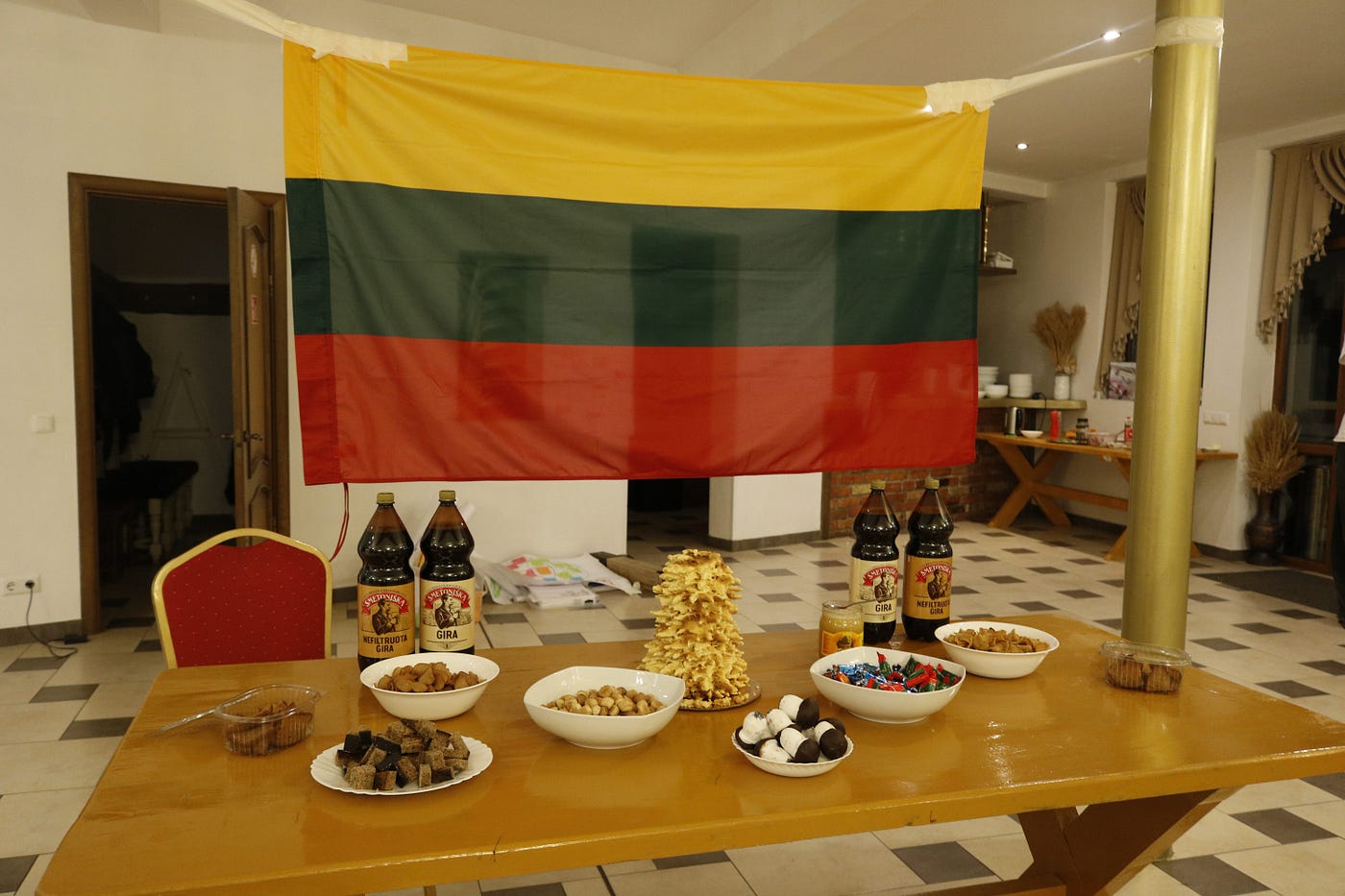
The evenings belonged to the cultural nights, where each country put its food, music and stories on the table, and where the real work of the exchange happened almost by accident. By the last day, the room that had been six separate groups was simply one.
What the participants carried out of Bartninkai was not a position on artificial intelligence. It was a way of holding it: close enough to use well, far enough to keep their own judgement intact.
Read more about this activity at keliaukkadkeistum.org.
메타데이터
- post_id
- 7c6b9f4a10aa
- slug
- plugged-in-erasmus-7c6b9f4a10aa
- url
- https://medium.com/e29-eu/plugged-in-erasmus-7c6b9f4a10aa
- canonical_url
- https://medium.com/e29-eu/plugged-in-erasmus-7c6b9f4a10aa
- author_url
- https://medium.com/@e29.eu
- status
- ok
- fetched_at
- 2026-07-17 19:09:02






