What Is Happening in the Ukraine War Today?
Ukraine’s battlefield momentum is changing, but the war is entering a more dangerous phase.
What Is Happening in the Ukraine War Today?
Ukraine’s battlefield momentum is changing, but the war is entering a more dangerous phase.
Something on the Ukrainian battlefield has shifted.
It is not simply another village changing hands. It is not just another drone exploding over a Russian oil refinery. And it is not another diplomatic statement insisting that peace is still possible.
The deeper change is about momentum.
Russia is still launching massive attacks. Ukraine is still under brutal pressure. Civilians are still being killed. But on the ground, in the air, and increasingly deep inside Russia itself, the war is no longer moving according to the script Moscow appeared to expect.
For months, the central assumption was simple: Russia had more soldiers, more ammunition, more missiles, and more time. Ukraine could resist, perhaps even embarrass the Kremlin with dramatic attacks, but eventually the weight of Russia’s military would grind forward.
Slowly. Painfully. Inevitably.
Today, that assumption looks far less certain.
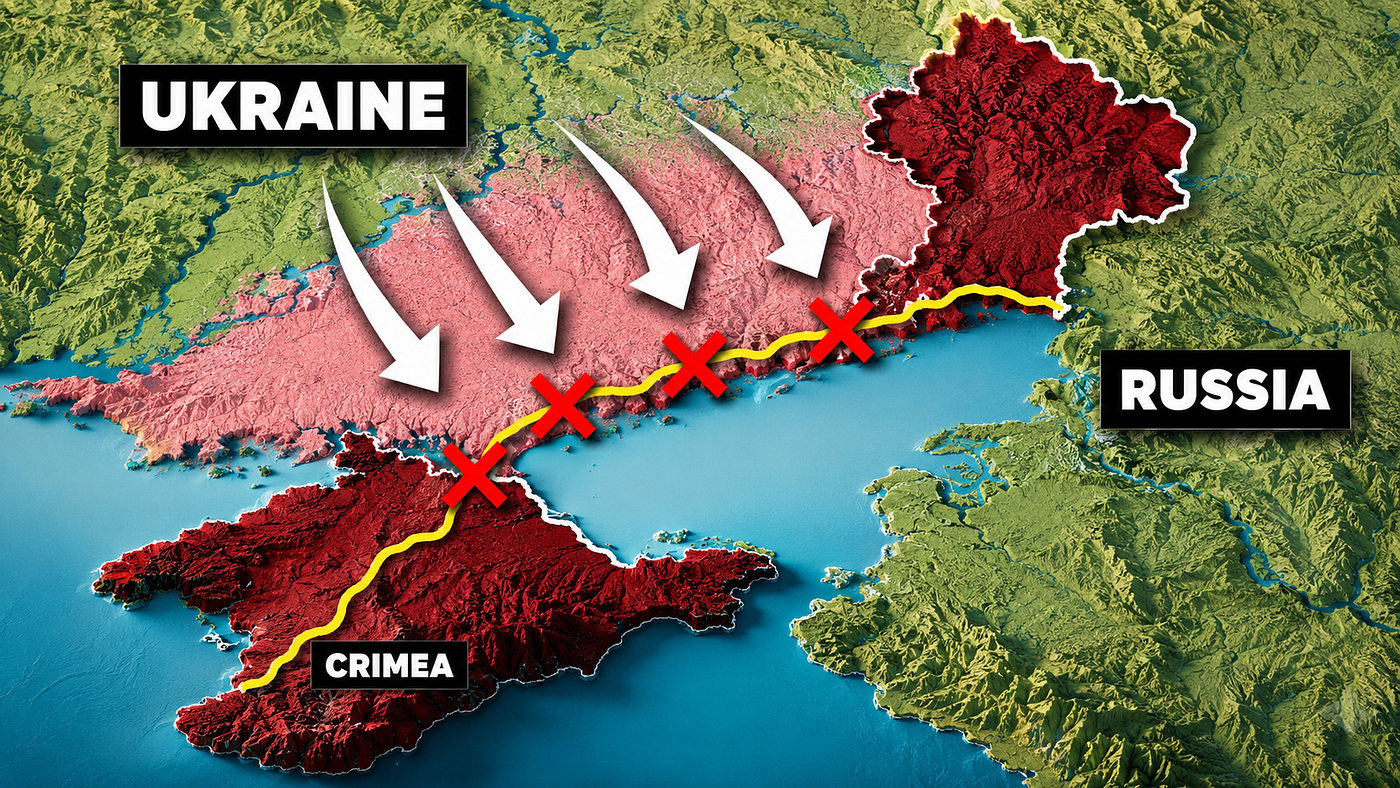
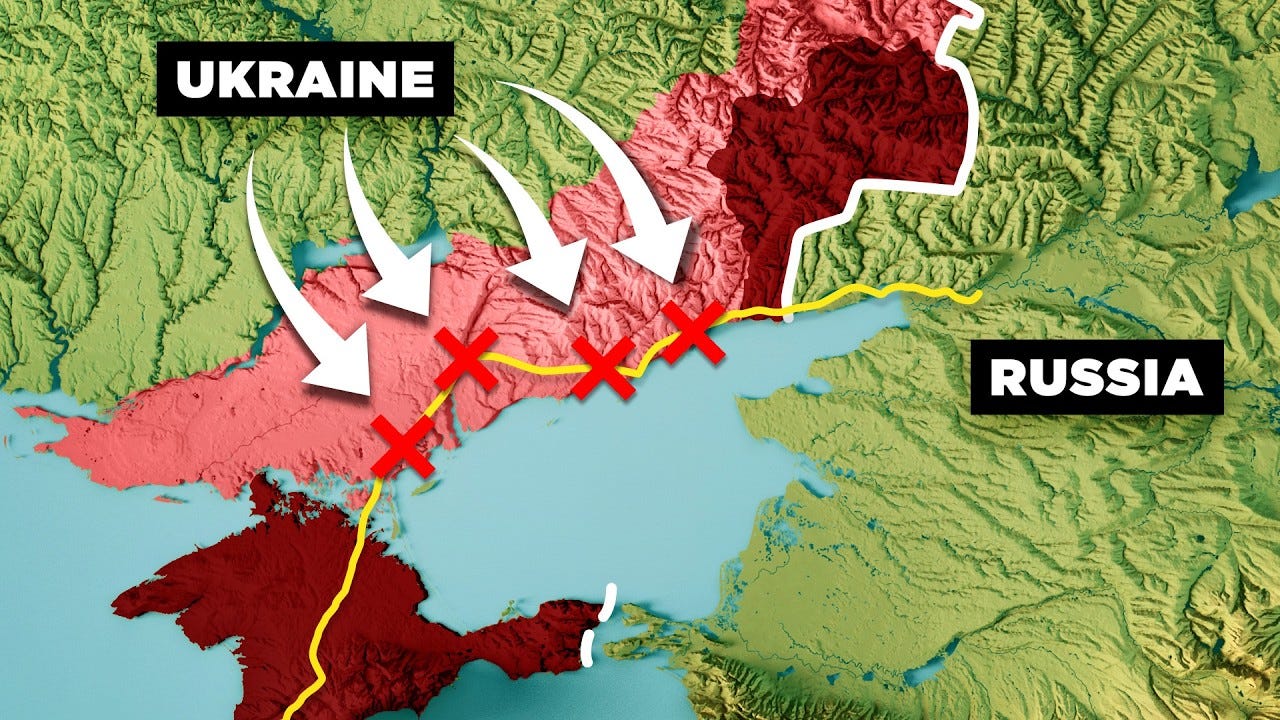
Ukraine says it has recaptured more than 600 square kilometres of territory since the beginning of 2026. That does not mean Russian forces are collapsing. They are not. It does not mean Ukraine is suddenly marching toward a decisive victory. It is not.
But after a long period in which almost every battlefield conversation focused on where Russia might advance next, the map is beginning to raise a different question:
Has Ukraine started taking back the initiative?
Primary Keyword
Ukraine war today
Related Semantic Keywords
- Russia Ukraine war
- Ukraine battlefield momentum
- Ukrainian drone strikes
- Russian offensive
- Ukraine air defense
- Russia oil refineries
- Ukraine counterattacks
- Western support for Ukraine
Russia’s Ground Campaign Is Losing Its Aura of Inevitability
The first major shift is Russia’s growing difficulty on the ground.
Russian forces are still attacking across the long eastern front. They still possess major firepower, and they can concentrate troops around strategically important areas. Yet recent battlefield trends suggest that Moscow’s ground campaign has struggled to produce the kind of breakthrough it needs.
Territory may still be contested house by house, treeline by treeline, and position by position. But Russia has not converted its numerical advantage into a rapid operational collapse of Ukrainian defenses.
That distinction matters.
An army can continue advancing tactically while losing momentum strategically. It can capture a field, a ruined settlement, or a defensive position while spending more troops, vehicles, ammunition, and time than the objective is worth.
On a map, the line moves.
Inside the military system, pressure begins to build.
Ukraine appears to be exploiting that pressure through smaller counterattacks, flexible defensive operations, and an increasingly connected drone network. Instead of launching one enormous, highly visible offensive that Russia can prepare for, Ukrainian forces appear to be probing weak points, contesting local positions, and forcing Russian commanders to react across multiple areas.
This is not the dramatic kind of warfare many people imagine. There may be no single armored column breaking through and racing deep behind enemy lines.
Instead, the battlefield can shift through dozens of limited actions:
- A Russian assault group is detected before it reaches the line.
- An ammunition position is destroyed.
- A command post is struck.
- A supply road is placed under constant drone surveillance.
- Exhausted troops withdraw from a position they can no longer sustain.
One incident means little.
Hundreds of them can alter an entire campaign.
The most important change in the Ukraine war today may not be one dramatic breakthrough, but the steady erosion of Russia’s battlefield rhythm.
Ukraine’s Drone Network Is Changing the Battlefield
The second major change is that the war is becoming less about who owns the largest number of weapons and more about who can connect information to firepower the fastest.
Ukraine has spent years building a combat system around drones.
Small reconnaissance aircraft search for movement. First-person-view drones pursue vehicles and soldiers. Longer-range systems attack command centers, ammunition depots, airfields, factories, and energy infrastructure. Artificial intelligence is increasingly being used to organize battlefield data, analyze threats, and help commanders make decisions across a front stretching roughly 1,200 kilometres.
The result is a battlefield where movement itself becomes dangerous.
A vehicle does not need to be destroyed by artillery fired from kilometres away. It can be detected by one drone, tracked by another, and attacked by a third.
A group of soldiers may believe it is concealed inside a building, only to discover that thermal cameras have already identified the position.
A supply convoy may survive the first strike, only to be followed until it reaches the larger depot it was trying to resupply.
This creates what soldiers often describe as an expanding kill zone.
The closer a unit moves toward the front, the harder it becomes to hide. Yet the danger no longer stops at the front. Drone range is increasing, communication networks are improving, and targets once considered safely behind Russian lines are now vulnerable.
That vulnerability now extends far beyond occupied Ukraine.
Ukrainian Drone Strikes Are Reaching Deeper Into Russia
Kyiv has intensified attacks against Russian oil refineries, fuel facilities, industrial plants, and military infrastructure.
These strikes are not random acts of retaliation. They are part of a broader effort to attack the system that keeps Russia’s war running.
Every modern military depends on fuel.
Tanks need it. Aircraft need it. Trucks transporting ammunition need it. Factories producing weapons consume enormous amounts of energy. The state also depends on oil revenue to finance military spending, pay soldiers, replace equipment, and soften the economic cost of a long war.
Ukraine cannot match Russia barrel for barrel or factory for factory.
So it is trying to impose a different equation: make Russia’s enormous energy network increasingly expensive to defend, repair, and operate.
The International Energy Agency reported that Russian crude production in May fell to around 8.7 million barrels per day, roughly 10 percent below the monthly target, with intensified Ukrainian attacks contributing to disruptions. Ukrainian drone strikes against energy infrastructure have reportedly increased sharply since the beginning of the year.
That does not mean Russia’s oil industry has been destroyed.
Far from it.
Russia remains one of the world’s largest energy producers, and its exports continue generating substantial revenue. But Ukraine does not need to eliminate the entire system to produce strategic effects.
It only needs to create uncertainty.
Which refinery will be attacked next? How many air-defense systems must be pulled away from military zones to protect energy sites? How much does each shutdown cost? How many specialized components are required for repairs? How much more complicated does insurance, transportation, and production planning become when drones can arrive hundreds of kilometres from the front?
These are not dramatic questions.
But wars are often decided by unglamorous problems accumulating faster than a government can solve them.
Ukraine’s long-range drone campaign is not just about destruction. It is about forcing Russia to defend more places, spend more money, and absorb more uncertainty.
Russia’s Air War Is Still Devastating
Russia’s response has been brutal and increasingly focused on long-range attacks.
Unable to secure the decisive ground breakthrough it wants, Moscow has launched huge waves of missiles and drones against Ukrainian cities, energy facilities, military positions, and other targets.
Kyiv, Kharkiv, Dnipro, Sumy, Zaporizhzhia, and numerous smaller communities have faced repeated attacks. Homes have been destroyed. Rescue workers have been killed. Historic and religious sites have been damaged. Families have once again spent nights underground, listening as air-defense weapons and explosions echoed above them.
This is the grim contradiction at the center of the Ukraine war today.
Ukraine may be improving its position in certain areas, but the civilian cost remains enormous.
Russia’s inability to advance quickly on the ground does not make it harmless. In some ways, it may encourage Moscow to rely even more heavily on long-range bombardment.
Missiles and one-way attack drones allow Russia to strike far beyond the trenches. They force Ukraine to spend scarce interceptors. They damage electricity generation and transmission infrastructure. They create fear inside cities that may be hundreds of kilometres away from the nearest Russian soldier.
The arithmetic is cruel.
A relatively inexpensive attack drone can force Ukraine to launch a much more expensive interceptor. Even when most incoming weapons are destroyed, the few that penetrate can cause severe damage.
As the waves grow larger, Ukrainian air-defense crews must make impossible decisions about which targets to protect and which threats to prioritize.
Why Western Support for Ukraine Still Matters
This is why renewed promises from the G7 matter.
At the latest summit in France, G7 leaders pledged continued support for Ukraine, stronger pressure on Russia’s war economy, and additional help for Ukrainian air defenses. President Volodymyr Zelenskyy said allies had promised assistance as Ukraine faces shortages of vital interceptor missiles, including ammunition for Patriot systems.
There is also discussion about helping Ukraine manufacture more Western-designed weapons itself.
That could be significant.
Sending weapons from foreign stockpiles is slow, politically vulnerable, and limited by what donor countries are prepared to surrender. Building more of those weapons in or for Ukraine could create a more durable supply system.
But promises made at international summits do not immediately stop missiles.
The real test is delivery:
- How many systems actually arrive?
- How quickly does ammunition reach Ukrainian crews?
- Are Western governments willing to sustain production over years rather than months?
- Can Ukraine maintain its air defenses while also supporting its ground forces?
- Will political unity survive the pressure of a long war?
Ukraine’s battlefield momentum could disappear if its air defenses weaken, its funding declines, or its supply of ammunition becomes unreliable.
Russia understands that.
Moscow’s strategy has always relied partly on endurance. The Kremlin does not necessarily need every offensive to succeed. It needs to believe that Russia can absorb setbacks longer than Ukraine and its partners can remain united.
Every political disagreement in Europe, every delay in Washington, and every competing international crisis creates an opportunity for Russia to wait.
The Diplomatic Picture Is Also Shifting
The diplomatic picture is changing too.
G7 leaders have presented a more unified position in support of Ukraine and discussed increasing pressure on Russia’s oil and gas sectors. There are also signs that the United States is taking a harder view of Moscow’s actions and a more favorable view of Ukraine’s current position.
That does not guarantee a dramatic policy transformation.
Political positions can change quickly, especially when governments are balancing economic pressure, energy prices, domestic opinion, and competing global conflicts. But Ukraine enters this diplomatic moment with something it desperately needed: evidence that Russian victory is not inevitable.
That evidence changes negotiations.
Peace talks do not occur in isolation from the battlefield. Every kilometre, destroyed refinery, intercepted missile, exhausted brigade, and delayed weapons shipment influences what each side believes it can demand.
If Russia believes time guarantees victory, it has little reason to compromise.
If Ukraine’s partners believe defeat is unavoidable, they may pressure Kyiv to accept painful terms.
But when the battlefield becomes uncertain, political calculations become uncertain too.
That may be the dangerous turn.
Not because the war is about to end, but because both sides may now believe they can improve their positions before serious negotiations begin.
Ukraine sees opportunities to regain territory, damage Russia’s economy, and secure stronger Western support.
Russia may believe larger aerial attacks, greater mobilization, and pressure on Ukraine’s cities can reverse that momentum.
When two sides both believe the next phase could strengthen their hand, violence often intensifies.
So, What Is Happening in the Ukraine War Today?
Ukraine appears to have recovered a degree of battlefield initiative.
Its forces have reported meaningful territorial gains. Its drone campaign is reaching deeper into Russia and imposing measurable pressure on energy infrastructure. Western leaders are again discussing stronger military support and tougher economic measures against Moscow.
At the same time, Russia remains capable of launching massive attacks, causing heavy civilian casualties, damaging Ukraine’s energy system, and sustaining pressure across a vast front.
It still possesses greater manpower and industrial depth. It has not abandoned its objectives, and there is no clear evidence that the Kremlin is preparing to accept defeat.
This is not a clean turning point.
Wars rarely provide those.
It is something more complicated: a moment when the old assumptions have stopped working, but the new balance has not yet fully emerged.
Russia is no longer advancing with the aura of inevitability it once tried to project. Ukraine is no longer fighting only to prevent the situation from getting worse. Yet neither side has achieved enough to end the conflict on its own terms.
The war has entered a dangerous middle phase: Ukraine has regained initiative in key areas, but Russia still has the power to escalate, punish, and endure.
Pull Quote
“Russia is no longer advancing with inevitability, but Ukraine has not yet secured enough momentum to end the war on its own terms.”
The Next Phase Could Be More Dangerous
The next phase of the Russia Ukraine war will depend on three major questions.
First, can Ukraine convert local gains and deep strikes into lasting strategic pressure?
Second, can Russia restore momentum through manpower, missiles, and airpower?
Third, will Ukraine’s allies deliver enough support before the battlefield shifts again?
Right now, the most dangerous thing about this war is not that one side is clearly winning.
It is that both sides still believe they can.
That belief may keep the war burning longer. It may make the next round of attacks larger. It may push both Ukraine and Russia to take greater risks before any serious negotiation becomes possible.
The Ukraine war today is not defined by a single decisive breakthrough. It is defined by a changing balance of pressure.
Ukraine is no longer simply absorbing the war. It is reaching deeper, striking smarter, and forcing Russia to defend more of its own system. But Russia remains dangerous, heavily armed, and willing to impose massive costs.
That is why this moment matters.
The old story was that Russia’s advantage would eventually grind Ukraine down.
The new question is whether Ukraine can turn Russia’s size into a burden before Moscow turns its endurance into victory.
Follow ABOVE MILITARY SHOW for more clear, battlefield-focused breakdowns on the Ukraine war, Russia’s military strategy, and the global decisions shaping what happens next.
Why Russia is suddenly Losing in Ukraine
메타데이터
- post_id
- 8872f3018bd6
- slug
- what-is-happening-in-the-ukraine-war-today-8872f3018bd6
- url
- https://medium.com/@abovemilitaryshow/what-is-happening-in-the-ukraine-war-today-8872f3018bd6
- canonical_url
- https://medium.com/@abovemilitaryshow/what-is-happening-in-the-ukraine-war-today-8872f3018bd6
- author_url
- https://medium.com/@abovemilitaryshow
- status
- ok
- fetched_at
- 2026-07-08 09:05:23