How Sustainable Plastics Are Reshaping the Plastics Value Chain
The plastics industry is at a transformative crossroads. Once defined by linear “take-make-dispose” models, it’s now being reimagined…
How Sustainable Plastics Are Reshaping the Plastics Value Chain
The plastics industry is at a transformative crossroads. Once defined by linear “take-make-dispose” models, it’s now being reimagined through the lens of **sustainable plastics**, materials and technologies that close the loop, reduce environmental footprints, and unlock new business opportunities. As global pressures for circularity and decarbonization mount, sustainable plastics are emerging not just as an environmental imperative but as a powerful lever for innovation, competitiveness, and growth.
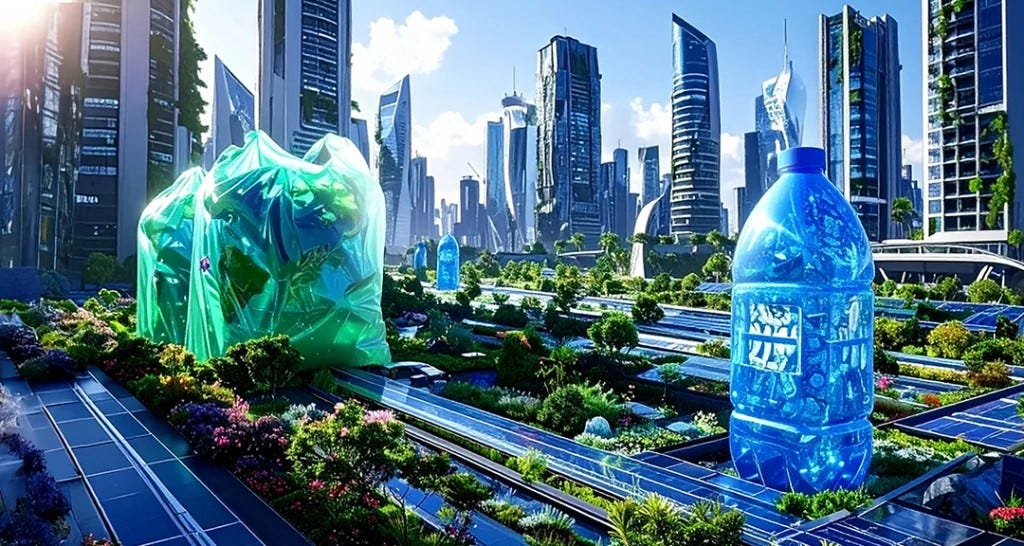
The Imperative for Change
Plastics have been integral to modern life, enabling lightweight packaging, durable consumer goods, and efficient transportation. But their environmental cost has become undeniable. Massive volumes of plastic waste end up in landfills or oceans, while virgin plastic production continues to emit substantial greenhouse gases. Governments, consumers, and industries alike are demanding sustainable alternatives, pushing companies to rethink how plastics are produced, used, and recycled.
This shift is accelerating due to three converging trends:
- Regulatory pressure — Stricter global rules are limiting single-use plastics and mandating recycled content.
- Consumer demand — Shoppers are increasingly aware of sustainability and prefer brands aligned with environmental values.
- Technological innovation — Breakthroughs in chemical recycling and CO₂ utilization are making sustainable plastics commercially viable.
For forward-looking organizations, these forces represent a unique opportunity to redefine their role in the plastics value chain.
From Challenge to Opportunity: A Strategic Case
One leading OEM recognized this opportunity early. Despite being an established player in the chemicals domain, their growth ambitions required entering a niche but rapidly evolving sustainable plastics market. Their challenge wasn’t just technological — it was strategic. How could they leverage their strengths to build a competitive advantage in this new arena?
By partnering with a specialized R&D and business intelligence team, they embarked on a journey to explore sustainable plastics as a growth vector. The focus was on chemical recycling technologies and CO₂-based feedstocks — two pillars that can radically reshape how plastics are made and reused.
Through in-depth market and patent landscape studies, the team identified white spaces, evaluated competitive positioning, and assessed emerging business models. This research illuminated where value pools were shifting and how the company could position itself to capture them.
Chemical Recycling: Closing the Loop
Unlike mechanical recycling, which typically downgrades material quality, chemical recycling breaks plastics back into their molecular building blocks. This allows for high-quality recycled outputs that can be used in demanding applications, such as food-grade packaging or engineering plastics. More importantly, chemical recycling can process mixed and contaminated waste streams that would otherwise be incinerated or landfilled.
The OEM’s exploration revealed promising innovations across pyrolysis, depolymerization, and gasification technologies. By strategically investing in select pathways, they could:
- Tap into circular raw material streams, reducing dependency on virgin petrochemicals.
- Align with regulatory mandates for recycled content.
- Differentiate through high-performance sustainable materials.
This approach positioned chemical recycling not merely as a compliance necessity but as a value creation engine.
CO₂ Utilization: Turning Emissions into Resources
Another game-changing frontier was CO₂-based plastics. By capturing carbon dioxide emissions and converting them into polymer building blocks, companies can create materials with a lower carbon footprint while addressing climate goals.
The OEM’s innovation team identified emerging players and technologies capable of integrating CO₂ into polycarbonates, polyurethanes, and other polymer families. This not only helps decarbonize their operations but also enables the creation of novel, high-performance materials with unique properties.
Such technologies are still maturing, but early-mover advantages in this space can be significant. By securing IP positions, forging strategic alliances, and co-developing solutions with technology providers, the OEM could establish itself as a frontrunner in sustainable plastics.
Reshaping the Value Chain
These strategic moves collectively reshaped how the company engaged with the plastics value chain. Instead of relying on a linear flow from fossil feedstocks to products to waste, the new model emphasized circularity and carbon efficiency:
- Upstream: Integration of chemical recycling and CO₂-based feedstocks reduced raw material emissions.
- Midstream: Development of sustainable polymer grades enabled high-performance applications.
- Downstream: Enhanced recyclability and take-back programs closed the loop with end users.
This holistic approach also unlocked new revenue streams — such as licensing technologies, offering recycled material grades, and participating in circular ecosystems.
Enabling Competitive Advantage
Sustainable plastics are not just about environmental responsibility — they’re a strategic differentiator. By embracing advanced recycling and CO₂ utilization, companies can:
- Secure regulatory compliance ahead of competitors.
- Access premium market segments demanding sustainable materials.
- Build partnerships across the value chain, from waste collectors to brands.
- Protect their IP and innovation lead in an evolving landscape.
For the OEM, this translated into accelerated entry into new markets, enhanced brand reputation, and long-term competitive positioning in a rapidly decarbonizing world.
The Road Ahead
The transformation of the plastics industry is far from complete. Scaling sustainable plastics will require coordinated action — investment in infrastructure, supportive policies, technological breakthroughs, and consumer engagement. But the trajectory is clear: companies that lead today will define tomorrow’s value chains.
Sustainable plastics are no longer a niche concept. They are central to how industries will innovate, compete, and thrive in a resource-constrained, climate-conscious future. The organizations that see this shift not as a challenge but as an opportunity are the ones that will shape the next era of materials innovation.
메타데이터
- post_id
- 8f88b2dd82f9
- slug
- how-sustainable-plastics-are-reshaping-the-plastics-value-chain-8f88b2dd82f9
- url
- https://medium.com/@mohit_90438/how-sustainable-plastics-are-reshaping-the-plastics-value-chain-8f88b2dd82f9
- canonical_url
- https://medium.com/@mohit_90438/how-sustainable-plastics-are-reshaping-the-plastics-value-chain-8f88b2dd82f9
- author_url
- https://medium.com/@mohit_90438
- status
- ok
- fetched_at
- 2026-07-13 06:23:13