How Packaging Machines Changed The Speed Of Our Daily Operations
When our business first started growing, most of our packaging process was handled manually. Packing products, sealing bags, organising…
How Packaging Machines Changed The Speed Of Our Daily Operations
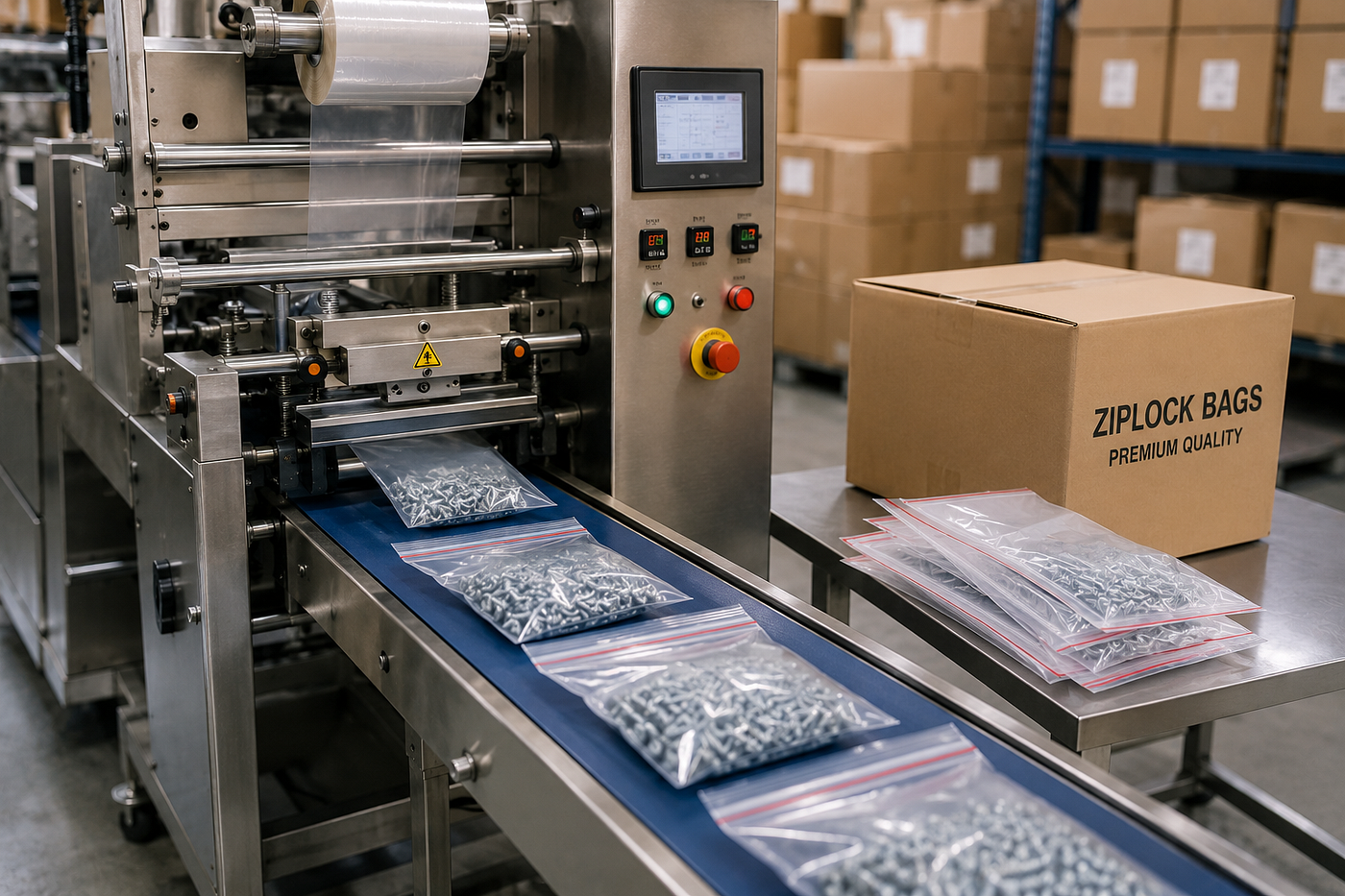
When our business first started growing, most of our packaging process was handled manually. Packing products, sealing bags, organising shipments, and preparing dispatches were all done one package at a time. Even smaller packaging materials like **ziplock bags** were being packed and sealed manually during daily operations, which slowly started consuming far more time than we initially realised.
At smaller order volumes, this system worked reasonably well. But once daily shipments increased, the manual process started creating delays everywhere. Packing teams spent extra time sealing products, correcting mistakes, and managing inconsistent packaging quality during dispatch.
At first, we thought we simply needed more manpower. But after observing operations closely, we realised the bigger issue was workflow efficiency.
Manual Packaging Started Slowing Down Operations
As order volumes increased further, even small delays started affecting overall productivity. Some packages were sealed unevenly, packing speed varied between teams, and dispatch timelines became harder to manage during peak periods.
The more products we handled every day, the clearer it became that manual packaging systems were not sustainable for long-term growth.
Warehouse teams also became exhausted faster because repetitive packing tasks required constant manual effort throughout the day. During high-volume dispatch periods, maintaining consistency became extremely difficult.
That was when we seriously started exploring packaging machines and automation support.
Why We Decided To Upgrade Our Packaging Process
Initially, we hesitated because packaging machines felt like a major operational investment. We assumed automation was only necessary for very large factories or industrial setups.
But once we calculated the amount of time lost during manual packing every day, the decision started making much more sense.
Packaging delays were slowing dispatch operations, increasing labour dependency, and affecting shipment consistency. We realised that improving workflow efficiency would actually help operations become more stable instead of simply faster.
The goal was not to replace people. It was reducing repetitive manual work so teams could handle larger order volumes more efficiently.
How Dhwani Polyprints Helped Us Understand Better Packaging Systems
While improving our packaging workflow, we also started paying closer attention to packaging quality itself.
That was when we began working with **Dhwani Polyprints** for stronger and more reliable packaging materials. What stood out immediately was how much easier good packaging materials became to handle during machine-assisted operations.
Poor-quality packaging often creates issues during automated sealing and handling because inconsistent material thickness or weak sealing areas can interrupt the workflow. Once we switched to better-quality packaging materials, the overall packing process became much smoother and more consistent.
It helped us understand that packaging machines and packaging quality actually work together closely in real operational environments.
Packaging Machines Reduced Small Daily Delays
One thing we underestimated was how many small delays happen during manual packaging.
Teams constantly stop to adjust packaging, reseal products, fix alignment issues, or manage inconsistent sealing quality. Individually, these interruptions seem minor, but over hundreds or thousands of packages, they slow operations significantly.
Once packaging machines became part of the workflow, many of these repetitive interruptions naturally reduced.
The sealing process became faster, packaging consistency improved, and dispatch preparation became more organised overall. Even warehouse coordination improved because teams could process shipments more predictably every day.
Consistency Became Much Easier To Maintain
Before upgrading our systems, packaging quality often varied depending on workload pressure or shift timing. During busy periods, some packages looked perfect while others appeared rushed or inconsistently sealed.
Packaging machines helped standardise much of this process.
The packages started looking more uniform, professionally sealed, and operationally cleaner. This consistency mattered not only internally but also from a customer perspective because properly packed shipments automatically create a stronger impression.
It also reduced packaging-related errors that previously required rechecking or repacking during dispatch.
Faster Packaging Improved Warehouse Efficiency
Another unexpected benefit was improved warehouse organisation.
Earlier, dispatch teams frequently faced bottlenecks because manual packing speed varied throughout the day. Some shipments were delayed simply because packaging preparation could not keep up with dispatch timelines.
Once packaging operations became more structured, shipment flow improved significantly. Products moved faster between storage, packing, and dispatch stages without creating unnecessary congestion inside the warehouse.
Operationally, the environment became much calmer and easier to manage.
Automation Did Not Replace Human Work
One misconception we initially had was that packaging machines would completely replace manual work. In reality, they simply helped teams work more efficiently.
Warehouse staff could now focus more on quality checks, inventory handling, and shipment coordination instead of spending hours performing repetitive sealing tasks manually.
The machines handled repetitive workflow while teams managed operational oversight much more effectively. This actually improved productivity without making operations feel overly mechanical or rigid.
Better Packaging Systems Help Businesses Scale
Looking back, improving our packaging systems was one of the more important operational decisions we made.
As businesses grow, packaging eventually becomes much more than just a dispatch requirement. It directly affects workflow speed, operational consistency, labour efficiency, and customer experience.
The stronger our packaging systems became, the easier it became to manage growing shipment volumes without creating operational chaos.
Why Packaging Efficiency Matters
Today, we view packaging as an important operational system rather than simply a final shipping step.
Good packaging materials, organised workflows, and efficient packaging machines together create smoother business operations overall. Even small improvements in packaging efficiency can create major long-term operational benefits once shipment volumes start scaling.
The biggest lesson we learned was simple: when packaging systems improve, almost every part of warehouse operations becomes easier to manage consistently.
메타데이터
- post_id
- aa48a7cbc3e4
- slug
- how-packaging-machines-changed-the-speed-of-our-daily-operations-aa48a7cbc3e4
- url
- https://medium.com/@midlifearun/how-packaging-machines-changed-the-speed-of-our-daily-operations-aa48a7cbc3e4
- canonical_url
- https://medium.com/@midlifearun/how-packaging-machines-changed-the-speed-of-our-daily-operations-aa48a7cbc3e4
- author_url
- https://medium.com/@midlifearun
- status
- ok
- fetched_at
- 2026-08-05 20:41:07