When I Don’t Know Exactly Who I’m Writing For
I keep writing, yet something always feels missing
When I Don’t Know Exactly Who I’m Writing For
I keep writing, yet something always feels missing
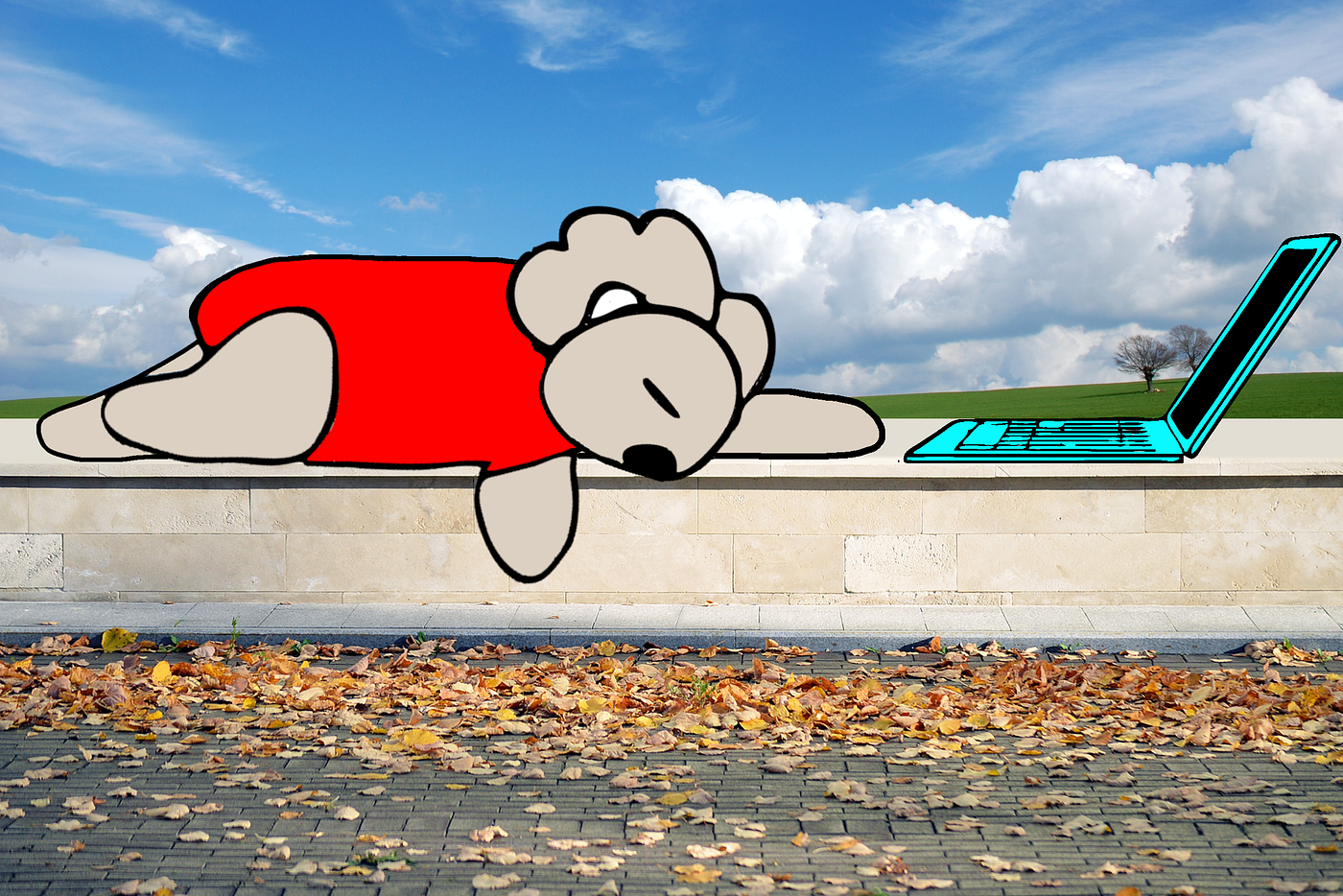
Photo by Bekky Bekks on Unsplash
I feel good when I write and express myself through words. They carry an extended version of who I am.
My words reveal my thoughts, perspectives, assumptions, and the way I relate to ideas. They hold my experiences, my questions, and the quiet observations I often don’t express in everyday conversations.
But do you know what?
All these days, I never realised that I was missing something.
Whom am I writing the piece for? How is it meant for just one person or a particular group of people, rather than for everyone?
If I could understand their questions, address their concerns, or help solve even one of their problems, my writing would become far more meaningful.
It would no longer be about saying what I wanted to say; rather, it would be about giving someone a reason to keep reading.
I write about the challenges beginners face in their writing journey, what I’ve learned from publishing one article every day for the last 400 consecutive days, the experiences and emotions that have shaped who I am today, the mistakes I made in my career and the reasons I chose to commit to a daily writing practice.
I wrote them without giving much thought to whether they would truly help someone or resonate with a particular group of people.
The only thing I believed was that if an article was helpful in some way, it would naturally find its readers. I was wrong.
But there’s one thing I’m grateful for: if I hadn’t started writing in the first place, I probably would never have come to this realisation.
Every article I published, even without a clearly defined audience, brought me one step closer to understanding what my writing was missing.
I believe that matters more than getting everything right from the beginning. You don’t need all your questions to be answered in the first day, the first week, or even the first month.
You need to give your writing the time and space to find its own direction. As you keep showing up, writing, reflecting, and learning, many of the answers reveal themselves naturally.
The missing piece was understanding the reader:
I call it the invisible reader problem. I was writing consistently. I was publishing regularly. But one question kept following me:
Take this article, for example.
Who am I writing it for?
I’m writing it for people who still don’t write with one specific reader in mind, someone carrying a particular problem, question, or struggle. They aren’t short of ideas. They simply haven’t learned to picture the person on the other side of the table.
My 400-day writing journey taught me it could never have happened on day one.
Every day, I sat down to write about an idea that had caught my attention. I tried to explain it, support it with examples, and convince the reader that it was worth thinking about.
But who was that reader?
For a long time, I couldn’t answer that question.
As a beginner, I was simply writing about my own struggles, observations, and tiny wins, if there were any. I was documenting the very problems I was trying to solve myself. At least, it helped me to get clarity on those problems that I was facing.
More often than not, I was writing just enough to fill two or three pages, hoping they would make sense to someone.
Only later did I realise that the reader I was searching for had been there all along. It was someone who was a few steps behind me. Someone facing the same doubts, asking the same questions and looking for a guide that I needed once.
Writing became more meaningful when you focused on helping someone.
More than anyone else, it helped me first.
Writing each day helped me to understand the topic from different perspectives before I could explain it to someone else. Every article became an exercise in asking myself a few important questions:
- Why do I want to write about this?
- Why does this topic matter to me?
- How has it found a place in my life?
- What have I learned from it?
- Who might benefit from reading it?
- How can it make even a small difference to someone else’s life?
The answers to these questions gradually shaped my articles. It took me a bit closer every time I thought about them right before writing my piece.
Don’t feel left out if you still can’t picture a specific person while you’re writing. It develops gradually as you keep writing, reflecting, and paying attention to the people who connect with your words. Because you get to understand they are your ideal readers and not a whole lot.
메타데이터
- post_id
- b321bb401d0a
- slug
- when-i-dont-know-exactly-who-i-m-writing-for-b321bb401d0a
- url
- https://medium.com/the-daily-draft/when-i-dont-know-exactly-who-i-m-writing-for-b321bb401d0a
- canonical_url
- https://medium.com/the-daily-draft/when-i-dont-know-exactly-who-i-m-writing-for-b321bb401d0a
- author_url
- https://medium.com/@biswarupa-mohapatra
- status
- ok
- fetched_at
- 2026-07-16 07:28:04