How to Choose Between ED Treatments: A Decision Guide for UK Men
Previous articles on this site examined nitric oxide’s role in erection quality and the relationship between premature ejaculation and…
How to Choose Between ED Treatments: A Decision Guide for UK Men

Previous articles on this site examined nitric oxide’s role in erection quality and the relationship between premature ejaculation and P-Shot therapy. This guide builds on that clinical foundation. It sets out a structured framework for comparing erectile dysfunction (ED) treatments available across the UK. Treatment choice should depend on clinical cause, evidence quality, and personal circumstances, not on marketing claims. The sections below follow NHS and NICE-aligned classifications, alongside peer-reviewed evidence on regenerative options, including P shot London treatment.
Erectile Dysfunction in the UK: Scope and Definition
The NHS defines erectile dysfunction as a persistent inability to achieve or maintain an erection sufficient for satisfactory intercourse. Around half of men aged 40 to 70 experience some degree of ED. Causes include vascular disease, diabetes, hormonal imbalance, neurological conditions, and psychological factors. Certain medications also contribute to ED. The condition can signal underlying cardiovascular disease in some men. Men experiencing new or worsening symptoms should seek GP assessment first, before considering private options such as those offered at P shot London clinics.
Diagnostic Assessment Before Treatment Selection
Treatment selection should follow proper diagnostic assessment, not symptom self-management. GPs typically review cardiovascular risk factors, blood pressure, and glucose levels. Hormonal blood tests can identify low testosterone as a contributing cause. A previous article on this site discussed nitric oxide’s role in erection quality, since impaired nitric oxide signalling affects vascular response during arousal. Assessment may also include the International Index of Erectile Function (IIEF) questionnaire to establish baseline severity. This baseline allows clinicians to measure treatment response objectively, whether through PDE5 inhibitors, mechanical devices, or PRP-based regenerative therapy for ED. Skipping diagnostic assessment risks treating a symptom while missing an underlying cardiovascular or hormonal cause. A structured assessment also helps clinicians set realistic expectations before any treatment begins, including regenerative options that remain under active research.
The UK Treatment Hierarchy: Four Tiers
UK clinicians generally approach ED treatment in stages. Each tier reflects different levels of invasiveness, evidence strength, and NHS availability. Understanding this hierarchy helps men evaluate where regenerative options, including the P-Shot, fit within established practice.
Tier 1: Oral PDE5 Inhibitors
NICE-aligned guidance positions phosphodiesterase type 5 (PDE5) inhibitors as first-line treatment for ED. Sildenafil and tadalafil fall within this category. These medicines increase blood flow to the penis during sexual stimulation. PDE5 inhibitors block the enzyme that breaks down cyclic GMP, prolonging the smooth muscle relaxation responsible for erection. This mechanism connects directly to nitric oxide signalling pathways discussed in earlier content on this site. PDE5 inhibitors succeed in approximately 60 to 70 per cent of men. Up to 40 per cent of men do not achieve a satisfactory response to PDE5 inhibitors. These medicines are unsuitable for men taking nitrate medication. The NHS funds PDE5 inhibitors fully only for men with specific underlying conditions, including diabetes, multiple sclerosis, and prostate cancer treatment. Other men can access a private prescription through their GP.
Tier 2: Mechanical and Injectable Options
Men who do not respond to PDE5 inhibitors have several further options. Vacuum erection devices draw blood into the penis using controlled suction. NHS sources report success rates of up to 90 per cent for producing a usable erection. Intracavernosal alprostadil injections deliver a vasodilator directly into penile tissue. This differs from PRP-based penile injection therapy, which uses the patient’s own blood rather than a pharmaceutical agent. Urethral application places a small pellet of alprostadil inside the urethra as an alternative method. Vacuum devices and alprostadil injections carry their own safety profile. Side effects from alprostadil may include penile pain, bruising, or a prolonged erection known as priapism, which requires urgent medical attention. Clinicians typically discuss these practical demands before recommending mechanical or injectable alternatives to oral medication.
Tier 3: Surgical Implants
Surgery represents the final treatment tier within NHS pathways. The NHS reserves penile implants for men who have exhausted other options. Younger men with significant pelvic injury may also qualify. Surgeons typically reserve this option for men who have tried and failed conservative treatments over a reasonable period. Around three-quarters of men report satisfaction following implant surgery. Infection risk sits at two to three per cent when preventative antibiotics are used. Mechanical failure occurs in approximately five per cent of cases within five years. Recovery involves several weeks of restricted activity. Implants are not usually available on the NHS for general ED cases, and private surgical costs are typically substantial.
Tier 4: Regenerative PRP-Based Therapy
Regenerative treatments occupy a newer category alongside the established tiers above. This category includes platelet-rich plasma (PRP) injections, marketed under several names.
Understanding P Shot London Treatment
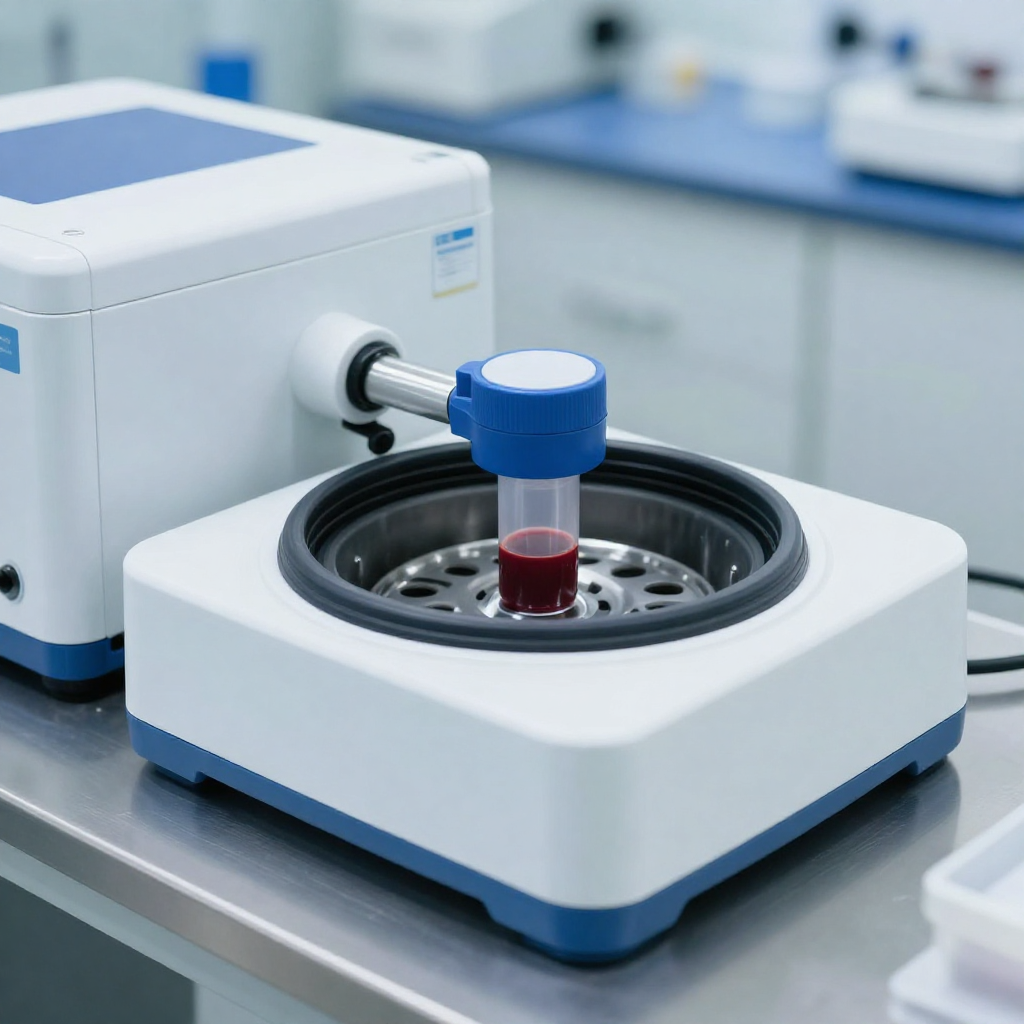
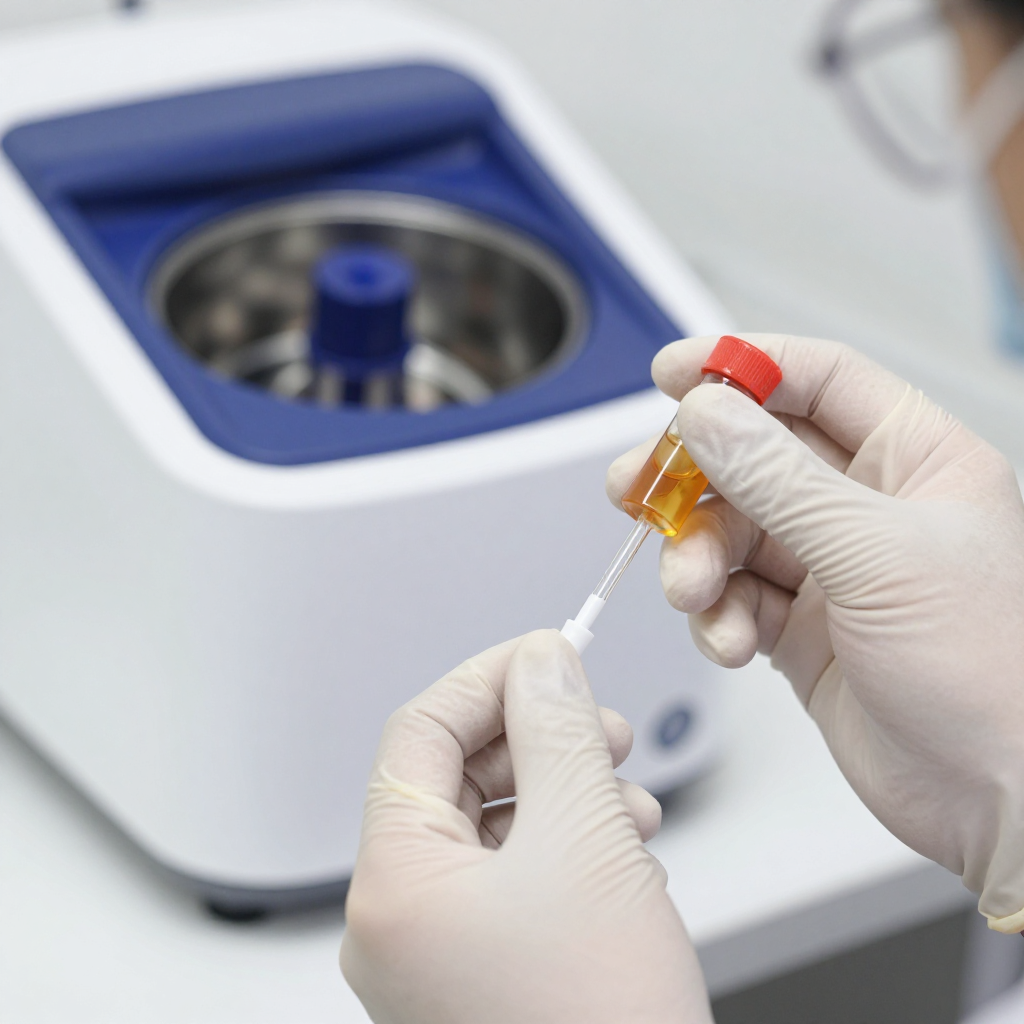
The P-Shot, also known as the Priapus shot, P shot, Pshot, or penis shot, is a PRP-based injection procedure. Clinicians draw a small blood sample and separate platelet-rich plasma using a centrifuge, then inject the PRP into specific penile tissue. Providers market this as a non-surgical treatment for erectile dysfunction in London and across the wider P shot UK market. The procedure uses the patient’s own blood, which providers describe as a natural ED treatment using PRP therapy. It forms part of a broader category that includes PRP therapy for men’s performance issues and regenerative treatment for male health in the UK.
PRP-Based Regenerative Therapy for ED: What the Evidence Shows
Systematic reviews published in peer-reviewed journals describe PRP-based regenerative therapy for ED as a developing field. A 2023 review in Sexual Medicine Reviews found promising preclinical data but limited clinical evidence in human patients. A 2024 systematic review covering 1,099 patients across ED and Peyronie’s disease reported small to moderate benefits, with mild and transient side effects and no major adverse events. Meta-analyses show measurable improvements in erectile function scores at one, three, and six months after treatment. A more recent meta-analysis focused on vasculogenic ED reported significant short-term improvement after one month, with around 80 per cent of previously unresponsive patients regaining response to PDE5 inhibitors, alongside an average seven-point increase in IIEF-5 scores. Researchers note that most included studies are small, lack long-term follow-up, and use inconsistent PRP preparation protocols. No UK regulatory body has issued formal clinical guidance specifically endorsing PRP injections for ED. Clinicians generally avoid PRP-based injections in men with platelet function disorders, unstable blood clotting, or active infection, and men taking anticoagulant medication should discuss suitability carefully. Some providers describe the procedure as an advanced PRP solution for erectile dysfunction. Current evidence does not establish it as a replacement for first-line treatment, and clinics offering this treatment should communicate these limitations clearly to patients.
P Shot Before and After: Interpreting Outcomes Realistically
Many men search online for P shot before and after results, or P-shot before and after images. Clinical researchers do not measure treatment outcomes through photography. They use validated questionnaires, such as the International Index of Erectile Function, to track changes in erectile quality over time. Visual before-and-after claims circulating on social media are not peer-reviewed evidence and may reflect selective reporting or unrelated lifestyle changes. Men considering P shot treatment should ask clinics for outcome data based on validated scoring tools rather than promotional imagery.
Priapus Shot Price and Cost Considerations
The Priapus shot price varies between London clinics. Factors include the PRP preparation system used, the number of sessions planned, and aftercare provision. As a private, non-NHS procedure, costs are not standardised nationally. Search terms such as male enlargement injections cost UK reflect a common misconception about this treatment. The P-Shot’s evidence base relates to erectile blood flow and tissue response, not permanent enlargement. Terms like penile injection growth and p injection circulate informally online, but no peer-reviewed study demonstrates permanent size increase from PRP injection. Men should request a written quotation and a realistic outcomes discussion before committing to any P shot London provider.
Lifestyle Factors That Influence Treatment Success
Lifestyle factors influence the success of any ED treatment, regardless of tier. Smoking cessation, regular exercise, and weight management improve vascular health. Reducing alcohol intake can also improve erectile response over time. These factors particularly affect vascular and hormonal causes of ED. Men addressing modifiable risk factors alongside medical treatment often report better outcomes. This applies across PDE5 inhibitors, mechanical devices, and PRP-based options such as P shot London treatment. Clinicians typically recommend addressing lifestyle factors before or alongside any injectable or surgical intervention. Sleep quality and stress management also play a measurable role in hormonal balance and erectile response.
Comparing ED Treatments: A Decision Framework
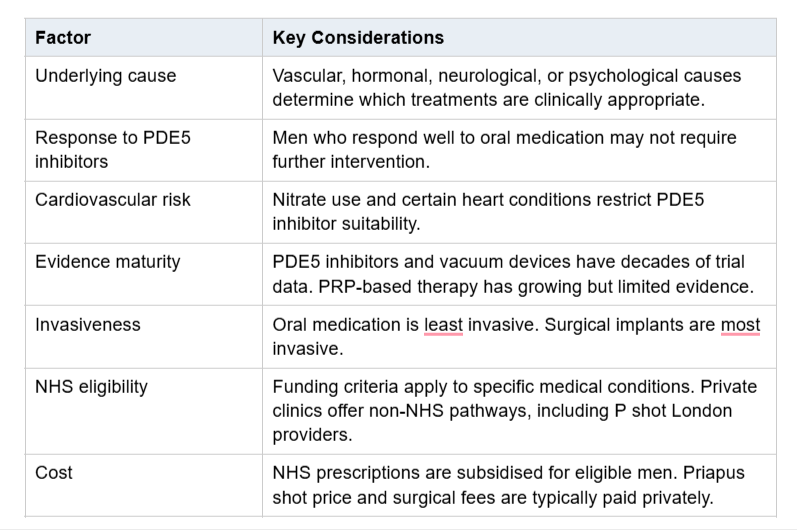
The right treatment depends on cause and evidence strength, not on which option appears most often in advertising. The table below summarises key decision factors across all four tiers.
Accessing Treatment in London
Men seeking erectile dysfunction treatment London options can choose from NHS sexual health clinics, GP referral pathways, and private specialist providers. Private clinics across Harley Street and Marylebone offer men’s intimate health treatment in London, including consultations for PRP-based regenerative therapy for ED. Pshots clinic uk, a Harley Street clinic led by Dr Syed Nadeem Abbas (MBBS, MRCS Edinburgh, MRCGP, MSc Aesthetic Plastic Surgery with Distinction, Queen Mary University London), offers P shot treatment alongside broader regenerative and aesthetic services. A thorough consultation should include medical history review, discussion of treatment goals, and a clear explanation of expected outcomes. Men exploring Priapus shot London options should confirm the clinician’s medical qualifications and request evidence-based outcome data before proceeding with any P shot London treatment.
Frequently Asked Questions
Is the P shot suitable for every cause of erectile dysfunction?
No single treatment suits every cause of ED. Vascular, hormonal, and psychological causes respond differently to PRP-based and conventional treatments. A clinical assessment determines individual suitability beforehand.
How does P shot London treatment differ from PDE5 inhibitors?
PDE5 inhibitors work on demand, increasing blood flow during sexual stimulation. The P-Shot uses PRP injections aimed at supporting tissue response over a longer period. The two approaches target different physiological mechanisms.
Does NICE recommend PRP injections for erectile dysfunction?
NICE has not published a dedicated guideline specifically endorsing PRP therapy for ED. Existing NICE guidance focuses on PDE5 inhibitors and condition-specific treatment pathways.
What does the Priapus shot price typically depend on?
Price depends on the clinic, the PRP preparation method, and the number of planned sessions. Private clinics set independent pricing structures, so quotations vary.
Are P-shot results permanent?
Current evidence does not support permanent results from a single treatment course. Some studies report benefits lasting several months. Further research is needed to establish long-term durability.
What safety precautions apply to PRP-based ED treatment?
Clinicians screen for platelet disorders, anticoagulant use, and active infection before treatment. These conditions generally rule out PRP-based injections.
Is P shot treatment available on the NHS?
The NHS does not routinely fund PRP-based ED treatments. Men access this option exclusively through private clinics in the UK.
Conclusion
Choosing between ED treatments requires weighing cause, evidence strength, and personal preference. PDE5 inhibitors remain the established first-line option, supported by decades of trial data. Mechanical devices and surgical implants address cases where medication fails or is unsuitable. PRP-based regenerative therapy, including the P shot London approach, represents an emerging option with encouraging but incomplete evidence. Men should discuss all options with a qualified clinician, including realistic outcomes and recognised limitations. As regenerative techniques continue to develop, how much clinical evidence should men reasonably expect before choosing an emerging option over an established, NHS-backed alternative?
메타데이터
- post_id
- bb28bfde0aec
- slug
- how-to-choose-between-ed-treatments-a-decision-guide-for-uk-men-bb28bfde0aec
- url
- https://medium.com/@bmac.drsnaclinic/how-to-choose-between-ed-treatments-a-decision-guide-for-uk-men-bb28bfde0aec
- canonical_url
- https://medium.com/@bmac.drsnaclinic/how-to-choose-between-ed-treatments-a-decision-guide-for-uk-men-bb28bfde0aec
- author_url
- https://medium.com/@bmac.drsnaclinic
- status
- ok
- fetched_at
- 2026-07-13 06:23:13