How to Understand Load Capacity Ratings on Truss Hardware for Safer Events
When you’re setting up a stage for a concert, DJ set, or live event, understanding load capacity ratings for your truss hardware isn’t just…
How to Understand Load Capacity Ratings on Truss Hardware for Safer Events
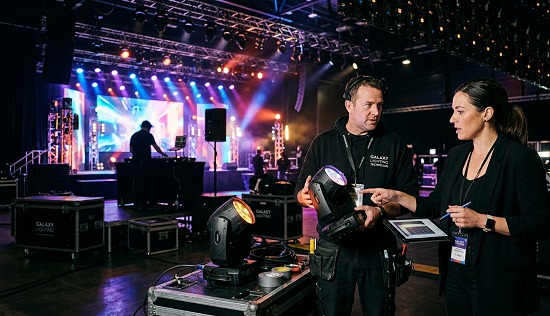
When you’re setting up a stage for a concert, DJ set, or live event, understanding load capacity ratings for your truss hardware isn’t just technical jargon — it’s a safety lifesaver. Whether you’re rigging lighting, hanging speakers, or supporting special effects gear, knowing what the numbers on your adapters and clamps mean makes you smarter and helps protect your gear and crew.
Simply put, load capacity ratings tell you the maximum safe weight a piece of hardware can support without risk of failure. For anyone working with trusses — including event organizers, sound engineers, and lighting designers — this knowledge is as essential as knowing how much power your amplifier needs.
Why Load Capacity Ratings Matter
Stage truss systems are designed to hold significant weights, but there’s always a limit. That limit is called the load capacity or working load limit (WLL). Exceeding this rating could lead to bent or breaking trusses, falling equipment, and worst-case — serious injury or damage.
Load capacity isn’t a suggestion — it’s a safety threshold tested under controlled conditions. That’s why manufacturers test truss sections, adapters & clamps, and rigging gear and label them with ratings that you should never exceed.
Picture it like a bridge: it might support a few cars safely but won’t hold a huge truck without danger. Your rigging gear works the same way — if you hang more than it’s rated for, you’re asking for trouble.
Breaking Down Load Capacity Ratings
There are a few key terms you’ll see on trussing and rigging specs. Let’s make them simple:
Working Load Limit (WLL)
This is the maximum safe load the component can handle. If a clamp has a WLL of 250 kg, hanging more than that weight increases risk.
Safety Factor
Manufacturers apply a safety factor — often 3:1, 5:1, or greater — which means the part is tested to break at 3× or 5× its WLL before it actually fails. This ensures real‑world use stays well inside safe limits.
Static vs. Dynamic Load
A static load is a constant weight — like a fixed speaker. A dynamic load changes, such as moving lights or equipment that vibrates. Dynamic loads often require derating the WLL because movement creates extra forces on the hardware.
Where Load Capacity Ratings Apply
Truss Sections Themselves
Truss pieces come in various sizes and shapes — triangular, quad, ladder — and are rated for weights depending on span and design. Longer spans typically reduce capacity. Always consult the manufacturer’s load table for your specific truss pieces.
Adapters & Clamps
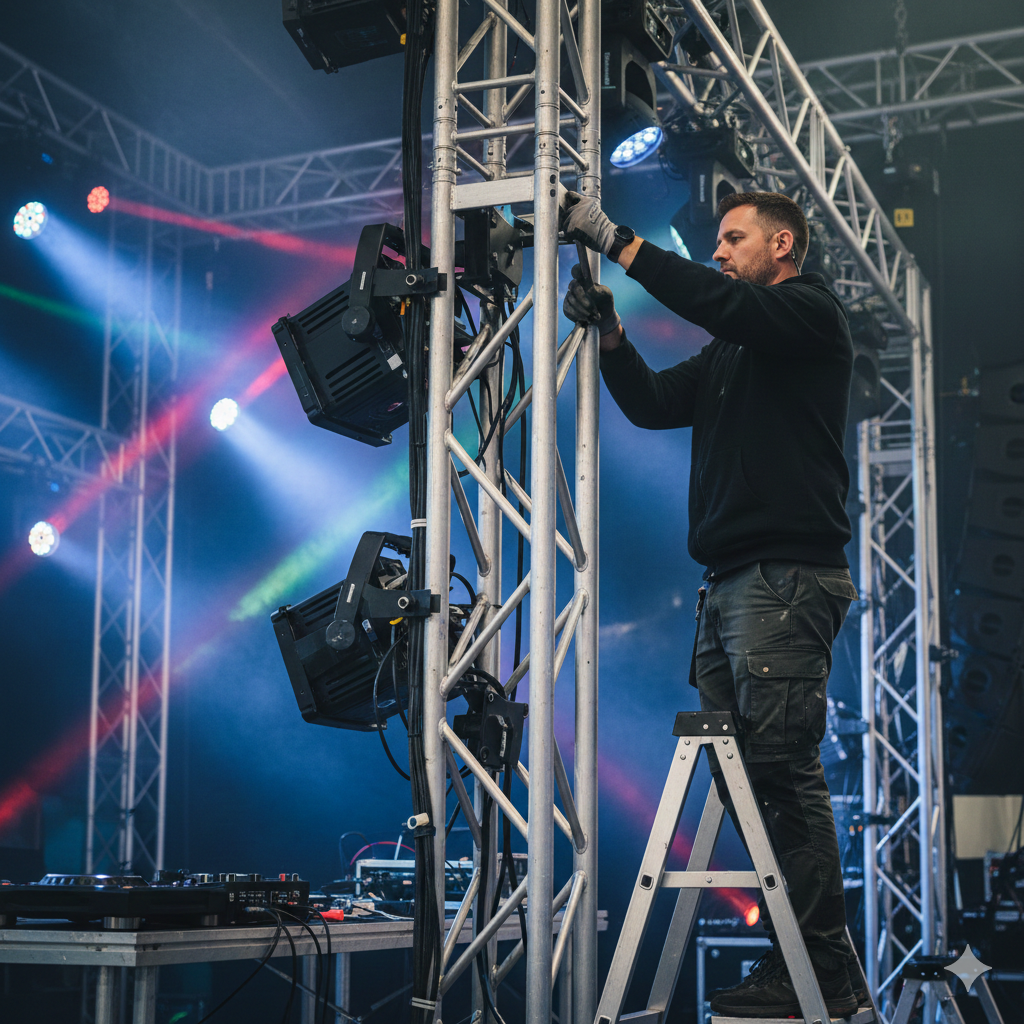
These connectors secure fixtures to the truss. Each adapter or clamp has its own load rating. Even if your truss can hold a heavy load, the adapter & clamp might be the weakest link. For example, a heavy‑duty coupler clamp could be rated for 300 kg — but the fixture and cable weights combined must stay below that.
Safety Cables and Support Gear
Never forget safety wires or secondary support — these don’t replace load ratings, but add a backup in case something slips. A safety cable doesn’t change the WLL but protects against unexpected failure.
How Professionals Calculate Load Capacity
Rigging pros break load calculation into parts:
- Total weight of all gear: lights, speakers, media servers, effects, cables, adapters & clamps.
- Location of load: whether weight is centered or evenly distributed.
- Dynamic considerations: movements, wind if outdoors, effect motors.
Then they compare this total to the load charts provided by the truss manufacturer. These charts specify uniform load limits and center‑point loads — the latter is usually lower, especially on longer spans.
Practical Load‑Rating Tips for Event Setup
Let’s look at real‑world ways to use load capacity ratings:
1. Add Up Everything You Hang
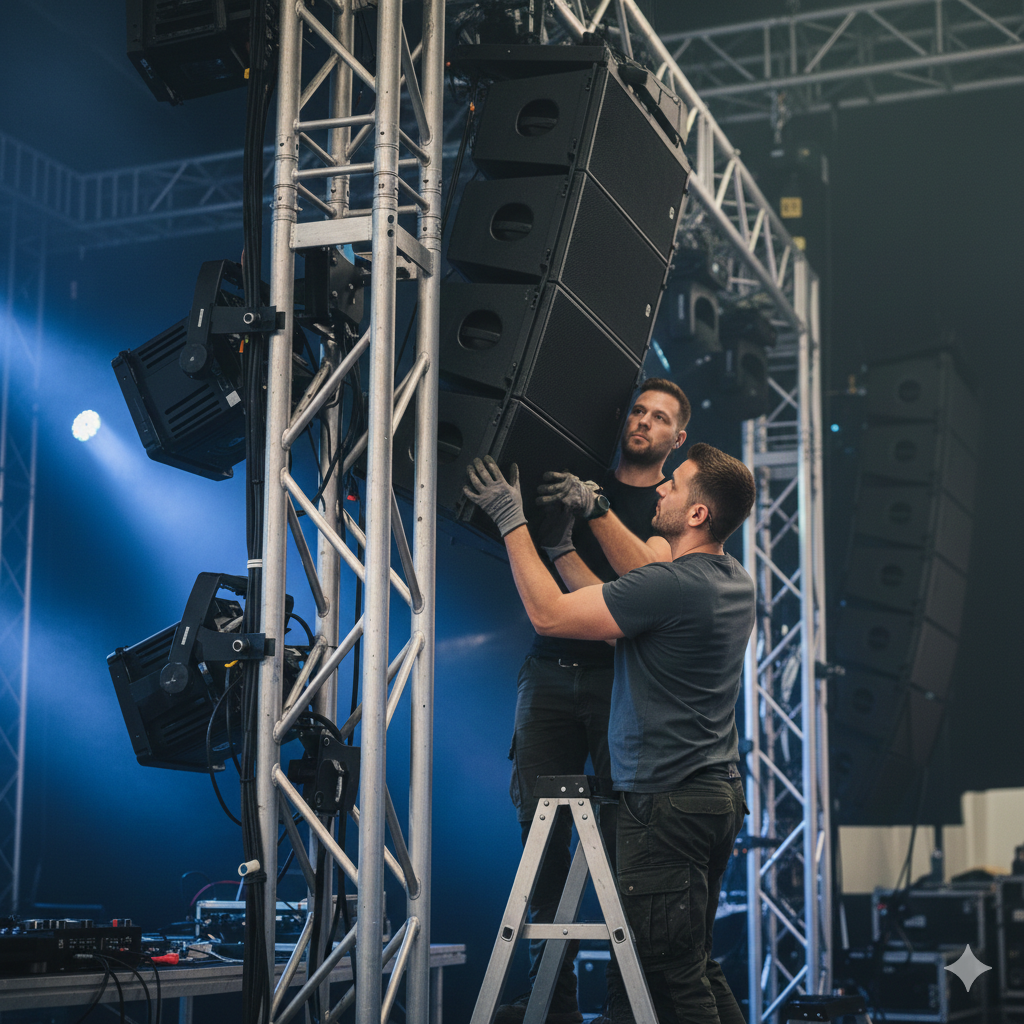
Every item you hang on a truss — lights, speakers, screens, cable bundles, plus the adapters & clamps themselves — has weight. If one light weighs 10 kg, its clamp weighs 2 kg, and the safety cable adds another 0.5 kg, that’s 12.5 kg total. Multiply by all fixtures to find the complete weight. Always stay under the lowest rated component’s WLL.
2. Keep a Safety Margin
Professionals usually keep a margin — like using only 70–80% of a component’s WLL in active rigging — to account for dynamic forces and surprises. This is especially important with moving fixtures or concerts where gear might vibrate.
3. Use Certified Gear
Certified adapters & clamps with clear load ratings are more trustworthy. Hardware with automotive grade or stage rigging standards helps ensure the load ratings you read are real.
4. Check Load Tables
Every truss manufacturer provides load tables for their designs. These tables show you exactly how much weight a specific length and configuration can support.
Common Load Capacity Mistakes to Avoid
Some mistakes are easy but costly:
Ignoring Dynamic Loads
Lights that move or effects that shake the system create forces beyond weight. Assume at least a 30–50% increase in effective load due to motion.
Relying on Visuals Instead of Specs
Two truss sections might look the same but have different alloys or construction quality — and very different load ratings. Always check spec sheets.
Overloading Adapters & Clamps
A truss might be rated for higher loads, but if your adapters & clamps are weaker, the weaker link fails first. Treat every piece of the system as crucial.
Ignoring Safety Factor
Simply matching the total load to the rating leaves no buffer. Give yourself room.
Real‑Life Analogy: The Bookshelf
Imagine you have a bookshelf that’s rated for 50 kg. If you stack books and decorations totaling 40 kg — great. But if you hang two heavy art pieces off the side, you might push a corner beyond its strength. Similarly, your truss, adapters & clamps must share the load in a way that keeps each component safely inside its limits.
Why Understanding Load Ratings Saves Money & Lives
Load capacity ratings aren’t abstract numbers — they’re calculated based on careful engineering and testing. When you respect them:
- Gear lasts longer because you avoid stress beyond design limits.
- Fewer accidents happen, protecting both people and expensive equipment.
- Insurance and regulations are satisfied, since many safety standards require documented load capacity usage.
This is especially important if you’re managing events in public venues where safety codes are strict.
Conclusion — Smart Rigging Starts With Load Capacity Know‑How
To run successful shows, DJs, sound engineers, and event organizers must understand load capacity ratings on truss hardware. These ratings guide how much you can safely hang from trusses, adapters & clamps, and help you make smart decisions that protect your team and equipment.
Next time you plan a rigging setup, take a few extra minutes to calculate total weights, consult load tables, and choose gear from reputable audio and staging shops. Ensuring load ratings are honored isn’t just good practice — it’s essential for safety and performance success.
By combining solid planning with the right equipment, your shows not only look great but also stay safe from load‑related issues.
메타데이터
- post_id
- bbffddfe172f
- slug
- how-to-understand-load-capacity-ratings-on-truss-hardware-for-safer-events-bbffddfe172f
- url
- https://medium.com/@charlesspeters6/how-to-understand-load-capacity-ratings-on-truss-hardware-for-safer-events-bbffddfe172f
- canonical_url
- https://medium.com/@charlesspeters6/how-to-understand-load-capacity-ratings-on-truss-hardware-for-safer-events-bbffddfe172f
- author_url
- https://medium.com/@charlesspeters6
- status
- ok
- fetched_at
- 2026-07-06 23:12:02