From Salesforce to the Art Studio: What Contemporary Art Taught Me About Startups
Leaving Tech for a Blank Canvas
From Salesforce to the Art Studio: What Contemporary Art Taught Me About Startups
Leaving Tech for a Blank Canvas
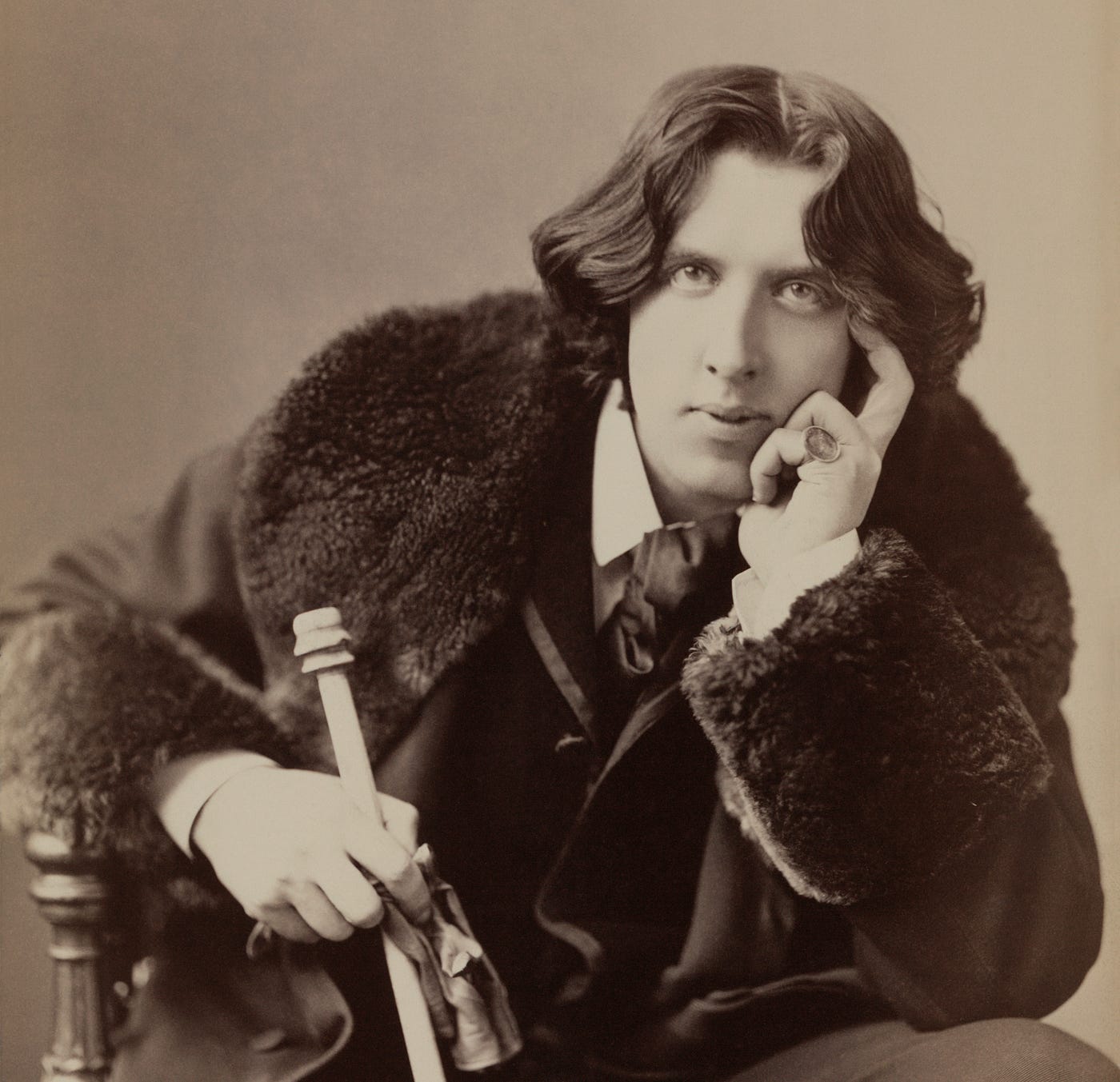
I never imagined that stepping away from a dream job at Salesforce and immersing myself in the contemporary art world would make me a better startup founder. Yet that’s exactly what happened. A few years ago, I left the structured realm of enterprise software to pick up a paintbrush and explore life as an artist. In the chaotic yet inspiring art studios and galleries, I discovered something surprising: the early stages of building an art career felt eerily similar to launching a startup. The uncertainty, the creativity, and especially the hustle to get noticed all resonated with my previous experiences in tech. Little did I know this artistic detour would profoundly shape my approach to founding my next venture.
Artists and Startup CEOs: Kindred Spirits
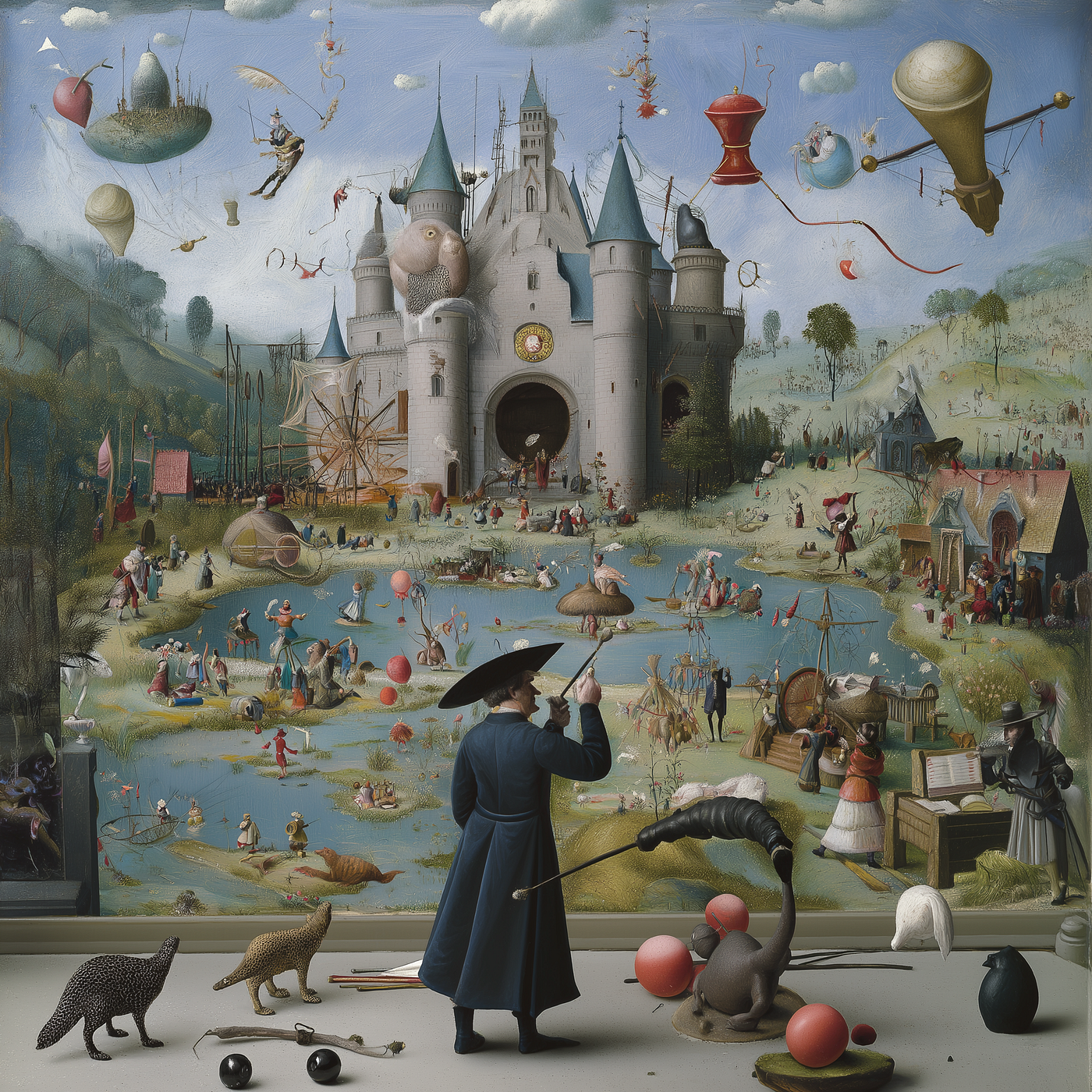
On the surface, artists and startup founders might seem worlds apart — one crafts paintings or sculptures, the other builds software or services. But dig deeper and the parallels are striking. Both start with nothing but an idea and a passion, and both face an uphill battle to prove their vision to the world. In those early days as an artist, I realized that success often hinges on convincing a small number of influential supporters to believe in your vision before anyone else does. In art, that might mean a cutting-edge curator, a gallery owner, or a noted collector who champions your work. In startups, it’s the early angel investor, the forward-thinking venture capitalist, or the first big customer willing to take a chance.
I experienced this first-hand: as a painter, I needed one gallery curator to take interest in my work to spark a chain reaction of opportunities. It reminded me of pitching my first startup idea to investors years before — nailing that one key backer who would signal to others that this vision has merit. The art world even has its own analog to venture capital: I often thought of prominent art curators and patrons as fulfilling a role much like VCs or angel investors. They “invest” in an artist by giving them a platform or funds, based on potential rather than guaranteed success. Just as a venture capitalist makes a bet on a passionate founder with a bold idea, legendary art patrons have made bets on unknown artists. Consider how collector Peggy Guggenheim’s early patronage of a young Jackson Pollock catapulted him into the spotlight — her support meant critics and museums suddenly took Pollock seriously. A single influential believer can vault an emerging creator (or company) into credibility.
There’s also a shared ethos of vision and execution. Both artists and founders lay everything on the line to bring something new into the world. As Twitter co-founder Jack Dorsey once noted (quoting artist Robert Henri), startup founders, like artists, must find their own way to create something they’re passionate about — the raw idea matters less than how you bring it to life. In both realms, creativity and resilience go hand in hand. Iteration is key: an entrepreneur might pivot their product until it fits the market, just as an artist refines their style to connect with an audience. Neither journey has a roadmap, and that’s the beauty of it.
Building a “Startup Gallery” for Science
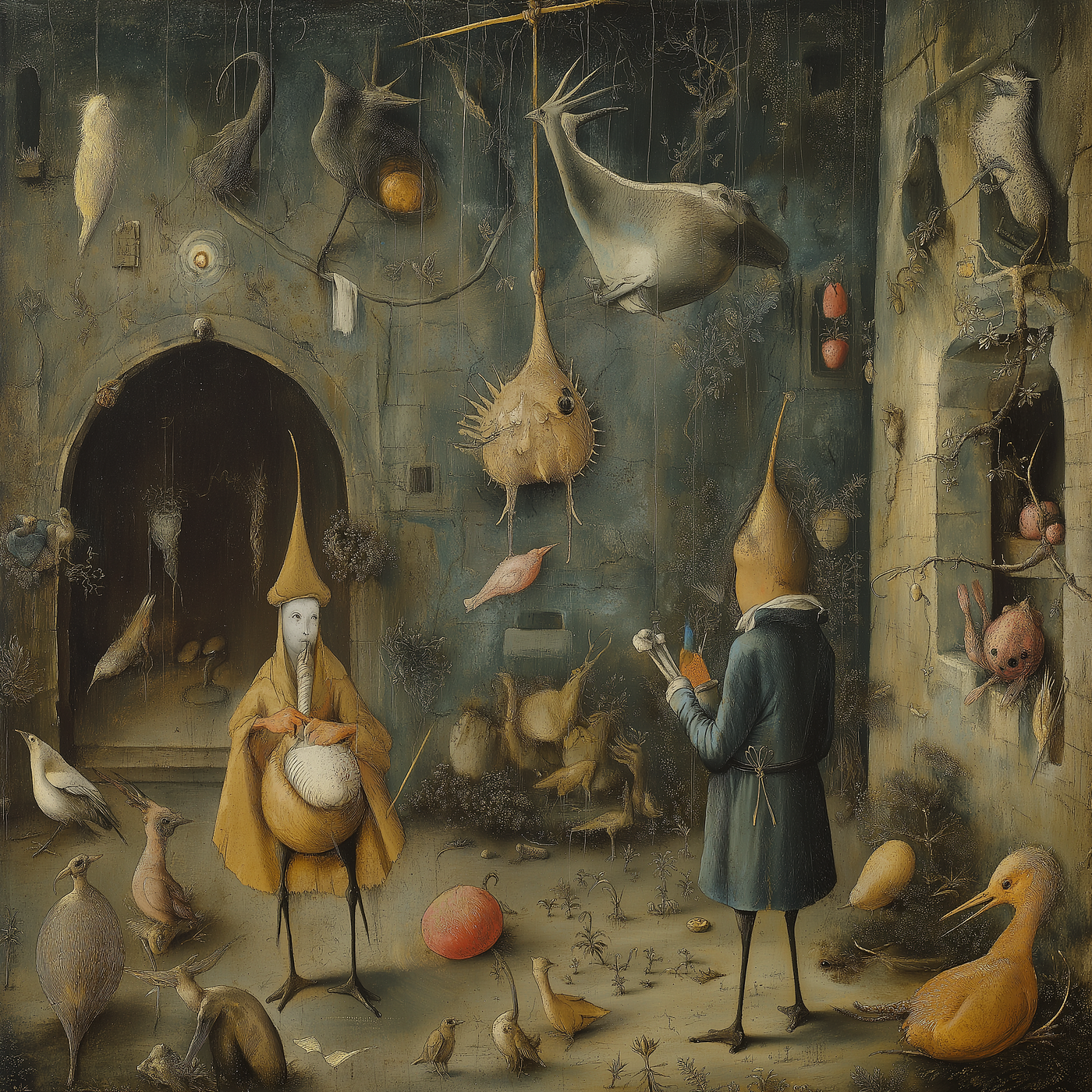
Armed with this insight, I returned to tech with a fresh perspective. I realized I didn’t want to build just another monolithic startup; I wanted to build a platform that embraced the experimental, multifaceted spirit of the art world. The result is **ai.doi.bio — a new venture I’m leading, which aims to democratize scientific knowledge** much like galleries democratize art. Instead of one giant application, ai.doi.bio is a collection of many small, startup-like tools, each with its own purpose and personality, all hosted under one domain. Think of it as a gallery filled with distinct art pieces, but in this case the “art pieces” are micro-startups or tools for exploring information. Each tool is free to innovate like a solo art project, while together they form a cohesive exhibit aimed at making scientific information more accessible to everyone.
Why this approach? In science (as in art), one size rarely fits all. Researchers, students, and curious minds need different ways to interact with knowledge. By hosting a constellation of mini-tools rather than a single product, we can iterate rapidly and foster creativity. If one idea doesn’t immediately click with the community, that’s okay — we can learn and improve, or try a different approach, without overhauling the whole platform. It’s very much like an artist experimenting with several canvases at once. Our philosophy is that each tool on ai.doi.bio is like its own startup and its own art project. This not only encourages innovation, it also invites others to participate. Just as an art gallery might feature various artists, our platform can host tools contributed by different creators (developers, scientists, even hobbyists) over time. It’s a living gallery of scientific exploration.
3D Molecules and AI: Where Science Meets Art
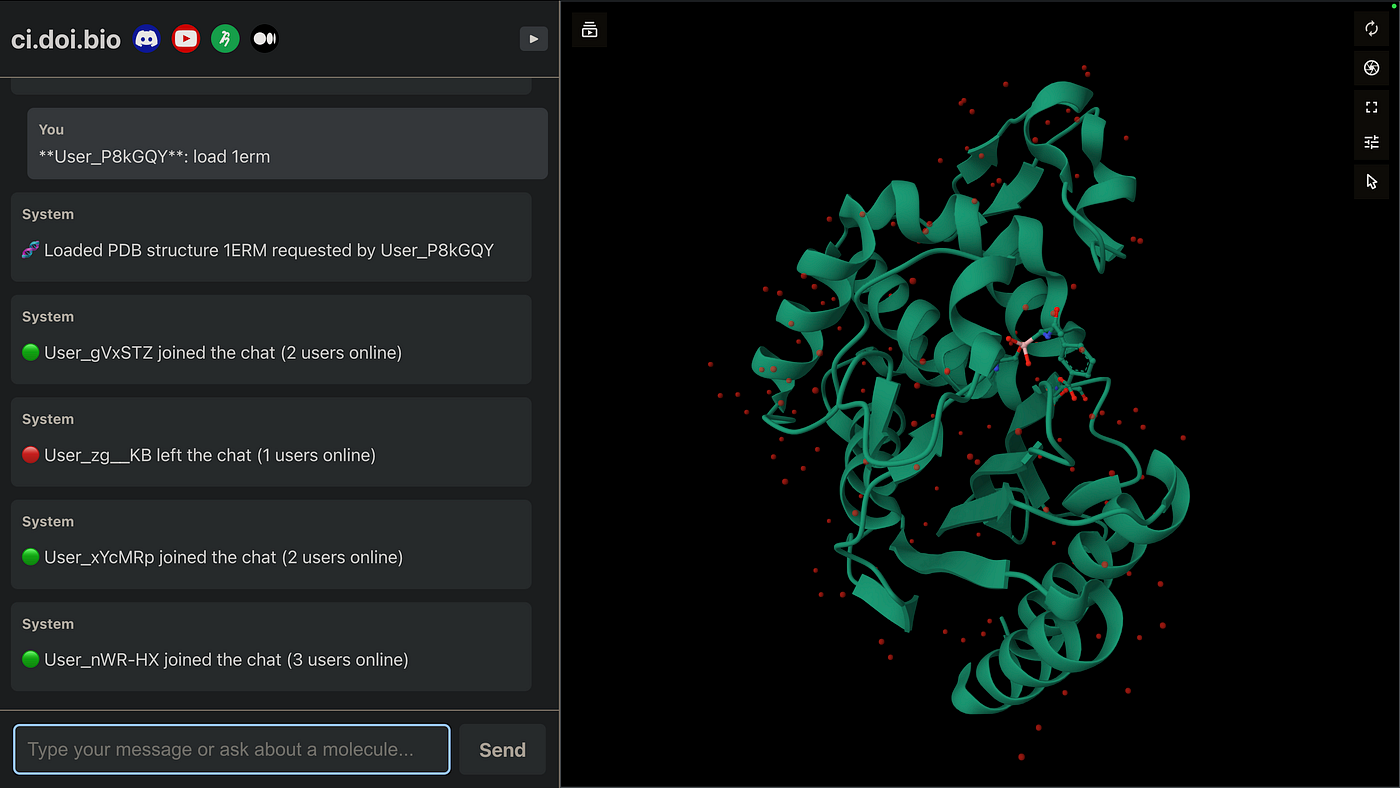
One of the flagship “art pieces” in our collection is a 3D molecular viewer paired with an AI assistant. This combination lies at the heart of ai.doi.bio’s mission to make complex science usable and engaging. In practice, it works like magic: you can type in an identifier for a protein structure (a PDB ID) and instantly, an interactive 3D model of that molecule appears, along with context and explanations provided by the AI. This isn’t just static data — it’s an experience. The AI guides you through the molecule’s details, pulling in metadata from the Protein Data Bank, summarizing scientific papers, and answering questions you have about the structure. It’s as if you had a knowledgeable museum guide (who never gets tired) walking you through a sculpture, except the sculpture is a molecular model and the guide is an AI trained on decades of biochemical knowledge.
This feature was directly inspired by my art-world epiphany. In art, a painting or sculpture can be appreciated from multiple angles and often benefits from a curator’s explanation to truly understand its context. Likewise, a protein’s 3D structure is a complex artwork of nature; seeing it in three dimensions and having an AI curator explain its significance brings the science to life. Early users have described this feeling as “unlocking” scientific content that used to feel inaccessible. And importantly, it lowers the barrier for students or interdisciplinary researchers to engage with molecular science — no fancy lab equipment needed, just a web browser and curiosity.
Free Expression with Community Guidelines
Another lesson I carried from the art world is the importance of free expression and community norms. Great art scenes thrive when artists are free to experiment and share ideas, yet over time communities establish norms about what’s appropriate or valued. We’ve tried to emulate that balance at ai.doi.bio. The platform is built to support free expression within community-voted guidelines. In other words, users are encouraged to share, remix, and discuss scientific content openly. We don’t believe in top-down gatekeeping of knowledge; instead, our community helps shape the rules of engagement. Just as open-source communities and forums self-moderate to keep discussions productive, ai.doi.bio lets the community vote on guidelines for content and conduct. This ensures a welcoming, inclusive environment without stifling the free flow of ideas. Our stance is simple: as long as content respects the community’s collectively agreed-upon standards, it has a home on the platform. By democratizing moderation, we aim to avoid the heavy-handed censorship that plagues some social platforms, while still preventing the spread of misinformation or abuse. It’s a delicate balance of openness and responsibility, and we believe the scientific community is uniquely equipped to strike it.
Collaboration with Publishers and Open-Source Principles
From day one, we decided that ai.doi.bio would not operate in a silo. The art world flourishes through collaboration — artists work with galleries, museums, and collectors. Similarly, our platform invites collaboration with publishers and institutions rather than positioning ourselves as disruptors out to replace them. We respect the role of academic journals, universities, and libraries. In fact, we want to work with them: for example, by integrating content via digital object identifiers (DOIs), we ensure that whenever possible we’re pulling information in a way that credits and links back to the original publishers. We envision partnering with journals to host interactive supplements to papers, or with museums and universities to showcase their scientific datasets in engaging ways. By being collaboration-first, we hope to build bridges between traditional repositories of knowledge and the open web, enhancing reach for publishers and enriching content for readers.
Under the hood, we also follow an open-source approach to hosting scientific content. All the core software that powers ai.doi.bio is built on open frameworks, and we are gradually open-sourcing our tools so that others can inspect, contribute, or even fork them for their own uses. Embracing openness has two big advantages. First, it builds trust — anyone can see how our systems work, which is especially important when we claim to be “democratizing” information. Second, it accelerates innovation. By engaging with open-source developer communities and scientific forums, we make sure ai.doi.bio evolves continuously with the best ideas out there. If an academic or indie developer has a great idea for visualizing data or a new AI model for text analysis, they can plug into our ecosystem more easily because of our open architecture. In a sense, this open, modular design is akin to a collaborative art installation: many creators can add pieces to it over time. We’ve kept our code modular (each tool is like its own microservice) so that new features can be introduced without breaking the whole system. This is very much by design — openness and modularity make our platform a fertile ground for collaboration and continuous improvement.
Conclusion: The Art of the Startup
My journey from Ph.D. scientist to Salesforce engineer to aspiring artist and back to founder has taught me that innovation is an art form. Whether you’re painting on canvas or coding an app, you’re really doing the same thing at the core: persuading others to see value in something new that came from your imagination. The art world’s lesson to startup founders is to cherish those early believers and to foster creativity even amidst business constraints. It’s why I’ve built ai.doi.bio to be as much a community and creative space as it is a tech product. We’re taking the ethos of an artist’s studio — full of experimentation, passion, and open exchange — and applying it to building tools for scientific knowledge.
The result is a platform that I hope feels as welcoming as an art gallery and as exciting as a startup incubator. We’re still in the early days, but the collection of tools is growing, and the community around it is as well. If this vision resonates with you — if you believe that science, like art, should be accessible to everyone and pushed forward by bold experimentation — I invite you to join us. Subscribe to ai.doi.bio and become part of our journey. Try out the tools, give feedback, and even contribute if you’re inspired. Together, let’s champion this new movement at the intersection of art, science, and entrepreneurship. Every subscriber, every collaborator, every piece of feedback is like one more patron in our gallery, helping to turn a daring vision into a reality. We’ve lit the spark, and with a few passionate supporters, we believe we can ignite a much larger flame.
(Thank you for reading. If you found this perspective interesting, consider subscribing to ai.doi.bio and sharing this post. Here’s to a future where knowledge flows freely and creativity knows no bounds.)
메타데이터
- post_id
- bd40e3be83f3
- slug
- from-salesforce-to-the-art-studio-what-contemporary-art-taught-me-about-startups-bd40e3be83f3
- url
- https://medium.com/@sness23/from-salesforce-to-the-art-studio-what-contemporary-art-taught-me-about-startups-bd40e3be83f3
- canonical_url
- https://medium.com/@sness23/from-salesforce-to-the-art-studio-what-contemporary-art-taught-me-about-startups-bd40e3be83f3
- author_url
- https://medium.com/@sness23
- status
- ok
- fetched_at
- 2026-07-19 22:17:22