👑🌾Micah: The Prophet Who Foretold Bethlehem and Called a Nation Back to Humility
(From the Bible — The Book of Micah, Chapters 1–7)
👑🌾Micah: The Prophet Who Foretold Bethlehem and Called a Nation Back to Humility
(From the Bible — The Book of Micah, Chapters 1–7)
🌍 When a Nation Loses Its Way
History teaches us a painful truth: nations rarely collapse overnight.
Long before a nation falls economically, politically, or socially, something often begins to weaken beneath the surface. Values slowly fade. Truth becomes negotiable. Power becomes more important than justice. Wealth becomes more important than people. Leaders become more interested in protecting themselves than serving others.
From the outside, everything may still look successful. The buildings remain standing. The markets continue operating. The religious ceremonies continue. Life appears normal.
But underneath, something is breaking.
This was the world Micah lived in.
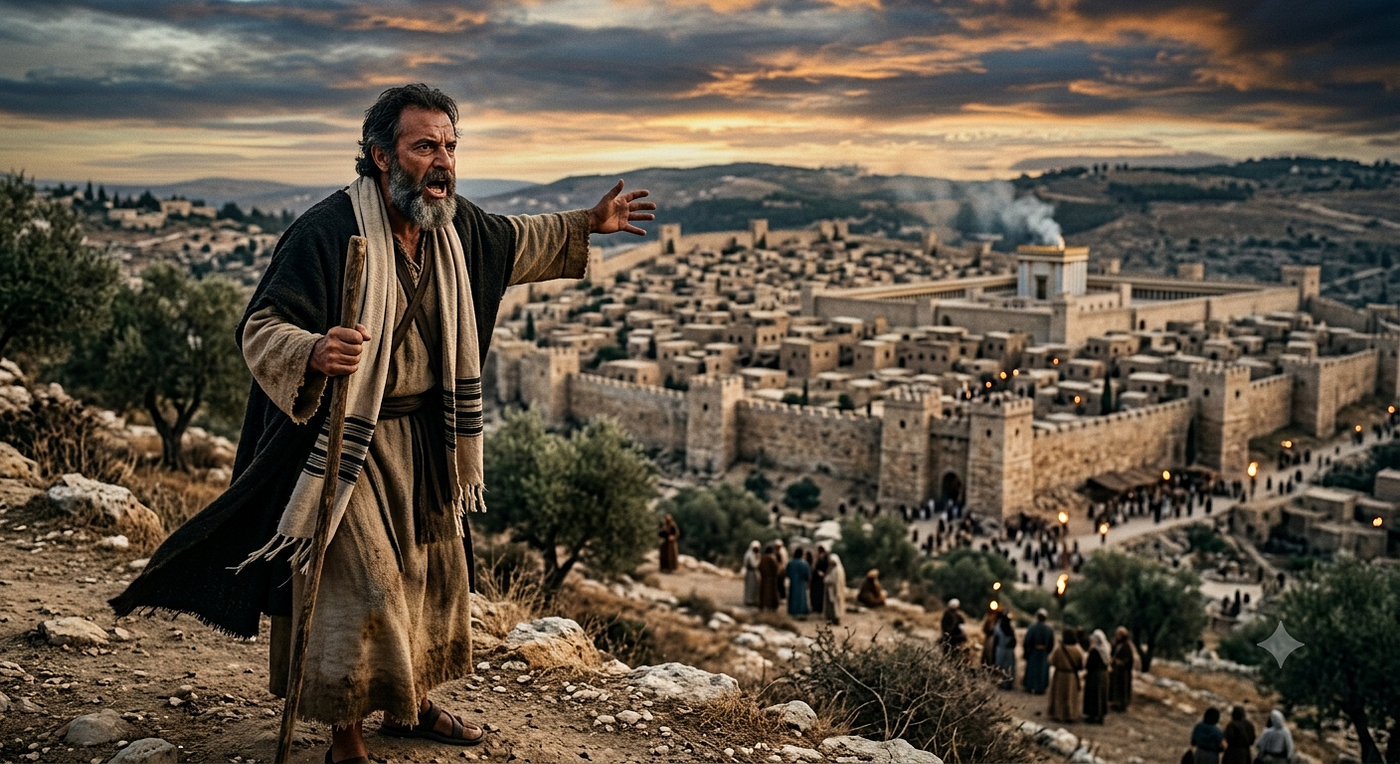
Micah ministered during the same general period as Isaiah, around the eighth century before Christ. He lived during the reigns of Kings Jotham, Ahaz, and Hezekiah of Judah. While Isaiah often moved among kings and political leaders in Jerusalem, Micah came from a small rural town called Moresheth.
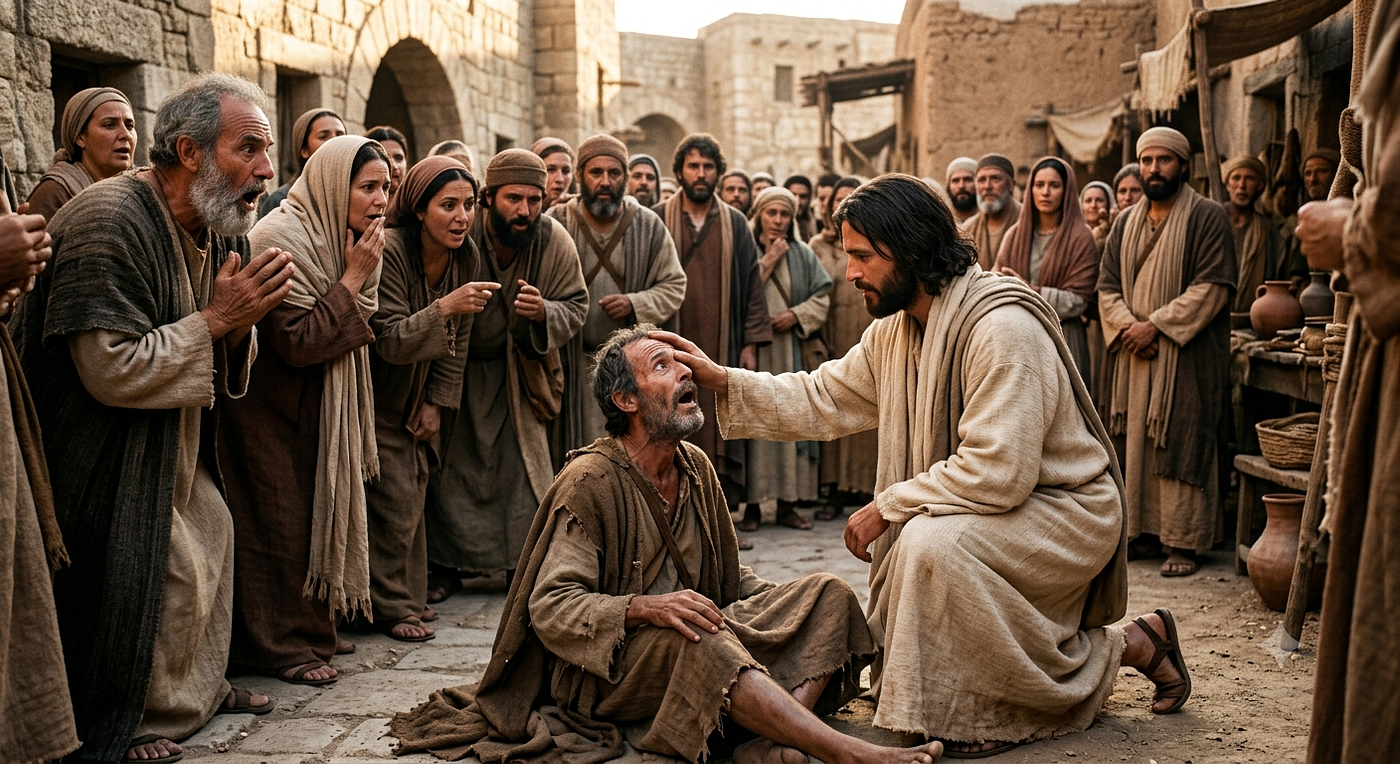
He was not raised in royal courts. He did not come from the wealthy elite. He understood the struggles of ordinary people. He saw how decisions made by powerful leaders affected farmers, workers, families, widows, and the poor. And when God called him, Micah became a voice for those who had no voice.
⚖️ The Cry Against Injustice
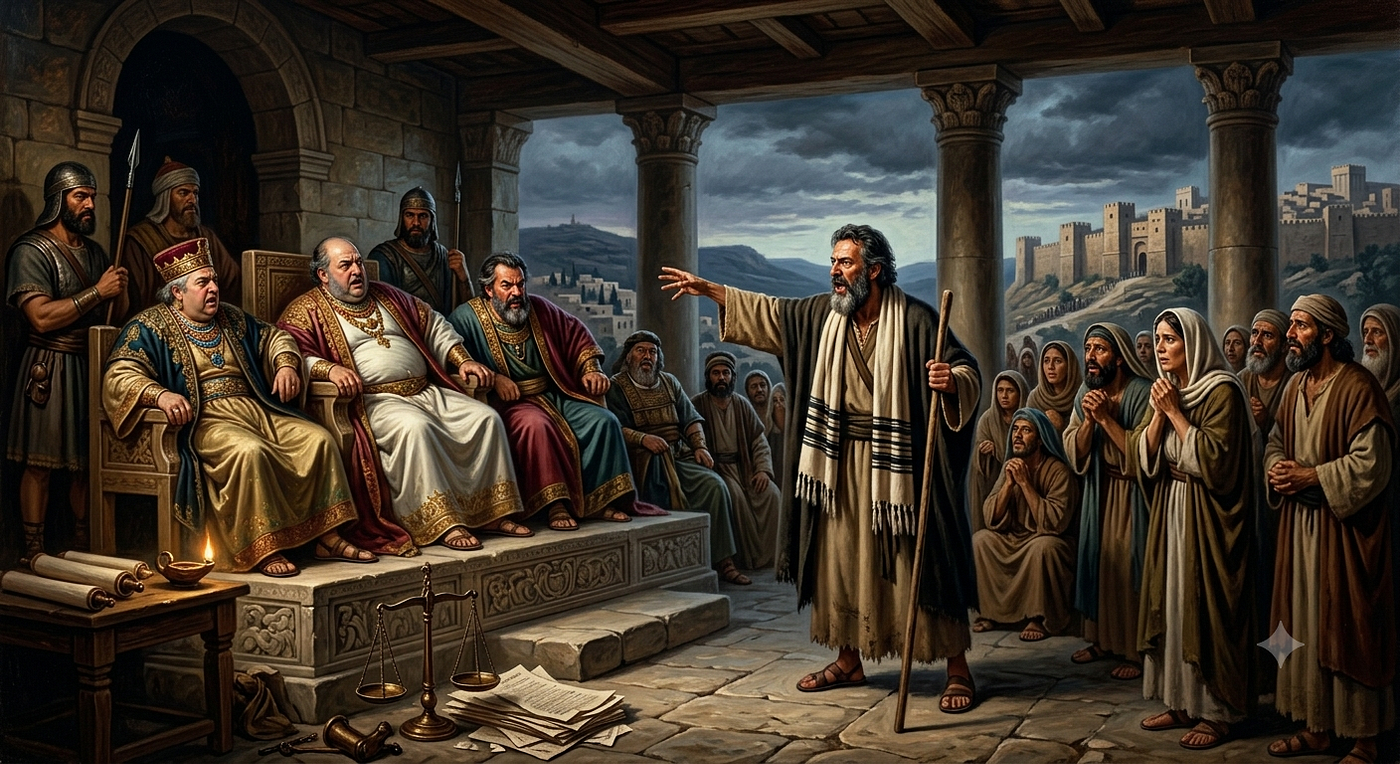
One of the strongest themes in Micah is justice. Again and again, Micah looked at the society around him and saw people using power selfishly. Wealthy landowners seized property from vulnerable families. Corrupt leaders accepted bribes. Judges twisted the law for personal gain. Religious leaders sometimes told people only what they wanted to hear rather than what God actually said.
The rich grew richer. The poor became more vulnerable. Those who should have protected the people were often exploiting them. Micah did not remain silent. He boldly exposed these injustices. His words were uncomfortable because they challenged people who believed their status protected them from accountability.
But Micah understood something important. God sees what people try to hide. He sees every act of corruption. Every abuse of power. Every injustice committed against another human being. And unlike human systems that sometimes fail, God’s justice never overlooks what is right or wrong.
This message remains powerful today. Technology changes. Governments change. Societies change. But the human heart often struggles with the same temptations. Pride. Greed. Selfishness. The misuse of power. Micah reminds every generation that true success means little if justice is absent.
🏛️ Religion Without Transformation
Like many prophets, Micah confronted a problem that still exists today. Many people believed that outward religious activities were enough. They attended ceremonies. Offered sacrifices. Participated in worship. Observed traditions. Yet their daily lives often contradicted their religious behavior.
Their lips honored God. But their actions told a different story. Micah challenged this hypocrisy. He warned that God was not impressed by religious performances that lacked genuine faith. The people thought rituals could compensate for disobedience. They assumed appearances were enough.
But God desired something deeper. He desired transformed hearts. This is one reason Micah remains so relevant. Faith is not simply what happens during worship services.
Faith is demonstrated in how people treat others, how they conduct business, how they respond to the vulnerable, and how they live when nobody is watching.
🌿 What Does God Really Require?
Among the most famous verses in the entire Old Testament is Micah 6:8. After describing people’s confusion about what God truly wants, Micah delivers one of the clearest answers in Scripture:
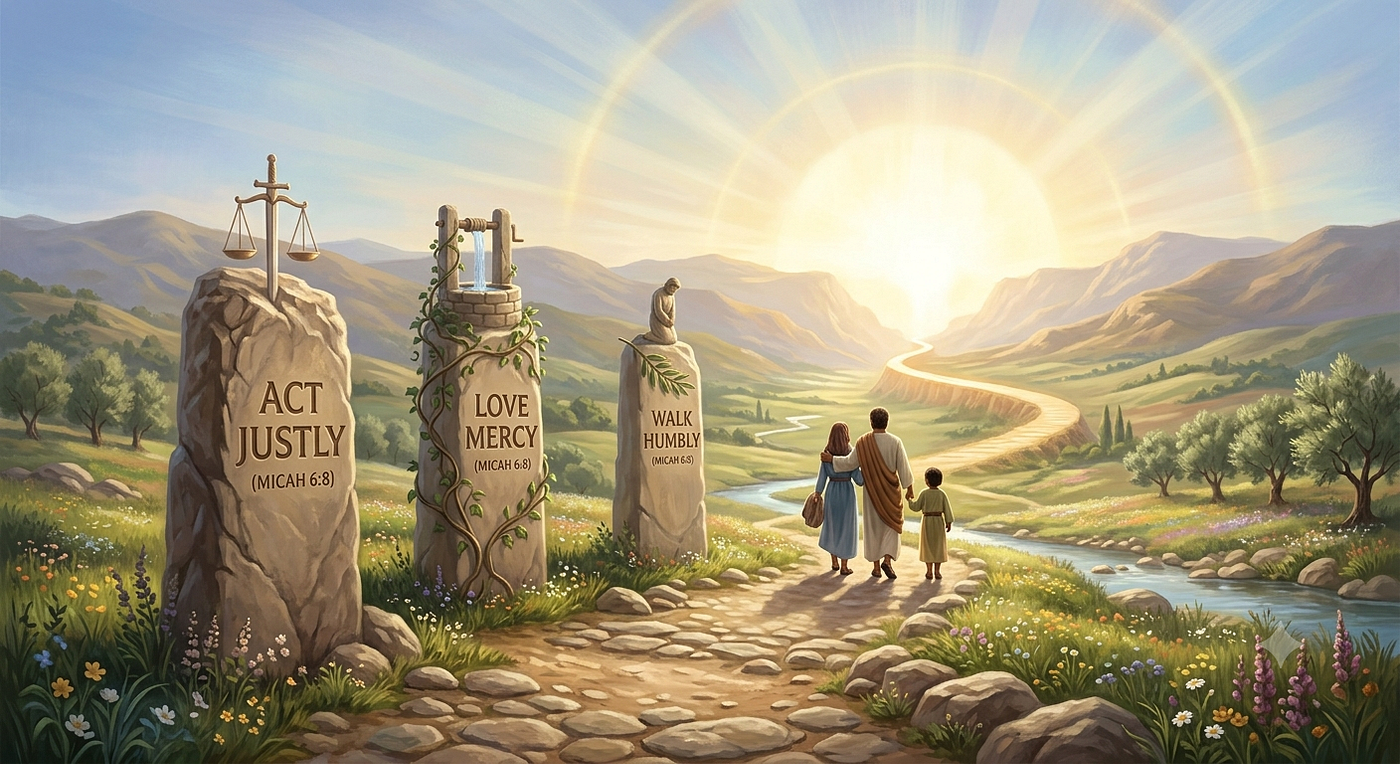
“He has shown you, O man, what is good. And what does the Lord require of you? To act justly and to love mercy and to walk humbly with your God.”
These words are simple. Yet they contain profound wisdom. Act justly. Treat people fairly. Stand for what is right. Love mercy. Forgive others. Show compassion. Extend grace. Walk humbly. Recognize that life is not centered around ourselves.
Depend on God rather than pride. Many people spend their lives searching for complicated spiritual formulas. Yet Micah summarizes faithful living in a way that anyone can understand. Justice. Mercy. Humility. These three qualities remain essential for believers today.
👑 The Promise of Bethlehem
Although Micah warned about judgment, he also offered extraordinary hope. One of the most remarkable prophecies in the entire Bible appears in Micah Chapter 5. At the time, Jerusalem was the center of political importance.
Powerful cities attracted attention. Great rulers came from influential places. Yet God revealed something unexpected.
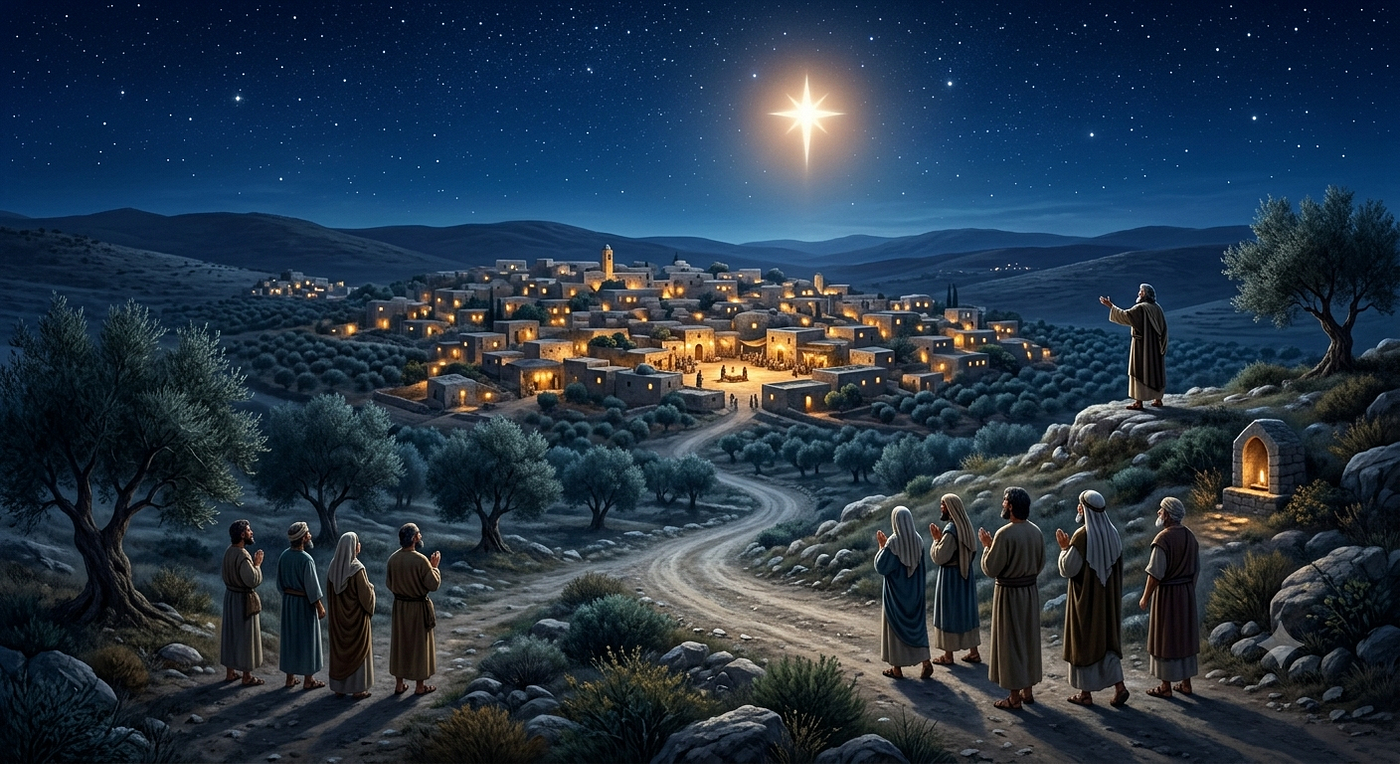
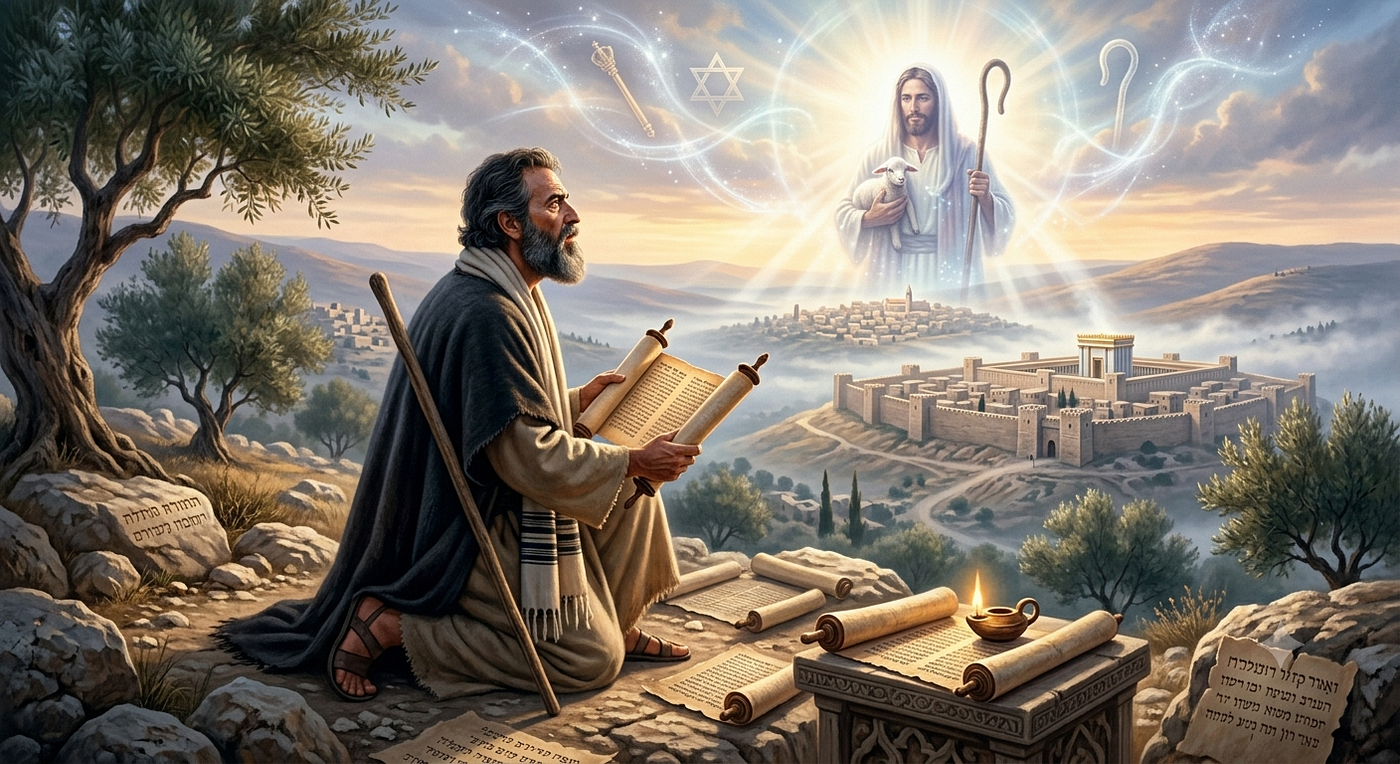
The future ruler of Israel would come from a small town called Bethlehem. Micah wrote:
“But you, Bethlehem Ephrathah, though you are small among the clans of Judah, out of you will come for me one who will be ruler over Israel.”
These words were written approximately seven centuries before the birth of Jesus Christ. At the time, Bethlehem was not a famous city. It was small. Quiet. Often overlooked. Yet God chose it for one of the most significant events in human history.
This reveals a pattern seen throughout Scripture. God frequently works through unexpected people and unexpected places. The world often celebrates size, influence, and popularity. God often chooses humility. A shepherd named David came from Bethlehem. And centuries later, Jesus would be born there as well.
🌩️ Judgment Is Not the End
Micah’s warnings were serious. He spoke about coming judgment. National consequences. And the dangers of continued rebellion against God.
Yet like many biblical prophets, Micah’s story does not end in despair. Beyond judgment he saw restoration. Beyond brokenness he saw healing. Beyond failure he saw redemption.
Micah understood that God’s ultimate purpose is not destruction. His purpose is restoration. When God warns people, it is not because He hates them. It is because He loves them enough to tell them the truth.
The warnings of the prophets were invitations to return before it was too late. This reveals God’s character. He is patient. Merciful. Compassionate. Yet also holy and just. His love does not ignore sin. But His mercy provides a path back.
❤️ A God Who Delights in Mercy
The final chapter of Micah contains some of the most beautiful words in the Old Testament.
After speaking about judgment, Micah reflects on God’s mercy.
He asks:
“Who is a God like You?”
The answer is extraordinary. A God who forgives. A God who shows compassion. A God who delights in mercy. A God who casts sins into the depths of the sea. Think about that image. Not merely setting sins aside. Not merely ignoring them. But removing them completely.
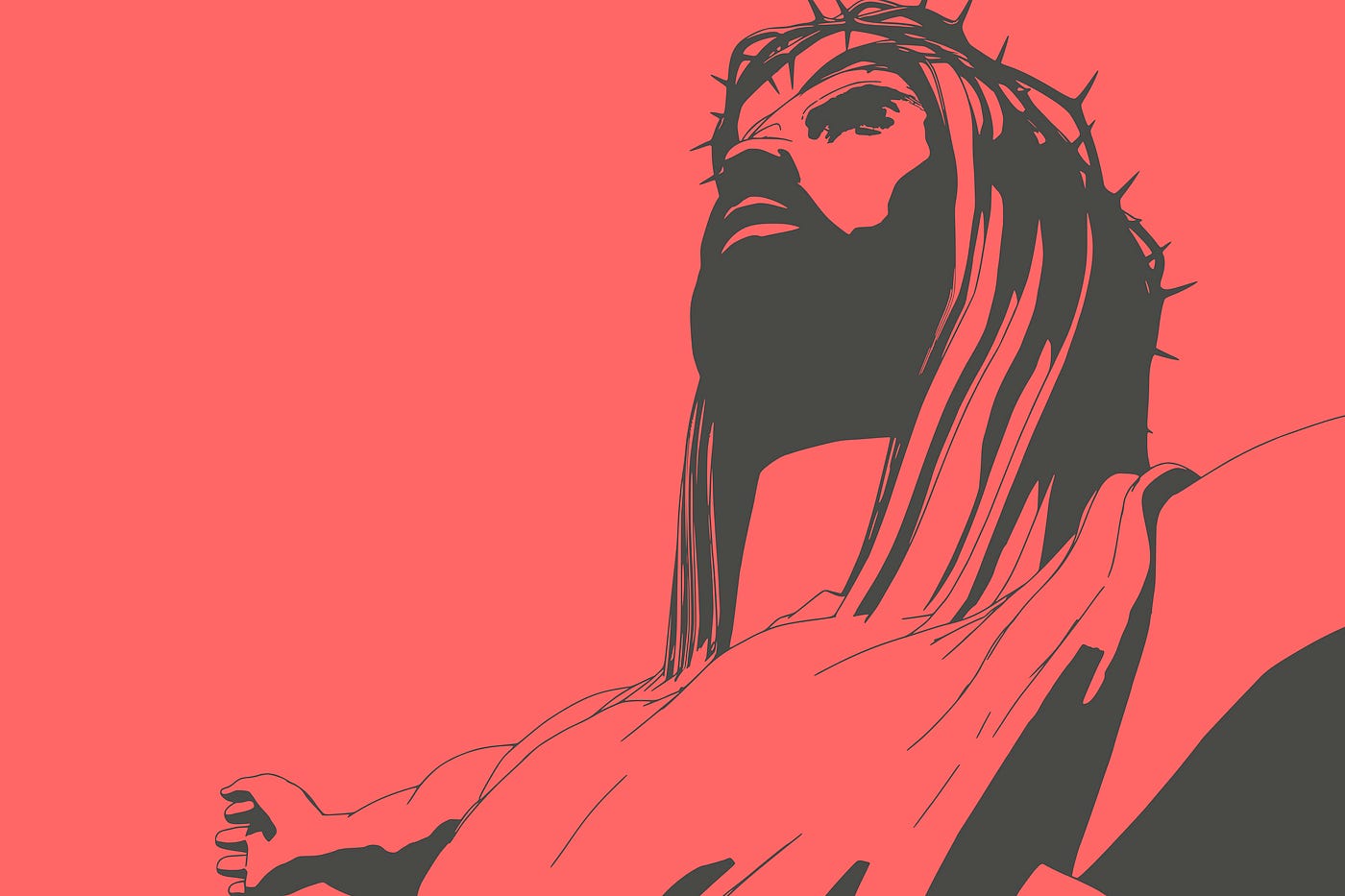
For Christians, this points toward the forgiveness ultimately made possible through Jesus Christ. The God Micah describes is not eager to condemn. He is eager to redeem. His mercy is greater than human failure. His grace reaches farther than human weakness. And His love remains available to all who return to Him.
📖 Deep Biblical Lessons from Micah
Micah teaches that faith and justice cannot be separated. People cannot claim to love God while consistently mistreating others. True spirituality affects how people live, work, lead, and serve.
Micah also teaches the importance of humility. Pride repeatedly appears as one of humanity’s greatest weaknesses throughout Scripture. Humility keeps people dependent on God and compassionate toward others.
The book further reveals that God often chooses unlikely people and places to accomplish His purposes. Bethlehem was small. Micah came from a rural town. Yet God used both to impact history. Most importantly, Micah points toward Jesus.
His prophecy about Bethlehem became one of the clearest messianic predictions in the Old Testament and reminds believers that God faithfully fulfills His promises.
❤️ Conclusion: The Prophet the World Still Needs
Micah lived in a world filled with inequality, corruption, religious hypocrisy, and moral confusion. In many ways, it was not so different from today. Yet amid all the noise, he delivered a message that remains timeless. Act justly. Love mercy. Walk humbly with God.
These words continue to challenge leaders, communities, churches, families, and individuals. Micah reminds us that God is not merely concerned with religious appearances. He cares about how people treat one another. How they use power. How they respond to the vulnerable. How they live when no one is watching. And in a world often obsessed with status, wealth, influence, and recognition, Micah points us back to something far greater.
A life marked by justice. A heart filled with mercy. And a spirit that walks humbly before God. Nearly 2,800 years after he first spoke, the prophet from the countryside still has something important to say. And perhaps the reason his words endure is because humanity still needs the same reminder:
The greatest people are not always the most powerful. They are often the most humble.
메타데이터
- post_id
- bfdfa15e781d
- slug
- micah-the-prophet-who-foretold-bethlehem-and-called-a-nation-back-to-humility-bfdfa15e781d
- url
- https://medium.com/@sharmi3012/micah-the-prophet-who-foretold-bethlehem-and-called-a-nation-back-to-humility-bfdfa15e781d
- canonical_url
- https://medium.com/@sharmi3012/micah-the-prophet-who-foretold-bethlehem-and-called-a-nation-back-to-humility-bfdfa15e781d
- author_url
- https://medium.com/@sharmi3012
- status
- ok
- fetched_at
- 2026-07-10 00:10:16