Engineering Perceptions
The Hidden Psychology Beneath Compelling Images
Engineering Perceptions
The Hidden Psychology Beneath Compelling Images
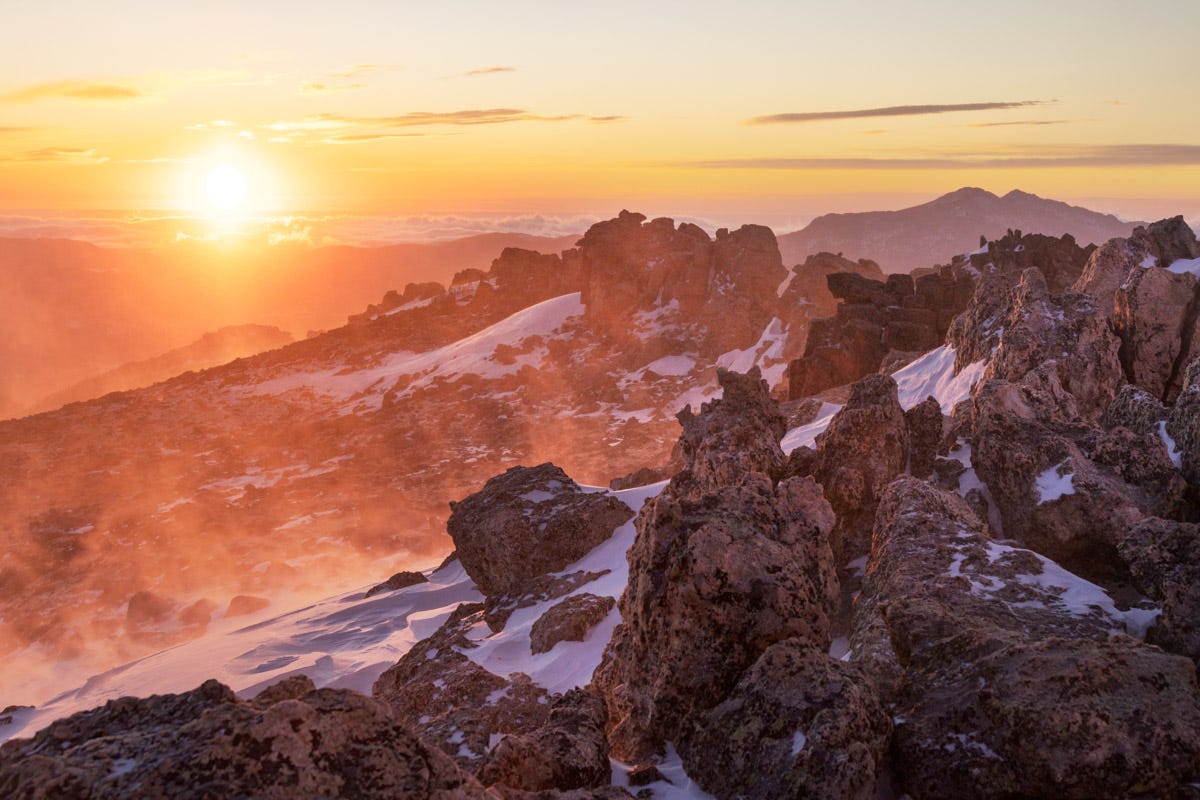
Tombstone Sunrise — All Photos by the author.
This is the final essay in a three-part exploration of liminalism and the psychology of visual experience.
Standing behind my tripod, I curled my hands inside my overmitts trying to dull the throbbing in my fingers. A blast of wind swept around the lee of my shelter boulder, kicking up crystal spindrift and snow devils. I clutched a stylus in my hand to navigate the touch screen on the back of my camera. I wasn’t about to take off my mittens.
As I framed the scene, the contradiction stopped me cold. I was so very cold, yet the colors around me screamed warmth.
The ochre rocks marched in a line up toward the bright horizon. The rising sun burned orange against the rocks and snow. The swirling snow was like tongues of flame licking upward from the slopes.
I marveled at the mystery of this inhospitable place. I was elated by this new day, but conflicted with my very present need to get some shelter.
It went beyond just a landscape. It is a story that slowly develops the longer you sit with it. The warm colors grab you. But that lasts only a moment as the eyes linger to take in other details. What lay below the seascape of clouds on the horizon? Is there safety down there, or a storm?
Many attendees at my art shows have assumed the image was a painting rather than a photograph.
With that assumption comes another. It’s not just a photograph; it’s art.
None of this would have happened in an ordinary place. I picked a place where I knew magic was not guaranteed but possible. What my instincts told me then, I’ve learned is just the psychology of perception.
The first layer is supraliminal: the bright orange glow that immediately captures attention. But like the noise in a crowded restaurant, it’s quickly assimilated and fades in consciousness.
Next are the subliminal messages, like the foggy horizon and the vaguely fire-like sense of the swirling snow. These tug at deeply rooted emotions around safety, warmth, and danger. Sunrise is often associated with comfort, but here it just illuminates a hostile place.
The result is conflicting emotions. You’re not really sure how you should feel about the paradox, so the image lingers. You might feel a bit of excitement, but then question it. You might feel a bit uneasy, which can prompt curiosity to learn more.
That is the nature of a liminal experience. It is not an aesthetic or a location. It’s the place between wakefulness and sleep.
The modern internet trend of liminal photography touches the border of this principle without fully realizing it. I love those moody, ephemeral images that I see on liminal photography forums.
But they are not mine.
If I were to just go and copy this aesthetic, I might get some trophy photos, but they would be less meaningful to me. Instead, I’ve learned to work with these layers of perception in places far beyond abandoned malls or dimly lit hallways.
And I find them in all sorts of places.
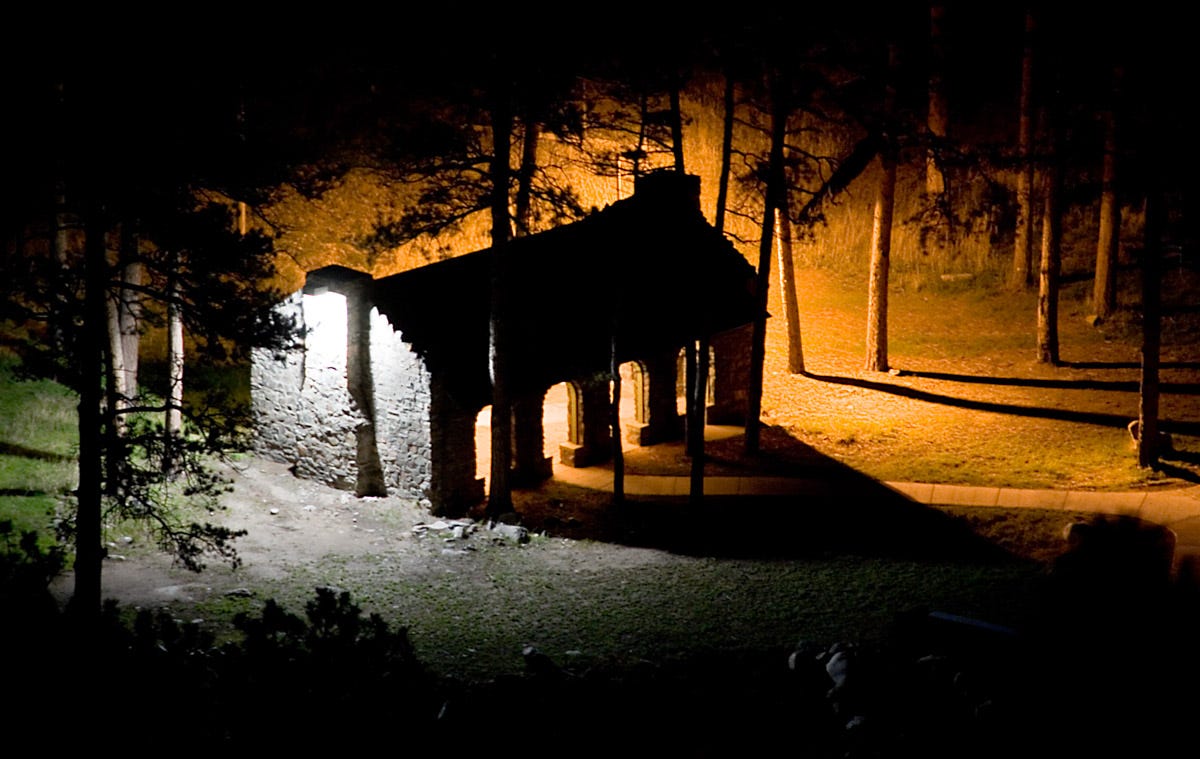
Where light meets shadow and painful memories reside

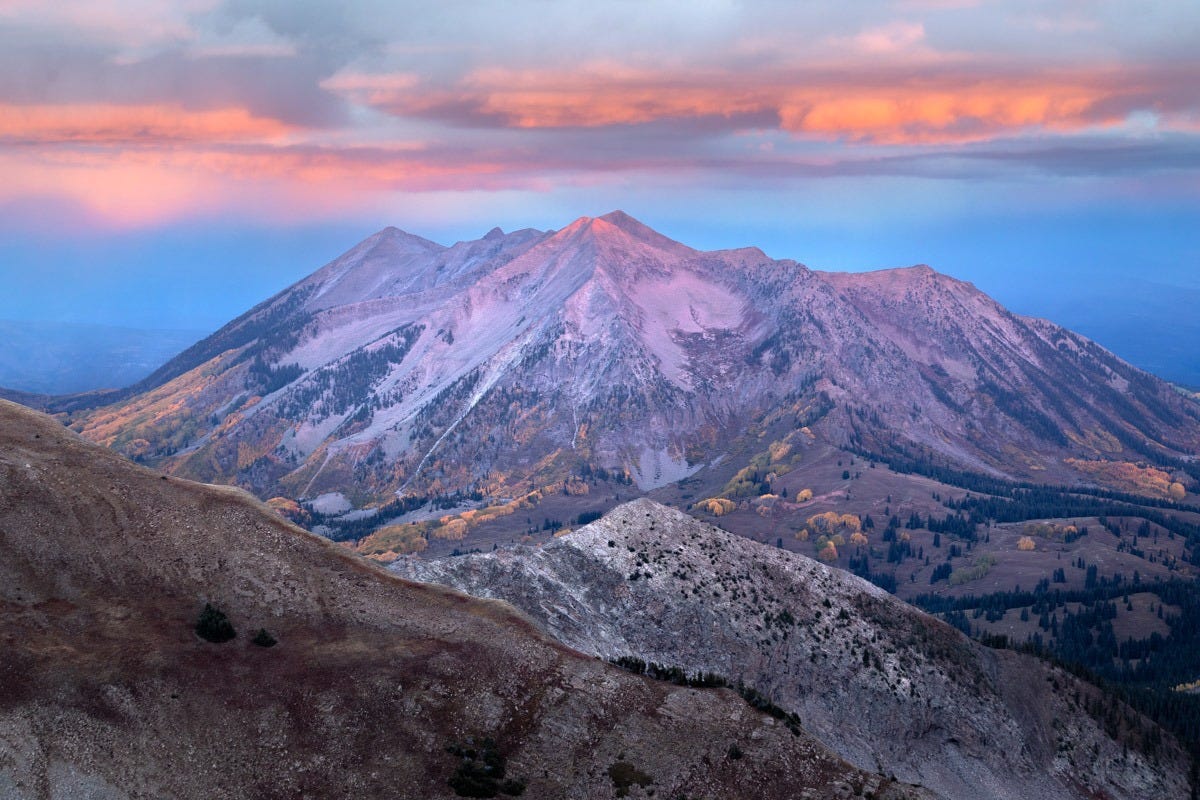
Where seasons don’t match the land.
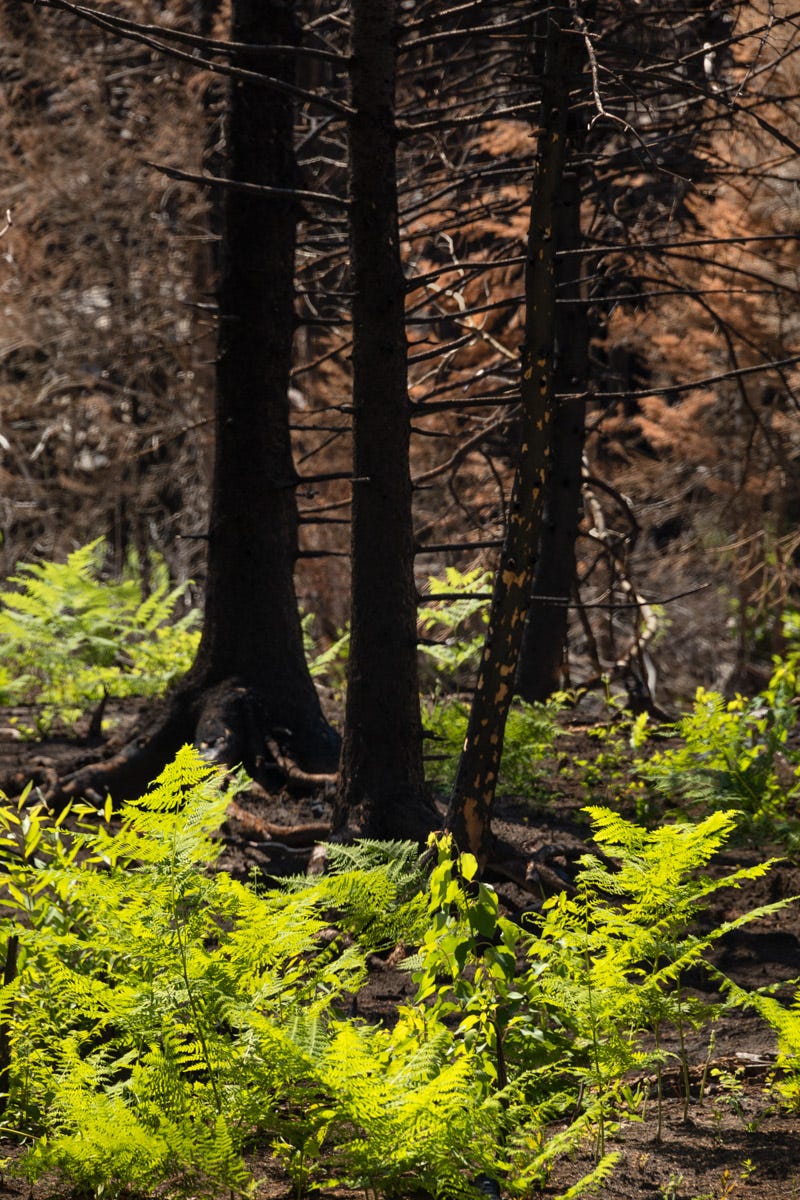
Life in the ashes

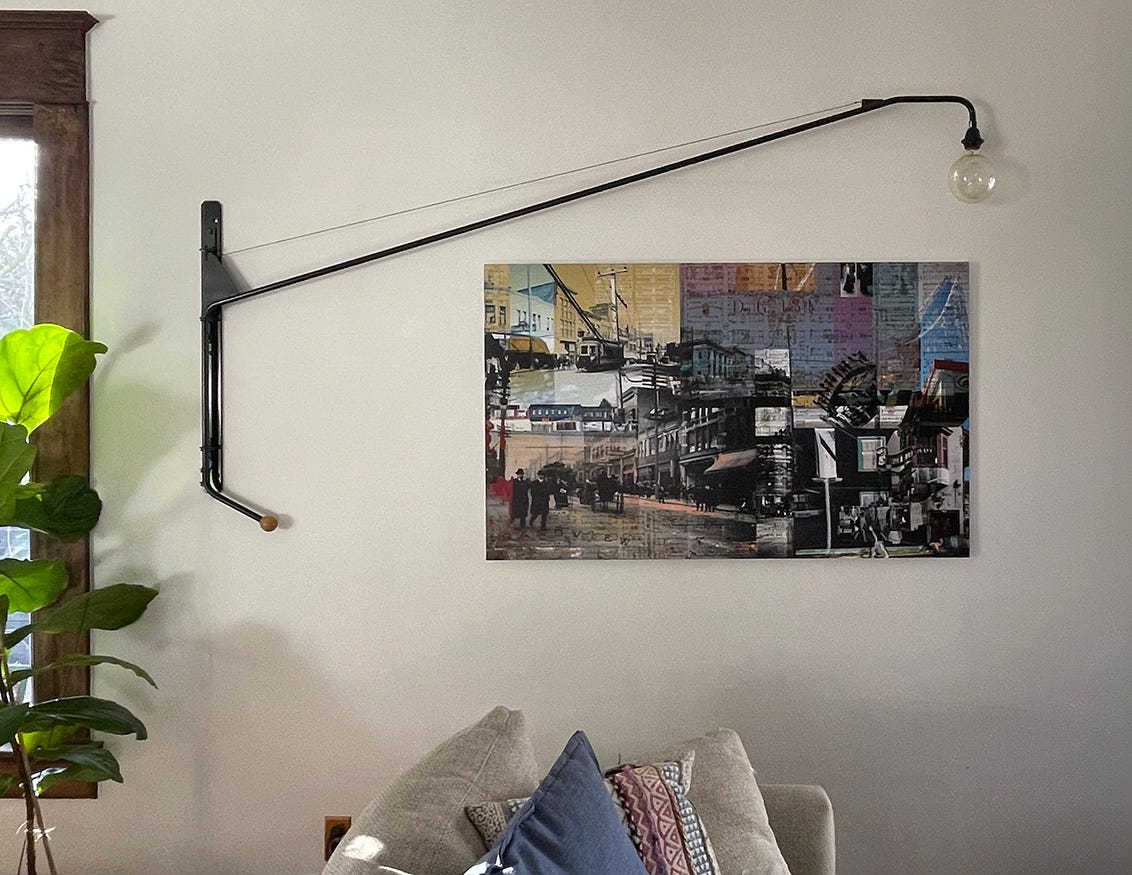
Where symbols of youth decay.
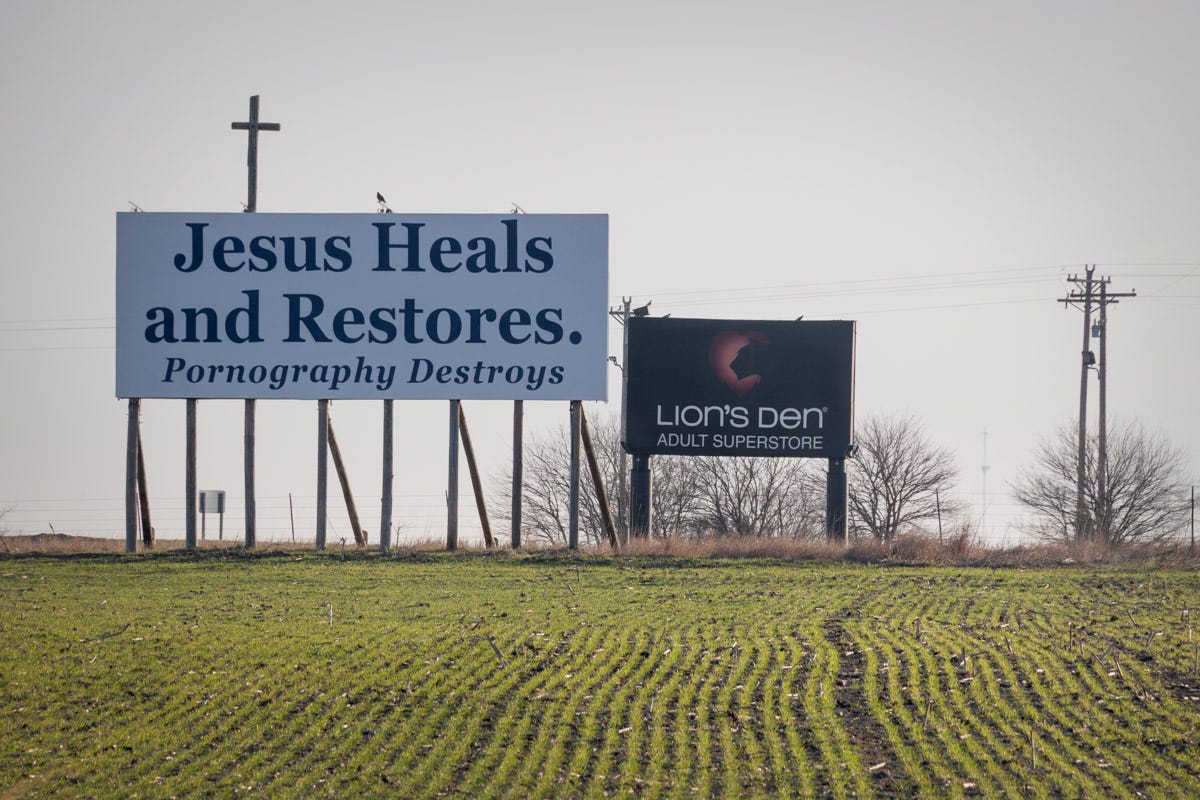
Where spirituality meets hedonism.
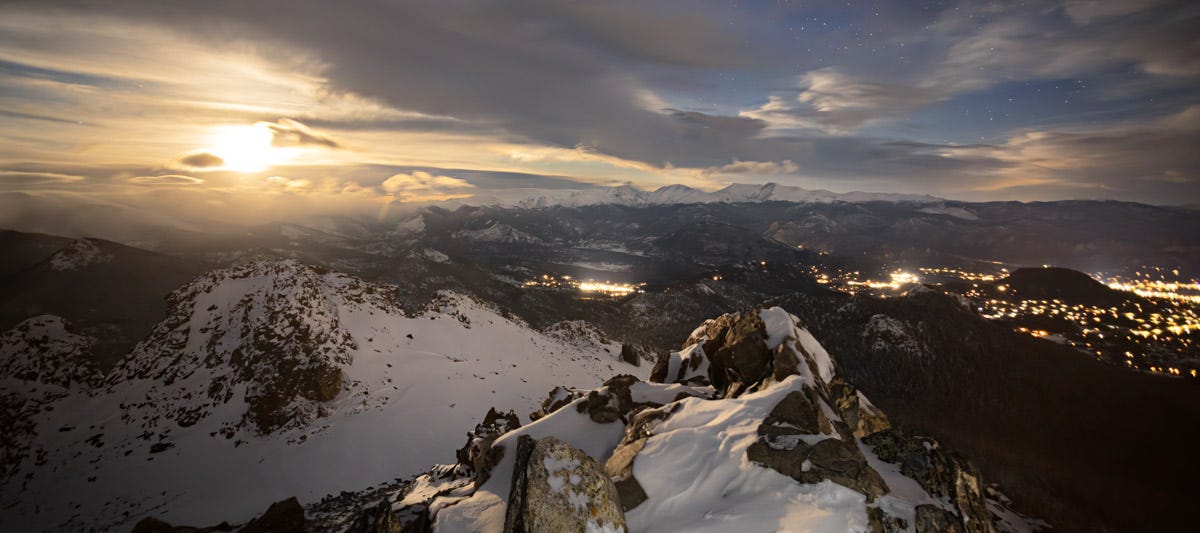
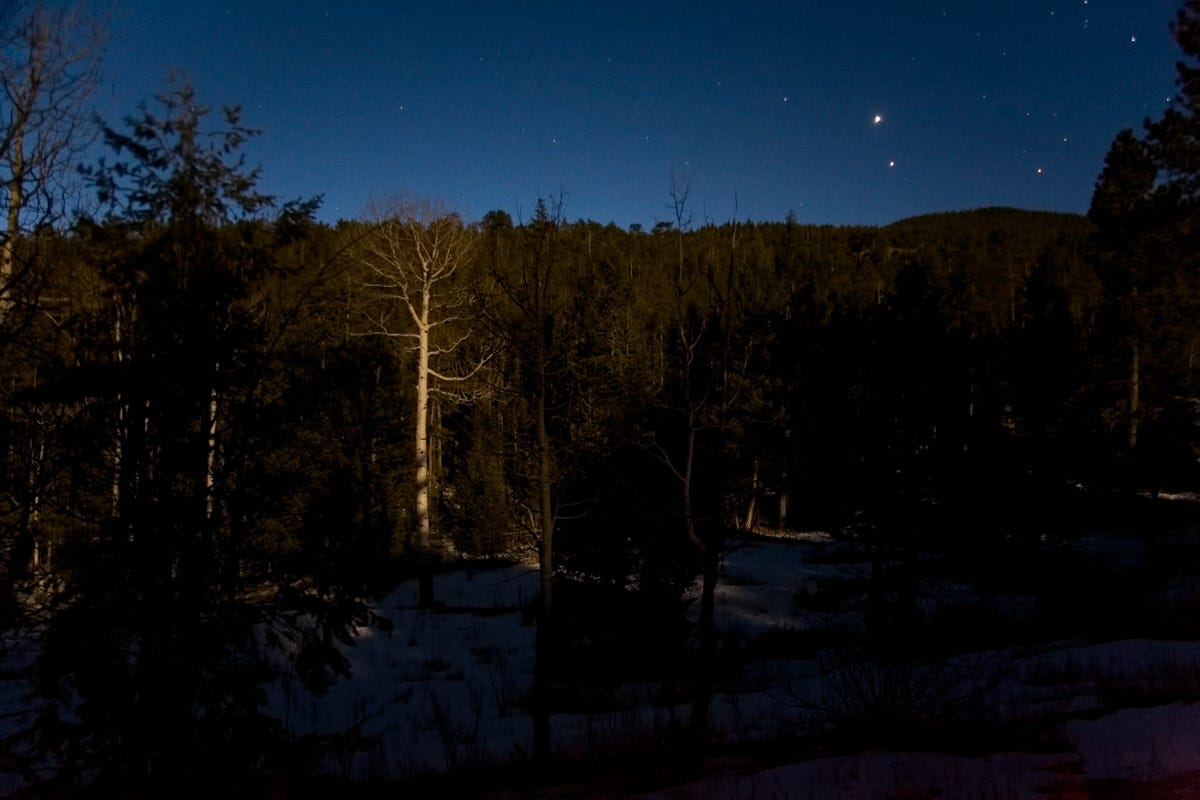
Where the moon is the sun and humans intrude where they don’t belong.

Where geology becomes ancient architecture.
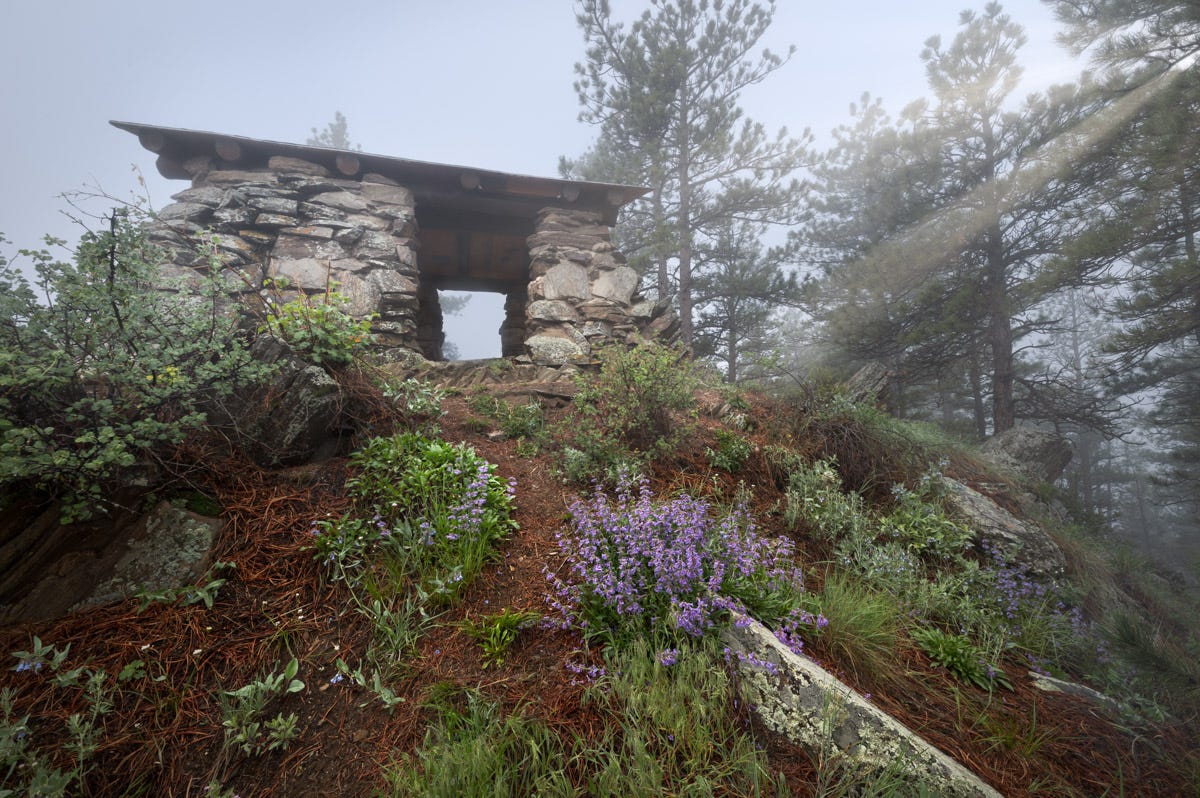
Where fog obscures presence.
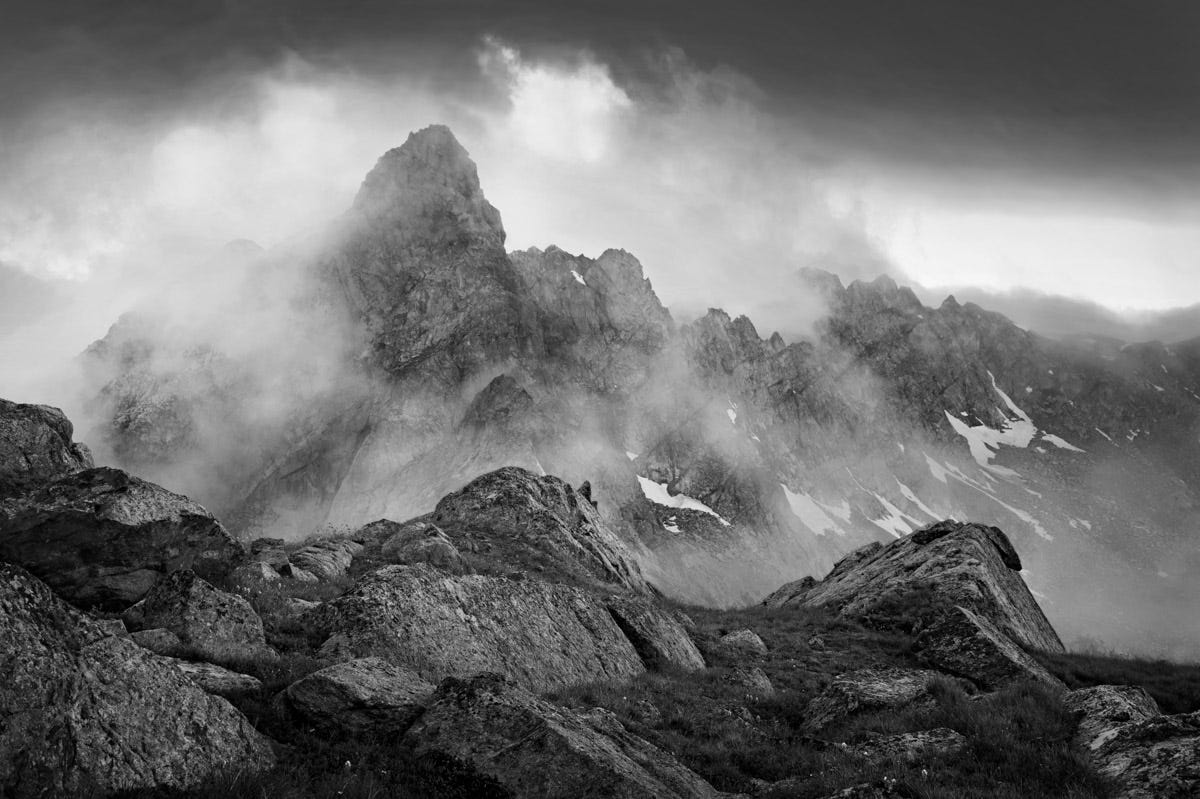
Where the sky battles the land for dominance.
I don’t search for something specific to shoot. Instead, I pay attention to how I’m feeling about what I see. I always pack a fanciful, romantic heart. I let myself drift toward thoughts of love, loss, memory, and mortality.
I notice how every ant is engaged in an epic struggle. I consider what it would feel like to be a ghost in this place. What do trees dream? This colors my perception as I walk, and I no longer just see things but stories.
When I feel that little tickle in the back of my mind, I stop. When the world turns sideways for a moment, as if I’m on a perceptual tilt-a-whirl, I get out my camera and start playing.
Capturing a great subject in the field is just the beginning. The final bit of magic happens when I open my new image in Photoshop and start making adjustments. What begins emotionally in the field is reinforced intentionally in post-processing. Editing is not deception; instead, it’s guiding perception.
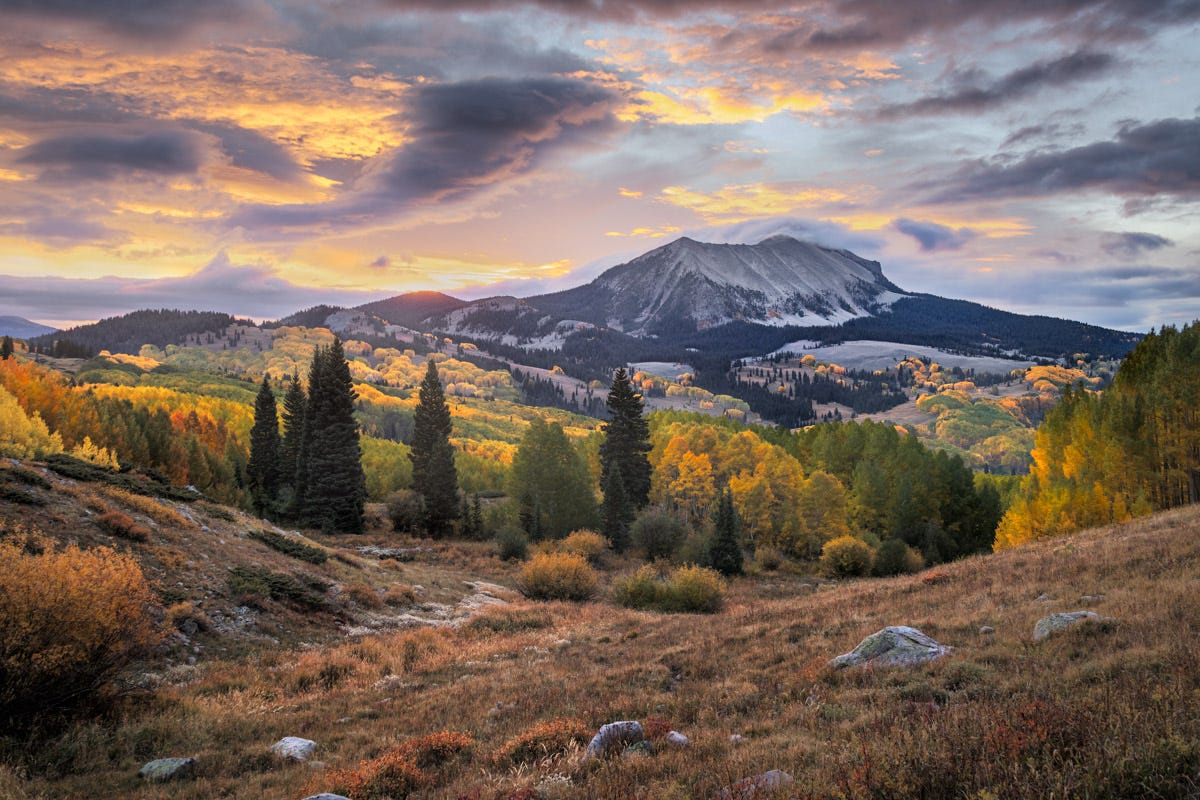
Anthracite Fire Final Version — This is what I saw, and more importantly, felt.
I’m drawn to images where color immediately creates emotions. For me, if an image doesn’t have good color harmony, I will either convert it to black and white or skip it entirely.
Before color can speak emotionally, it has to feel believable.
I don’t crank up the saturation slider to get colors to pop. While the oranges dominate the story of Anthracite Fire, they only average about 60% saturation. Instead, I use color contrast. When you have a warm color next to a cool one, it makes both seem more vibrant.
An image will just seem unnatural if it has a color cast. The slight green or magenta tint will prevent any of the true colors from shining. So I take my time dialing in the correct white balance.
By slightly deepening the midtone shadows and brightening the midtone highlights, the colors begin to separate and intensify. Contrast naturally increases saturation.
The eye searches for visual salience.
We seek bright colors and tend to ignore darker or muted areas. So I’ll lightly paint adjustments to lead my viewer on a tour. I often put a vignette over my photo, either by darkening the edges to keep attention inside or bleeding out to white in my snowy scenes.
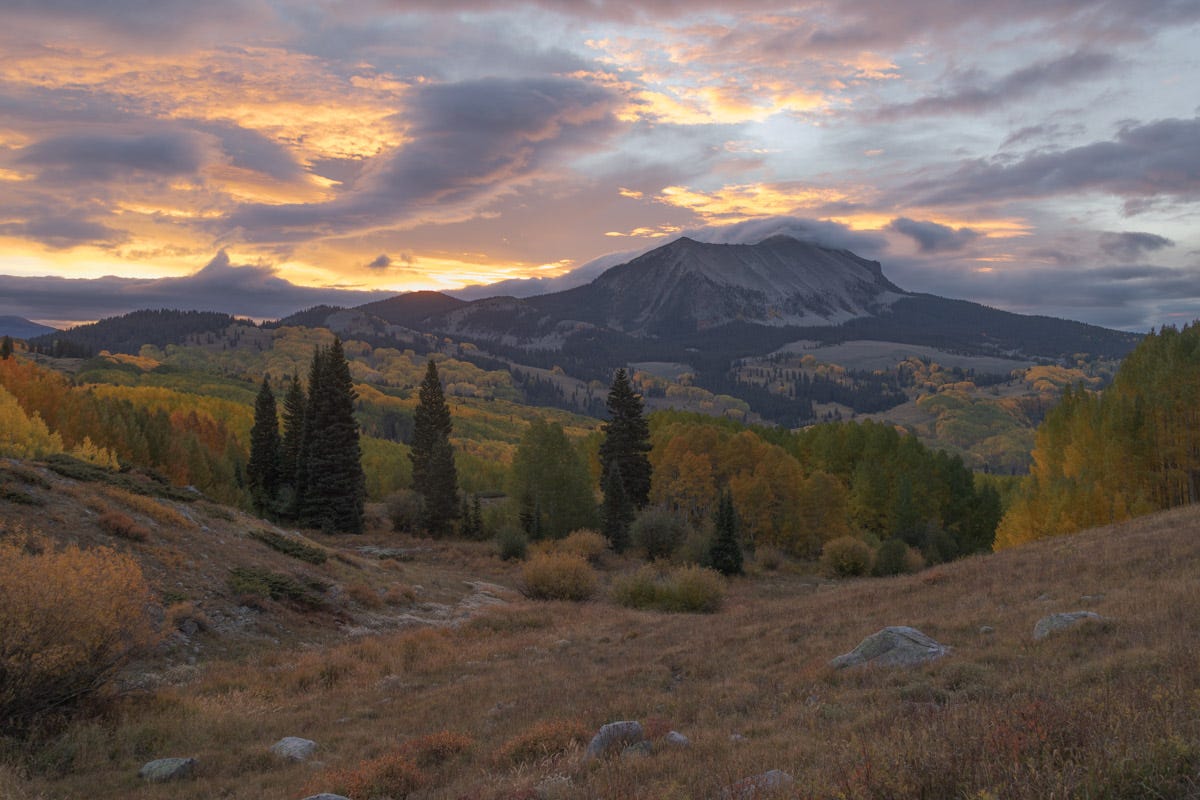
Anthracite Fire RAW Version — The camera couldn’t capture the dynamic range that I saw.
These processing tools do what a camera can’t. It just records information, but I want to reconstruct the experience.
A camera flattens what I experienced dynamically. I strive to create an image of what I remember seeing, but memory exaggerates. I remember emotions first, and editing restores what my heart prioritizes.
I want to fall back into that emotional space every time I see the image. If I can get another viewer to feel the same way, then I’ve really succeeded.
Despite my freezing fingers, I lingered on Tombstone Ridge while the sun rose higher. I was fascinated by the glittering diamonds flying among the rocks. I was in Mordor and Antarctica simultaneously. I leaned into the discomfort and found another image that expressed my emotions louder than words ever could.
Liminalism is in the heart, not a place.

My Final Image — Tombstone Rocks
If you’ve ever felt the world turn sideways for a moment, you can explore the full framework here:
[embed]The Liminalism Series A Philosophy of Photographymedium.com
- Click on “Follow” and “Subscribe” if you want to know each time I publish a new article.
- My first book is Gratitude: A Wilderness Journal to Heal Your Soul
- I sell my images at creationimagesphotography.com.
- www.iamverifiedhuman.com

메타데이터
- post_id
- c0ce8808e77a
- slug
- engineering-perceptions-c0ce8808e77a
- url
- https://medium.com/full-frame/engineering-perceptions-c0ce8808e77a
- canonical_url
- https://medium.com/full-frame/engineering-perceptions-c0ce8808e77a
- author_url
- https://medium.com/@creationimagescolorado
- status
- ok
- fetched_at
- 2026-07-10 19:34:48