Why Sleep Is the Most Underrated Anti Aging Treatment
When people think about anti-aging, sleep isn’t exactly the first thing that comes to mind. It’s usually serums, treatments, maybe a new…
Why Sleep Is the Most Underrated Anti Aging Treatment
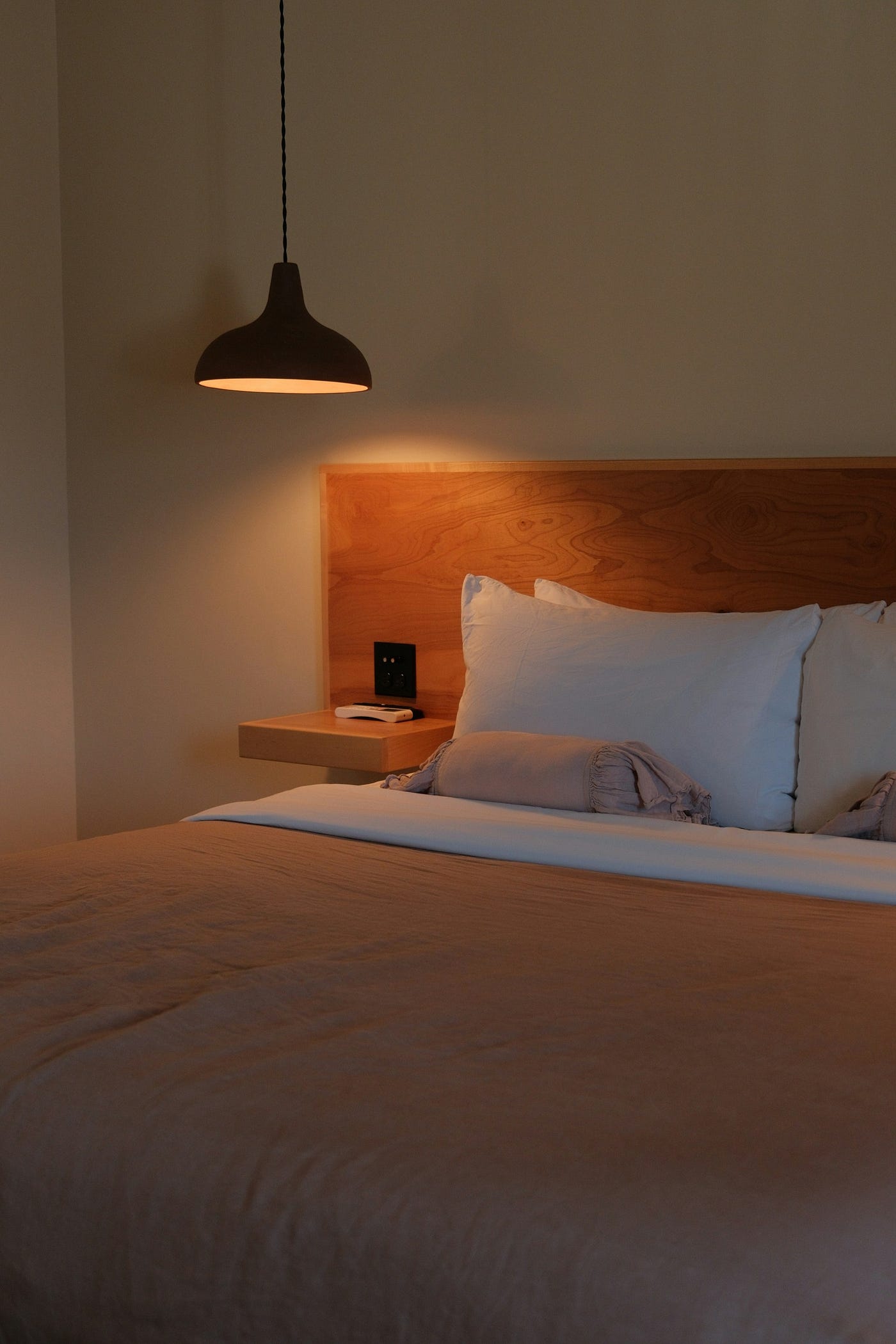
When people think about anti-aging, sleep isn’t exactly the first thing that comes to mind. It’s usually serums, treatments, maybe a new skincare routine that promises smoother skin in two weeks. But sleep? That gets pushed aside like it’s optional.
And yet, if there’s one habit that quietly shapes how you look, how your skin behaves, and even how you age over time, it’s sleep. No fancy packaging, no marketing hype. Just your body doing its thing while you’re knocked out.
What Really Happens to Your Skin While You Sleep
Here’s where it gets interesting. When you fall asleep, your body switches into repair mode. Not casually, not halfway. Full-on restoration.
Skin cells regenerate faster. Blood flow to the skin increases. Collagen production gets a boost. That’s the protein responsible for keeping your skin firm and smooth, by the way. When people talk about youthful skin, they’re basically talking about collagen levels.
And during deep sleep, your body lowers stress hormones like cortisol. High cortisol is one of those sneaky things that breaks down collagen and makes your skin look tired… even if you’re using all the right products.
So yeah, sleep isn’t just “rest.” It’s overnight maintenance.
The Real Cost of Poor Sleep (It Shows on Your Face)
You’ve probably seen it before. Maybe on yourself after a rough night. Dull skin, puffiness, dark circles that refuse to go away no matter how much concealer you use.That’s not random.
When sleep is cut short or inconsistent, your body doesn’t get enough time to repair damage. Skin barrier weakens. Moisture escapes faster. Inflammation creeps in. Suddenly, your face looks a little older than it did the week before.
And here’s the part people don’t love hearing: chronic sleep deprivation speeds up visible aging. Fine lines appear sooner. Skin loses that natural glow. It just… looks tired. Because it is.
Why Skincare Alone Isn’t Enough
There’s this idea floating around that if you just find the “right” products, you can fix anything. And sure, good skincare matters. It helps. But it can’t fully make up for poor sleep.
Think of it like this: using expensive creams while sleeping four hours a night is a bit like watering a plant but keeping it in the dark. You’re helping, but not solving the real issue.
Sleep is what allows those products to actually work better. Your skin is more receptive at night. Absorption improves. Repair processes are active. Everything you apply has a better chance of doing its job.
Without sleep you’re kind of fighting an uphill battle.
The Link Between Sleep and Looking Good Overall
It’s not just skin, either. Sleep affects your entire appearance.
When you’re well-rested, your eyes look brighter. Your posture improves. Even your facial expressions change — less tension, more relaxed. People notice, even if they can’t explain why.
On the flip side, poor sleep tends to show up everywhere. Skin aside, you might look a bit more drawn, maybe slightly older than usual. Hair can even lose some shine over time. It all adds up.
You know that feeling when someone says, “You look tired,” and you instantly know they’re right? That’s sleep talking.
How Much Sleep Do You Actually Need?
This part gets debated a lot, but most adults do best with around 7 to 9 hours of sleep per night. Not five. Not “I’ll catch up on weekends.” Consistent, regular sleep. And consistency matters more than people think.
Going to bed at wildly different times every night confuses your body. Your internal clock struggles to keep up. So even if you technically get enough hours, the quality might not be great.
A steady rhythm — same sleep time, same wake time — helps your body settle into a pattern. And that’s when the real benefits start to show.
Small Habits That Improve Sleep (and Your Skin)
No need for a complete lifestyle overhaul. Sometimes it’s the smaller tweaks that make a difference.
Try dimming lights in the evening. Your body reads that as a signal to wind down. Scrolling on your phone in bed? That bright light can mess with your ability to fall asleep. It’s annoying, but true.
Also, your sleeping environment matters more than you think. A cool, dark room helps your body relax faster. Even your pillowcase can play a role — clean fabrics reduce irritation, especially if your skin is sensitive.
And food… well, heavy meals late at night can interfere with sleep quality. So can caffeine linger in your system longer than expected. It’s not about being strict, just aware.
The Emotional Side of Sleep and Aging
Here’s something that doesn’t get talked about enough.
Sleep affects how you feel about yourself. When you’re rested, you tend to feel more confident, more present. You engage differently with people. You might even carry yourself in a way that feels… lighter.
Lack of sleep does the opposite. Irritability, low energy, that foggy feeling where everything feels a bit harder than it should. And that emotional weight can reflect outward, too. Looking good isn’t only about smooth skin or fewer lines. It’s also about how you feel walking into a room.
So Why Do We Ignore Something So Important?
Probably because sleep doesn’t feel like an “active” solution. You’re not buying anything. Not applying anything. It doesn’t give instant, dramatic results overnight like a treatment might promise.
But over time? It’s one of the most powerful things you can give your body.And honestly, it’s also one of the simplest. No complicated routines. No guessing which product works. Just rest.
A Different Way to Think About Anti-Aging
Instead of chasing every new trend or product, it might be worth stepping back for a second. What if looking younger, feeling better, and improving your skin started with something as basic as sleep? Not glamorous. Not flashy. But real.
Because at the end of the day, your body already knows how to repair, restore, and maintain itself. It just needs the time to do it. And that time? It happens while you sleep.
Photo by Jazmin Wong on Unsplash
메타데이터
- post_id
- c94fcc1942de
- slug
- why-sleep-is-the-most-underrated-anti-aging-treatment-c94fcc1942de
- url
- https://medium.com/@s_m_1980/why-sleep-is-the-most-underrated-anti-aging-treatment-c94fcc1942de
- canonical_url
- https://medium.com/@s_m_1980/why-sleep-is-the-most-underrated-anti-aging-treatment-c94fcc1942de
- author_url
- https://medium.com/@s_m_1980
- status
- ok
- fetched_at
- 2026-06-27 18:20:27