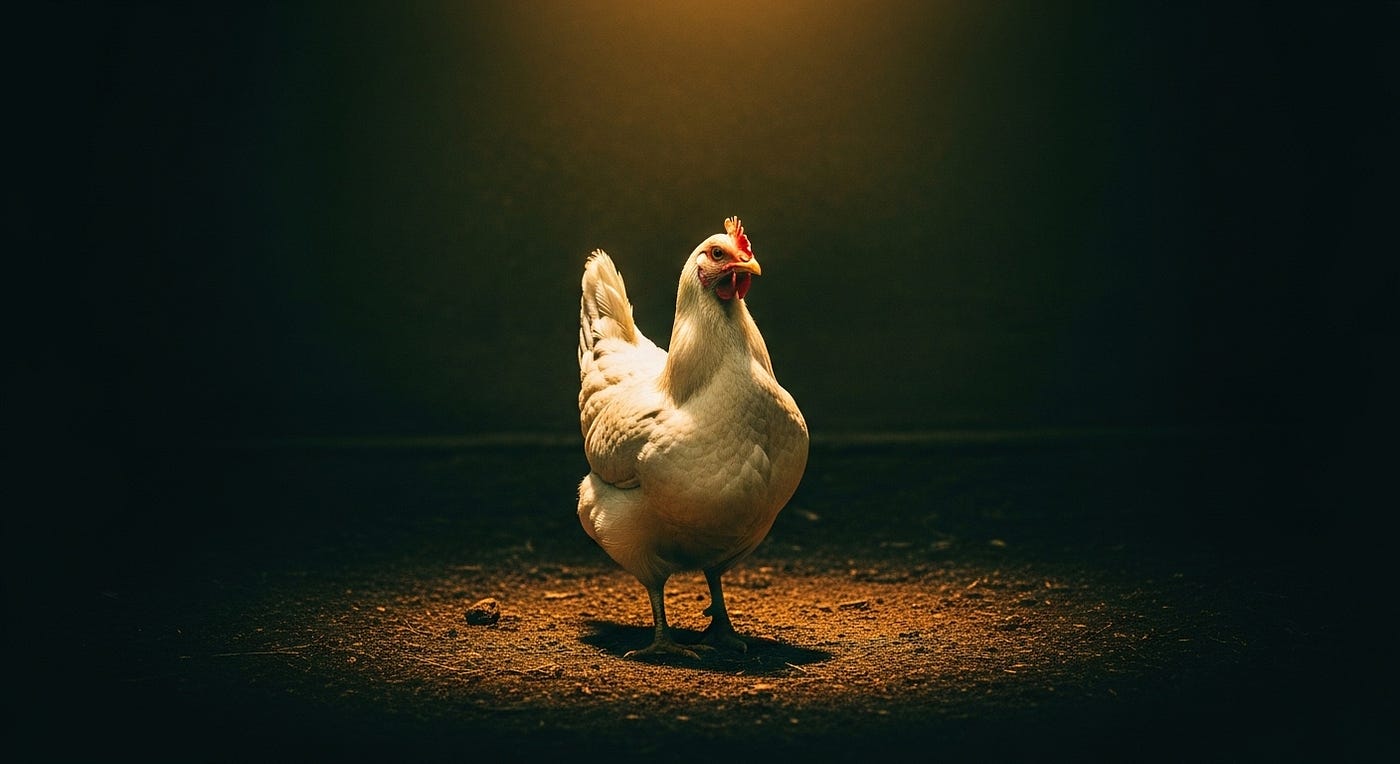
The Business of Low-Cost Farming
How to Maximize Poultry Farm Profits with Minimal Investment Subtitle: Ditching traditional structures for HDPE, mobility, and…
The Business of Low-Cost Farming
How to Maximize Poultry Farm Profits with Minimal Investment Subtitle: Ditching traditional structures for HDPE, mobility, and biology-driven design.
When it comes to scaling a poultry farm, the biggest barrier to entry isn’t the cost of the chickens — it’s the cost of the infrastructure. Farmers often dump tens of thousands of dollars into massive, heated hangars or complex wooden coops. But what if the secret to maximizing profits meant spending a fraction of that cost upfront?
Welcome to the era of ultra-low-cost, biology-driven farm blueprints.
Rethinking Materials: Enter HDPE
Wood has been the traditional go-to for coops, but it’s a flawed material. It harbors moisture, bugs, diseases, and mites. It’s nearly impossible to sanitize thoroughly.
The smarter, more sustainable choice? High-Density Polyethylene (HDPE). HDPE is incredibly cheap, durable, and UV-resistant. It can withstand years of extreme weather, and best of all, pests cannot hide in it. When exposed to the sun, HDPE naturally overheats just enough to kill bacteria and decompose viruses, creating a self-sanitizing environment.
The Greenhouse Effect for Extended Seasons
If you’re farming in colder climates, seasonality is your biggest enemy. Instead of spending a fortune on artificial heating, smart design can give you an extra cycle of meat chickens per year.
By combining simple HDPE structures with greenhouse nylon and wiggle wire, you can create a passive greenhouse effect. During the transition months of early spring or late autumn, the hot air rises to where the chickens roost, naturally raising the ambient temperature by 15–20°C. This simple tweak could effectively double your sales for the year with nearly zero ongoing energy costs.
Mobility Over Monuments
Instead of building static “monuments” to poultry farming, utilizing highly mobile coops allows you to rotate your flock effortlessly. Whether anchored down with cables or pulled slowly by a solar-powered winch, moving the coops protects the pasture and prevents the buildup of ammonia and parasites.
At the end of the day, chickens make you money — the building doesn’t. By minimizing infrastructure costs, you free up capital to scale your flock and increase your margins.
Ready to stop overspending and start farming smarter? Explore the exact structural diagrams and material breakdowns in the **Sustainable Chicken Farm Blueprints** by Maverick Mansions.
메타데이터
- post_id
- cd0d372ccff2
- slug
- the-business-of-low-cost-farming-cd0d372ccff2
- url
- https://medium.com/@maverickmansions/the-business-of-low-cost-farming-cd0d372ccff2
- canonical_url
- https://medium.com/@maverickmansions/the-business-of-low-cost-farming-cd0d372ccff2
- author_url
- https://medium.com/@maverickmansions
- status
- ok
- fetched_at
- 2026-07-30 03:31:42