Umbilical Cord Blood Carrying 200 Pollutants: Should We Stop Having Kids Or Stop Pollution?
The Hidden Story in Cord Blood
Umbilical Cord Blood Carrying 200 Pollutants: Should We Stop Having Kids Or Stop Pollution?
200 Chemicals Before the First Breath

A baby is supposed to arrive in the world fresh and clean. Yet studies of umbilical cord blood pollution show a different, brutal truth. In some research, scientists have found around 200 industrial chemicals and pollutants in the blood that connects mother and baby.
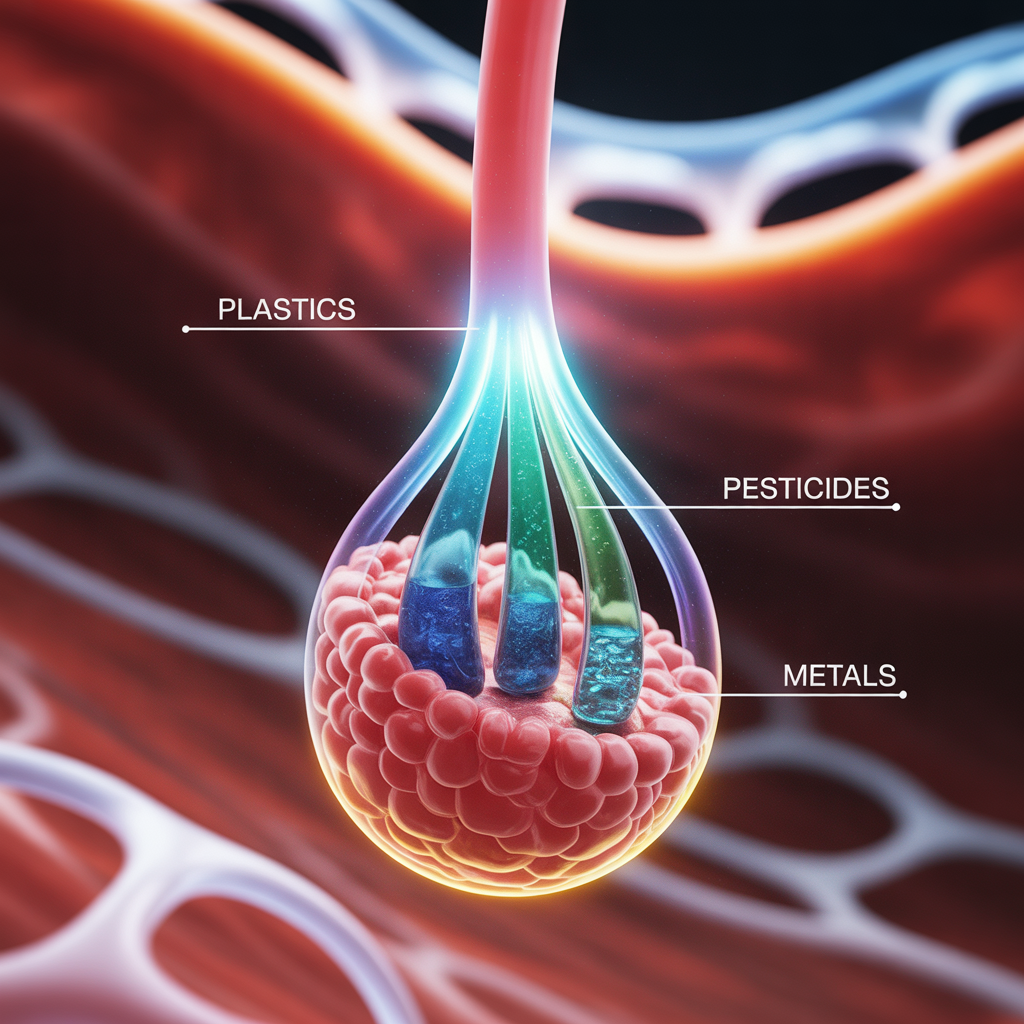
These include plastic chemicals, pesticides, and heavy metals.
Before a child even cries for the first time, their body is already carrying the chemical story of our polluted planet. (which are polluted by us, of course)
That fact hits hard. It can trigger fear, anger, guilt, or just numb confusion. Some people even say, half serious and half desperate, “So, yes, stop having kids if you cannot stop pollution.”
This article does not blame parents, or future parents. It looks at what science says, why this is happening, and what choices young people in India and across the world can make.
Not about giving up on children, but about refusing to give up on cleaner air, water, and soil.
[embed]
What Scientists Found In Umbilical Cord Blood And Why It Matters
Umbilical cord blood is the blood that flows between mother and baby during pregnancy. It carries oxygen, nutrients, and antibodies that help the baby grow safely in the womb.
Doctors often see it as a record of what the baby has been exposed to during those nine months.
When scientists began testing cord blood, they expected to find a few common pollutants. Instead, they found a chemical cocktail.
A well-known study on pollution in newborns found an average of 200 industrial chemicals and pollutants in cord blood samples taken from just ten babies in the United States.
You can read a clear summary of this research in the report “Body Burden: The Pollution in Newborns” by Environmental Working Group. Other reviews and campaigns, such as work shared by Health Care Without Harm and WWF, report similar numbers.
These chemicals include plastic-related chemicals like phthalates, perfluorinated compounds known as PFAS, pesticides, and metals like lead and mercury.
A recent review of PFAS showed that toxic “forever chemicals” were found in umbilical cord blood samples across dozens of studies worldwide, as reported in The Guardian.

For many of these substances, there is no safe level for a developing brain.
Why does this matter so much? Because pregnancy is a time when tiny changes can have long-term effects. The baby’s organs, brain, and hormone systems are still wiring themselves.
Chemicals that might not harm a healthy adult can disturb these early steps in powerful ways.
When many babies in a population are exposed, the impact adds up across a whole generation.
What Is Umbilical Cord Blood And How Can It Carry 200 Pollutants?

Umbilical cord blood is simply the baby’s blood, moving through the cord that joins them to the placenta. The placenta acts like a filter and a lifeline.
It lets useful things through, like oxygen, glucose, and vitamins. For a long time, people believed it blocked most harmful chemicals.
We now know that is only partly true. Pollutants from the air we breathe, the water we drink, the food we eat, and the products we use can enter a pregnant person’s body.
Many of these chemicals travel in the bloodstream. From there, they can cross the placenta and enter the baby’s blood.
Studies have found that cord blood often contains tens or even hundreds of different chemicals at once.
Cord blood is not “dirtier” than the mother’s blood. It simply shows that whatever is in her body can reach the baby too.
Types Of Chemicals Found In Babies At Birth
Scientists often group the pollutants found in cord blood into a few main categories:
- Industrial chemicals from plastics and coatings: These include phthalates and PFAS from plastic packaging, non stick cookware, waterproof clothing, food wrappers, and even some cosmetics.
- Pesticides: These come from chemicals used on farms, in gardens, and sometimes inside homes to kill insects or weeds, and they can stay on food or drift in air.
- Heavy metals: Lead, mercury, and arsenic can come from polluted water, old paint, industrial waste, coal burning, and some traditional medicines or cosmetics.
- Smoke related toxins: These come from cigarette smoke and from burning wood, coal, dung, or rubbish for cooking and heating, which is still common in many homes.
In Indian cities, doctors are already warning that toxic air is affecting newborn health, as covered in this Indian Express article on Delhi air pollution and babies.
PFAS from non stick pans, stain resistant fabrics, and some food packaging, as described in this article on “forever chemicals” in cord blood
Possible Health Risks For Babies And Children
Many of these chemicals are known as endocrine disrupting chemicals, or EDCs. “Endocrine” refers to hormones, the tiny chemical messages that control growth, mood, metabolism, and reproduction.
EDCs can act like fake hormones. They can switch signals on or off at the wrong time.
Research on EDCs in maternal and cord blood, such as the review shared in this open access paper on endocrine disrupting chemicals, links early exposure to problems like:
- Low or high birth weight
- Delayed brain development and learning issues
- Behaviour problems, such as poor attention
- Breathing troubles and higher asthma risk
- Changes in metabolism that may link to obesity or diabetes later
- Higher risk of some cancers much later in life
No scientist can look at a single baby’s cord blood and predict their future. Risk does not work that way.
But when many children are exposed to many chemicals, the chance of harm for the whole population goes up. It is like giving an entire generation a heavier backpack to carry from day one.
Is It Wrong To Have Children In A Polluted World?
The statement “stop having kid, if you can not stop pollution” sounds harsh, but it reflects real pain. People see headlines about microplastics found in placenta, PFAS in cord blood, and record heat waves.
They ask a fair question: is it responsible to bring a child into this mess?
There is no simple moral formula that fits every family, culture, or belief system. For many people in India, having children is deeply tied to faith, identity, and family duty.
For others, the decision is more personal or practical. Climate anxiety and eco guilt now mix into that decision too.
What we can say clearly is this: pollution is not the “fault” of parents who want children. Most toxic exposure comes from systems that were built long before today’s teenagers were born.
Factories choose cheaper dirty methods. Governments fail to regulate strongly. Companies push products that pollute, then blame individuals for “lifestyle choices”.
So instead of treating babies as the problem, it may be fairer to ask: how do we stop poisoning them before birth? And how can today’s young people, including future parents, push for that change?
The Fear Behind The Statement “Stop Having Kids”
When someone says “People should stop having kids until pollution is under control”, it usually comes from fear, NOT from hatred of children.
There are a few layers to this fear:
- Fear of health damage: Parents do not want their child to struggle with asthma, learning problems, or cancer risk because of chemicals they never chose.
- Climate anxiety: Many teenagers look at rising heat, floods, and crop failures and worry that their future child would inherit a world full of disasters.
- Anger at power: People are angry with governments and companies that keep approving mines, coal plants, and plastic factories while talking about “sustainability”.
It feels easier to control births than to control billion dollar industries. So some people focus on that.
But if we listen carefully, the message beneath “stop having kids” is usually “stop harming kids”. It is a scream against injustice, not against babies.
Why Blaming Parents Does Not Solve The Pollution Crisis
Parents do not design chemical plants. They do not write weak pollution laws. They do not choose what goes into every shampoo, packet of chips, or plastic bottle.
Most pollution comes from systems, not from individual mums and dads. Those systems include:
- Fossil fuel based energy for power and transport
- Industrial farming with heavy pesticide use
- Poorly regulated factories that dump waste into air and rivers
- Weak rules on toxic chemicals and plastic
Telling people, especially women, to “stop having kids” can also be deeply unfair.
It can ignore cultural expectations, religious beliefs, and personal dreams. In some cases, it has been used as a way to control certain communities while letting rich polluters continue as normal.
Real solutions must go after pollution itself. That means cleaner energy, safer chemicals, and strict rules on waste.
Family choices matter, but they are not the root cause of the 200 chemicals in cord blood.
Rethinking The Question: What If Every New Baby Became A Pollution Fighter?
There is another way to look at this. Instead of seeing babies only as future victims, we can imagine them as future pollution fighters.
Many of today’s climate and environment leaders are teenagers or in their early twenties. Across India and the world, students are leading clean up drives, air quality campaigns, and climate strikes.
Articles like this piece in Nature on children and synthetic chemicals remind us that children are not just at risk, they are also powerful voices for change.
Every child who grows up understanding what is in their water, food, and air can help shift the system. They can demand better laws, cleaner technologies, and honest science education.
So the real question becomes less “Should we stop having kids?” and more “Will we give every child the tools to fix what they inherit?”
What Can We Do To Protect Future Babies From Pollution?
Fear without action leads to despair. The good news is that action exists at many levels, from small daily choices to national laws and global agreements.
Families can reduce some risks right now, but the biggest drops in pollution will come from policy and system change.
Steps Families Can Take During Pregnancy And Everyday Life
No family can live a zero chemical life. That is not realistic, especially in busy Indian cities or villages with limited resources. But some simple steps can lower exposure:
- Avoid tobacco smoke: Do not smoke during pregnancy and keep homes smoke free. Second hand smoke is full of toxic chemicals that easily pass to the baby.
- Use less plastic with food: Try not to heat food in plastic containers or wrap hot rotis in plastic. Use steel, glass, or ceramic where possible.
- Choose fresh food when you can: Fresh vegetables, fruits, and home cooked meals usually contain fewer additives than highly processed, heavily packaged snacks. Wash produce well.
- Ventilate the home: Open windows when outdoor air is cleaner, especially during cooking. Use a chimney or exhaust fan if available.
- Move towards clean cooking fuels: If the family can switch from wood, coal, or dung to LPG or other cleaner fuels, indoor air improves a lot.
- Check local advice on water and fish: Some areas have higher levels of arsenic, fluoride, or industrial metals in water or fish. Follow health advisories and use safe water sources when possible.
These steps reduce risk, but they cannot remove all chemicals from a baby’s body. That is why personal responsibility alone is not enough. We need cleaner systems around us.
Why We Need Stronger Laws And Cleaner Systems
To cut those 200 pollutants in cord blood down to 20, or 2, or zero, we need action at scale.
Key changes include:
- Strict limits on toxic pesticides: Governments can ban or phase out the most dangerous chemicals and support farmers to shift to safer options. Studies on persistent pollutants in cord blood, like this open access paper on POPs in mothers and babies, show that strong bans work over time.
- Rules against “forever chemicals”: PFAS and similar substances should be restricted in products like food packaging, firefighting foam, and textiles.
- Control of factory waste and emissions: Industries must treat their waste instead of dumping it into rivers or air. Enforcement matters as much as laws.
- Clean public transport and energy: Shifting from diesel vehicles and coal plants to cleaner options cuts both climate emissions and toxic air.
When we push leaders to act on these points, we protect not only current citizens but also babies who are yet to be born.
How Students And Young Writers Can Be Part Of The Solution
If you are a school student reading this, you might think, “I do not run a factory or write laws, so what can I do?” Quite a lot, actually.
Young people can:
- Write articles, poems, or letters about pollution in their area
- Join or start eco clubs in school
- Ask school leaders to track air quality or plant more trees on campus
- Question local officials about waste burning, sewage, or water quality
- Share clear, science based posts on social media
Platforms like WriteToWin exist exactly for this reason. It is a free, India wide article writing competition for students in classes 6 to 12, focused on environment and climate change. By turning your concern into words, you help adults see what is at stake.
Your essay or speech cannot clean a river by itself. But it can move minds that control budgets, votes, and laws. That is how real change often starts.
Choosing Hope: Children, Pollution, And Our Shared Future
We now know that umbilical cord blood can carry a surprising list of pollutants. We also know that many of these substances can interfere with a child’s body at sensitive stages.
Ignoring that would be dishonest. Letting it crush us completely would be a waste.
The stronger response is to hold both truths at once: our world is polluted, and children still deserve to be born into it with a fighting chance. That means turning scientific data into social pressure and smart policy.
From “Stop Having Kids” To “Stop Poisoning Our Children”
Instead of telling people to stop having kids, we could say something else: stop poisoning our children before they are even born.
Every baby has a right to a cleaner start in life. That right does not depend on class, caste, religion, or country. It is a basic human claim, like the right to safe water or non toxic food.
So the sharp energy behind “stop having kids” can be redirected. It can become a demand for cleaner fuels, safer products, honest labelling, and strict limits on harmful chemicals. It can become support for parents who are trying to raise children in hard conditions.
Why Talking About Cord Blood Pollution Can Spark Real Change
Pollution in cord blood is invisible. We cannot see PFAS molecules or phthalates with the naked eye. But we can see stories.
When young writers, teachers, doctors, and activists explain that around 200 chemicals have been found in cord blood, they turn an abstract problem into something very real.
Articles, competitions, and classroom debates make the hidden visible for parents, school leaders, and politicians.
That is how awareness turns into policy, and policy turns into fewer chemicals in a baby’s first drop of blood.
Conclusion: From Despair To Determination
Science is clear that umbilical cord blood can carry many pollutants, from plastic chemicals to pesticides and heavy metals. This is a hard warning about how polluted our air, water, and products have become.
But the main enemy is pollution itself, NOT the idea of children.
Families can reduce some risks through daily choices. Governments and companies must cut pollution at its source. Young people, especially students in India or abroad, can use their voices, writing, and votes in the coming years to push for safer systems.
Instead of saying “do not have kids”, we can choose a tougher, braver path: fight so that every child born tomorrow breathes cleaner air and carries fewer chemicals in their first drop of blood.
메타데이터
- post_id
- d4ba5af73411
- slug
- umbilical-cord-blood-carrying-200-pollutants-should-we-stop-having-kids-or-stop-pollution-d4ba5af73411
- url
- https://medium.com/in-fitness-and-in-health/umbilical-cord-blood-carrying-200-pollutants-should-we-stop-having-kids-or-stop-pollution-d4ba5af73411
- canonical_url
- https://medium.com/in-fitness-and-in-health/umbilical-cord-blood-carrying-200-pollutants-should-we-stop-having-kids-or-stop-pollution-d4ba5af73411
- author_url
- https://medium.com/@saket-sambhav
- status
- ok
- fetched_at
- 2026-07-10 03:40:03