How to Edit Humanely
From an editor for The Shortform
How to Edit Humanely
From an editor for The Shortform
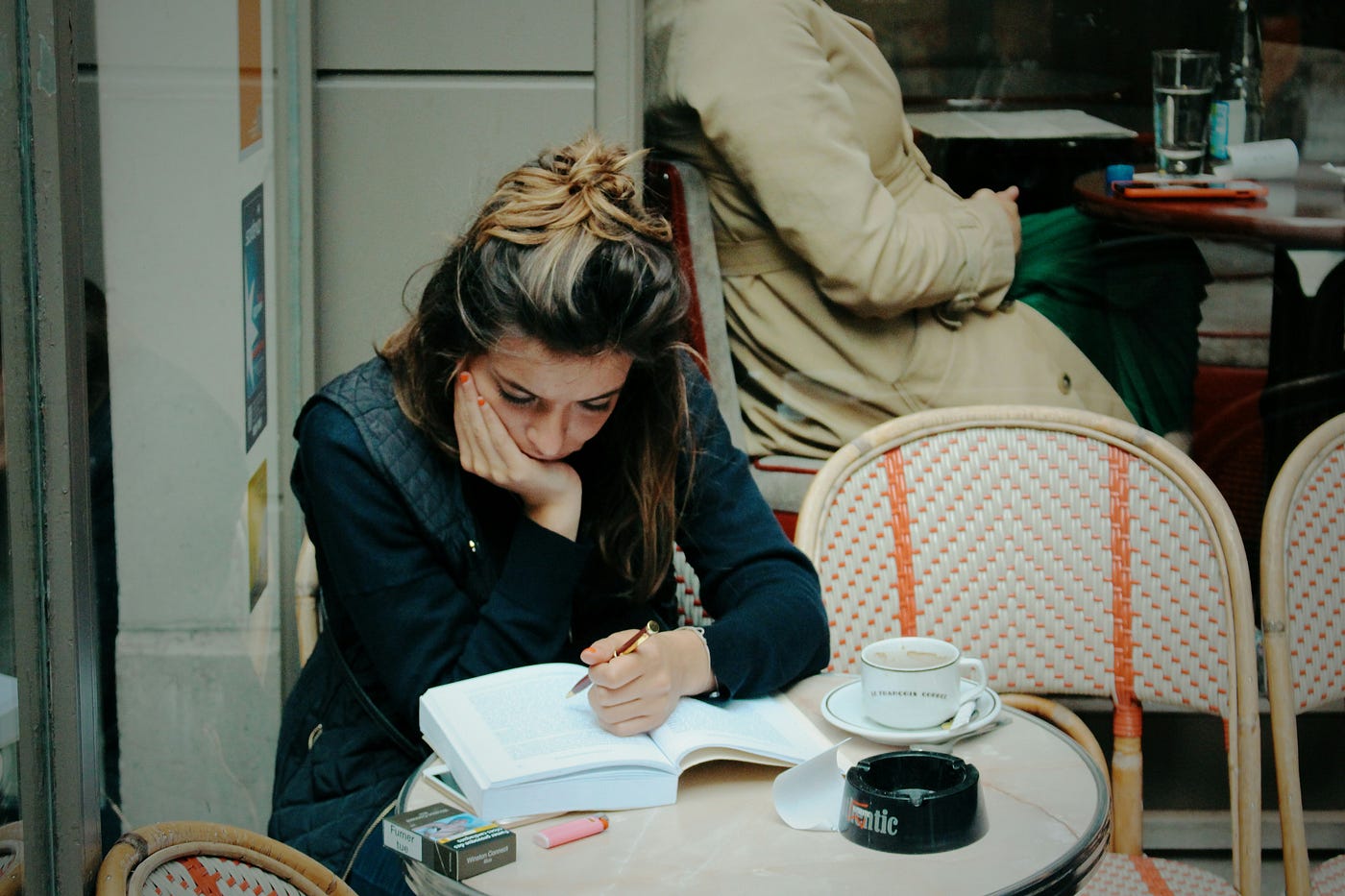
Photo by VENUS MAJOR on Unsplash
For years, before being on the other end of the editing pen, I was more than slightly daunted and unpleasantly amazed at the oftentimes cruel and curt remarks some editors left on my submissions.
Whether it was a difference of opinion, style, or a true lack of knowledge or skill in an area on my part, I did not understand the lack of encouragement displayed and believed it was in both the editor and writer’s interest that kindness prevail — if only to support hope and effort for the writer in their vulnerable endeavours.
Today I am blessed to be an editor, a responsibility I do not take lightly and a role I am proud of.
I have an innate, though systematic way of approaching the task of fine-tuning a work, which is important to provide reliable consistent editorial support.
I find that the following three basic tactics greatly assist my providing trustworthy editing service for the publication I am involved with, which is The ShortForm.
I strive to edit with compassion.
Most writers genuinely want to produce a good work, and to make a positive difference. Patience in reading a text is imperative, as it is easy to miss a writer’s message; they may need assistance in identifying and honing in on a clear goal for a piece.
Perhaps they want to inform, tell a story, rant, or offer speculation and perspective. Directing them to sweep away extra words, unnecessary phrases, or clarifying conflicting thought processes magnifies and enhances their work and get’s them thinking about what they really want or need to say, directly.
I will point out good work. It’s always nice to be noticed. If I read a submission, and I most often do, that is really good material, either very creative, honest, or well-researched and articulated, I will say so as often as time in the editing process permits. Writers, like all artists, need validation and highlighting good work is a must as an editor.
I listen to the writer behind the words. Because I have read a few very candid pieces that stunned me— (work that offered very personal information or invitation into one’s unique headspace) I have learned to stop and listen to what the author may actually be saying behind a story that may appear to be going in one direction, but with consideration, reveals quite a different message.
Many times tender vulnerability in writing requires gentle restructuring to hone the message into its true form. We can speak our minds while using skills that carve out the unique message hidden in an amass of words or emotions that may present as a storm difficult to see through.
I am committed to factuality.
If I find discrepancies in truth or accuracy in a text, I lean more toward gently positioning a writer to own their work with integrity by properly and accurately citing sources and requiring adequate research. A bit of tediosity in editing is the diligence in following citations to their exact source.
Often I find that a quote or a scenario described in an article is not found in the source as it is cited, or at all. I find that reframing the situation and re-affirming the need for thorough research increases writer authenticity and honors a person’s journey for that integrous artistic work ethic.
In case of emergency, there are AI and plagiarism checkers, which I do use when necessary.
I glean and utilize editing tips from other editors.
I closely observe the editing examples of our owner and Editor-in -Chief, Jonathan Townend, RMN and those of other editors where I publish on Medium.
Because every editor has their own writing journey, story, and experience, there are many slants and viewpoints I have been able to incorporate into my work as a result of being willing to hear another’s perspective on my work or writing topics.
Nicole Akers with Publishous is another influence on my work as a writer and in my editing prowess. Early on in my beginning with Medium she encouraged my writing style and provided honest feedback that made me take a second look at my work and my own outlook on writing and submitting to publications, creating increased focus and more succinct work.
Medium editors are in a unique position to improve the reputation of the publications we work for by building secure and safe relationships with writers and supporting best offered work for circulation.
To summarize, editors can use the glamorously mundane task of editing as a powerful tool to greatly encourage and inspire writers to become better story-tellers, increase confidence in their efforts and vision as artists, and especially support a more articulate and educated variety of content for readers.
Thank you for reading. I own Evergreen Encounters and SongPub, two very young publications I am painstakingly etching out a place for on Medium as I learn how to build these platforms. I write about medicine, wellness, mental health, family, parenting and much more.
메타데이터
- post_id
- f1bc8a6202d3
- slug
- how-to-edit-humanely-f1bc8a6202d3
- url
- https://writingcooperative.com/how-to-edit-humanely-f1bc8a6202d3
- canonical_url
- https://writingcooperative.com/how-to-edit-humanely-f1bc8a6202d3
- author_url
- https://medium.com/@christinavaughn-3299
- status
- ok
- fetched_at
- 2026-06-09 15:37:30