3 Reason Why Gen Z Feels Poor
People often say that Gen Z are terrible with money .
3 Reason Why Gen Z Feels Poor
People often say that Gen Z are terrible with money .
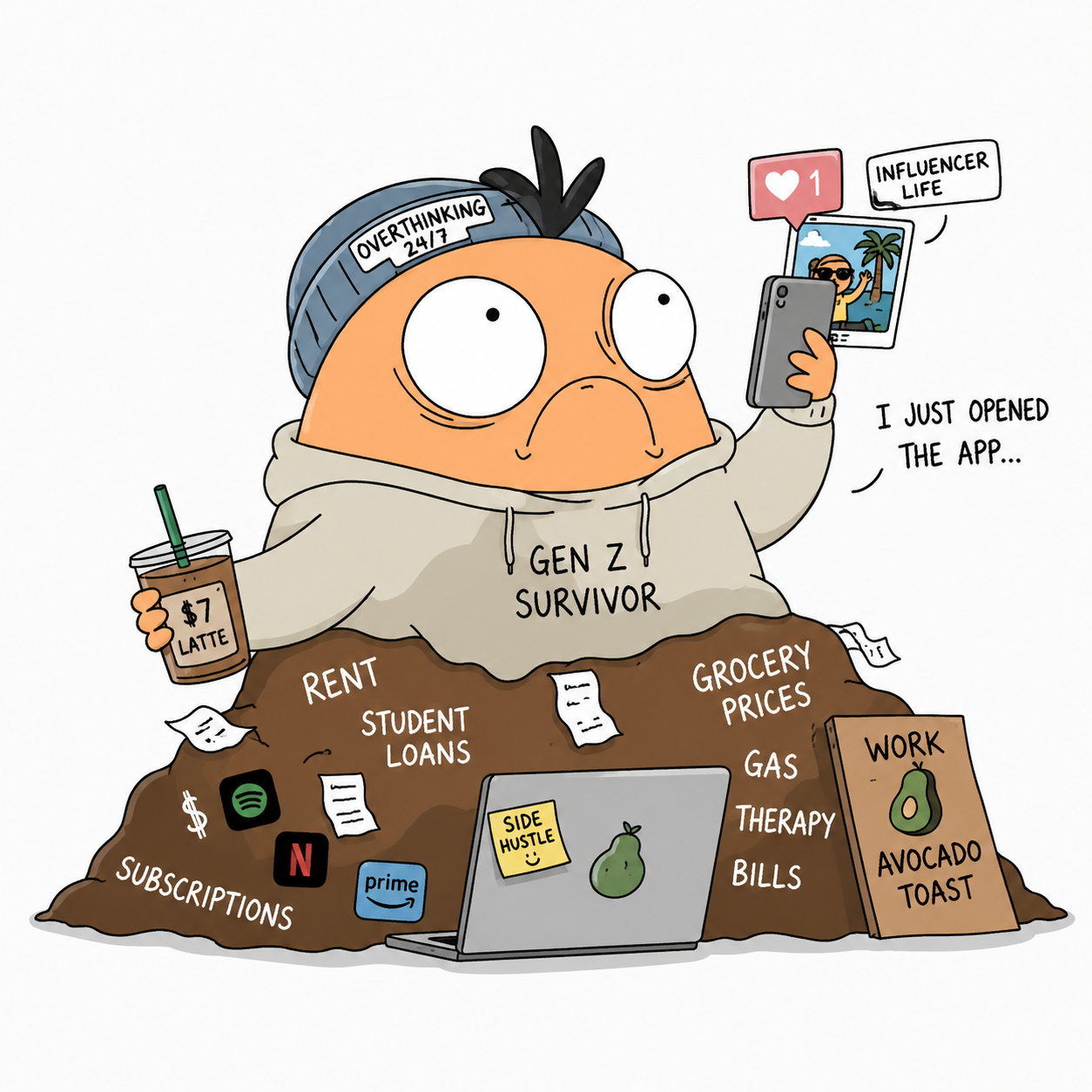
We’ve all heard the joke. If Gen Z just stopped buying $7 lattes and avocado toast, we’d all own three-bedroom houses by now, right? It’s the classic ‘pull yourself up by your bootstraps’ narrative.
[embed]
It’s the classic “pull yourself up by your bootstraps” narrative.
But in 2026, those bootstraps are fraying. Despite being the most educated and tech-savvy generation in history, nearly 48% of Gen Z say they feel financially insecure, and 61% are living with constant financial anxiety (Source: 2025/2026 Gallup and Intuit Financial Wellness Reports).
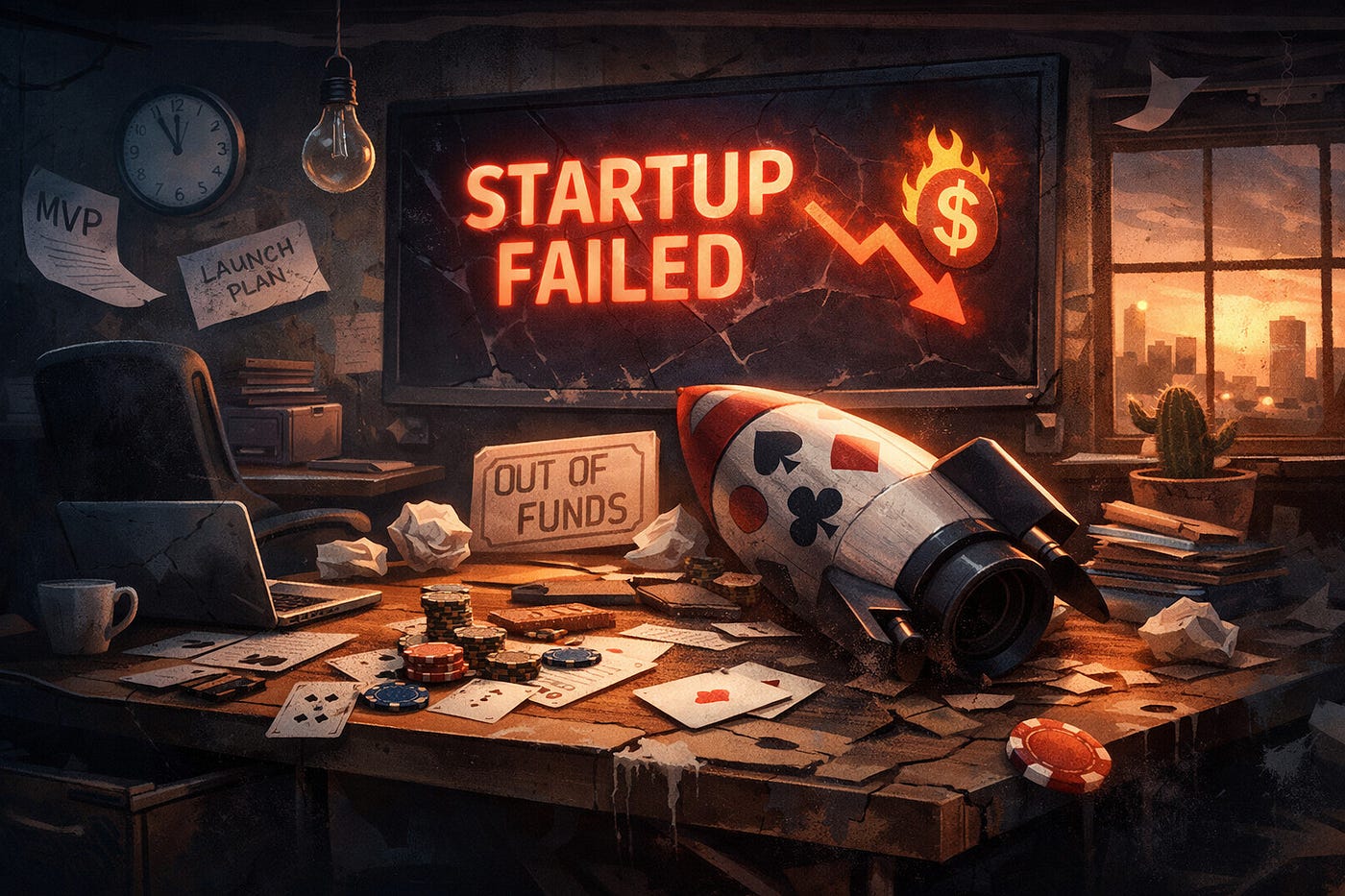
Is it just “vibes,” or is the math actually broken? Here are the three cold, hard reasons why Gen Z feels poor even when they’re working harder than ever.
1. The “Entry-Level” Extinction
Historically, the career path was a ladder: you graduated, got an entry-level job, and climbed. Today, the first rung of that ladder is being sawed off by AI. Recent data shows that about 25% of entry-level tasks are now performed by AI (Source: World Economic Forum 2026 Future of Jobs Outlook).
Businesses are slashing “junior” roles because algorithms can handle the data entry or basic coding. This has pushed youth unemployment to more than double the rate of older workers. Gen Z isn’t just competing with each other; they’re competing with software that doesn’t need a salary or a lunch break.
2. The Math of the “Big Three”
We often hear that “inflation is cooling,” but for someone starting out, the damage is done.
- Housing: In 1990, the median American home cost roughly 3x the median household income. Today, that ratio has doubled or even tripled in major cities.
- Debt: The average Gen Z adult carries $94,000 in personal debt, largely from student loans promised as “investments” (Source: 2026 Federal Reserve Generational Debt Tracking).
When you spend 40% of your paycheck on a tiny apartment and 20% on debt interest, you’re just a middleman between your boss and your creditors.
This has fueled “Financial Nihilism” the 2026 economic trend where young people choose immediate “micro-luxuries” over impossible long-term savings (Source: 2026 TrendWatch Economic Report).
3. The “Digital Lifestyle Tax”
Previous generations didn’t have to pay to “exist” digitally. In 2026, high-speed internet, smartphones, and software subscriptions are mandatory for work and social survival.
Beyond the wallet, there is the Psychological Cost. We see the top 0.1% of global wealth on our screens every 15 seconds. When your “normal” is a curated feed of influencers in Dubai, a perfectly fine life feels like poverty. This constant benchmarking makes “enough” feel like “nothing.”
Is it Hopeless?
Not exactly. While the traditional path is harder, Gen Z is the most entrepreneurial generation yet 41% have started side hustles to bridge the gap.
The real reason you feel poor isn’t the latte. It’s the collision of AI-driven job shifts, a decoupled housing market, and a debt-heavy education system. Understanding that the system is skewed is the first step to navigating it without losing your mind.
메타데이터
- post_id
- fd2ae85c1d5c
- slug
- 3-reason-why-gen-z-feels-poor-fd2ae85c1d5c
- url
- https://medium.com/@tanjima/3-reason-why-gen-z-feels-poor-fd2ae85c1d5c
- canonical_url
- https://medium.com/@tanjima/3-reason-why-gen-z-feels-poor-fd2ae85c1d5c
- author_url
- https://medium.com/@tanjima
- status
- ok
- fetched_at
- 2026-06-16 19:09:56