Hypertension: When Blood Pressure Becomes a Systems Signal by Dr. Ravishankar Polisetty
A PRISM Perspective on Electrophysiology, Vascular Intelligence, and the Biology Behind Hypertension
Hypertension: When Blood Pressure Becomes a Systems Signal by Dr. Ravishankar Polisetty
A PRISM Perspective on Electrophysiology, Vascular Intelligence, and the Biology Behind Hypertension
Hypertension: When Blood Pressure Becomes a Systems Signal by Dr. Ravishankar Polisetty

Dr. Ravishankar Polisetty
A Global Pioneer in Cardiovascular Excellence
Dr. Ravishankar Polisetty is an internationally respected cardiovascular surgeon, scientific innovator, and translational research leader with a distinguished global career spanning India, Russia, Europe, Canada, and the United States.
He pioneered heart tissue regeneration in Post-MI models, integrates Scientific Ayurveda with precision systems biology, and has shaped global medical science through clinical research, AI-powered healthcare engineering, and device-level innovations.
With 4 patented innovations, 29 patent filings, and over 60 publications, Dr. Polisetty stands at the forefront of medical innovation, serving as a keynote speaker worldwide and advisor to governments, universities, and industries.
A PRISM Perspective on Electrophysiology, Vascular Intelligence, and the Biology Behind Hypertension
Same BP. Different Stories
A 52-year-old businessman walked into the clinic carrying a familiar sentence many physicians hear every day.
“Doctor, my BP is high again.”
He had already been taking medication for years. Some months his blood pressure remained controlled. Other times it rose unexpectedly despite treatment, diet control, and exercise.
What puzzled him most was not the number itself.
It was the unpredictability.
Another patient, younger and physically active, presented with equally high blood pressure but completely different symptoms — anxiety, palpitations, disturbed sleep, and sudden spikes during stress.
A third patient showed yet another pattern: swelling, fatigue, reduced kidney efficiency, and persistent vascular stiffness.
Three patients. Same diagnosis. Same blood pressure range.
But biologically, they were entirely different.
And this is where modern medicine often reaches its limitation.
Because hypertension is not simply a number.
It is a systems signal.

2. Conventional Understanding of Hypertension
Hypertension is conventionally defined as persistently elevated pressure within the arteries.
Factors such as genetics, salt intake, obesity, stress, sedentary lifestyle, and vascular stiffness are recognized contributors.
Treatment generally focuses on lowering blood pressure using antihypertensive medications, lifestyle modifications, and cardiovascular monitoring.
This approach effectively reduces risk.
But it often treats hypertension as a uniform disease.
The biological reality is far more complex.
3. The PRISM Perspective: Hypertension Is Not One Disease
From a PRISM perspective, hypertension is not a single condition.
It is a systems disorder with multiple biological pathways.
In some individuals, hypertension emerges from electrophysiological instability — where cellular signaling behaves like unstable electrical wiring.
In others, it reflects inflammatory metabolic overactivation — similar to an overheated engine.
And in another group, it arises from vascular congestion, structural stiffness, or impaired renal signaling — like clogged traffic within biological pathways.
The blood pressure reading may look identical.
But the biology behind it is entirely different.
4. Deep Systems Explanation: Interconnected Biology
Blood pressure regulation depends on continuous interaction between immune signaling, metabolism, electrophysiology, vascular behavior, and neural regulation.
Cytokines and interleukins play a major role in vascular inflammation. Chronic inflammatory signaling affects endothelial cells, increasing vascular resistance and altering arterial responsiveness.
Immune activation changes nitric oxide signaling, vascular flexibility, and microcirculatory behavior.
Metabolism contributes significantly. Mitochondrial dysfunction and oxidative stress alter energy balance within vascular smooth muscle cells and cardiac tissues.
Cellular electrophysiology becomes equally important. Membrane potentials regulate vascular tone, neural signaling, and cardiac rhythm.
When these electrical patterns become unstable, stress responses amplify disproportionately — leading to sudden spikes in blood pressure.
Vascular signaling, renal function, autonomic nervous system regulation, and metabolic behavior continuously interact.
Hypertension is therefore not simply elevated pressure.
It is a dynamic systems imbalance.
5. Cellular Electrophysiology Layer
Every blood vessel in the body responds to electrical signaling.
Vascular smooth muscle cells rely on stable membrane potentials to regulate contraction and relaxation.
In some individuals, hypertension reflects electrophysiological instability. Cells become hyperexcitable. Stress signaling amplifies rapidly. Neural pathways overreact.
This creates sudden fluctuations and stress-driven spikes in blood pressure.
The system behaves like unstable electrical wiring — small triggers producing exaggerated responses.
In other patients, electrophysiological instability affects cardiac signaling and autonomic nervous system regulation simultaneously.
This explains why hypertension often coexists with anxiety, palpitations, sleep disturbances, and autonomic imbalance.
6. Metabolic Layer
Hypertension is deeply connected to metabolism.
Mitochondria regulate vascular energy dynamics, oxidative stress, and cellular adaptability.
In inflammatory metabolic hypertension, cells behave like an overheated engine.
Metabolic pathways become excessively activated. Oxidative stress rises. Inflammatory cytokines increase vascular stiffness and endothelial dysfunction.
Some patients develop hypermetabolic inflammatory hypertension. Others experience sluggish metabolic patterns with fluid retention and vascular congestion.
The issue is not simply blood pressure elevation.
It is metabolic dysregulation expressed through vascular signaling.
7. Dosha Interpretation in PRISM
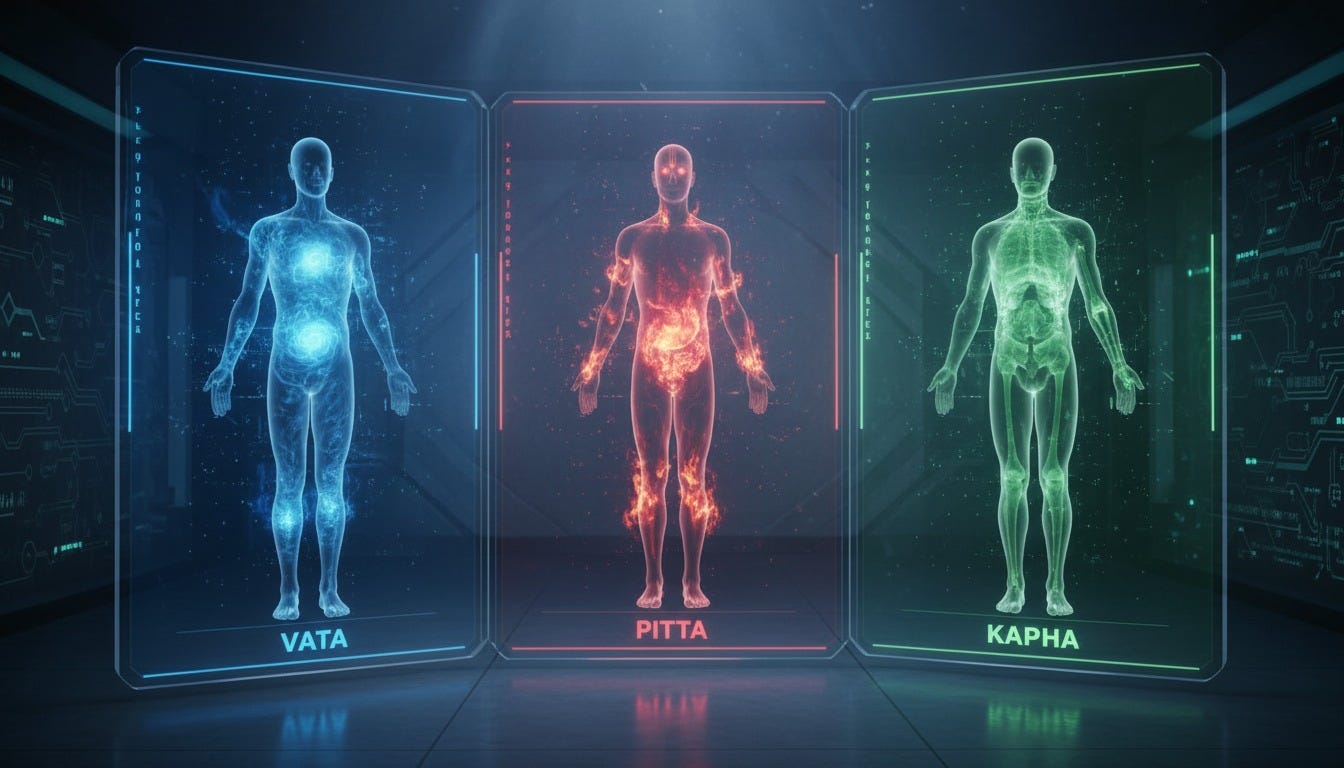
Within the PRISM framework, hypertension reflects multi-dosha system behavior.
Vata, representing signaling and variability, manifests through unstable neural signaling, fluctuating vascular tone, stress sensitivity, and electrophysiological instability.
Pitta, representing metabolism and inflammatory intensity, contributes through vascular inflammation, oxidative stress, endothelial irritation, and metabolic overactivation.
Kapha, representing structure and accumulation, manifests through vascular stiffness, arterial plaque buildup, fluid retention, and reduced circulatory flexibility.
Importantly, all three doshas influence cytokines, metabolism, immune signaling, electrophysiology, and vascular behavior simultaneously.
Hypertension cannot be understood through one pathway alone.
It is a systems expression.
8. The Non-Linearity of Hypertension
Hypertension does not develop through a simple linear mechanism.
It is not merely: salt intake → high blood pressure.
Instead:
Stress → Cellular Signaling Shift → Immune Activation → Electrophysiological Instability → Vascular Adaptation → Persistent Hypertension
Or:
Metabolic Dysfunction → Mitochondrial Stress → Cytokine Activation → Endothelial Dysfunction → Elevated Pressure
Different systems produce similar numerical outcomes.
This is why identical blood pressure readings may represent entirely different biological realities.
9. Personalization: Why Hypertension Differs Across Individuals
Two individuals with identical BP readings may require completely different interventions.
One may need stress regulation and electrophysiological stabilization.
Another may require metabolic inflammatory correction.
A third may need vascular and renal support.
Standardized treatment often overlooks these biological differences.
The diagnosis is shared.
10. Docture Poly and VPK-42 Fingerprinting
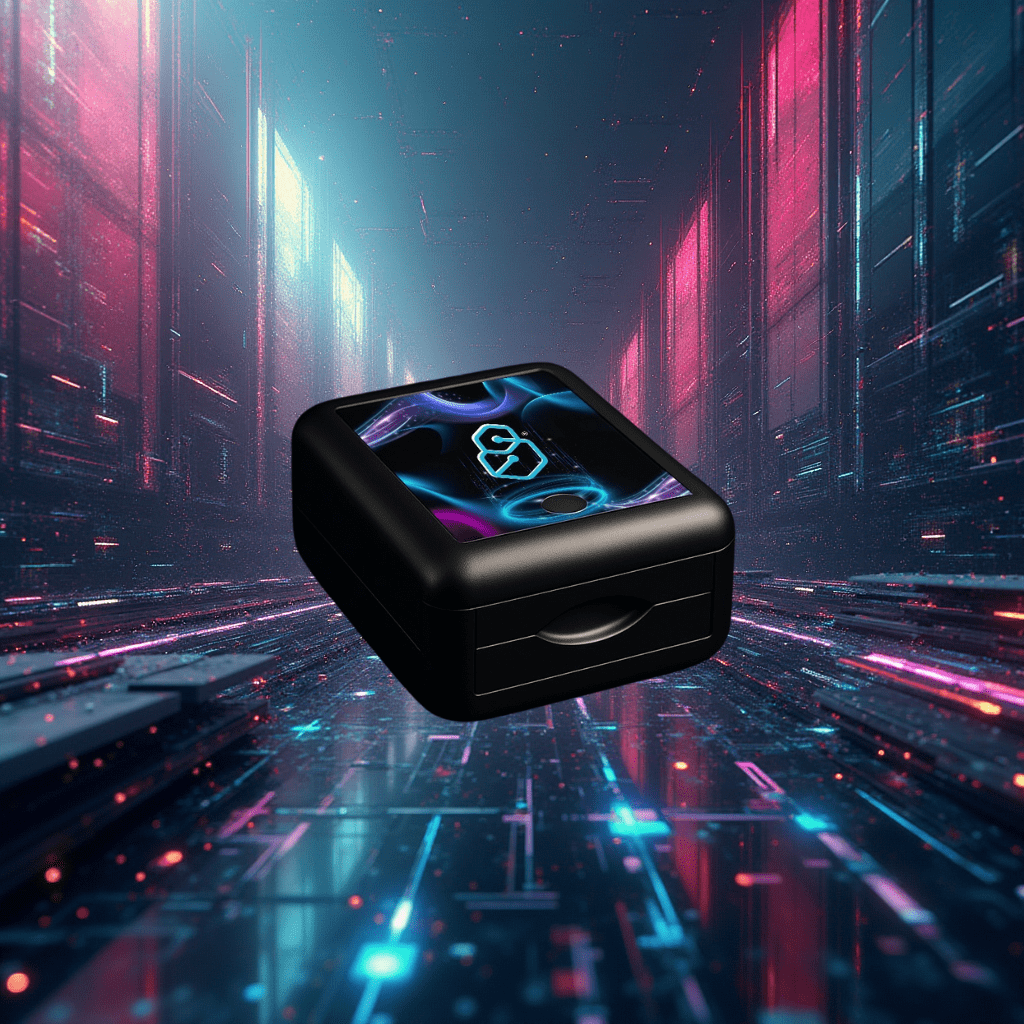
Within the PRISM ecosystem, Docture Poly introduces a systems-based understanding of hypertension.
Through VPK-42 fingerprinting, it maps organ-wise dosha and system behavior — identifying whether hypertension is driven predominantly by signaling instability, inflammatory metabolism, vascular accumulation, or mixed-system dysfunction.
This enables earlier detection of hidden biological patterns before severe complications emerge.
It allows truly personalized interventions — including the right nutrition, exercise, medication strategy, and supplementation based on the individual’s metabolic fingerprint.
Blood pressure is not treated as a number alone.
It is decoded biologically.
11. I-PRISM: Integrating Systems Biology and Hypertension Research
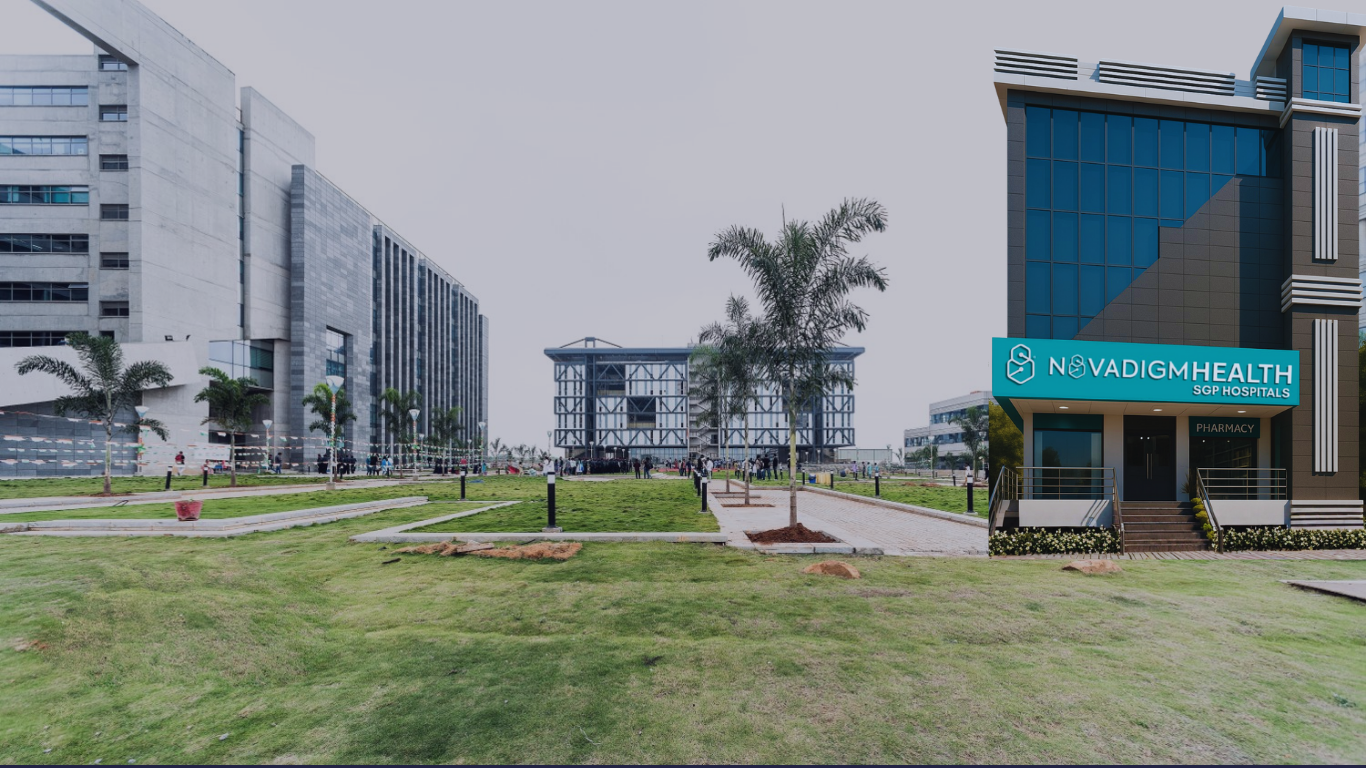
The Institute of PRISM (I-PRISM), in collaboration with IIT Hyderabad, represents an interdisciplinary integration of systems biology, electrophysiology, and Ayurvedic physiology.
This framework recognizes that cardiovascular disease cannot be understood purely through vascular measurements alone.
The future of hypertension research lies in understanding how immune signaling, metabolism, electrophysiology, and vascular intelligence interact dynamically.
12. Lifestyle and System Behavior
Lifestyle profoundly influences blood pressure biology.
Stress alters electrophysiology and cytokine signaling. Sleep disruption affects vascular recovery and autonomic regulation. Diet influences metabolic inflammation and endothelial function. Environmental stress reshapes hormonal and neural pathways.
Every lifestyle factor becomes biological input.
This is why sustainable hypertension management requires more than symptom suppression.
It requires restoring systems balance.
13. A Different Way to Understand Blood Pressure
For decades, hypertension has largely been reduced to a number displayed on a monitor.
But numbers do not explain biology.
The same reading may emerge from completely different physiological pathways — electrical instability, inflammatory metabolism, vascular congestion, renal dysfunction, or combined systems imbalance.
World Hypertension awareness should not only focus on lowering numbers.
It should focus on understanding the systems generating them.
Because blood pressure is not merely pressure within arteries.
It is the language through which the body reveals how its systems are functioning beneath the surface.
And the future of medicine will belong not only to those who control the number —
But to those who understand the biology behind it.
Continue Your Journey
• Curious about the scientific research behind this discovery? 👉 https://www.novadigmresearch.com
• Interested in learning PolyScientific Regenerative Integrative Systems Medicine professionally? 👉 https://i-prism.in/all-streams/#mysection
• Want to explore the technology platforms powering these medical innovations? 👉 https://www.novadigm.tech
• Looking for advanced integrative care for chronic or complex diseases? (For Patients) 👉 https://www.novadigm.health/patients
• Are you a doctor interested in collaboration, referrals, or integrative clinical practice? 👉 https://www.novadigm.health/doctors
• Seeking preventive health, longevity, and wellness programs? 👉 https://www.novadigm.health/wellness
• Explore integrative treatment pathways for chronic diseases and holistic healing systems 👉 https://www.saigangapanakeia.in
• Discover the clinical philosophy and work of Dr. Polisetty 👉 https://www.drpolisetty.com
• Learn about the next-generation personalized health device ecosystem — Docture-Poly 👉 https://www.docture-poly.com
메타데이터
- post_id
- 3ee1dcd4f24c
- slug
- hypertension-when-blood-pressure-becomes-a-systems-signal-by-dr-ravishankar-polisetty-3ee1dcd4f24c
- url
- https://medium.com/@sgpsmm/hypertension-when-blood-pressure-becomes-a-systems-signal-by-dr-ravishankar-polisetty-3ee1dcd4f24c
- canonical_url
- https://medium.com/@sgpsmm/hypertension-when-blood-pressure-becomes-a-systems-signal-by-dr-ravishankar-polisetty-3ee1dcd4f24c
- author_url
- https://medium.com/@sgpsmm
- status
- ok
- fetched_at
- 2026-06-09 15:37:30