RRAI’s Island Radio Treats Dub Reggae as Background Music With Shape
RRAI’s Island Radio was released July 3, 2026 through Ringtone Records 26. It is an instrumental reggae and dub album built around slow…

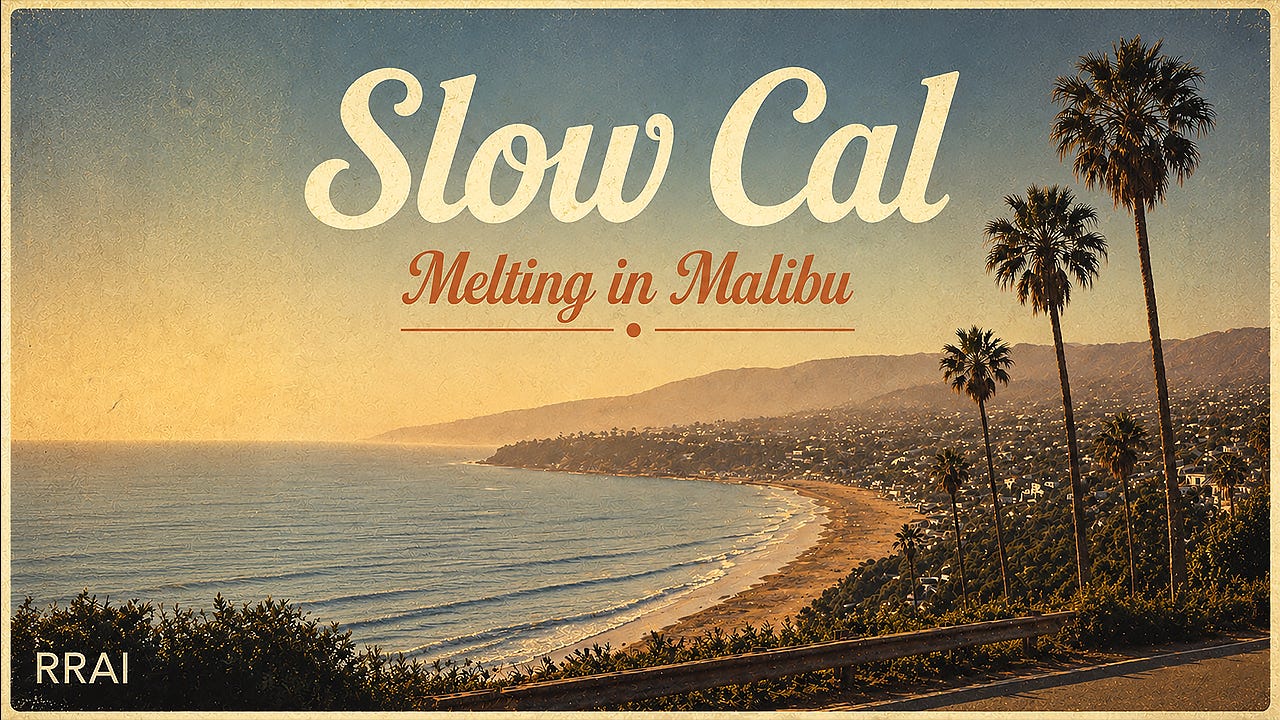
RRAI’s Island Radio, an instrumental reggae and dub album released by Ringtone Records 26.
RRAI’s Island Radio Treats Dub Reggae as Background Music With Shape
RRAI’s Island Radio was released July 3, 2026 through Ringtone Records 26. It is an instrumental reggae and dub album built around slow rhythm, warm low end and open space.
The album is the second and final installment in RRAI’s Reggae Relaxation Summer series. That context matters because Island Radio is not trying to be a general reggae record. It is focused more narrowly on instrumental dub, summer pacing, and background music use. The tracks are built to hold a mood for long stretches without becoming flat or anonymous.
RRAI has developed as an instrumental project centered on atmosphere and environment. The catalog often works less like a set of traditional albums and more like a group of listening spaces. Each release has its own room, its own function, and its own sense of pace. Island Radio places that idea inside reggae and dub.
The production stays close to the language of roots reggae and classic dub. Bass carries much of the weight. Drums sit with patience rather than force. Delay is used as part of the arrangement, not as decoration. Melodic lines repeat in small figures and leave room around the rhythm section. The album does not overfill the space, which is one of its strengths.
That restraint makes the record useful in a way many instrumental albums are not. Background music has to do more than stay quiet. It has to carry identity at low volume, avoid tiring the listener, and still feel intentional when someone pays closer attention. Island Radio understands that balance. It has enough dub character to be recognizable, but it never pushes itself into the foreground for no reason.
“Blanket on the Beach” is the focus track and the easiest place to hear the album’s purpose. The groove is slow, the bass is warm, and the percussion stays relaxed. The melody repeats without forcing a hook. It is the kind of instrumental reggae track that can sit inside a summer reggae playlist, beach relaxation sequence, island lounge rotation, or hospitality music program without disrupting the setting.
The rest of the album keeps that same practical discipline. “Tropical Rain” moves toward a softer, more humid texture. “Rum Shack” has a little more weight in the rhythm. “Summer Transmission” brings in the feeling of a radio signal drifting through coastal air. “Paradise Postcards” is brief and melodic, while “Smoke in the Jungle” leaves more room for echo and dub movement.
These tracks work together because they do not try to compete with each other. The album is consistent by design. For playlist curators, that makes the record easy to place. For listeners, it gives the album a steady identity. For background music supervisors, it means the project can support a room without needing constant track-by-track management.
Instrumental reggae and dub have always had a strong relationship with space. A bassline can define the room. A delay trail can make the mix feel deeper. A drum pattern can create movement without changing the emotional temperature. Island Radio uses those qualities carefully. It does not treat background music as a lesser category. It treats it as a specific kind of writing.
That is where the album fits best. It belongs in searches for dub reggae instrumentals, summer reggae playlists, beach background music, roots reggae instrumentals, café music, hotel lobby music, retail background music, island lounge music, and passive listening albums. The language around the album is functional, but the music itself still has personality.
The record also avoids sounding overly modern in the wrong way. There is no glossy pop-reggae finish here. The arrangements are warm, simple, and centered around rhythm. The production leaves imperfections of space and texture intact, which helps the album feel closer to dub tradition than to streaming filler.
For RRAI, Island Radio is a useful catalog release because it serves more than one listener. A reggae fan can hear the dub foundation. A curator can hear the placement value. A casual listener can leave it running without feeling pulled around by the music. That combination is not accidental. It comes from knowing what the album is supposed to do.
Island Radio closes the Reggae Relaxation Summer series with a clear point of view. It is not loud, crowded, or overly decorative. It is steady, warm, and built around the quiet strength of instrumental dub. For a project like RRAI, that makes sense. The album is not trying to dominate the room. It is trying to give the room a sound.
Listen on:
Amazon:
**https://music.amazon.com/albums/B0H37YCJ2F**
iTunes:
**https://music.apple.com/us/album/island-radio/6774320549**
Spotify:
**https://open.spotify.com/album/0KDRnEEjcmgerbPhMPK9Ae?si=Xf9yDHEWSHKzjuSyaxkTdA**
메타데이터
- post_id
- 75288bdcc8bb
- slug
- rrais-island-radio-treats-dub-reggae-as-background-music-with-shape-75288bdcc8bb
- url
- https://medium.com/@bricesalek/rrais-island-radio-treats-dub-reggae-as-background-music-with-shape-75288bdcc8bb
- canonical_url
- https://medium.com/@bricesalek/rrais-island-radio-treats-dub-reggae-as-background-music-with-shape-75288bdcc8bb
- author_url
- https://medium.com/@bricesalek
- status
- ok
- fetched_at
- 2026-07-13 11:29:01