Why Pole-Mounted Solutions Are Becoming More Popular
You may upgrade every part of an FTTH network, yet the real failures often start inside unmanaged terminal points. In many outdoor…
Why Pole-Mounted Solutions Are Becoming More Popular
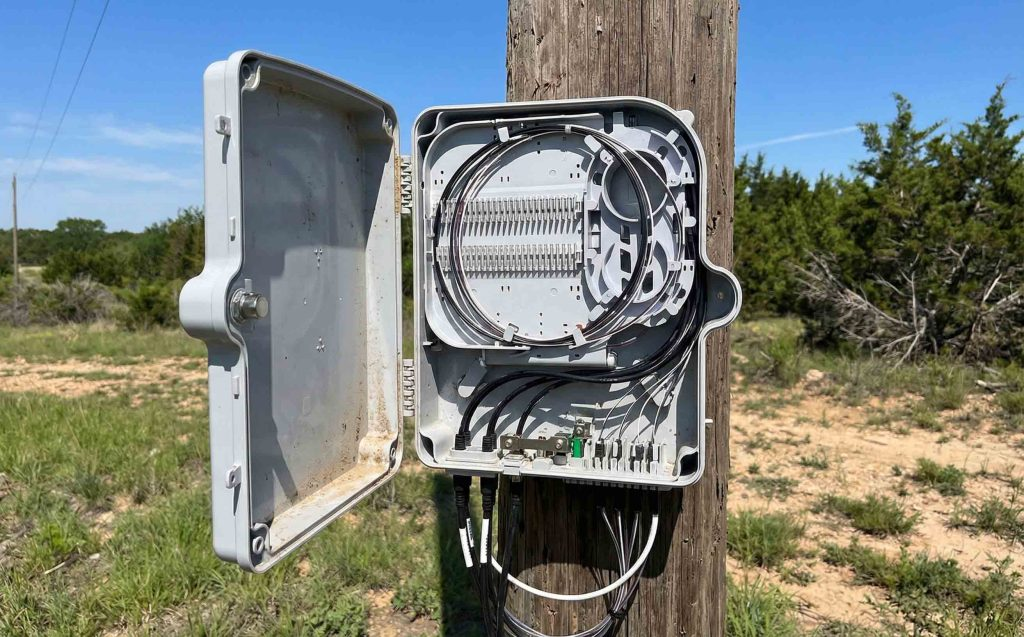
You may upgrade every part of an FTTH network, yet the real failures often start inside unmanaged terminal points. In many outdoor deployments, moisture and dust don’t enter through the cable; they enter through a weak sealing design. Field teams also report that pole-mounted FAT units often become unstable after months of wind vibration, causing adapters to loosen and fibers to shift. These small issues quickly become large-scale service complaints.
Pole-Mounted Terminal Boxes Demand Better Internal Fiber Management
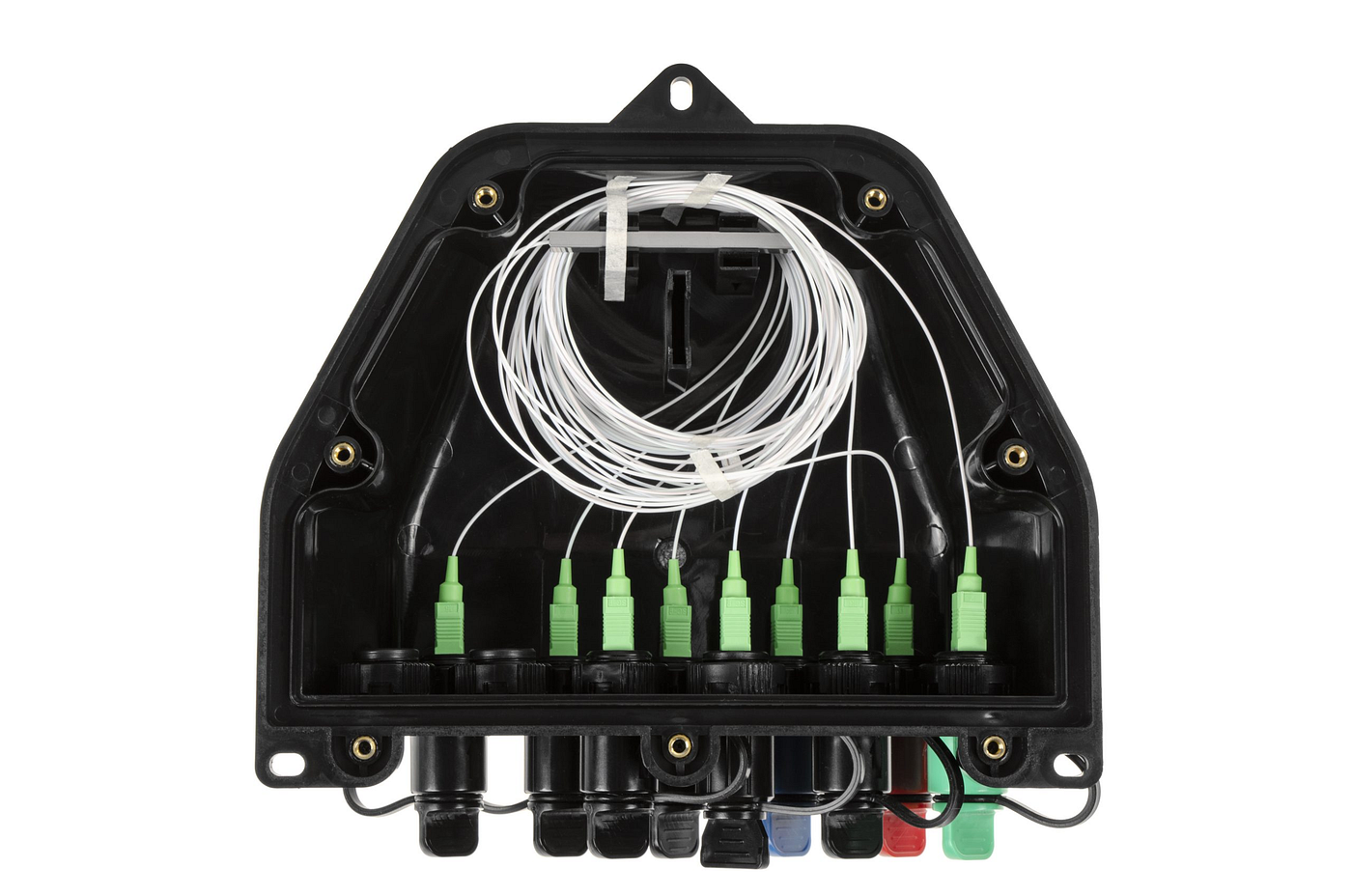
When an ***FDB or FAT*** is installed on a pole, wind load and constant vibration can shift unprotected drop cables, especially if the internal fiber routing is too tight or the trays lack clear pathways.
- Poor routing increases micro-bend loss over time.
- Adapters facing downward can become unstable if the retention structure is weak.
- Loose drop cables amplify movement, turning the distribution point into a failure hotspot.
This is why fiber management design — bend-radius control, tray stiffness, and secure drop-entry positions — matters more for pole-mounted outdoor enclosures than for wall-mounted units.
Material Engineering Defines Whether the Outdoor Box Survives the First Year
Pole-mounted equipment takes full sunlight, UV exposure, and physical impact from falling branches or road-side hazards. ABS housings age quickly in such environments, while PC or PC+ABS blends offer better structural stability. Alloy options provide superior anti-impact performance but require refined sealing interfaces to maintain IP ratings.
Material science influences:
- UV resistance and anti-aging behavior
- Temperature-induced deformation
- Mechanical stability under vibration
- Long-term outdoor enclosure durability
Choosing the wrong housing for a pole installation often leads to warped lids, weakened locks, and gaps that compromise IP65/IP68 sealing.
Sealing and Gasket Design Are the Only Protection Against Rain and Vertical Drip
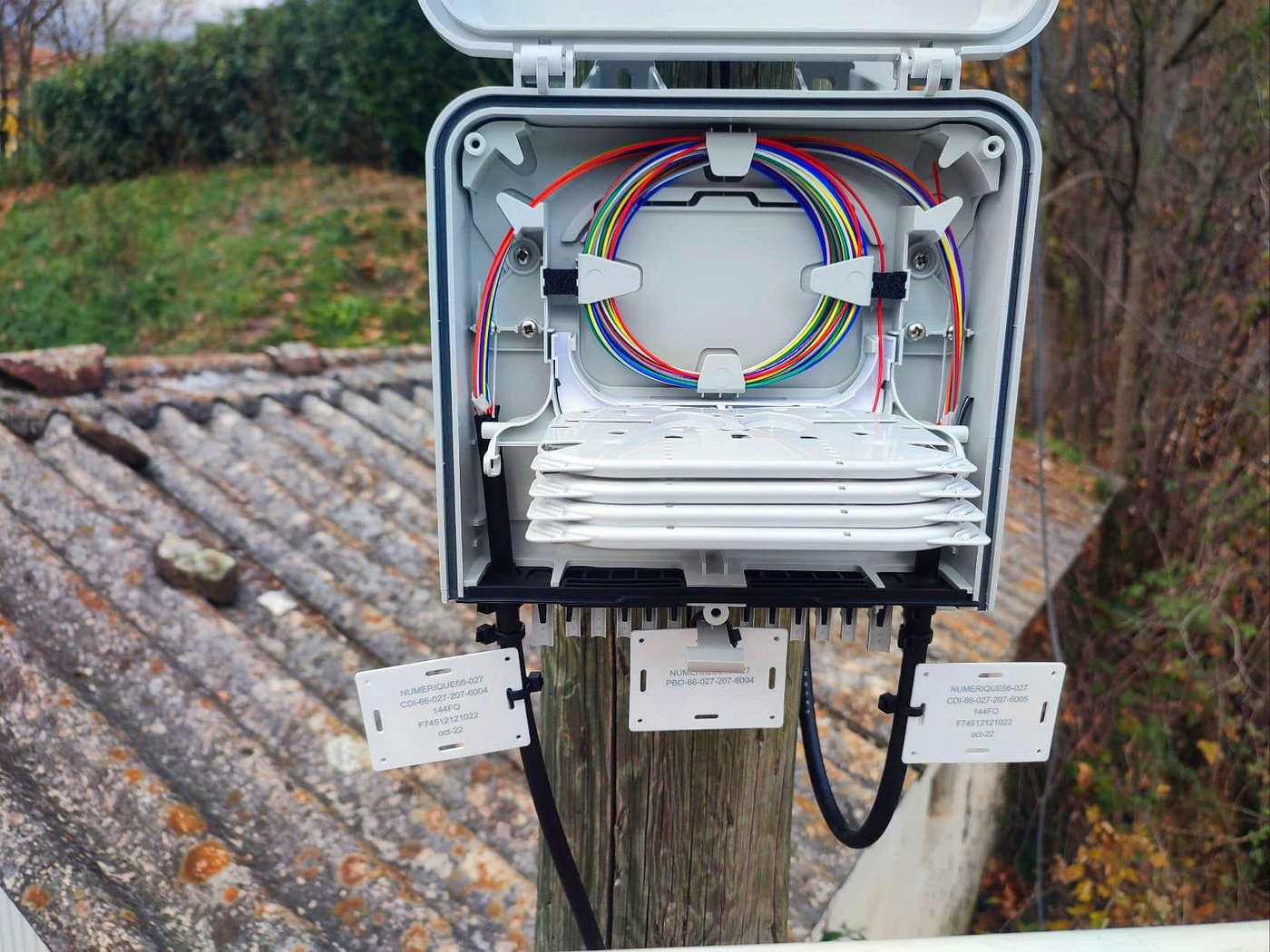
Pole-mounted FAT and terminal boxes face rainwater from every angle — top-down, splash-up, and wind-driven sideways water. A standard gasket is usually not enough.
- Vertical drip paths require deep cover lips.
- Cable-entry ports must remain sealed even when cables move.
- Gel components help absorb vibration and maintain IP protection.
High IP65 / IP68 sealing prevents humidity build-up, which otherwise causes splitter IL drift, connector corrosion, and intermittent drop failures.
Why Pole-Mounted Deployment Changes Cost Structure
Contractors have learned that pole-mounted installations are faster, but they also expose every mistake.
- Poor cable organization leads to revisits.
- Weak adapters or unstable splitters cause repeated customer complaints.
- Bad sealing forces reactivation work after each rainy season.
Pre-loaded, field-ready configurations reduce time on the pole, but only when the FDB or FAT box is engineered for vibration, moisture, and clear fiber pathways. A pole-mounted distribution point must eliminate “hidden errors” to keep maintenance costs low.
A Real Outdoor Scenario: Wind, Rain, and Vibration on Rural Poles
In rural FTTH deployments — especially in areas with large temperature swings — pole-mounted terminal boxes experience:
- daily expansion and contraction of materials
- strong wind vibration shaking the tray and adapters
- rainwater intrusion if the cover geometry isn’t optimized
- animals pulling on*** drop cables***, stressing the entry ports
This is where housing selection, splitter layout, and fiber management design determine whether the distribution point stays stable for years or fails after the first storm season.
HOLIGHT’s terminal box designs focus on consistent sealing and stable fiber routing, making them suitable for these demanding pole-mounted environments.
Conclusion
In FTTH networks, node devices like FAT, FDB, and splitter housings determine the stability of the entire system — through their sealing, fiber management, materials, and real-world outdoor durability.
Learn more at HOLIGHT Fiber Optic Solutions and **FTTHFiberOptic.com. For business inquiries: Crystal@holightoptic.com**
메타데이터
- post_id
- 77c47b5f65e2
- slug
- why-pole-mounted-solutions-are-becoming-more-popular-77c47b5f65e2
- url
- https://medium.com/@cryatal970225/why-pole-mounted-solutions-are-becoming-more-popular-77c47b5f65e2
- canonical_url
- https://medium.com/@cryatal970225/why-pole-mounted-solutions-are-becoming-more-popular-77c47b5f65e2
- author_url
- https://medium.com/@cryatal970225
- status
- ok
- fetched_at
- 2026-07-14 19:44:39