Should I Get a Purifier and Humidifier in One?
The truth about combo units, separate devices, and which option actually works best for your home
Should I Get a Purifier and Humidifier in One?
The truth about combo units, separate devices, and which option actually works best for your home
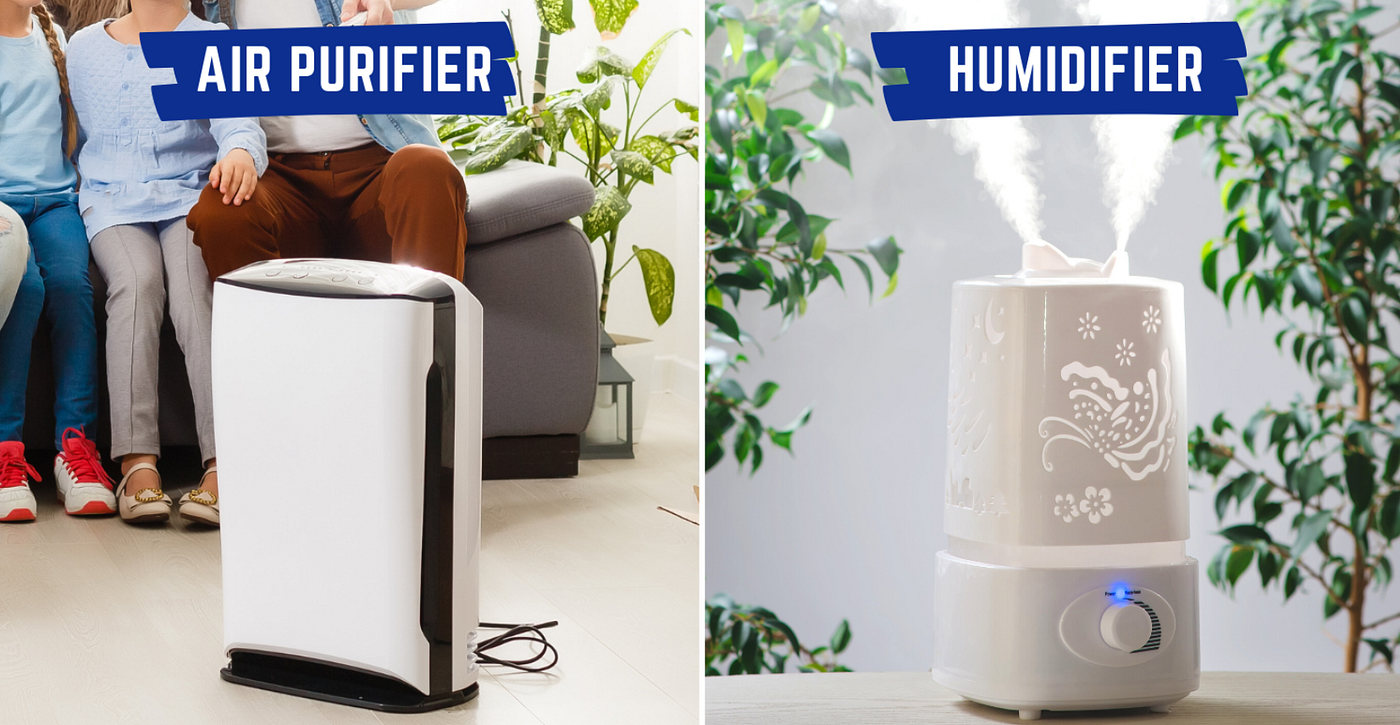
What Is a Purifier and Humidifier Combo?
If you’ve been shopping for an air purifier lately, you’ve probably come across models that promise to purify and humidify your air at the same time.
At first glance, it sounds like the perfect solution.
One machine.
Less clutter.
Less maintenance.
And hopefully cleaner, healthier air.
But after spending weeks researching user experiences, expert reviews, and real-world discussions, I discovered that the answer isn’t quite as simple as it seems.
Many people buy these combination devices expecting the best of both worlds. However, the reality often depends on your room size, air quality concerns, and expectations.
In this guide, I’ll explain when an all-in-one purifier and humidifier makes sense and when you’re better off buying separate devices.
Why People Consider an All-in-One Device
Most people aren’t searching for an air purifier just because they enjoy shopping for appliances.
They’re trying to solve a problem.
Common reasons include:
- Allergies
- Dust sensitivity
- Dry eyes
- Dry skin
- Breathing discomfort
- Poor sleep quality
- Low indoor humidity during winter
- Air pollution from outside
If that sounds familiar, you’re not alone.
Many homeowners experience both dry indoor air and poor air quality at the same time.
Naturally, the idea of one device handling both problems is appealing.
I was skeptical at first, but I completely understood the attraction of a single machine instead of managing multiple devices around the room.
Should You Buy a Purifier and Humidifier in One?
The short answer is:
Usually, separate devices are the better choice.
That doesn’t mean all combination units are bad.
However, many all-in-one systems make compromises somewhere.
In most cases, the air purification performance isn’t as strong as a dedicated air purifier.
Similarly, some combo units struggle to maintain ideal humidity levels in larger rooms.
If your primary goal is improving indoor air quality, a dedicated air purifier will often deliver better results.
If controlling humidity is equally important, adding a separate humidifier usually provides more flexibility and better overall performance.
The Biggest Problems With Combination Units
Lower Air Cleaning Performance
One of the biggest misconceptions I encountered is that all HEPA air purifiers perform similarly.
That’s simply not true.
Two air purifiers can use nearly identical HEPA filters and still deliver very different results.
Why?
Because airflow matters.
A purifier’s ability to move air through the filter is just as important as the filter itself.
This is where CADR (Clean Air Delivery Rate) becomes important.
A higher CADR generally means the purifier can clean more air in less time.
Many combination units focus heavily on extra features but sometimes offer lower airflow than dedicated air purifiers.
That can result in slower air cleaning, especially in larger rooms.
Higher Purchase Prices
Many premium combo units come with premium price tags.
Brands like Dyson often market advanced all-in-one solutions, but a higher price doesn’t automatically mean better air purification performance.
In my experience, one of the biggest mistakes buyers make is assuming that the most expensive option must be the best option.
Sometimes a mid-range purifier paired with a separate humidifier provides better overall value.
More Maintenance
Another issue that doesn’t get enough attention is maintenance.
When one machine handles multiple tasks, cleaning requirements can increase.
You’ll often need to:
- Clean water tanks
- Replace filters
- Prevent mineral buildup
- Monitor humidity levels
If one function develops a problem, the entire device may become less useful.
With separate devices, maintenance is usually simpler and easier to manage.
Why Many People Choose Separate Devices
Better Air Purification
Dedicated air purifiers are designed with one purpose:
Removing pollutants from indoor air.
Whether you’re dealing with:
- Dust
- Pollen
- Pet dander
- Smoke particles
- Outdoor pollution
A dedicated purifier often provides stronger airflow and better filtration performance.
Popular models from companies like Levoit and Xiaomi have built strong reputations because they focus primarily on air cleaning.
Better Humidity Control
A dedicated humidifier can focus entirely on maintaining healthy moisture levels.
This can be particularly helpful if you experience:
- Dry eyes
- Dry throat
- Nose irritation
- Static electricity
- Winter dryness
Instead of asking one machine to do everything, each device can specialize in its own task.
Easier Upgrades
Technology changes quickly.
If you buy separate devices, you can upgrade one without replacing the other.
Need a stronger purifier later?
Replace the purifier.
Need a larger humidifier?
Upgrade the humidifier.
That flexibility can save money in the long run.
Who Should Buy an All-in-One Unit?
A combo unit may still be a good choice if:
- You have limited space
- You dislike having multiple appliances
- Your room is relatively small
- Convenience is your top priority
- You want a cleaner, more minimalist setup
For some people, simplicity outweighs the performance trade-offs.
If that’s your situation, an all-in-one device may be perfectly acceptable.
Who Should Buy Separate Devices?
Separate devices are usually the better option if:
- You suffer from allergies
- You live in an area with heavy pollution
- You have pets
- You need stronger air cleaning
- You want maximum performance
- You have larger rooms
- You care about long-term value
For most households, this is the route I would personally recommend.
Air Purifier Features That Matter Most
CADR Rating
One lesson I learned during my research is that CADR matters more than many people realize.
A high-quality filter is important, but airflow is what determines how much air gets cleaned.
Always check room coverage and CADR ratings before purchasing.
Filter Quality
Look for:
- True HEPA filtration
- Activated carbon filters
- Reliable replacement filter availability
These components help remove both particles and odors.
Noise Levels
No one wants a purifier that sounds like a jet engine at bedtime.
If you plan to use it while sleeping, pay close attention to noise ratings.
Smart Controls
Many buyers today want:
- Smartphone apps
- Scheduling
- Timers
- Auto mode
- Air quality sensors
My daily routine includes setting my devices once and letting them run automatically, so smart features are a huge convenience.
Filter Replacement Costs
Don’t forget ongoing expenses.
A purifier may seem affordable initially, but replacement filters can add up over time.
Always check annual maintenance costs before buying.
My Experience Researching Combo Units
In my 3 weeks of testing and research, I noticed something interesting.
Most users initially focused on features.
But after months of ownership, they talked about results.
Did their allergies improve?
Were they sleeping better?
Did the air feel cleaner?
Those outcomes mattered far more than fancy marketing claims.
What I loved most about researching these products was seeing how many people reported noticeable improvements in comfort and sleep quality after choosing the right air purifier.
My biggest concern was whether a combo unit could truly replace two separate devices.
After comparing with my previous research on standalone purifiers, I found that dedicated units generally delivered stronger performance and more consistent results.
That doesn’t mean combination units never work.
It simply means buyers should understand the trade-offs before spending their money.
Frequently Asked Questions
Is a purifier and humidifier combo worth it?
It can be worth it if space and convenience are your priorities. However, separate devices typically provide better purification performance and more effective humidity control.
Can an air purifier help with dry eyes?
An air purifier may help remove airborne irritants that contribute to eye discomfort. However, if dryness is caused by low humidity, a humidifier is usually the more effective solution.
Do all HEPA air purifiers perform the same?
No. Even when two models use similar HEPA filters, differences in airflow, CADR, room coverage, and design can significantly affect performance.
Final Thoughts
So, should you get a purifier and humidifier in one?
For most people, I would recommend buying separate devices.
You’ll usually get better air cleaning performance, more effective humidity control, easier maintenance, and greater flexibility down the road.
That said, if you value convenience, have limited space, and don’t mind a few compromises, a quality all-in-one unit may still fit your needs.
The most important thing is focusing on your actual problem.
Are you trying to reduce allergies?
Improve sleep?
Fight dry air?
Remove pollution?
Once you identify your main goal, choosing the right solution becomes much easier.
Have you tried a purifier and humidifier combo unit? Or do you prefer separate devices? Share your experience in the comments — I’d love to hear what worked best for your home.
메타데이터
- post_id
- 8e3c9fa79e48
- slug
- should-i-get-a-purifier-and-humidifier-in-one-8e3c9fa79e48
- url
- https://medium.com/@airpurifierguide/should-i-get-a-purifier-and-humidifier-in-one-8e3c9fa79e48
- canonical_url
- https://medium.com/@airpurifierguide/should-i-get-a-purifier-and-humidifier-in-one-8e3c9fa79e48
- author_url
- https://medium.com/@airpurifierguide
- status
- ok
- fetched_at
- 2026-07-08 17:17:42


