Why More African Consumers Are Turning to Social Commerce Instead of Traditional Online Stores
E-commerce in Africa is undergoing a major transformation. Traditional online stores, once considered the future of digital retail, are now…
Why More African Consumers Are Turning to Social Commerce Instead of Traditional Online Stores

E-commerce in Africa is undergoing a major transformation. Traditional online stores, once considered the future of digital retail, are now facing growing competition from social commerce. African consumers are increasingly turning to platforms that integrate shopping with social interactions, making purchasing decisions based on recommendations, real-time engagement, and trust.
The Shift from Traditional Online Stores to Social Commerce Traditional e-commerce platforms typically follow a structured model: sellers list products, buyers browse catalogs, and transactions are completed through digital checkouts. While this model has been successful in regions with established infrastructure, it presents challenges in Africa, where logistical constraints, trust issues, and payment barriers hinder seamless transactions.
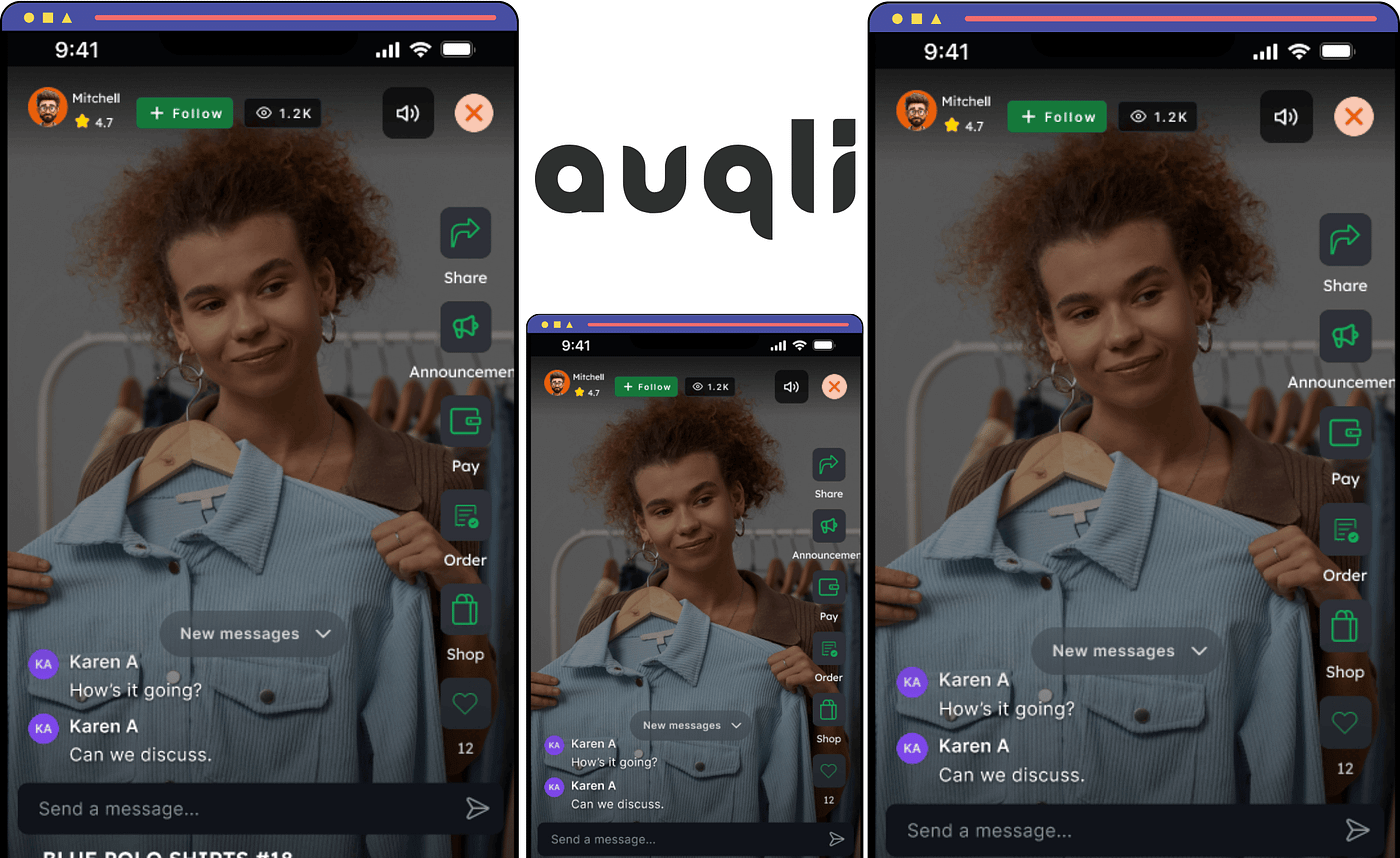
Social commerce, on the other hand, operates differently. It leverages platforms like Facebook, Instagram, WhatsApp, and dedicated live shopping platforms like Auqli to create an interactive shopping experience. Instead of browsing static product listings, consumers engage with sellers through live videos, chat-based inquiries, and community recommendations. This shift reflects the evolving consumer behavior that prioritizes trust, accessibility, and real-time interactions.
Key Drivers Behind Social Commerce Growth in Africa
-
Trust and Peer Recommendations Trust remains a significant factor influencing purchasing decisions in Africa. Unlike traditional online stores, where consumers must rely on product descriptions and reviews, social commerce fosters trust through real-time engagement. Buyers can interact with sellers directly, ask questions, and see product demonstrations before making a purchase.
-
Live Shopping and Interactive Selling Live shopping is revolutionizing e-commerce in Africa. Instead of static product images, sellers showcase their products via live streams, allowing consumers to see real-time demonstrations. This approach boosts buyer confidence, reduces uncertainty, and creates an engaging shopping experience. Consumers can also ask questions, receive instant feedback, and watch other buyers interact, reinforcing social proof and credibility.
-
Accessibility and Mobile-First Commerce Africa’s mobile penetration is among the highest globally, with millions of consumers relying on smartphones for internet access. Social commerce platforms seamlessly integrate with mobile apps, making it easier for users to shop without needing desktops or complex checkout processes. This mobile-first approach aligns with the way African consumers access the internet, ensuring a frictionless shopping experience.
-
Flexible Payment Solutions Many African consumers lack access to credit cards or digital banking, making traditional e-commerce checkouts challenging. Social commerce platforms offer alternative payment methods, including mobile money, direct bank transfers, and cash-on-delivery options that cater to local preferences. These payment solutions make it easier for a broader audience to participate in online shopping without financial barriers.
-
Community Engagement and Localized Shopping Unlike conventional online stores, which operate as transactional marketplaces, social commerce fosters a sense of community. Consumers engage with sellers, participate in group discussions, and receive personalized shopping recommendations based on their needs. This localized and personal approach is more appealing to African shoppers, making them feel more connected to their purchases and the people behind them.
The Challenges of Traditional Online Stores in Africa Despite the growth of e-commerce, traditional online stores struggle with several challenges that hinder widespread adoption:
High Logistics Costs: Delivery infrastructure in many African regions is underdeveloped, making shipping expensive and unreliable. Low Consumer Trust: Many consumers are hesitant to shop from websites due to concerns about fraud and counterfeit goods. Limited Payment Options: A significant portion of the population remains unbanked, making card-based payments inaccessible. Lack of Personalization: Standard e-commerce platforms lack the real-time interaction and personalization that social commerce offers. Why Social Commerce is the Future of African E-Commerce Social commerce is not just an alternative to traditional e-commerce — it is becoming the dominant way Africans shop online. Auqli, for example, is leading this transformation by providing sellers with tools to host live shopping events, engage with customers directly, and build trust through real-time interactions.
Key Advantages of Social Commerce Over Traditional Online Stores ✔ Stronger Buyer-Seller Relationships — Real-time engagement creates a more trustworthy and interactive shopping experience. Consumers feel more confident when they can interact with sellers, ask for recommendations, and see the products in action before purchasing.
✔ Higher Conversion Rates — Live demonstrations and instant communication significantly reduce cart abandonment rates. Traditional e-commerce often suffers from abandoned carts due to uncertainty or lack of immediate assistance. Social commerce eliminates these issues by enabling sellers to answer concerns on the spot, leading to faster decision-making and higher sales.
✔ Better Adaptability to Local Markets — Social commerce allows sellers to tailor their marketing strategies to specific audiences. They can use local languages, culturally relevant messaging, and personalized customer interactions, making shopping experiences more engaging and relatable.
✔ Seamless Payment Integrations — Social commerce platforms prioritize alternative payment solutions like mobile money, direct bank transfers, and cash-on-delivery, ensuring accessibility for all consumers. Unlike traditional online stores that depend on bank cards, social commerce removes financial barriers for the unbanked population.
✔ More Engaging and Entertaining Shopping Experience — Instead of scrolling through static product pages, consumers participate in interactive live streams, enjoy flash sales, and engage in real-time discussions. This entertainment-driven shopping format increases engagement and makes the buying process more enjoyable.
✔ Enhanced Word-of-Mouth Marketing — In Africa, word-of-mouth recommendations play a significant role in consumer decisions. Social commerce leverages this behavior by encouraging buyers to share their shopping experiences with friends and family, driving organic growth and increasing brand trust.
Final Thoughts African consumers are embracing social commerce as the preferred way to shop online. The blend of trust, real-time interaction, mobile accessibility, and flexible payment options makes it far more suitable for the continent’s unique e-commerce landscape. Traditional online stores will need to adapt or risk being overshadowed by this rapidly growing trend.
For sellers looking to thrive in Africa’s evolving digital economy, Auqli provides the perfect platform to connect with customers through live shopping and social selling. Join the movement and start selling today!
🔗**Join the Auqli Waitlist** 🔗 Connect with us on WhatsApp
메타데이터
- post_id
- c0d37c270efb
- slug
- why-more-african-consumers-are-turning-to-social-commerce-instead-of-traditional-online-stores-c0d37c270efb
- url
- https://medium.com/@auqli/why-more-african-consumers-are-turning-to-social-commerce-instead-of-traditional-online-stores-c0d37c270efb
- canonical_url
- https://medium.com/@auqli/why-more-african-consumers-are-turning-to-social-commerce-instead-of-traditional-online-stores-c0d37c270efb
- author_url
- https://medium.com/@auqli
- status
- ok
- fetched_at
- 2026-06-26 06:47:43