Advanced Emergency Care for Severe Heart Failure
Severe heart failure is a life-threatening condition where the heart suddenly becomes unable to pump enough blood to meet the body’s needs…
Advanced Emergency Care for Severe Heart Failure
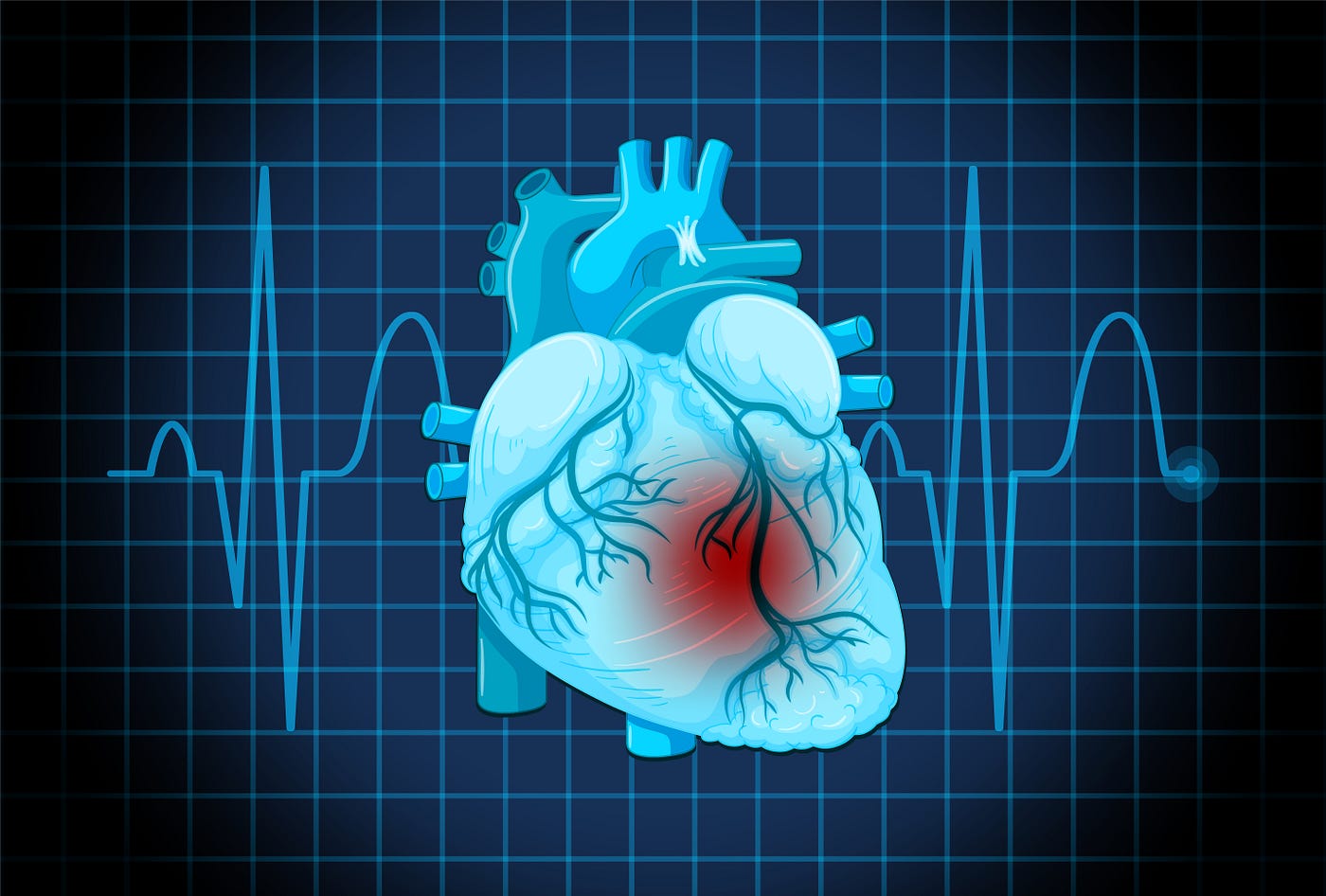
Severe heart failure is a life-threatening condition where the heart suddenly becomes unable to pump enough blood to meet the body’s needs. Immediate medical attention is critical because delayed treatment can lead to organ failure, cardiac arrest, or death. Today, advanced emergency care technologies, including ECMO support, are helping improve survival rates in critically ill patients.
What Happens When Severe Heart Failure Becomes an Emergency?
When heart failure worsens rapidly, patients may experience dangerously low blood pressure, fluid buildup in the lungs, and reduced oxygen delivery to vital organs. This condition is often referred to as acute decompensated heart failure or cardiogenic shock. Common triggers include heart attacks, severe infections, uncontrolled hypertension, or long-standing heart disease.
Emergency treatment focuses on stabilizing breathing, improving circulation, and preventing organ damage. Doctors may use oxygen therapy, medications to support heart function, ventilators, or advanced mechanical support systems in critical situations.
Why Sudden Breathlessness Should Never Be Ignored
One of the earliest warning signs of severe heart failure is sudden breathlessness. Patients may struggle to breathe while lying down, wake up gasping for air, or experience severe fatigue and chest discomfort. These symptoms occur because fluid backs up into the lungs when the heart cannot pump effectively.
Also Read: What is Heart Rate and how to keep your heart-rate under check?
Ignoring these warning signs can be dangerous. Rapid medical evaluation is essential because early treatment significantly improves the chances of recovery and reduces complications.
How Emergency Doctors Diagnose Severe Heart Failure
Emergency physicians use a combination of clinical examination and advanced diagnostic tools to confirm severe heart failure. Common tests include ECG, chest X-rays, echocardiography, blood tests such as BNP and troponin levels, and continuous oxygen monitoring.
Doctors also assess whether the patient is developing cardiogenic shock or multi-organ dysfunction. Early diagnosis helps determine whether advanced interventions are needed.
When is ECMO recommended for severe heart failure patients?
ECMO (Extracorporeal Membrane Oxygenation) is considered when conventional treatments fail to maintain adequate oxygen supply and blood circulation. It temporarily takes over the work of the heart and lungs, allowing these organs time to recover.
An experienced ECMO Treatment Hospital in Chennai may recommend ECMO for patients with severe cardiogenic shock, massive heart attacks, myocarditis, or life-threatening complications after cardiac surgery. While ECMO is not a cure, it can be a lifesaving bridge to recovery, heart surgery, or transplantation when used at the right time.
메타데이터
- post_id
- c6e591b2186c
- slug
- advanced-emergency-care-for-severe-heart-failure-c6e591b2186c
- url
- https://medium.com/@KauveryHospitals/advanced-emergency-care-for-severe-heart-failure-c6e591b2186c
- canonical_url
- https://medium.com/@KauveryHospitals/advanced-emergency-care-for-severe-heart-failure-c6e591b2186c
- author_url
- https://medium.com/@KauveryHospitals
- status
- ok
- fetched_at
- 2026-06-09 15:37:30