Car Sharing as an Alternative to Ownership: Is It Finally Worth It?
For most of the past century, owning a car was simply what people did when they became adults. It was the marker of independence and the…
Car Sharing as an Alternative to Ownership: Is It Finally Worth It?
For most of the past century, owning a car was simply what people did when they became adults. It was the marker of independence and the foundation of getting anywhere efficiently. The idea of reliable transportation without owning a car was genuinely difficult to imagine in most parts of the country.
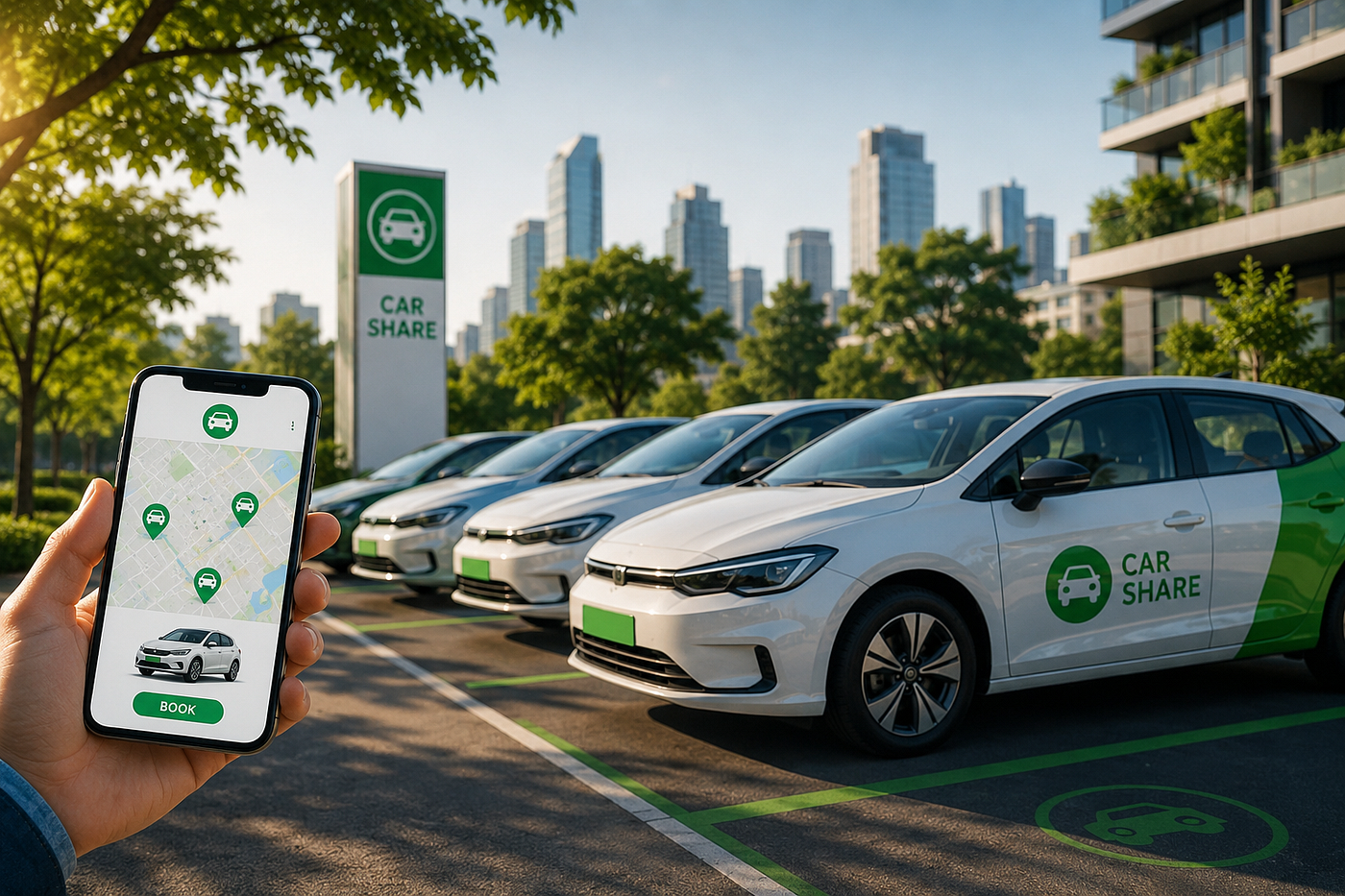
That’s changing — and it’s changing fast. Car sharing as an alternative to ownership isn’t just viable in dense cities anymore. Structured, membership-based vehicle sharing is reaching communities that would have seemed like unlikely candidates for this kind of model just a few years ago.
The question most people ask first is whether it’s actually worth it financially. The honest answer is: for a growing number of people, the math is becoming very hard to argue with.
Breaking Down the Real Costs of Owning vs. Sharing
When you add up the true cost of car ownership — monthly payment, insurance, fuel, maintenance, tires, repairs, registration, and depreciation — the average American is spending somewhere between $10,000 and $12,000 per year on a single vehicle. That’s a significant chunk of most household budgets.
What Car Sharing Actually Costs by Comparison
Car sharing doesn’t eliminate the cost of transportation, but it does distribute it differently. Members pay a predictable monthly or quarterly amount for access to a well-maintained, modern vehicle. There is no depreciation to absorb, and no insurance premiums to negotiate on your own — the club handles it all collectively.
Get Reliable Rider Clubs’s stories in your inbox
Join Medium for free to get updates from this writer.
Subscribe
Remember me for faster sign in
There’s also the environmental angle. Shared vehicles spend more time being used and less time sitting idle. When that vehicle is electric, the emissions math improves even further. One well-utilized shared EV replaces the footprint of several privately owned gas vehicles.
Reliability You Can Actually Count On
The social structure of a good car-sharing club adds something pure financial comparisons miss: reliability. When your transportation is managed by a group of invested members with regular inspections and vetted drivers, it doesn’t fail you. The vehicle shows up on time, it works, and the experience is consistent. Members who’ve made the switch often describe the first few months as a mental adjustment. After that, the majority say they don’t miss ownership at all. The headaches simply aren’t there anymore — and neither is the Big Bill.
Conclusion
For people who are willing to think differently about transportation, car sharing as an alternative to ownership has quietly become one of the more practical decisions a household can make. The cost savings are real, the member community is genuine, and the experience holds up.
To explore how a membership-based car sharing club actually operates, visit reliablerider.com and see how communities are building smarter, shared transportation systems from the ground up.
Coming up next, we’ll look at the subscription model behind modern transportation services and how it’s changing the way people move around town.
메타데이터
- post_id
- d2cdb2ca1069
- slug
- car-sharing-as-an-alternative-to-ownership-is-it-finally-worth-it-d2cdb2ca1069
- url
- https://medium.com/@reliablerider/car-sharing-as-an-alternative-to-ownership-is-it-finally-worth-it-d2cdb2ca1069
- canonical_url
- https://medium.com/@reliablerider/car-sharing-as-an-alternative-to-ownership-is-it-finally-worth-it-d2cdb2ca1069
- author_url
- https://medium.com/@reliablerider
- status
- ok
- fetched_at
- 2026-06-20 20:29:01