Swan: Take Two
How Aronofsky’s BLACK SWAN Deals with Duplicity
Swan: Take Two
How Aronofsky’s BLACK SWAN Deals with Duplicity
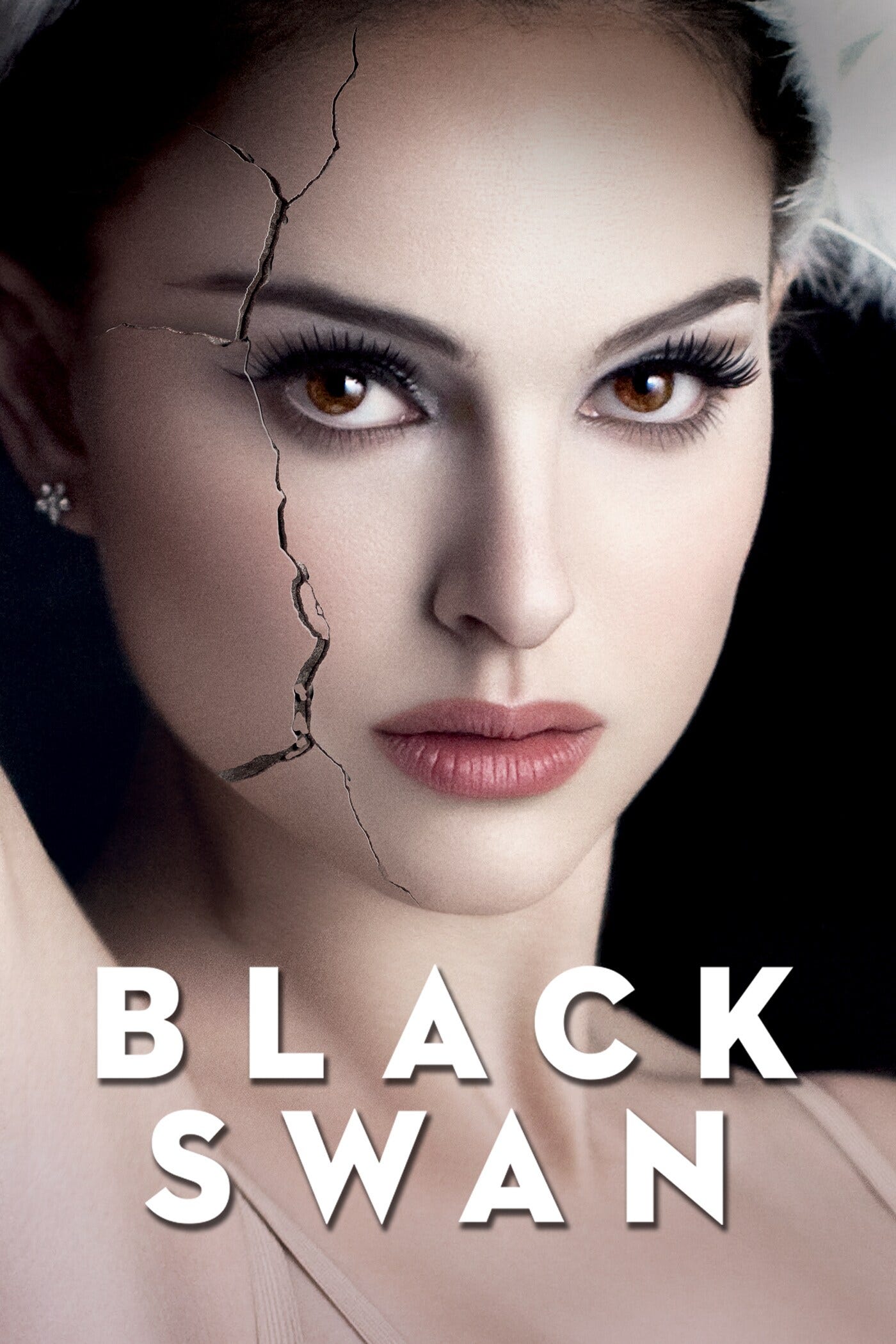
There has been extensive research and interpretation of Darren Aronofsky’s BLACK SWAN. I think a lot of it is very fascinating, and I’m not trying to reinvent the wheel here; I merely want to add to the conversation, as a means of connection, a means of collective sickness, and a near-allegory of various institutions, paradigms, and detail.
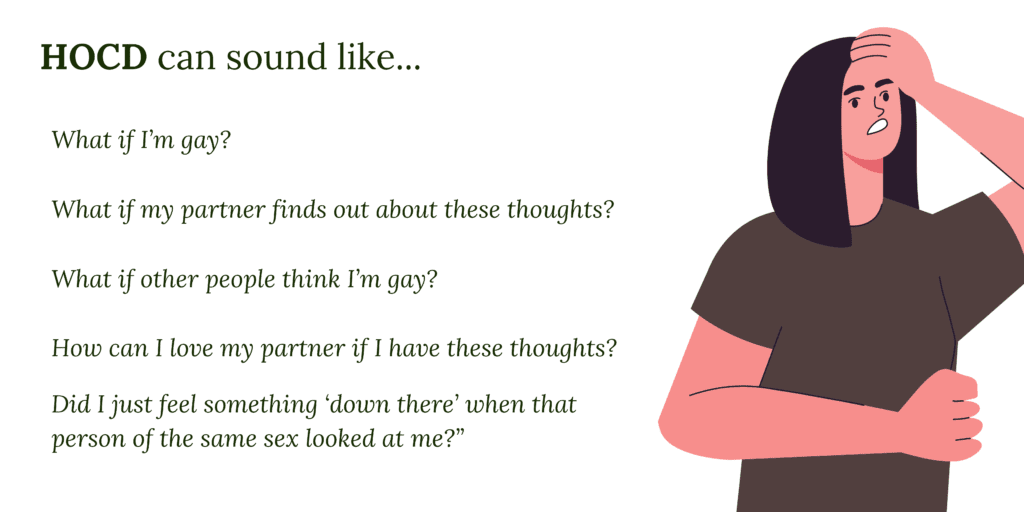
Nina (Natalie Portman,) is an enigma. Everything in her life is sideways. A deep dive into the human psyche is achieved whereby OCD, psychosis, codependence, sexual abuse, and display of power dynamics dominate the film.
Nina’s mother (Barbara Hershey) is a control freak and she zeroes in like a hawk on Nina. She knows her daughter has OCD and she tries to fight it while battling her jealousy — in the film it is mentioned that her mother gave up her dance dreams because she became pregnant with Nina. Nina also begins to drift into psychotic states whereby time, emotion, and visions all appear distorted — these images are visceral, and accurate in many a mind.
Faced with fear at home, she is paranoid, and eventually emotionally manipulated. Reality begins to disappear as she becomes sexually swayed by the Ballet instructor, Thomas (Vincent Cassel), who is putting on his version of a SWAN LAKE. He uses her, and she uses him.
The idea of being “used” is a big part of the film too. Beth (Winona Ryder), is a character who has been regarded highly; a star, a beauty. The ballet instructor even took to calling her “Little Princess.” The audience receives a toast where the instructor says Beth is retiring — Beth remains a smiling figure. Later, she asks Nina if she had “sucked his cock.” To which Nina stated: “some of us don’t have to.”
The feminist implications of this film have already been discussed at length, so let me do some dancing around the subject. Nina is sexually dismissive, but vicious in her career aspirations. The constant forces of perfectionism make Nina spiral to an intense degree. Thomas uses his position of power to abuse Nina’s lack of control. He strives to take away innocence in its many forms. So, as though Nina is abused, manipulated, yet celebrated, it is also true of Beth, and her friend Lily (Mila Kunis). Lily is obsessed with taking over Nina’s life — obviously a foil, and a double of Nina simultaneously. Is Lily real? Is perfection really healthy?
Feminism also comes into play when discussing the film. Beth is the “Little Princess,” just as Nina acquires the title at the end of the film. It took no time at all for Beth to disappear — she got hit by a bus. Thomas tried to make Nina believe that Beth had done it on purpose. Nina’s trips to the hospital to visit Beth prove that the situation was much more complicated. The question of youth, the question of stamina, and the question of beauty standards all lay stagnant.

The movie is a mirror. Nina vs. Nina. Nina vs. Lily. Nina vs Beth. All of these things comprise the mirror as real as the one Nina smashes on the day of the performance. Ultimately, the reflections she sees of herself taunt her, drive her mad. She makes a weapon forged of hatred, and passion simultaneously. By seeing Lily as her enemy, not only are we getting into the blueprints of jealousy, we are also seeing a disgusting display of lateral violence. Women are pitted against each other throughout the film but eventually it is the men who let the women down — literally, whereby the ballet dancer who held Nina up on the stage dropped her, and she was blamed. Nina is blamed for so many things throughout the film. She’s a punching bag, but she punches back, inevitably fatally.
But. The thing is. Nina was never the Black Swan — not until she is pushed too far, not until she bristles right where her scratching starts, not until she is ripping off invisible hangnails, not until she feels her legs give out, and let something give within her. Something that controls her. This is a bird of great fear. Hallucinatory? Yes. Terrifyingly real to her? Completely. By showing the physical as well as the mental, the audience begins to learn the toll of her role — something her mother stresses too much (behaving not unlike Carrie’s mother in CARRIE.)
Nina is the white swan. Purity, beauty and grace.

Nina is the black swan. Moral ambiguity, fierce appearance, and disgraceful.

The idea that Nina can portray both is preposterous.
As Nina is getting ready she breaks a mirror and stabs Lily with a shard. She quickly hides her body. Once she returns to do her makeup for the Black Swan part of the show, she sees that Lily’s body isn’t there. Confused, and no doubt in a psychotic haze, Nina notices that the glass has been lodged into her own torso. She looks down for a moment of panic, and ignores it. She had been panicking through out the film, why should she be expect anyone to care about it until the very last second.
As Nina stands atop a tower on the stage, she falls onto the mattress — the falling motion, exaggerated. The dancers crowd around and ask if she is alright, to which she replies:
“It was perfect.”

메타데이터
- post_id
- ead51e75e42d
- slug
- swan-take-two-ead51e75e42d
- url
- https://medium.com/@kyramacfarlane/swan-take-two-ead51e75e42d
- canonical_url
- https://medium.com/@kyramacfarlane/swan-take-two-ead51e75e42d
- author_url
- https://medium.com/@kyramacfarlane
- status
- ok
- fetched_at
- 2026-07-22 00:18:19