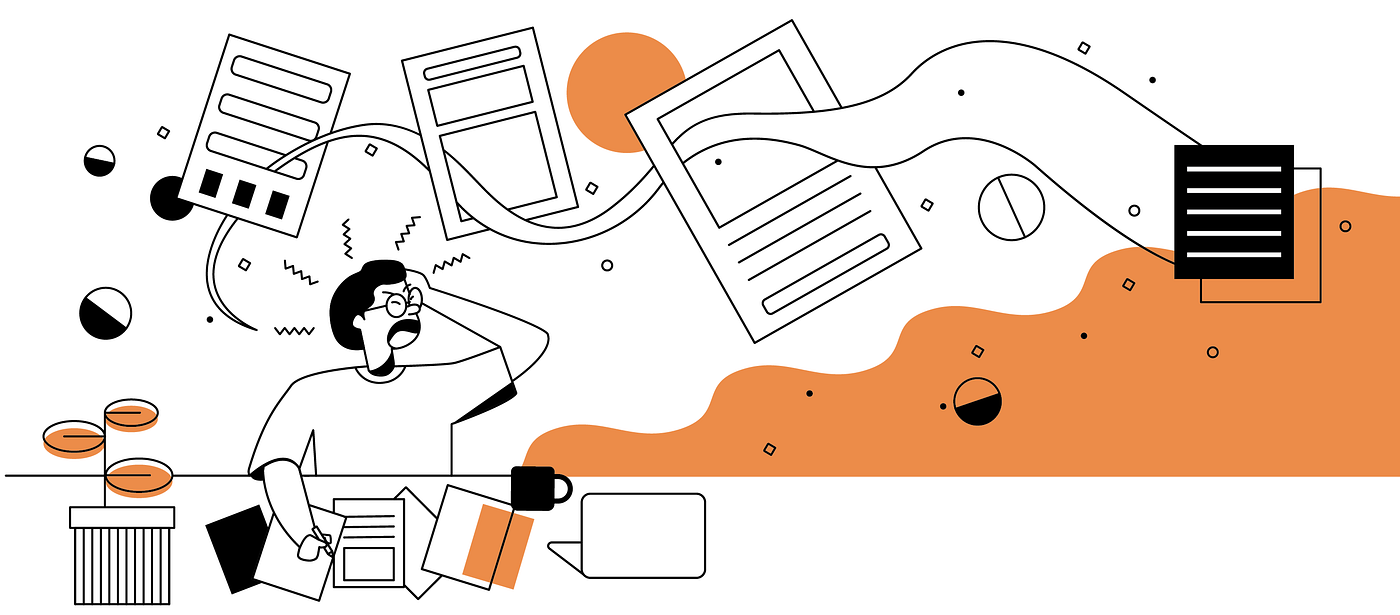
Designers, Old Work, and the Dangerous Habit of Constant Self-Judgement
Designers have a strange relationship with their own work.

Designers, Old Work, and the Dangerous Habit of Constant Self-Judgement
Designers have a strange relationship with their own work.
A piece you once loved can suddenly feel embarrassing six months later. A portfolio project that helped you land a job can begin to look “amateur” the moment your taste evolves. You scroll through old files wondering how you ever thought something was good enough to publish.
At first, this feels like growth.
Sometimes it is.
But many designers quietly develop a destructive habit: measuring their value through constant judgement of their own work.
And the more online the creative industry becomes, the more this behaviour gets rewarded.
We compare. We rank. We critique. We optimise. We perform taste.
Somewhere along the way, many creatives stop asking: “Did this solve the problem?” and start asking: “Does this make me look like a good designer?”
Those are not the same question.
The Problem With Treating Design Like Permanent Self-Evaluation
Most designers are unconsciously building an internal courtroom.
Every project gets placed on trial.
- Was it impressive enough?
- Was it original enough?
- Would another designer respect it?
- Does it look senior enough?
- Is it portfolio worthy?
- Does it compare to what I see online?
The problem is that this framework slowly disconnects designers from the actual purpose of design.
Design is not fine art hanging in isolation.
Design exists in relationship to people. To communication. To business. To emotion. To function. To experience. To outcomes.
A freelancer trying to support their family. A junior trying to get confidence. A senior trying to lead clearly. A creative director trying to align teams.
All of them can produce wildly different work while still succeeding at what actually matters.
Yet many designers judge themselves using a framework built almost entirely on aesthetics and comparison.
That creates anxiety disguised as ambition.
Why Designers Hate Their Old Work
There’s a common saying in creative industries:
“If you don’t hate your old work, you haven’t grown.”
There’s truth in that. But I also think we’ve romanticised creative self-rejection.
Old work is evidence of development. Not evidence of failure.
Your old work was created with:
- the knowledge you had then
- the time you had then
- the budget you had then
- the emotional capacity you had then
- the clients you had then
- the pressure you had then
Judging old work using your current perspective is intellectually dishonest.
Of course your taste evolved. It was supposed to.
The issue is when growth becomes permanent dissatisfaction.
Some designers become incapable of celebrating progress because they only know how to critique themselves.
The Internet Made Designers Obsessed With Relative Value
Design culture online often rewards perceived sophistication over usefulness.
We now consume design through endless feeds of:
- polished mockups
- curated case studies
- perfect branding systems
- cinematic motion reels
- aesthetic presentations of unfinished ideas
And after enough exposure, many creatives unconsciously believe:
“If my work doesn’t look like that, I’m falling behind.”
But comparison removes context.
You are comparing:
- your real projects to somebody else’s curated highlights
- your client constraints to somebody else’s freedom
- your current level to somebody else’s decade of experience
- your behind-the-scenes to their presentation layer
Comparison can inspire. But prolonged comparison distorts perception.
Eventually, the designer stops designing from conviction and starts designing for approval.
That’s where creative identity weakens.

A Better Framework For Judging Design Work
I think designers need a more balanced framework.
Not “Is this good?” but:
1. Did it serve its purpose?
Did the work communicate? Did it move people? Did it solve the problem? Did it help the client? Did it create clarity? Did it achieve the intended outcome?
Useful work matters.
2. Did I grow through making it?
Growth is not always visible aesthetically.
Sometimes growth looks like:
- better communication
- faster execution
- improved collaboration
- stronger presentation skills
- clearer thinking
- emotional resilience
- better decision-making
Not all creative growth is visual.
3. Was I honest in the process?
Did I over-design to impress? Did I hide weak thinking behind trends? Did I abandon simplicity because complexity looked smarter?
Honesty matters in creative work.
4. Does this work align with the kind of creative I want to become?
Not every project needs to become a masterpiece.
Some projects teach discipline. Some teach leadership. Some teach restraint. Some simply pay bills.
There is dignity in all of it.
Designers Need To Separate Self-Worth From Output
One of the most dangerous things a creative can do is fuse personal identity completely with the quality of their latest work.
Because then:
- good feedback becomes emotional survival
- criticism becomes personal rejection
- creative blocks become identity crises
- slower seasons feel like failure
The healthiest designers I’ve met still care deeply about craft. But they are not emotionally destroyed by every imperfect outcome.
They understand something important:
Creative work is evidence of a moment in time. Not a final verdict on their value.
Maybe The Goal Isn’t Constant Judgement
Maybe the goal is awareness without self-destruction.
Reflection without obsession.
Improvement without permanent dissatisfaction.
A designer who endlessly judges themselves often creates from fear. A designer who learns to evaluate constructively creates with more freedom.
And ironically, freedom usually produces better work anyway.
Not because the designer stopped caring. But because they stopped treating every project as proof of their worth.
That changes everything.
메타데이터
- post_id
- f22d2be6e2d2
- slug
- designers-old-work-and-the-dangerous-habit-of-constant-self-judgement-f22d2be6e2d2
- url
- https://medium.com/@kashane.smith/designers-old-work-and-the-dangerous-habit-of-constant-self-judgement-f22d2be6e2d2
- canonical_url
- https://medium.com/@kashane.smith/designers-old-work-and-the-dangerous-habit-of-constant-self-judgement-f22d2be6e2d2
- author_url
- https://medium.com/@kashane.smith
- status
- ok
- fetched_at
- 2026-09-07 15:56:01