The Starch Supplier Guide Nobody Gives You Before a Supply Contract
Buying ingredients for industrial use sounds straightforward until it isn’t. You send out an RFQ, get a few quotes back, compare prices…
The Starch Supplier Guide Nobody Gives You Before a Supply Contract
Buying ingredients for industrial use sounds straightforward until it isn’t. You send out an RFQ, get a few quotes back, compare prices, pick the lowest one, and then spend the next six months dealing with inconsistent quality, delayed shipments, and formulation headaches that your R&D team can’t explain.
It happens all the time — and it almost always traces back to the same root cause: buying a commodity when you actually needed a technically specified ingredient from a reliable starch supplier.
This guide is for anyone who deals with starch-derived products in their supply chain — whether that’s corn starch for a food factory, native starch for a paper mill, HFCS 55 for a beverage company, dextrose powder for a pharma plant, organic fructose for a health food brand, extra neutral alcohol for a distillery, or DDGS for poultry feed formulation. We’re going to cover the things that matter in practice, not just on paper.
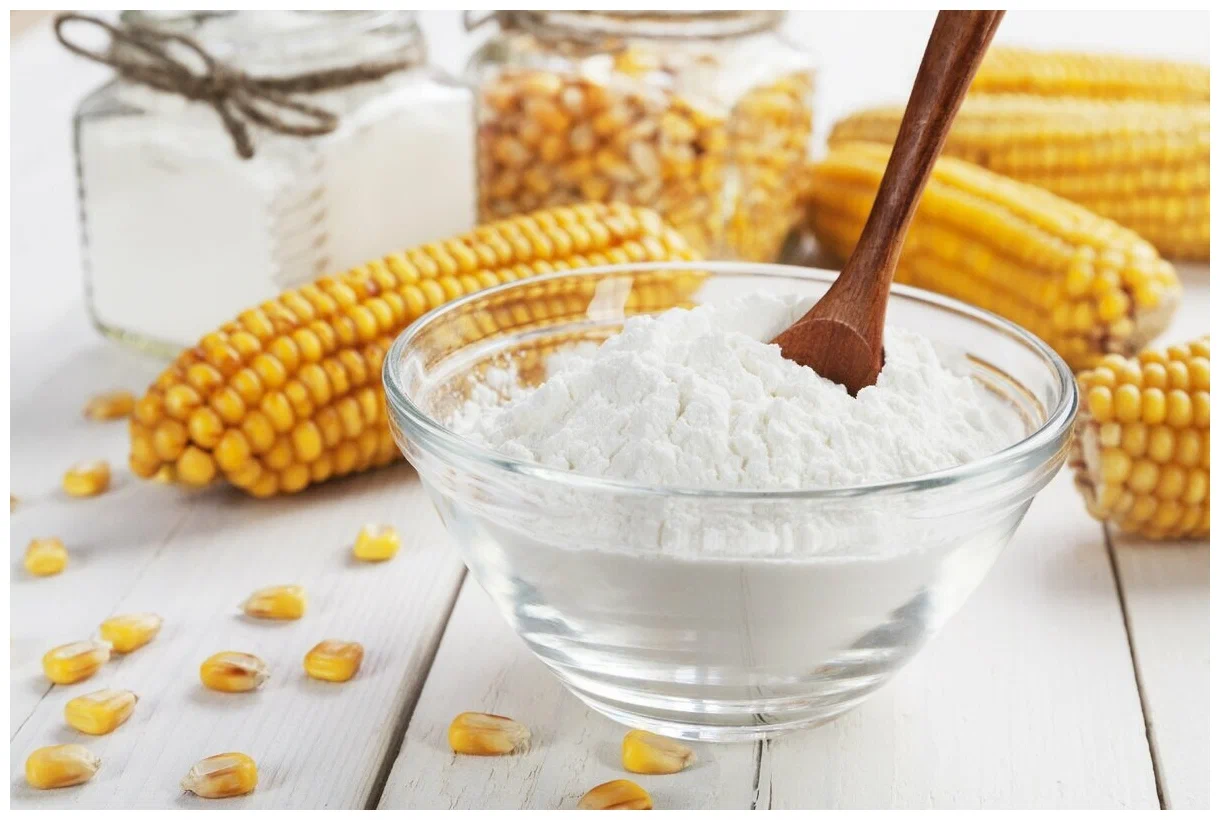
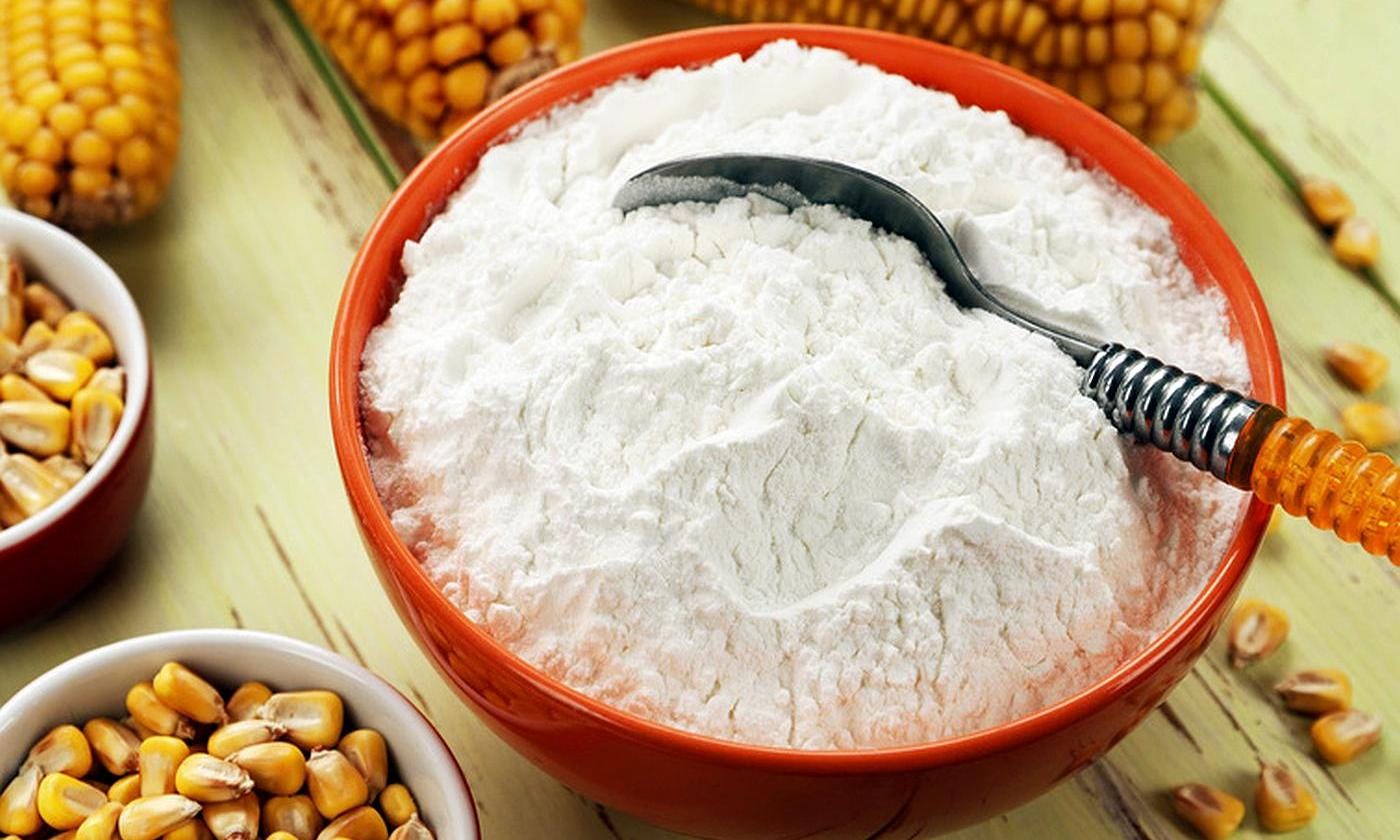
Corn Starch: More Specification Than You Think
People assume corn starch is **corn starch**. It’s a white powder, it comes from corn, it thickens things. What’s there to specify?
Quite a lot, it turns out.
Moisture content is the first thing to look at. Standard food-grade corn starch typically runs at 12–14% moisture. Higher moisture shortens shelf life and can lead to caking. Lower moisture sounds better until you realise it affects flow properties in automated dosing systems.
Whiteness/brightness matters enormously for applications like confectionery coatings, white sauces, and pharmaceutical excipients. A starch with poor whiteness can visibly affect your finished product.
Viscosity profile — this is where things get technical. Native corn starch gelatinizes at around 62–72°C and produces a paste with specific viscosity characteristics. If you’re using starch in a retort-processed product or a high-shear mixing line, the viscosity behaviour under those conditions will determine whether your product holds together or breaks down. Different corn varieties and different milling processes produce different viscosity profiles.
Protein and fat residues — even small amounts of residual protein and fat in corn starch can cause problems. In clear gel applications, they cloud the product. In certain pharmaceutical applications, they affect drug release profiles. In high-temperature processing, residual fat can go rancid.
When you’re sourcing corn starch at scale, these aren’t minor details. They’re the difference between a supplier relationship that runs smoothly for years and one that generates constant quality complaints.
The practical takeaway: always ask for a detailed technical data sheet, not just a certificate of analysis. And request samples from at least three production batches before committing to a volume contract. A good starch supplier will have no problem providing these.
Native Starch vs. Modified Starch: Knowing When You Need Which
There’s a lot of confusion in the market about when to use native starch versus modified starch. The short answer is: it depends entirely on what you’re asking the starch to do.
Native starch — unmodified, exactly as it comes out of the grain — is the right choice when:
- You need a clean label (no E-numbers, no “modified starch” on the ingredient list)
- You’re producing for organic certification and your certifying body restricts modified starches
- Your application doesn’t subject the starch to extreme conditions (very high temperatures, low pH, freeze-thaw cycles)
- You’re using starch as a base material for further in-house processing
Modified starch makes sense when your process or product requires properties that native starch can’t deliver: stability in acidic conditions (like fruit-flavoured yoghurts), freeze-thaw stability (like frozen ready meals), or specific texture profiles (like smooth, short-textured sauces).
A lot of manufacturers default to modified starch because it’s easier — it’s more forgiving in processing. But modified starch comes at a higher cost and, increasingly, at a market positioning cost as consumers read labels more carefully.
If you’re reformulating for clean label or organic positioning, it’s worth doing the technical work to understand whether native starch can get you there. Often it can, with minor adjustments to processing parameters. A technically capable **starch supplier** with application support capability can walk you through this — it’s actually one of the better tests of whether a supplier is genuinely adding value or just selling you powder.
HFCS 55: Getting the Specification Right for Beverage Applications
High Fructose Corn Syrup with 55% fructose — HFCS 55 — is the dominant sweetener in the global beverage industry for a reason: it works, it’s cost-effective, and when you’re running a high-volume liquid production line, the logistics of handling a liquid sweetener are genuinely more efficient than managing crystalline sugar.
But HFCS 55 is not a single, uniform product. The specifications that matter:
Dry substance (Brix) — typically 77° Brix for standard HFCS 55. Higher Brix means more sweetener per unit volume, but also higher viscosity, which affects pumping and mixing. Make sure your spec matches your handling infrastructure.
Fructose/glucose ratio — “55% fructose” is the nominal specification, but actual fructose content in commercial HFCS 55 typically runs between 54–56%. Even small deviations affect perceived sweetness, particularly in applications where the product is consumed cold. Beverages taste sweeter cold than warm when fructose is involved, so this ratio matters for consumer perception.
Colour (ICUMSA) — for clear beverages, colour in the sweetener is unacceptable. Low-colour HFCS 55 (low ICUMSA units) is essential for water-clear drinks. For darker beverages like colas or dark juices, colour is less critical — but you should still specify it.
Microbial standards — liquid sweeteners are excellent substrates for yeast and mould growth if storage and handling aren’t controlled. Your supplier should provide microbiological certificates, and you should have clear protocols for storage temperature and tank hygiene.
For beverage manufacturers considering switching from sucrose to HFCS 55, or vice versa, note that the substitution is rarely one-to-one. The sweetness equivalence and the water activity effects differ. Work with your formulation team to run sensory panels before making a switch at scale.
Organic Fructose and the Organic Sweetener Supply Chain: What Certification Actually Means
The organic food market in India and globally has grown consistently year over year — and with it, the demand for certified **Organic fructose and other organic sweeteners** has moved from niche to mainstream.
But “organic” on a sweetener label means more than a sticker. It means the entire supply chain — from the field where the corn was grown, through the processing facility, through every storage and transport touchpoint — has been audited and certified to organic standards. The certification bodies (USDA NOP for the US market, EU Organic for Europe, India Organic for domestic) have specific requirements at every step.
What this means practically for buyers:
Traceability documentation — you need chain of custody certificates, not just a finished product certificate. If your supplier can’t show you farm-level certification and transaction certificates at each stage, the organic claim isn’t airtight.
Segregation practices — a facility that produces both organic and conventional products needs to have documented and audited segregation protocols. Cross-contamination during storage, transport, or processing can void organic certification. Ask specifically about this.
GMO status — most organic certifications require non-GMO source material, but the documentation requirements vary. In export markets, non-GMO and organic are often evaluated separately by buyers.
Annual recertification — organic certification isn’t a one-time event. Your supplier should be recertified annually, and you should have access to current certificates at all times.
If you’re building an organic product line and you’re sourcing organic sweeteners for the first time, budget extra time for supplier qualification. The documentation review alone takes longer than for conventional ingredients. But once you have a reliable certified supplier in place, the channel access and margin premium that organic positioning provides tends to justify the effort significantly.
Dextrose Powder in Pharma and Food: Why Grade Matters More Than Price
Let’s talk about dextrose powder the way a quality manager would, not a purchasing agent.
Dextrose is chemically simple — it’s glucose. But the process of getting from corn starch to pharmaceutical-grade dextrose involves controlled hydrolysis, purification, crystallization, and drying, each of which can introduce or remove impurities. The grade you need determines the specification you should be buying to.
Food Grade Dextrose — must meet basic food safety standards. Tested for moisture, purity, colour, sulphated ash, and microbial limits. Used in bakery, confectionery, sports nutrition, fermentation, and as a general sweetener.
Pharmaceutical Grade Dextrose (IP/USP/BP) — significantly more stringent. Additional tests for heavy metals (lead, arsenic, mercury), specific optical rotation, conductivity (indicating ionic purity), and much tighter microbial limits. Used in IV solutions, oral rehydration salts, tablet manufacturing, and liquid oral formulations.
Fermentation Grade — high solubility and purity, with specific emphasis on the absence of fermentation inhibitors. Used as a carbon source in biofermentation processes for amino acids, organic acids, and enzymes.
The most common mistake buyers make: sourcing food-grade dextrose when their application actually requires pharmaceutical grade, or sourcing pharmaceutical grade (and paying the premium) when food grade would perform identically. Neither is ideal.
If you’re a **dextrose powder supplier** prospect evaluation checklist, include: pharmacopoeia compliance documentation, batch-specific certificates of analysis, stability data, and supplier audit history. For pharmaceutical applications, check whether the supplier’s facility is GMP-approved and whether they have a valid Drug Master File or similar regulatory dossier.
DDGS in Poultry Feed: A Nutritionist’s Practical Perspective
**DDGS in poultry feed** is a topic where the gap between academic literature and practical farm experience is wider than it should be. So let’s cover both.
The nutritional profile of DDGS varies meaningfully depending on its source. Corn-based DDGS from grain ethanol production typically contains:
- Crude protein: 26–30%
- Crude fat: 8–12%
- Crude fibre: 7–10%
- Available phosphorus: 0.7–0.8% (significantly higher than in corn grain itself, because the phytate-bound phosphorus is partially released during fermentation)
- Lysine: relatively low (0.6–0.7% of DM) — this is the key limiting amino acid to watch
The available phosphorus point is underappreciated. Poultry diets typically require exogenous phosphorus supplementation, and conventional sources are expensive. DDGS’s elevated available phosphorus means you can reduce or eliminate some of that supplementation when including DDGS in the diet, which has a real cost benefit.
Practical inclusion guidelines for broilers:
- Starter phase (0–10 days): Keep DDGS below 5%, ideally 0% for very young chicks. Gut development is fragile and high-fibre ingredients can interfere.
- Grower phase (11–24 days): 10–15% inclusion is generally well-tolerated with proper amino acid balancing
- Finisher phase (25 days to market): Up to 20% is achievable without significant performance depression, provided lysine and methionine are supplemented appropriately
Practical inclusion guidelines for layers:
- 10–15% inclusion works well in most commercial layer diets
- Higher inclusion (up to 20%) has been reported without egg production impacts, but may affect yolk colour — worth monitoring if your market demands deep yolk colour
- DDGS can also partially replace expensive protein sources like soybean meal, which is the main economic rationale
The quality variable that field nutritionists worry about most: colour of DDGS. Light-coloured (golden/tan) DDGS indicates proper drying temperature and higher digestibility. Dark-coloured DDGS suggests overdrying, which causes Maillard reactions that reduce lysine availability significantly. Always request colour specification and, if possible, ADICP (Acid Detergent Insoluble Crude Protein) values as a proxy for heat damage.
Working with a producer like Gulshan Polyols — where DDGS comes from an integrated corn processing operation with controlled drying parameters — gives you far more consistency in these quality variables than buying from aggregators or secondary traders.
Extra Neutral Alcohol for the Spirits Industry: What Master Blenders Actually Look For
The spirits industry doesn’t often advertise this, but the quality of Extra neutral alcohol used as a base has an enormous influence on the quality of the finished product — even in spirits where the ENA is then redistilled or blended with heavily flavoured components.
Here’s why: ENA is never perfectly neutral. The goal is to get as close as possible, but even the best grain-based ENA carries trace amounts of compounds that contribute to the overall flavour profile. The skill of sourcing ENA is knowing which trace profiles you can work with and which create problems.
What master blenders and distillery procurement managers look for:
Methanol content — this is non-negotiable from a safety and regulatory standpoint. Indian regulations specify maximum methanol levels for potable spirits, and international markets have their own limits. A reliable ENA producer will have consistent, documented methanol levels well below regulatory limits.
Aldehyde content — acetaldehyde is the most common aldehyde in ENA, and at even trace levels it creates a sharp, solvent-like character in spirits. Premium ENA should have extremely low aldehyde content.
Fusel alcohols — propanol, isobutanol, isoamyl alcohol — these are the congeners that create the “harsh” character in poorly rectified spirits. Grain-based ENA, when properly rectified through multiple columns, achieves much lower fusel levels than molasses-based ENA.
Colour (Hazen units) — premium ENA should be water-white. Any colour indicates organic contamination or process issues.
Consistency across batches — this is perhaps the most underrated specification. A distillery that uses ENA as a base needs the base to be consistent. If the ENA character shifts between batches, the blended product shifts, which means the master blender has to compensate constantly.
For pharmaceutical and cosmetic applications of ENA, the requirements are even stricter — pharmacopoeia compliance, residual solvent testing, and in some cases, specific isotope ratio analysis to verify origin.
Five Questions to Ask Any Starch or Grain Products Supplier Before Signing a Contract
After everything we’ve covered, let’s distill it into something actionable. Before you commit to a supplier — whether for corn starch, native starch, HFCS 55, **organic sweetener**, dextrose powder, DDGS, or extra neutral alcohol — ask these five questions:
1. Can you provide batch-specific certificates of analysis, and how consistent are key parameters across batches? Don’t accept a “typical” spec sheet. Ask for actual CoAs from the last five shipments and compare the variability. This tells you more about process control than any audit ever will.
2. What is your quality escalation process when a batch doesn’t meet spec? A good supplier has a documented, fast process for handling quality deviations. A bad supplier has excuses. You want to know which one you’re dealing with before a problem occurs.
3. Do you have application-specific technical support, or just a sales team? This matters most when you’re trying to reformulate, optimise, or solve a processing problem. A supplier with genuine technical capability is a partner; one without is just a vendor.
4. What is your minimum order quantity, and what lead times are realistic at volume? The MOQ and lead time you get in the sample stage are often very different from what happens at commercial scale. Get this in writing.
5. What certifications do you hold, and are they current? ISO, FSSC 22000, FSSAI, organic certifications, GMP approvals — request the actual certificates and check the expiry dates. A lapsed certification is not a valid certification.
The Bottom Line
Industrial ingredient sourcing is one of those areas where the decisions you make upfront — which supplier you qualify, what specifications you lock in, what quality systems you verify — determine your operational reality for years. The market has plenty of suppliers. It has far fewer that combine manufacturing scale, technical capability, consistent quality, and genuine application knowledge.
Gulshan Polyols Limited has been building that combination for over 30 years — across corn starch, native starch, HFCS 55, organic sweeteners, dextrose powder, extra neutral alcohol, and DDGS for poultry feed — serving customers across India and more than 40 countries globally.
If you’re evaluating your supply chain for any of these categories, it’s worth starting with a supplier that has already solved the problems you haven’t encountered yet.
메타데이터
- post_id
- f566c3c021f0
- slug
- the-starch-supplier-guide-nobody-gives-you-before-a-supply-contract-f566c3c021f0
- url
- https://medium.com/@gulshanindia58/the-starch-supplier-guide-nobody-gives-you-before-a-supply-contract-f566c3c021f0
- canonical_url
- https://medium.com/@gulshanindia58/the-starch-supplier-guide-nobody-gives-you-before-a-supply-contract-f566c3c021f0
- author_url
- https://medium.com/@gulshanindia58
- status
- ok
- fetched_at
- 2026-06-15 20:49:13