The Heroic Resistance of Demak Under Pati Unus and Fatahillah Against the Portuguese in Malacca…
In the early 16th century, the Demak Sultanate, Java’s first Islamic kingdom, emerged as a formidable force in Southeast Asia, challenging…
The Heroic Resistance of Demak Under Pati Unus and Fatahillah Against the Portuguese in Malacca Strait
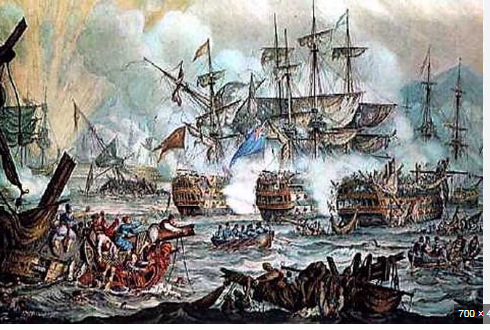
Demak Against Portuguse Colonial in Malacca Strait
In the early 16th century, the Demak Sultanate, Java’s first Islamic kingdom, emerged as a formidable force in Southeast Asia, challenging Portuguese colonial ambitions in the Malacca Strait. Under the leadership of Sultan Pati Unus and the military commander Fatahillah, Demak launched bold campaigns to resist Portuguese control over Malacca and its surrounding regions. These heroic efforts, marked by naval prowess and strategic brilliance, not only defended Islamic sovereignty but also shaped the course of Indonesian history. This article delves into the epic resistance led by Pati Unus and Fatahillah in the Malacca Strait, exploring their strategies, challenges, and enduring impact.
The Malacca Strait: A Battleground of Power
The Malacca Strait, a narrow waterway connecting the Indian Ocean to the South China Sea, was a vital artery for global trade in the 16th century. The port city of Malacca, located on the Malay Peninsula, was a bustling hub for merchants from China, India, Arabia, and the Indonesian archipelago. In 1511, the Portuguese, led by Afonso de Albuquerque, captured Malacca, disrupting Islamic trade networks and threatening the regional influence of sultanates like Demak.
The Demak Sultanate, established around 1475–1481 CE on Java’s northern coast, was a rising Islamic power under the leadership of Raden Patah and his successors. With its strong navy and alliances with the Wali Songo (nine Islamic saints), Demak viewed the Portuguese presence in Malacca as a direct challenge to its economic and religious interests. The stage was set for a dramatic confrontation in the Malacca Strait, led by two of Demak’s most iconic figures: Pati Unus and Fatahillah.
Pati Unus: The Fearless “Pangeran Sabrang Lor”
Pati Unus, also known as Adipati Yunus or Pangeran Sabrang Lor (“Prince of the North”), was the second Sultan of Demak, ruling from approximately 1518 to 1521 CE. Renowned for his courage and naval expertise, Pati Unus earned his title through his daring expeditions across the Java Sea. His most celebrated campaign was the 1513 attack on Portuguese-held Malacca, a bold attempt to reclaim the port and restore Islamic control over the Malacca Strait.
The 1513 Malacca Expedition
In 1513, Pati Unus assembled a massive fleet, reportedly comprising hundreds of ships, including large jong (Javanese war ships), and thousands of warriors from Demak, Jepara, and allied coastal states. According to sources like Babad Tanah Jawi and historical analyses, the armada sailed through the Malacca Strait, aiming to besiege the Portuguese stronghold. The campaign was a testament to Demak’s maritime strength and its determination to challenge European colonialism.
The Portuguese, however, were well-prepared, relying on their fortified A Famosa fortress and advanced weaponry, including cannons. Despite the scale of Pati Unus’s attack, the Portuguese repelled the assault, inflicting heavy losses on Demak’s fleet. The campaign failed to recapture Malacca, and Pati Unus was forced to retreat. Nevertheless, the expedition showcased Demak’s resolve and sent a clear message to the Portuguese and regional powers about the sultanate’s military capabilities.
Pati Unus’s Legacy
Pati Unus’s 1513 campaign, though unsuccessful, cemented his reputation as a heroic figure in Javanese history. His willingness to confront a powerful European enemy inspired future resistance efforts. Tragically, Pati Unus died in 1521, possibly during another campaign or due to illness, but his vision of defending Islamic interests in the Malacca Strait lived on. His leadership strengthened Demak’s naval traditions and set the stage for subsequent campaigns under his successors.
Fatahillah: Strategic Brilliance in the Malacca Strait Region
Following Pati Unus’s death, Fatahillah (also known as Faletehan or Syarif Hidayatullah), a skilled military commander and scholar, rose to prominence under Sultan Trenggana, Demak’s third ruler. While Fatahillah is best known for his 1527 conquest of Sunda Kelapa, his broader campaigns in the Malacca Strait region were critical in countering Portuguese influence. His strategic victories in western Java and the establishment of the Cirebon Sultanate disrupted Portuguese plans to dominate the region’s trade routes.
The Conquest of Sunda Kelapa (1527)
By the 1520s, the Portuguese sought to expand their influence beyond Malacca, targeting Sunda Kelapa (modern-day Jakarta), a key port controlled by the Hindu Pajajaran Kingdom. Recognizing the strategic importance of the port, which lay near the Malacca Strait’s trade routes, Fatahillah led a Demak-led coalition, supported by forces from Cirebon and Banten, to seize Sunda Kelapa before the Portuguese could establish a foothold.
On June 22, 1527, Fatahillah’s forces defeated the Pajajaran defenders and their Portuguese allies in a decisive battle. The victory secured Sunda Kelapa for the Islamic coalition and prevented Portuguese colonization of western Java. Fatahillah renamed the port Jayakarta (“victorious city”), marking the foundation of modern Jakarta. This triumph not only weakened Portuguese ambitions in the Malacca Strait region but also expanded Demak’s influence over Java’s western coast.
Fatahillah’s Regional Campaigns
Fatahillah’s campaigns extended to other strategic ports, including Banten, which he captured from Pajajaran. These victories disrupted Portuguese alliances with local kingdoms and strengthened Islamic control over trade routes linked to the Malacca Strait. Fatahillah later founded the Cirebon Sultanate, where he ruled as a scholar-king, promoting Islamic governance and education. His efforts ensured that the Malacca Strait remained a contested space, limiting Portuguese dominance.
Strategies and Strengths of Demak’s Resistance
The campaigns of Pati Unus and Fatahillah in the Malacca Strait region highlight Demak’s military and strategic strengths:
Naval Supremacy Demak’s access to shipbuilding centers like Jepara enabled it to construct large jong ships, capable of carrying hundreds of warriors. This naval power was essential for launching expeditions across the Malacca Strait.
Alliances with the Wali Songo The spiritual guidance and political support of the Wali Songo, including Sunan Giri and Sunan Bonang, unified Muslim communities and lent religious legitimacy to Demak’s campaigns.
Coalition Building Both leaders forged alliances with regional powers, such as Cirebon, Banten, and other coastal states, creating a united front against the Portuguese and their allies.
Strategic Timing While Pati Unus relied on direct naval assaults, Fatahillah employed strategic foresight, targeting vulnerable ports like Sunda Kelapa before the Portuguese could fortify them.
Challenges and Historical Context
The resistance faced significant challenges. The Portuguese possessed superior firepower, including cannons and fortified defenses, which gave them an edge in direct confrontations, as seen in the 1513 Malacca campaign. Additionally, the lack of contemporary records and the reliance on later sources, such as Babad Tanah Jawi, introduce uncertainties about the scale and details of these campaigns. Some accounts may exaggerate Demak’s fleet size or the extent of Fatahillah’s victories, reflecting the influence of Islamic narratives written in later centuries.
The Malacca Strait’s geopolitical complexity also posed challenges. The Portuguese formed alliances with local kingdoms like Pajajaran, complicating Demak’s efforts. Despite these obstacles, Pati Unus and Fatahillah’s campaigns demonstrated remarkable resilience and adaptability.
Historical Significance and Legacy
The resistance led by Pati Unus and Fatahillah had profound impacts on Southeast Asian history:
- Countering Portuguese Expansion Pati Unus’s 1513 campaign, though unsuccessful, strained Portuguese resources and deterred further aggression in Java. Fatahillah’s conquests of Sunda Kelapa and Banten blocked Portuguese plans to dominate western Java, preserving Islamic control over key trade routes.
- Strengthening Islamic Sovereignty The campaigns reinforced the role of Islamic sultanates as defenders of regional autonomy and faith, inspiring resistance against European colonialism across the archipelago.
- Foundation of Jakarta Fatahillah’s conquest of Sunda Kelapa laid the groundwork for Jakarta’s development as a major economic and political center, with June 22, 1527, celebrated as the city’s founding date.
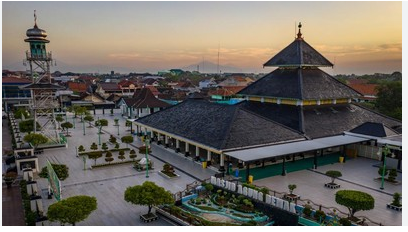
- Cultural and Religious Impact The victories promoted the spread of Islam in Java, blending Javanese traditions with Islamic governance, as seen in the architectural legacy of the Great Mosque of Demak and the courts of Cirebon.
The heroic resistance of the Demak Sultanate against the Portuguese in the Malacca Strait, led by Pati Unus and Fatahillah, remains a defining moment in Indonesian history. Pati Unus’s fearless 1513 expedition to Malacca showcased Demak’s naval might, while Fatahillah’s strategic conquest of Sunda Kelapa in 1527 secured a lasting victory that shaped Java’s future. Together, their efforts defended Islamic sovereignty, delayed Portuguese colonization, and laid the foundations for modern Indonesia.
The legacy of Pati Unus and Fatahillah endures in the cultural heritage of Jakarta, the mosques of Demak and Cirebon, and the spirit of resistance that continues to inspire Indonesians. Their stories highlight the courage and determination of a young Islamic sultanate facing a global colonial power.
Explore more about the Demak Sultanate and its role in resisting colonialism. Share your thoughts on Pati Unus and Fatahillah’s heroic campaigns in the comments below!
메타데이터
- post_id
- ff3d4463adff
- slug
- the-heroic-resistance-of-demak-under-pati-unus-and-fatahillah-against-the-portuguese-in-malacca-ff3d4463adff
- url
- https://medium.com/@unforgettablehistory/the-heroic-resistance-of-demak-under-pati-unus-and-fatahillah-against-the-portuguese-in-malacca-ff3d4463adff
- canonical_url
- https://medium.com/@unforgettablehistory/the-heroic-resistance-of-demak-under-pati-unus-and-fatahillah-against-the-portuguese-in-malacca-ff3d4463adff
- author_url
- https://medium.com/@unforgettablehistory
- status
- ok
- fetched_at
- 2026-06-26 03:39:16