Agro Forestrium Super Fast Acting Herbal Medicine to Replace Cannabis Ganja Plus Improve Mental…
Cannabis, also known as ganja in many parts of Asia, is a plant used for medicinal, industrial, and recreational purposes. It contains…
Agro Forestrium Super Fast Acting Herbal Medicine to Replace Cannabis Ganja Plus Improve Mental Health Naturally
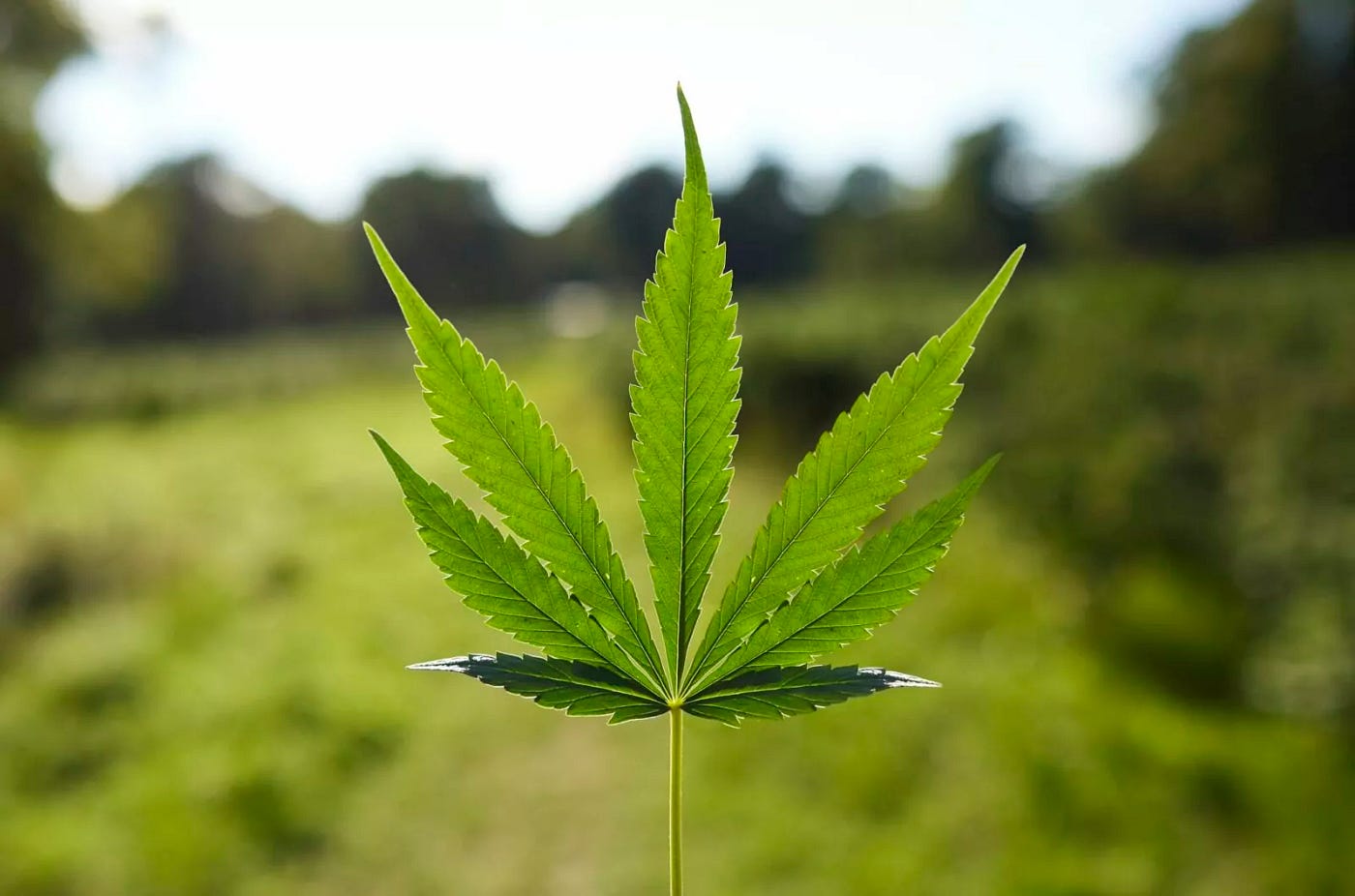
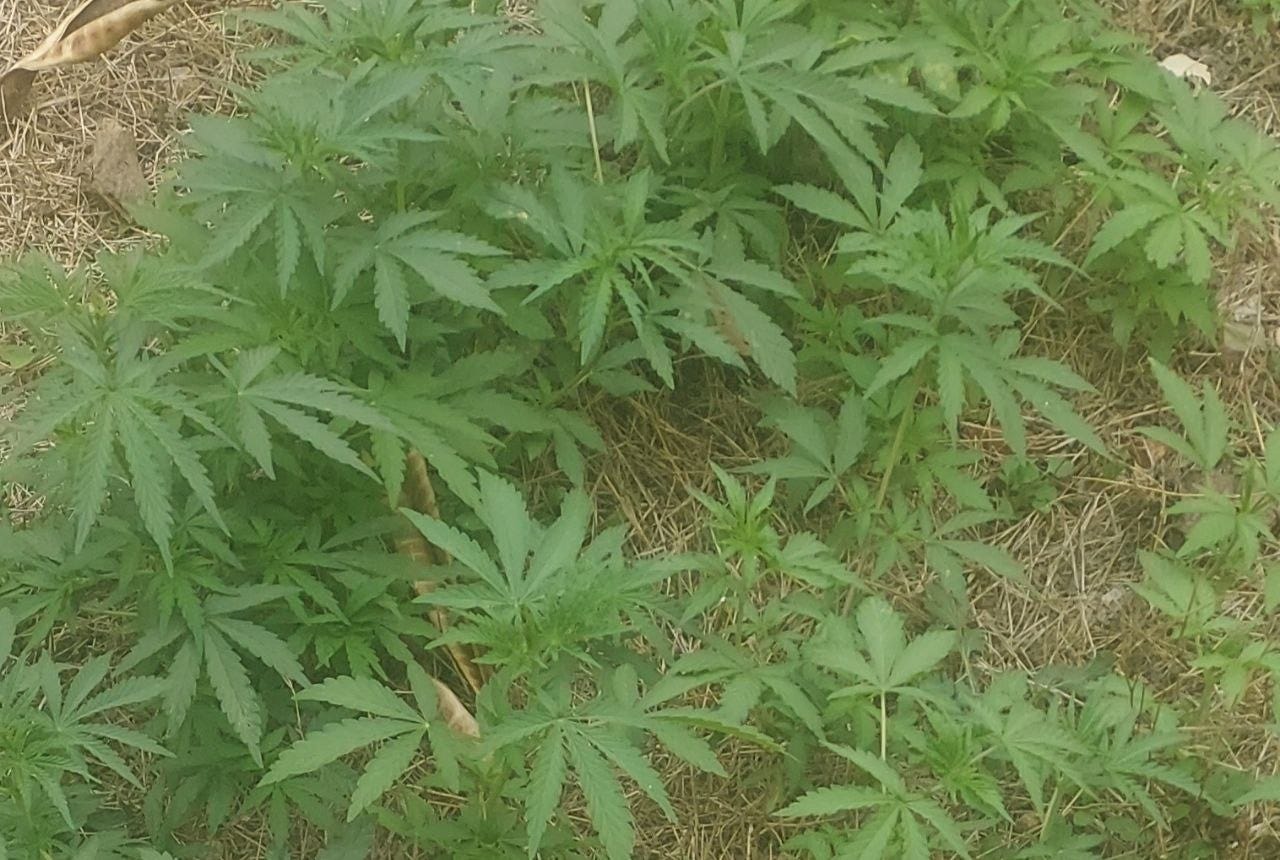
Cannabis, also known as ganja in many parts of Asia, is a plant used for medicinal, industrial, and recreational purposes. It contains chemical compounds called cannabinoids, the most well-known being THC (tetrahydrocannabinol) and CBD (cannabidiol). THC is responsible for the “high” or psychoactive effect, while CBD is often linked to relaxation and pain relief without strong intoxication.
Cannabis has been used for centuries in traditional medicine and cultural practices. In some countries, it is legally prescribed to help manage chronic pain, epilepsy, nausea from chemotherapy, and anxiety disorders. Hemp, a variety of cannabis with very low THC levels, is also used to produce textiles, paper, rope, oils, and biodegradable materials.
However, cannabis can also have negative effects, especially when used heavily or at a young age. Possible risks include memory problems, reduced concentration, anxiety, addiction, and mental health issues in vulnerable individuals. Laws regarding cannabis vary widely across the world. Some countries allow medical or recreational use, while others strictly prohibit it. Because of these differences, people should understand local laws and health risks before using cannabis in any form.
Cannabis, also called ganja, has a long history that dates back thousands of years. Ancient evidence shows that cannabis was first used in Central Asia and China around 3000 BCE. Early civilizations used the plant for medicine, religious rituals, and making rope, cloth, and paper. In ancient China, Emperor Shen Nung reportedly described cannabis as a healing herb for pain and illness. In India, ganja became part of spiritual and cultural traditions, especially in Hindu religious practices. Ancient Egyptians and Greeks also knew about cannabis and used it for treating inflammation and other health problems.
During the Middle Ages, cannabis spread through the Middle East, Africa, and Europe through trade and migration. By the 16th century, hemp varieties of cannabis were widely cultivated for making sails, ropes, and textiles. In the 19th century, cannabis extracts were used in Western medicine to relieve pain and insomnia. However, in the 20th century many countries banned cannabis because of concerns about drug abuse and public health. In recent decades, scientific research has renewed interest in cannabis for medical purposes, and several countries have legalized or decriminalized its use under certain laws.
Cannabis has gained attention in the medical world for its potential benefits in supporting mental health treatment. Certain compounds in cannabis, especially CBD (cannabidiol), are being studied for their calming and therapeutic effects. Medical professionals in some countries prescribe cannabis-based medicines to help patients manage anxiety, post-traumatic stress disorder (PTSD), stress-related insomnia, and chronic pain that affects emotional wellbeing. Some patients report that controlled medical cannabis use helps them relax, sleep better, and reduce feelings of fear or sadness. Researchers also study its effects on neurological conditions such as epilepsy and multiple sclerosis, where mental stress often accompanies physical symptoms.
However, medical experts emphasize that cannabis should only be used carefully and under professional supervision. While low or controlled doses may help some individuals, heavy or long-term use can worsen anxiety, depression, or psychosis in vulnerable people. THC, the psychoactive compound in cannabis, may affect memory, concentration, and emotional balance if misused. Because of these risks, doctors usually recommend regulated cannabis-based medicines rather than uncontrolled recreational use. Today, ongoing scientific research continues to explore how cannabis can be safely used in mental health treatment while minimizing side effects and the possibility of dependence or addiction.
Long-term use of Cannabis or ganja can negatively affect both physical and mental health, especially when used heavily or from a young age. One common effect is damage to memory, attention, and learning ability. Regular cannabis use may reduce concentration and motivation, making it difficult for some people to perform well in school, work, or daily life. Smoking cannabis can also harm the lungs, causing coughing, breathing problems, and irritation similar to the effects of tobacco smoke. In some users, long-term use may lead to dependence, where the body and mind begin to rely on the drug regularly.
Cannabis can also affect mental health over time. High levels of THC, the psychoactive chemical in cannabis, may increase the risk of anxiety, depression, paranoia, and psychosis in vulnerable individuals. Some studies suggest that heavy use during adolescence can interfere with brain development because the brain is still growing at that age. Long-term users may experience sleep problems, mood swings, reduced emotional control, and lower energy levels. In certain cases, cannabis use can worsen existing mental health disorders or make recovery more difficult. Because of these possible risks, medical experts recommend cautious and responsible use, especially among young people and individuals with mental health conditions.
1) Chamomile
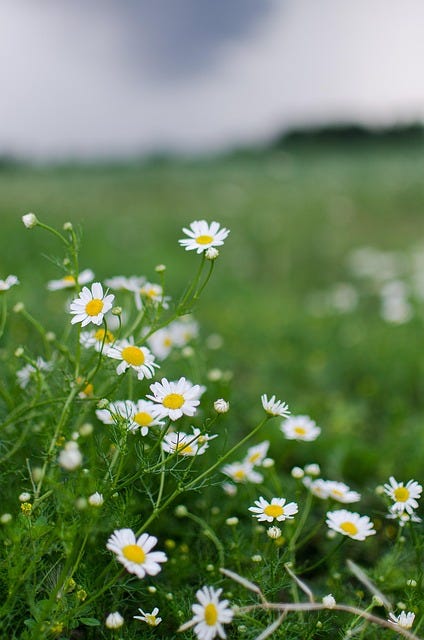
Chamomile has been used for centuries as a gentle calming herb that relaxes the mind and body. It is commonly consumed as tea and is famous for helping people sleep peacefully and reduce nervous tension. Chamomile contains natural compounds that interact with the brain in a mild soothing way, helping reduce stress and emotional restlessness. Many people drink chamomile tea during periods of anxiety, sadness, or emotional overload because it creates a feeling of warmth and relaxation without intoxication. Unlike cannabis, chamomile does not impair memory or concentration. It is especially useful for individuals dealing with stress-related insomnia or emotional fatigue. Some research suggests chamomile may help ease mild symptoms of depression and anxiety when used consistently. It also supports digestion and reduces physical tension in the body, which often accompanies stress. Because of its gentle nature, chamomile is considered one of the safest natural remedies for emotional calming and mental wellbeing.
2) Lemon Balm
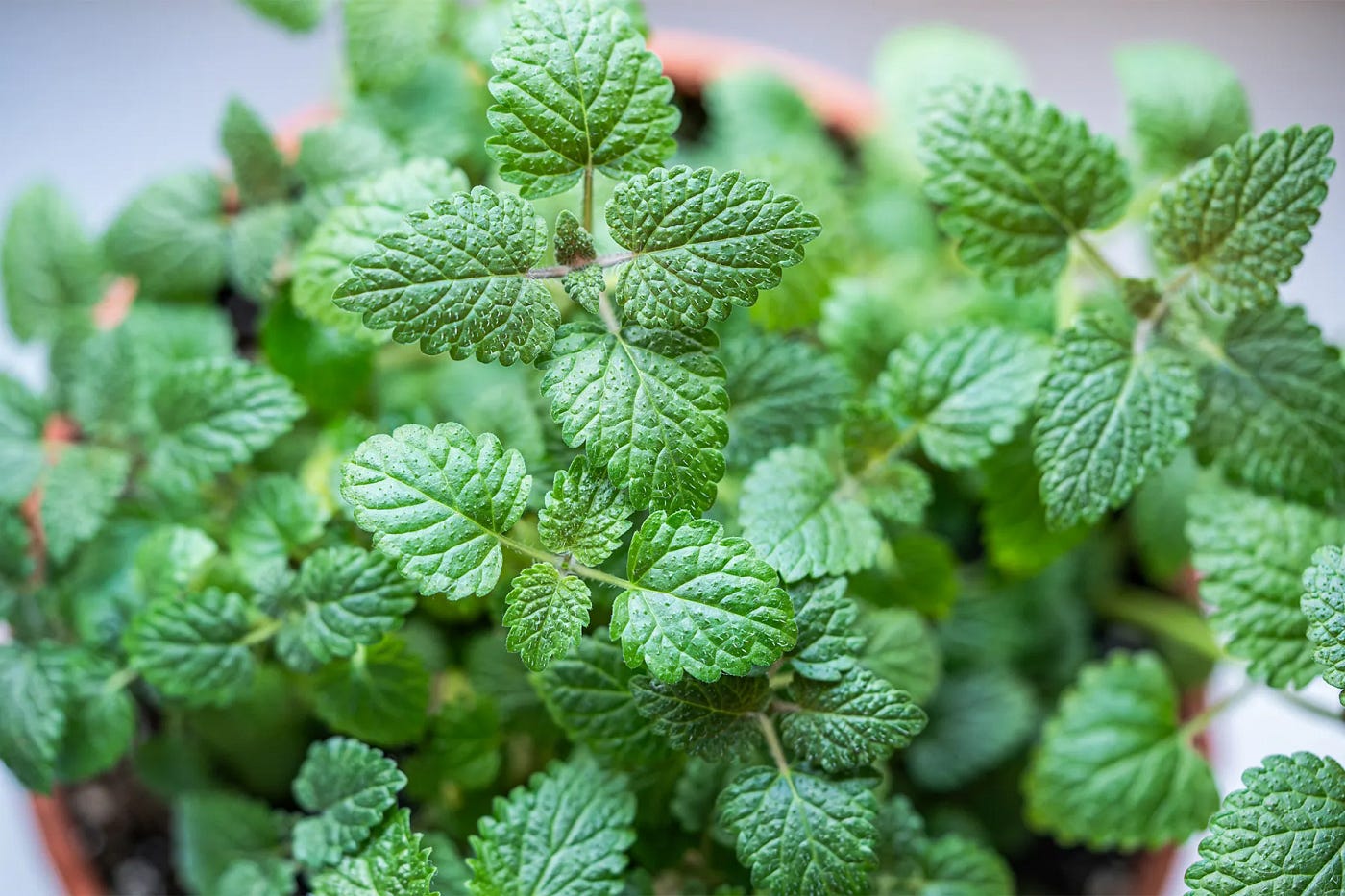
Lemon balm is a refreshing herb from the mint family that has been used for centuries to reduce anxiety and improve mood. Its gentle citrus scent naturally relaxes the mind and supports emotional calmness. People often drink lemon balm tea during stressful periods because it helps reduce nervousness and mental fatigue quickly. Studies suggest lemon balm may improve cognitive performance while lowering stress levels, making it different from cannabis, which may impair concentration. The herb is commonly used to support sleep, emotional stability, and relaxation without causing intoxication. Lemon balm also supports digestion and physical relaxation, which can help people whose stress affects the stomach and muscles. Many herbalists recommend it for emotional burnout, overthinking, and mild depression. Because of its mild and non-addictive nature, lemon balm is considered a safe plant for regular emotional wellness support and mental healing.
3) Rhodiola rosea
Rhodiola rosea is a powerful adaptogenic herb traditionally used in cold regions of Europe and Asia to fight fatigue and emotional exhaustion. It is valued for increasing mental energy while reducing stress and depression symptoms. Unlike cannabis, rhodiola usually improves mental clarity and focus rather than creating confusion or memory problems. Many people use it during periods of burnout, emotional stress, or low motivation because it may help restore emotional strength quickly. Research suggests rhodiola supports healthy brain chemistry linked to mood and resilience. It may also reduce physical tiredness caused by chronic stress. Students, workers, and athletes sometimes use rhodiola to improve mental endurance and emotional balance naturally. The herb is believed to help the nervous system adapt to pressure without damaging long-term health. Because of its energizing yet calming effects, rhodiola has become popular in modern herbal medicine for mental recovery and emotional wellbeing.
4) Passionflower
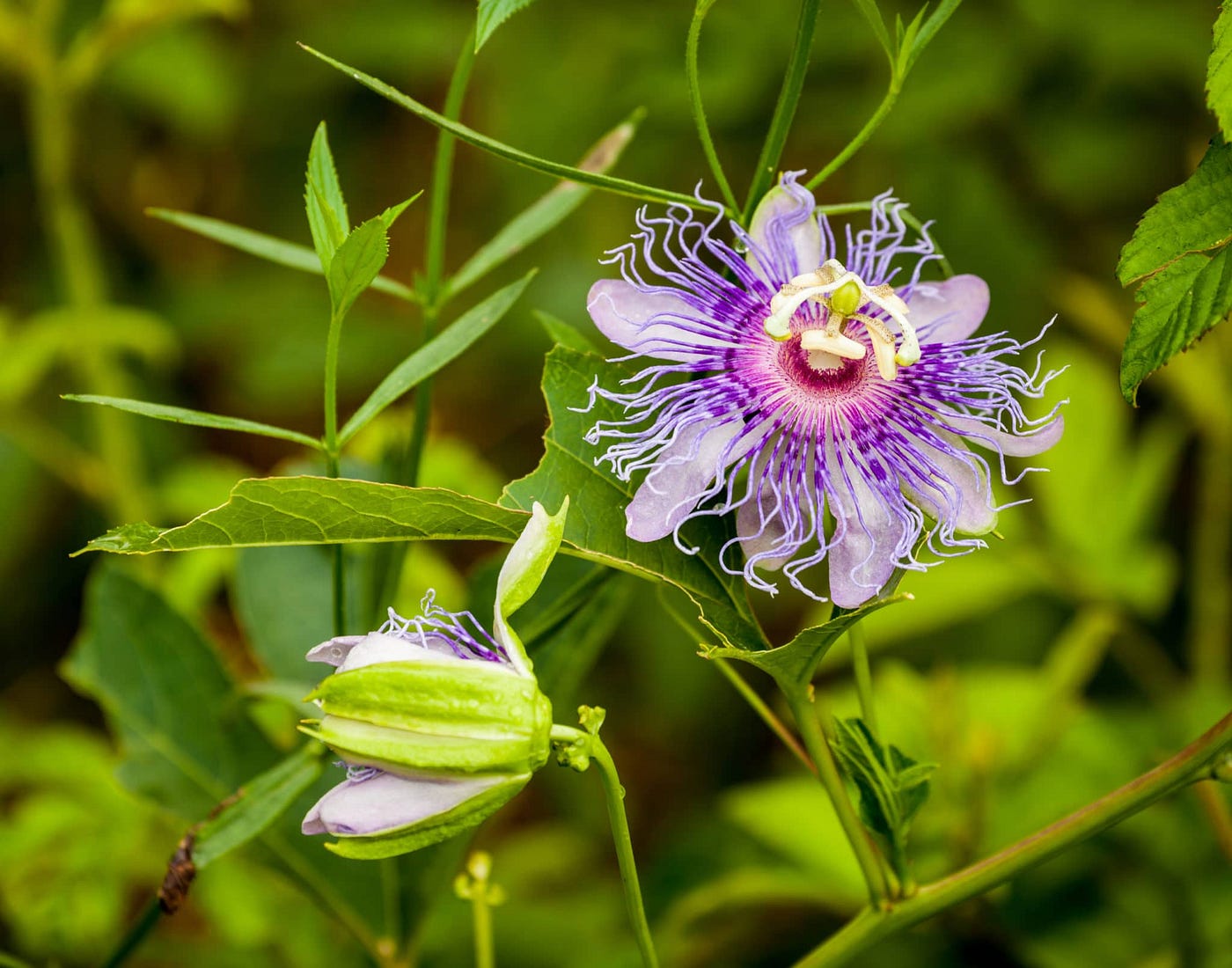
Passionflower is a calming herb often used to reduce anxiety, racing thoughts, and emotional tension. Traditional healers have used it for centuries to quiet the mind and encourage restful sleep. Passionflower works gently on the nervous system and may help people experiencing panic, stress, or emotional overload. Unlike cannabis, it does not create intoxication or dependency when used responsibly. Many people describe passionflower as creating a peaceful mental feeling while maintaining emotional awareness and mental clarity. It is commonly prepared as tea, tincture, or capsule. Some studies suggest passionflower may support healthy levels of calming neurotransmitters in the brain, helping reduce nervous agitation naturally. Herbal practitioners often recommend it for emotional exhaustion, insomnia, and stress-related mood changes. Because of its soft but effective calming qualities, passionflower is considered one of the safest natural herbs for emotional support and relaxation.
5) Holy Basil
Holy basil, also known as Tulsi, is a sacred herb in Indian traditional medicine and spiritual practice. It is respected for its ability to calm the mind, reduce stress, and improve emotional balance. Tulsi acts as an adaptogen, helping the body and brain respond more calmly to pressure and emotional challenges. Many people drink tulsi tea daily to support mental clarity and inner peace. Unlike cannabis, holy basil does not impair memory or motivation. Instead, it may improve focus while gently reducing anxiety and emotional tension. Research suggests tulsi contains antioxidants and compounds that support healthy brain and nervous system function. It is also believed to improve sleep quality and reduce fatigue caused by chronic stress. Because of its calming yet uplifting qualities, holy basil is often used in meditation and wellness practices to support emotional healing and mental strength naturally.
6) Gotu Kola
Gotu kola is a traditional herb used in Ayurvedic and Chinese medicine to improve mental clarity and emotional calmness. It is often associated with meditation and spiritual focus because it may help quiet the mind while supporting concentration. Many people use gotu kola to reduce anxiety, emotional stress, and mental fatigue naturally. Unlike cannabis, it usually sharpens memory and focus rather than weakening them. Some studies suggest gotu kola may support healthy brain circulation and nervous system function, which can improve emotional stability over time. It is commonly consumed as tea, capsules, or herbal extracts. Herbal practitioners also recommend gotu kola for emotional recovery after stress-related exhaustion or burnout. Because it supports both relaxation and cognitive function, gotu kola is valued as a gentle but effective herb for mental wellness and emotional healing.
7) Blue Lotus
Blue Lotus has been used since ancient Egyptian times for relaxation, emotional calmness, and spiritual ceremonies. The flower contains natural compounds that may create mild euphoric and calming sensations without the heavy intoxication linked to cannabis. Many people use blue lotus tea or extracts to reduce stress, quiet the mind, and improve sleep quality quickly. It is often associated with peaceful meditation and emotional release. Unlike heavy cannabis use, blue lotus usually does not strongly impair memory or motivation. Users commonly describe a warm, dreamy, and emotionally relaxing effect that helps reduce anxiety and emotional pressure naturally.
8) California Poppy
California poppy is a gentle herbal sedative known for calming the nervous system and reducing anxiety rapidly. Herbal medicine traditions use it for emotional stress, insomnia, nervous tension, and restlessness. It may create a soft relaxing sensation that helps people feel emotionally lighter without creating intoxication like cannabis. Many users take it as tea or tincture before sleep or during periods of emotional overload. It is also valued for supporting emotional stability and reducing stress-related muscle tension naturally.
9) Skullcap
Skullcap is a powerful calming herb traditionally used to reduce nervous tension, panic, and emotional exhaustion. Many herbalists recommend skullcap for people whose minds feel overstimulated or emotionally overwhelmed. It may help calm racing thoughts quickly and create a peaceful mental state without the psychoactive confusion linked to cannabis. Skullcap is especially popular among people dealing with burnout, stress-related insomnia, or emotional fatigue. The herb supports nervous system recovery while helping the body physically relax.
10) Mugwort
Mugwort has long been used in Asian and European herbal traditions for relaxation, dream enhancement, and emotional calmness. Some people experience a mild soothing or dreamy effect after drinking mugwort tea or using it in aromatherapy. It is often connected with meditation, stress relief, and mental quietness. Unlike cannabis, mugwort usually produces gentler effects and less cognitive impairment. Many users report feeling emotionally lighter and mentally relaxed after moderate use.
11) Damiana
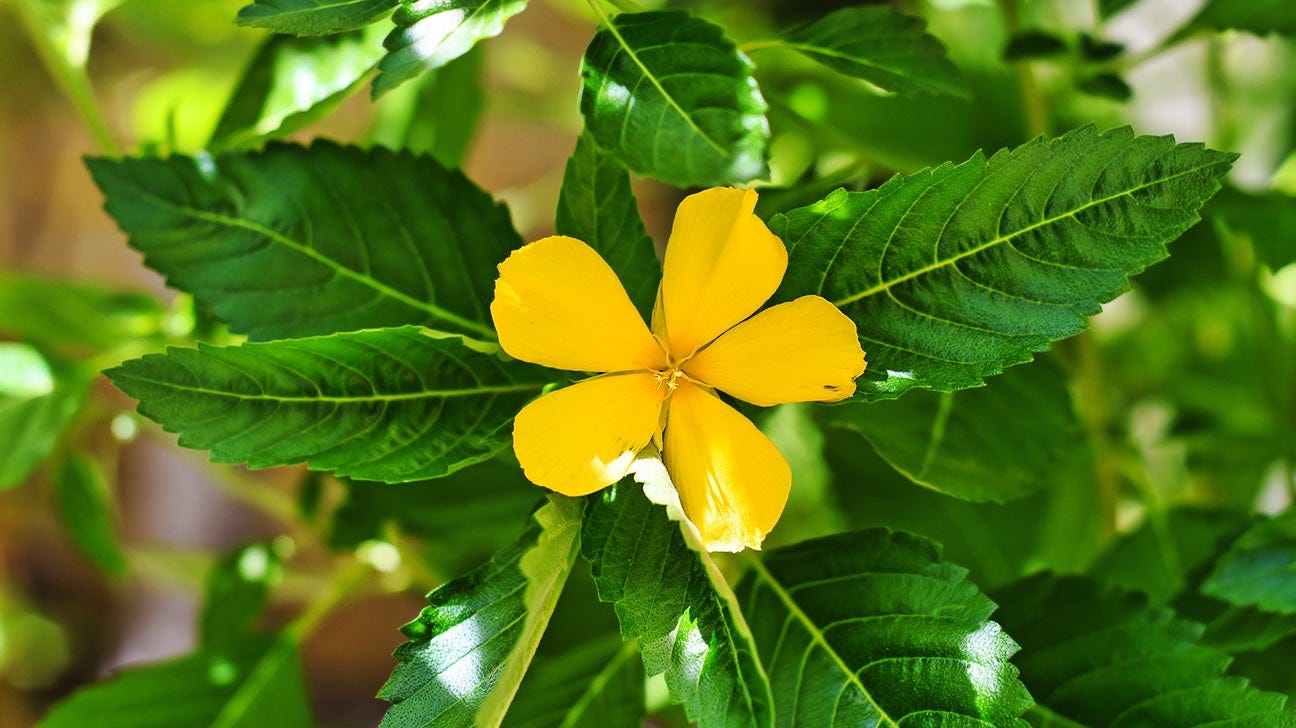
Damiana is a tropical herb known for lifting mood, relaxing the body, and reducing emotional stress. Traditional medicine systems in Central America used damiana to calm anxiety and improve emotional wellbeing. Many people describe a mild euphoric and relaxing effect that can resemble the emotional comfort associated with cannabis but without strong intoxication. Damiana is often consumed as tea or herbal smoke blends. It may help improve mood, reduce nervous tension, and encourage emotional openness naturally.
12) Catnip
Although famous for affecting cats, catnip also has calming effects on humans. Herbal medicine uses catnip tea to reduce stress, anxiety, and nervous restlessness. It may create a gentle relaxing sensation that supports emotional calmness and better sleep. Unlike cannabis, catnip does not produce a psychoactive high or long-term mental health risks. It is commonly used for mild anxiety, headaches, and emotional tension because of its soft sedative qualities.
13) Wild Lettuce
Wild lettuce is sometimes called “nature’s calming lettuce” because of its relaxing and mild pain-relieving effects. Traditional herbal medicine used it to reduce stress, restlessness, and insomnia. Some users report a mild dreamy calmness that can resemble the relaxing body sensation of cannabis without strong intoxication. Wild lettuce may help calm nervous tension and support emotional relaxation naturally. It is usually prepared as tea or herbal extract.
14) Hops
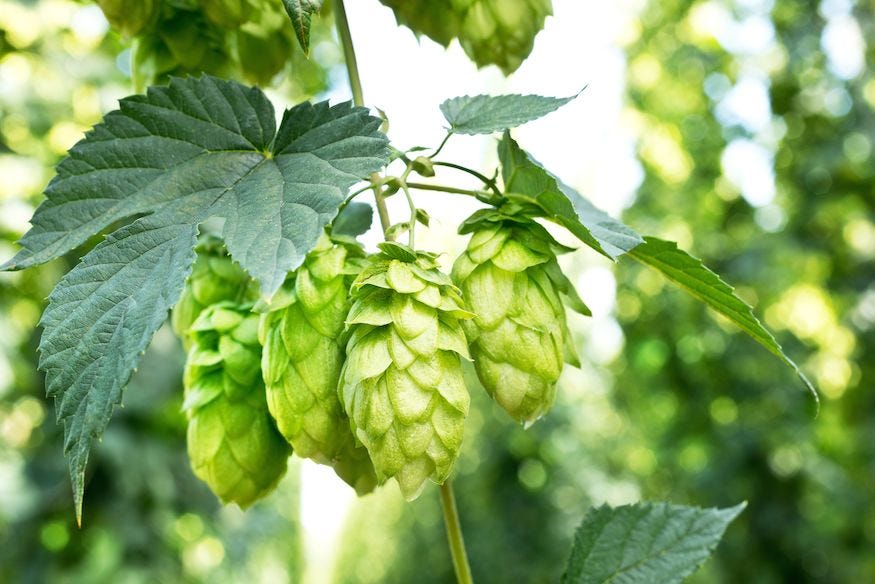
Hops are commonly known from beer production, but the plant itself has strong calming properties. Herbal medicine uses hops to reduce anxiety, restlessness, and emotional stress. Hops may help relax the nervous system quickly and improve sleep quality. Unlike cannabis, hops usually do not impair memory or create dependency when used moderately. Many herbal sleep formulas combine hops with valerian or chamomile for deeper emotional calming effects.
15) Jatamansi
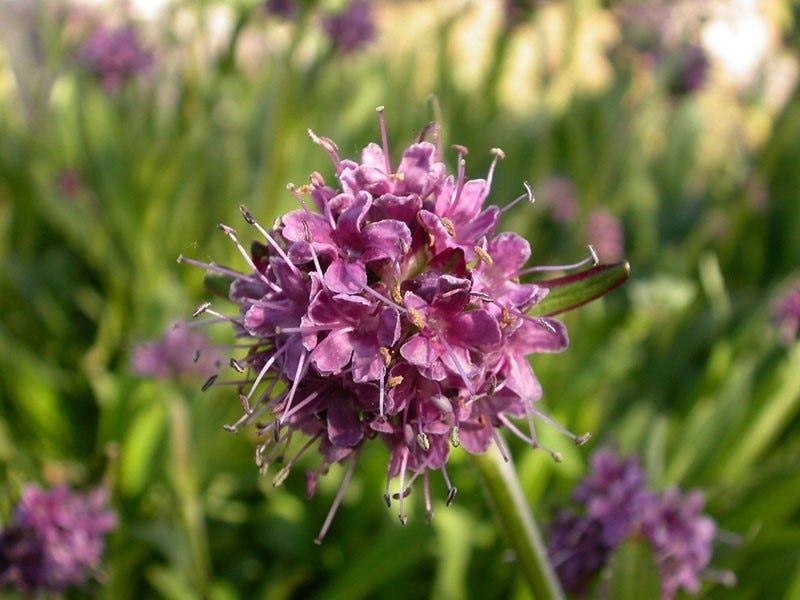
Jatamansi is an important Ayurvedic herb used to calm the mind and support emotional healing. Traditional practitioners use it for anxiety, emotional imbalance, stress, and insomnia. It may quickly create mental relaxation while supporting long-term nervous system health. Unlike cannabis, jatamansi is believed to strengthen memory and concentration rather than weaken them. The herb is often associated with emotional grounding and peaceful mental clarity.
16) Saffron
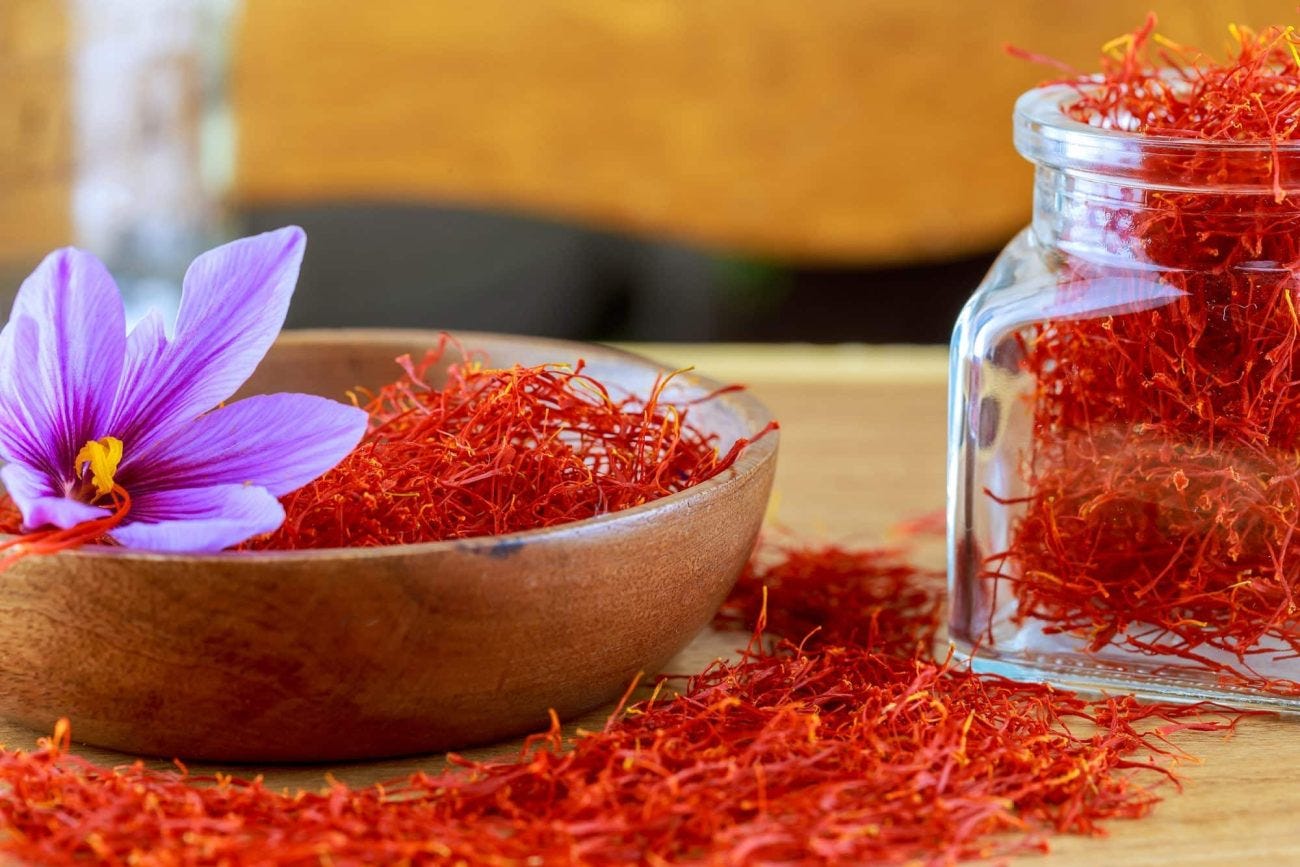
Saffron is one of the world’s most valued medicinal spices and has shown promise for improving mood and reducing depression symptoms. Some studies suggest saffron may work similarly to certain antidepressants in mild cases. Many users experience emotional warmth, calmness, and reduced stress after consuming saffron tea or supplements. Unlike cannabis, saffron does not create intoxication or damage cognitive function. It supports emotional wellbeing while maintaining mental clarity and focus.
메타데이터
- post_id
- 00a488ff6e43
- slug
- agro-forestrium-super-fast-acting-herbal-medicine-to-replace-cannabis-ganja-plus-improve-mental-00a488ff6e43
- url
- https://medium.com/@xenovandestra/agro-forestrium-super-fast-acting-herbal-medicine-to-replace-cannabis-ganja-plus-improve-mental-00a488ff6e43
- canonical_url
- https://medium.com/@xenovandestra/agro-forestrium-super-fast-acting-herbal-medicine-to-replace-cannabis-ganja-plus-improve-mental-00a488ff6e43
- author_url
- https://medium.com/@xenovandestra
- status
- ok
- fetched_at
- 2026-06-09 15:37:30