The State of AI Copyright in 2026: What Every Agency Needs to Know About AI Content Protection
By Hanis Harmiles, Founder of Reinvent IP | March 2026
The State of AI Copyright in 2026: What Every Agency Needs to Know About AI Content Protection
By Hanis Harmiles, Founder of Reinvent IP | March 2026
We need to talk about something most agencies are quietly ignoring.
AI has reshaped how agencies work. It powers your campaign copy, your visuals, your video edits, your presentations, even your brainstorming sessions before the first coffee of the day. It is embedded in everything. It’s exciting for those who know how to learn using it with AI. We know, AI is not going back. It’s part of our day to day productivity task.
That is not the problem. The problem is what comes next.
Because while AI is helping your team move faster and produce more, there is a growing legal reality hiding in plain sight. The content you are creating with AI tools might not actually belong to you. And if you are producing commercial assets for clients, that gap in AI content protection could put their brand and yours on the line.
The Global Rules Are Shifting. Your Agency Needs to Keep Up.
AI copyright compliance looks different depending on where your content lands. Not where it is made. Where it is consumed. That distinction alone changes everything for agencies operating across borders.
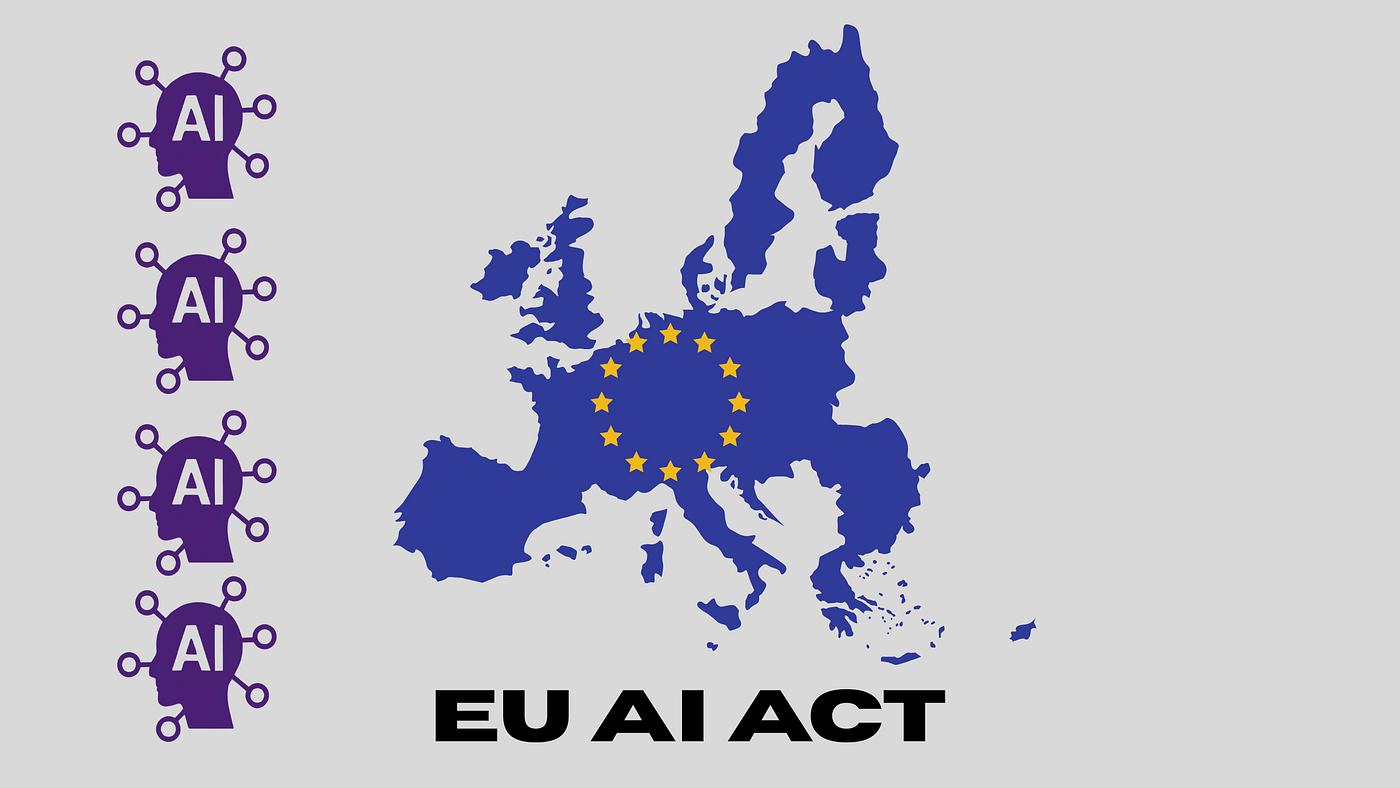
In the EU, the AI Act entered into force in 2024 and becomes fully applicable to most obligations on 2 August 2026. AI providers must document and disclose information about training data used, respect copyright opt‑outs where they apply, and label certain AI‑generated and deepfake content. The European Parliament has gone further in a recent report, proposing that any generative AI provider that fails to comply with EU copyright law when training its models should be barred from operating within the Union; a political push that is still working its way through the legislative process. If your agency’s campaigns using AI reach audiences in Europe, these rules already apply to you.
In the US, the Copyright Office has drawn a clear line. Human authorship remains the foundation of copyright protection. Purely AI generated works cannot be copyrighted, and prompts alone do not qualify as authorship. With over 70 active infringement lawsuits targeting AI companies and major fair use rulings expected throughout 2026, the landscape for AI IP risk management in American campaigns is anything but settled.
Across the Asia Pacific and Middle East, the complexity deepens. The UAE is taking an innovation friendly approach, encouraging AI adoption while steadily developing its own regulatory framework. China has introduced ownership rules for AI outputs that lean heavily toward state and platform interests. Japan continues to navigate a careful balance between creator rights and technological progress. For agencies managing campaigns across these regions, generative AI IP risks multiply with every border you cross.
The Upstream IP Risk Nobody Is Talking About
Here is the part that keeps getting overlooked. Every AI tool your agency uses was built on training data. And in many cases, that training data includes copyrighted material sourced without permission. That means the visuals, copy or video your team produces could be sitting on a legal foundation that belongs to someone else entirely.
So ask yourself this. If the AI tool you relied on this morning was trained on stolen content, who carries the liability when your client’s campaign goes live? The agency? The tool provider? The client? Right now, in most jurisdictions, the answer is unclear. And that ambiguity is exactly where lawsuits begin.
“In the age of generative AI, the greatest threat to your brand is not the content you create. It is what you do not know about how it was created.”
Misinformation Is Fuelling False Confidence
What makes all of this more dangerous is the wave of misinformation around AI copyright compliance that has taken hold across the industry. In unprecedented era now, agencies are making commercial decisions based on beliefs that sound reasonable but have no legal backing. “We wrote the prompt, so we own the output.” “AI generated content is automatically fair use.” “Nobody is going to check.”
These assumptions are already leading to expensive surprises. And with deepfakes, synthetic media and AI generated misinformation accelerating across every platform, the pressure on agencies to verify the legal foundations of every asset they produce is only going to grow.
This Is Why We Built IP Signals
At IP Signals, we believe agencies deserve to create without second guessing every asset that leaves their studio. Our mission is straightforward. Help media brands and agencies across the EU, US, UAE, Asia Pacific and beyond build high impact marketing with full confidence that their intellectual property is protected.
We are developing AI powered tools designed to scan, flag and manage generative AI IP risks before they ever reach your client’s desk or go live in a campaign. AI content protection and creativity should never be working against each other. They should move together.
And that brings us to the question every agency leader needs to sit with. When was the last time you actually audited the commercial assets your team produces, or reviewed the AI tools powering your workflow for IP compliance? For most agencies, the honest answer is never. You are not alone in that. Yet every day without an answer is another day of exposure.
The agencies that take AI copyright compliance seriously now will be the ones leading in 2027. The ones that wait will be explaining themselves to lawyers instead of winning clients.
The time to act is now.
Follow IP Signals for the latest on AI copyright compliance, AI content protection, AI IP risk management and compliant creative strategies across EU, US, UAE, Japan and Asia Pacific markets.
#AICopyright #AIContentProtection #GenerativeAIIPRisks #AICopyrightCompliance #AIIPRiskManagement #AIAct2026 #EUAIAct #IntellectualProperty #AIforAgencies #AIRegulation #CreativeCompliance #BrandProtection #DigitalMarketing #MediaAgency #ContentCompliance #IPSignals
Sources reference: https://www.artificial-intelligence-act.com/ https://www.legalnodes.com/article/eu-ai-act-2026-updates-compliance-requirements-and-business-risks https://www.pearlcohen.com/new-guidance-under-the-eu-ai-act-ahead-of-its-next-enforcement-date/ https://www.crowell.com/en/insights/client-alerts/us-copyright-office-releases-part-2-of-artificial-intelligence-report-clarifying-copyrightability-of-generative-ai-outputs https://copyrightalliance.org/ai-copyright-lawsuit-developments-2025/
메타데이터
- post_id
- 00a4bf4b5c85
- slug
- the-state-of-ai-copyright-in-2026-what-every-agency-needs-to-know-about-ai-content-protection-00a4bf4b5c85
- url
- https://medium.com/@reinvent.ip/the-state-of-ai-copyright-in-2026-what-every-agency-needs-to-know-about-ai-content-protection-00a4bf4b5c85
- canonical_url
- https://medium.com/@reinvent.ip/the-state-of-ai-copyright-in-2026-what-every-agency-needs-to-know-about-ai-content-protection-00a4bf4b5c85
- author_url
- https://medium.com/@reinvent.ip
- status
- ok
- fetched_at
- 2026-06-09 15:37:30