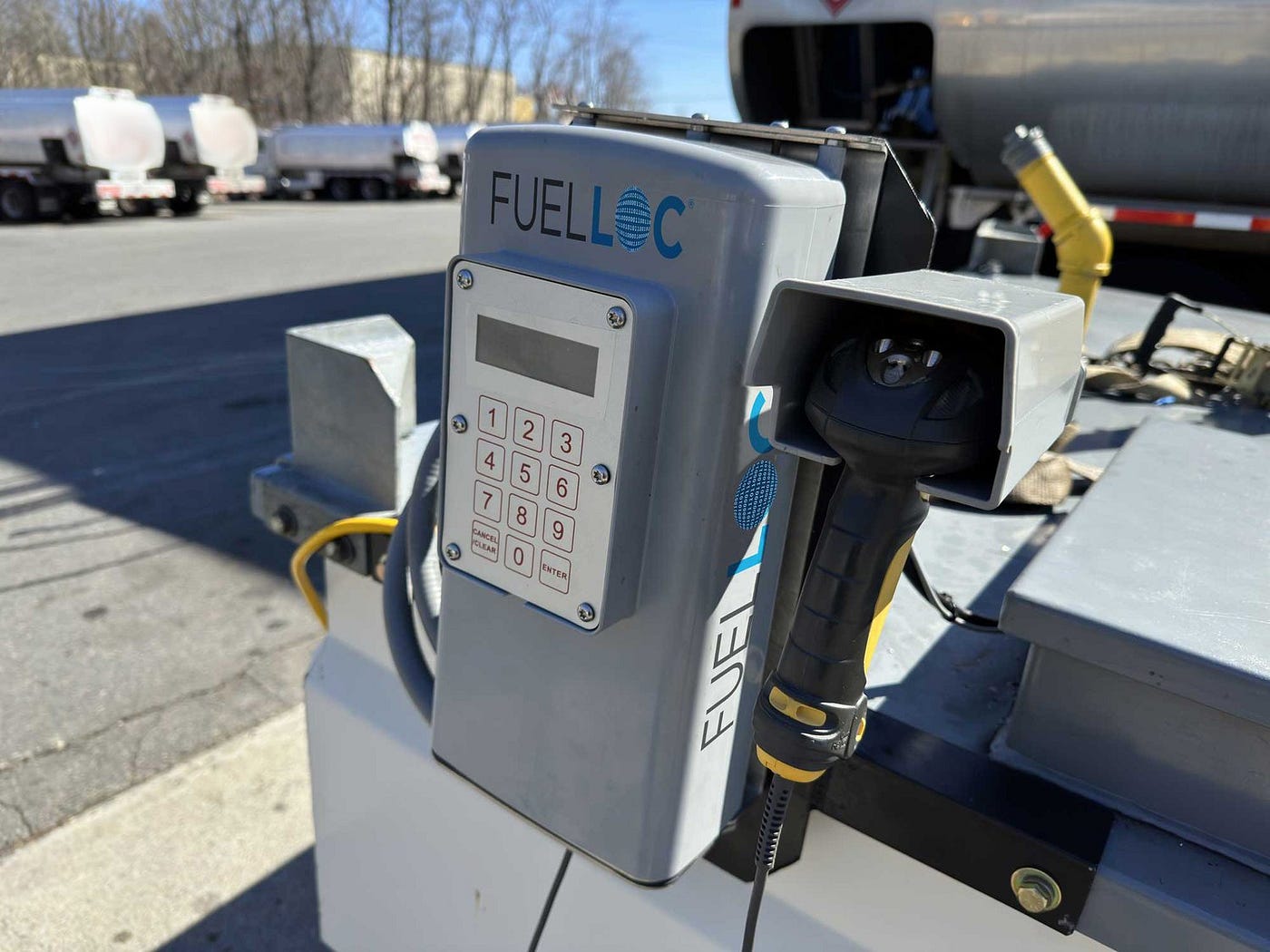
How Fleet Fuel Management Systems Can Drive Down Operational Costs
Fuel management systems are assets to businesses because they can significantly lower operational costs. Fleet managers can use fuel…
How Fleet Fuel Management Systems Can Drive Down Operational Costs
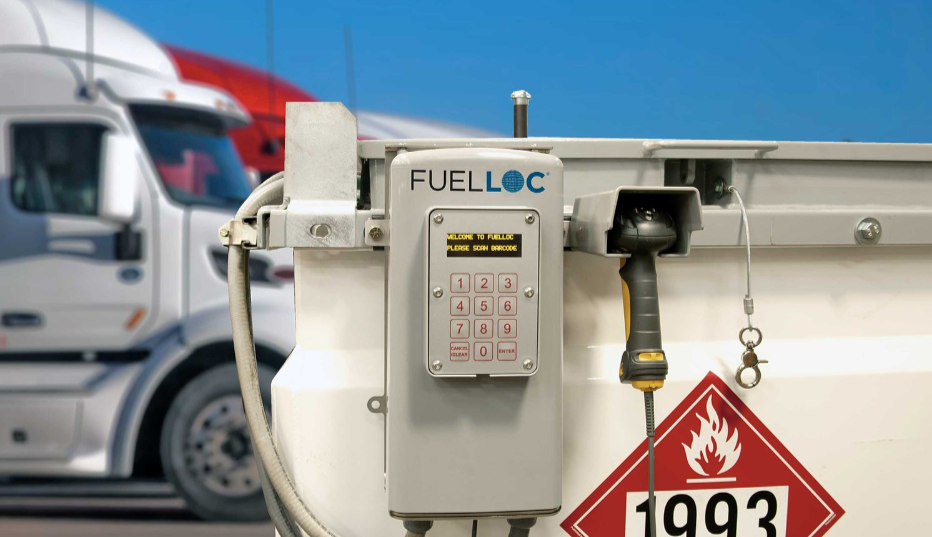
fleet fuel management systems
Fuel management systems are assets to businesses because they can significantly lower operational costs. Fleet managers can use fuel management systems to control their fuel expenses better as inflation continues to cause fluctuations in oil and gas prices.
So, how can fleet managers use a fleet fuel management system to reduce operational costs and save money? Below are the top five ways that this can happen:
1) Track Fleet Fuel Consumption
A fleet fuel management system can provide fleet managers with real-time data regarding fuel consumption across their fleet.
Accessing real-time fuel consumption data allows fleet managers to control and decrease fuel spending at the most appropriate times. Since the drivers use a corporate credit card to purchase fuel, the fleet managers can set purchase limits and restrictions on the card.
2) Detect Fuel Deficient Vehicles
Fleet managers can use a fleet fuel management system to see if any vehicles in their fleet are consuming too much fuel.
For example, if a vehicle consumes more fuel than usual, it typically needs specific maintenance work to make it more fuel-efficient. Perhaps the vehicle has low air pressure in its tires or a missing cap to the fuel tank. Little things like these can reduce fuel efficiency if not resolved quickly.
A fleet manager detecting low fuel efficiency can notify the driver and order them to check their vehicle for these issues.
3) Track Poor Driving Habits
Drivers with poor driving habits can increase operational costs for fleet managers. Some examples of bad driving habits include prolonged idle time, speeding, and aggressive driving. Any of these habits can lead to higher expenses.
For instance, if a driver operates a heavy truck and keeps the engine idle for extended periods at truck stops and rest areas, it will consume excessive amounts of fuel for nothing.
Fortunately, the fleet fuel management system can detect idle engine time coming from a particular vehicle in the fleet. Based on this information, a fleet manager could warn the driver not to keep the engine idle for too long because it consumes too much fuel.
4) Plan Faster Routes
Fleet managers can use the fleet fuel management system to plan faster routes for their drivers. Thanks to the real-time traffic data it receives, a fleet manager can see which routes have more traffic and which have less traffic. It can also provide information about roadblocks and other events causing road delays.
As a fleet manager, you can use this information to provide new routing instructions to drivers or request different drivers to perform the tasks you need. Either way, it will help save money on fuel expenses by preventing fleet vehicles from sitting in traffic for too long.
5) Fuel Cards
Fleet fuel management systems come with CFN fuel cards. They allow drivers to receive lower prices on fuel by visiting any of the millions of CFN fueling stations worldwide.
Each time a driver uses the CFN fuel card to make a purchase, the data about the purchase is recorded and accessible in your fleet fuel management system.
메타데이터
- post_id
- 00a8ab78b723
- slug
- how-fleet-fuel-management-systems-can-drive-down-operational-costs-00a8ab78b723
- url
- https://medium.com/@fuellocfueldelivery/how-fleet-fuel-management-systems-can-drive-down-operational-costs-00a8ab78b723
- canonical_url
- https://medium.com/@fuellocfueldelivery/how-fleet-fuel-management-systems-can-drive-down-operational-costs-00a8ab78b723
- author_url
- https://medium.com/@fuellocfueldelivery
- status
- ok
- fetched_at
- 2026-08-03 08:17:31