Mysterious Holes in Your New Home’s Stairs? Here’s Why You Should Check for Pests Immediately
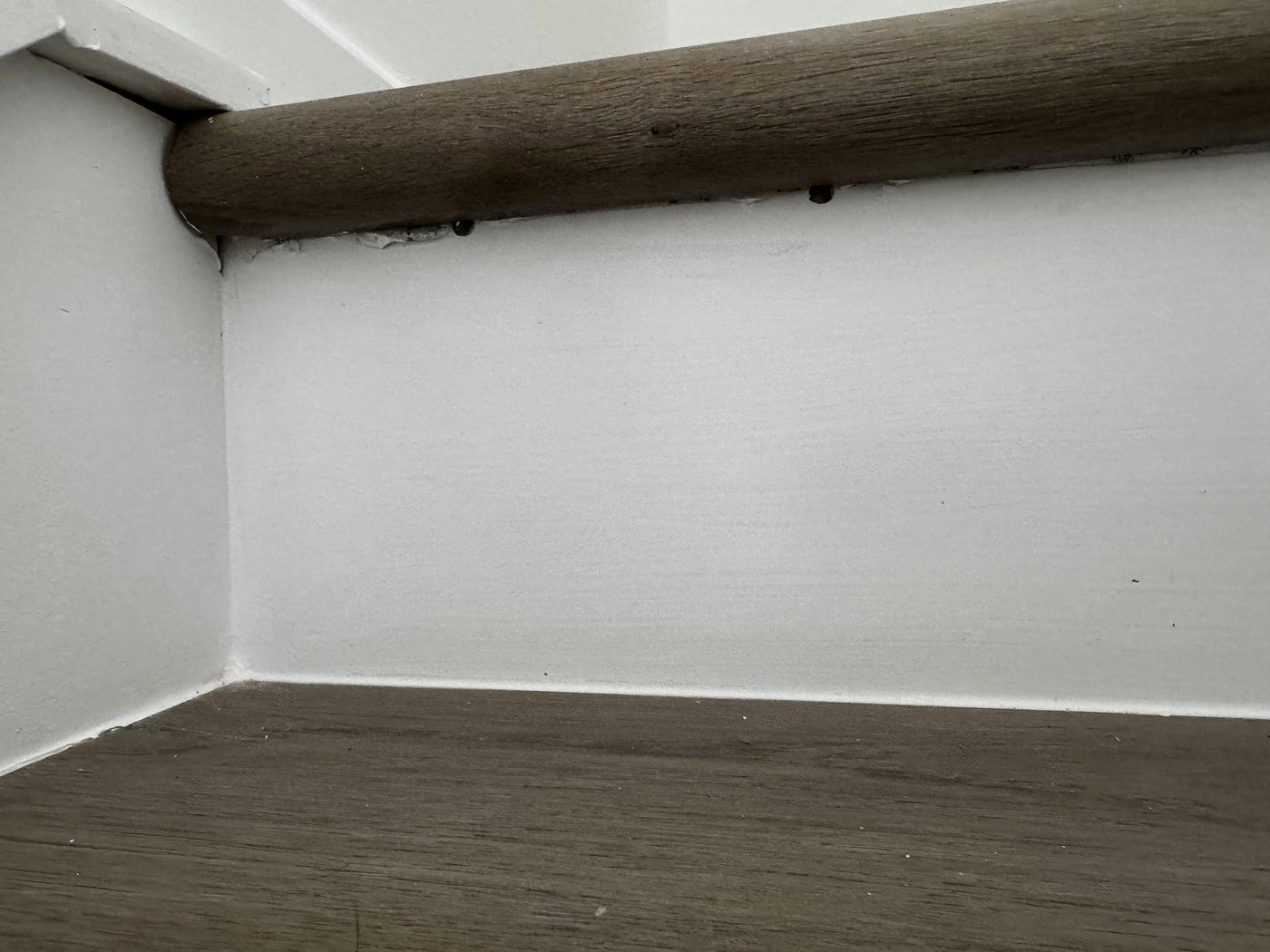
Mysterious Holes in Your New Home’s Stairs? Here’s Why You Should Check for Pests Immediately
Identifying the Problem: Mysterious Holes in Your Stairs
Finding holes in your home’s stairs can be, like, really alarming, you know? It makes you wonder what’s causing them. Sure, wear and tear seems obvious, but it could be something way more serious — especially if pests are involved. These holes aren’t just, uh, cosmetic issues; they usually mean there’s structural damage or an active infestation that needs attention, like, now.
The biggest worry? Wood-destroying pests like termites, carpenter ants, or powderpost beetles. These guys don’t just make holes; they weaken the whole structure of your stairs, turning a small problem into a real safety hazard. For example, this one homeowner in the Midwest found tiny holes in their basement stairs, only to discover termites had basically hollowed out the wooden supports. By the time they dealt with it, the stairs were unsafe and needed a pricey replacement.
But pests aren’t the only culprits, you know? Material defects, like knot holes or manufacturing issues, can also cause holes. Those are usually noticeable during installation and don’t just pop up out of nowhere. If your stairs are new and the holes are recent, pests are probably the culprit. Temporary fixes, like filling holes with wood putty or just ignoring them, only hide the problem without fixing what’s really going on.
And here’s the thing: pest damage isn’t all the same. Termites leave behind mud tubes and hollowed-out wood, while carpenter ants make smooth tunnels. Powderpost beetles? They leave this fine, sawdust-like stuff near the holes. If you misidentify the pest, the treatment won’t work, and you’re just wasting time and money. Like, using termite bait for carpenter ants won’t do anything.
Another thing to think about: if your stairs are made of engineered wood or metal, pests might not be the issue. In those cases, holes could be from installation mistakes or just the material wearing out. When you’re not sure, it’s better to assume pests are involved until you know for sure. Getting a professional inspection is the best way to figure out what’s going on and what to do next.
Putting off dealing with this or just ignoring the holes can lead to big problems. Beyond the structural risks, pests can spread to other parts of your home, making everything worse. This homeowner in the Southeast thought the small holes in their attic stairs were just “normal wear,” but termites had already infested their entire second floor within months.
So, yeah, mysterious holes in your stairs need attention, like, right away. Whether it’s pests or material defects, you’ve got to investigate thoroughly. DIY fixes might seem easy, but they usually don’t fix the real problem. Talking to a pest control expert or structural inspector is the best way to figure out what’s going on and stop it before it gets worse.
Immediate Steps to Take: Inspecting for Pests and Moisture
So, you’ve noticed holes in your stairs — it’s not just about looks, it’s a serious red flag. Sure, engineered wood or metal stairs might get holes from wear or mistakes during installation, but if it’s wooden stairs with recent damage, pests are probably the culprit. Ignoring this could lead to a collapse, safety hazards, or costly repairs. Here’s how to handle it quickly and smartly.
1. Identify the Culprit: Beyond Termites
Termites are the usual suspects, but there are others to watch out for. Carpenter ants and powderpost beetles also go after wood, and they leave their own clues. Termites build mud tubes and hollow out wood, leaving it thin like paper. Carpenter ants dig smooth tunnels and kick out sawdust-like stuff. Powderpost beetles leave fine, flour-like debris near where they enter. Getting the wrong pest means wasting time and money — treatments are specific, so you’ve got to get it right.
2. Tools for Detection: Beyond Visual Inspection
A moisture meter is key here. Pests love damp wood, so if moisture levels are high near the holes, that’s a bad sign. Tapping the wood can reveal hollow spots, meaning damage inside. For hidden pests, try a stethoscope or press a glass to the wood to hear faint chewing. But these methods aren’t perfect — moisture meters miss drywood termites, and quiet sounds can slip by.
3. Temporary Fixes, Permanent Risks
Filling holes with putty or glue might seem like a quick fix, but it just hides the real problem. Pests keep spreading out of sight, weakening the structure. Take this homeowner, for example, who patched basement stair holes only to find severe termite damage later, needing a full replacement. For engineered wood stairs, check for gaps or leaks — pests aren’t always the issue.
4. Professional Inspection: The Critical Step
Sure, you can do some checks yourself, but a certified pest inspector is a must. They’ll pinpoint the pest, assess the damage, and suggest the right treatment. Say, carpenter ants might only need baiting, while termites often require barrier treatments. Waiting too long lets the infestation grow — pests don’t stop while you’re deciding.
5. When Holes Aren’t Pest-Related
Not every hole means pests. Knot holes in wood are natural and usually noticeable during installation. Metal stairs with holes might have rust or manufacturing issues. But if holes show up months after moving in, pests are probably to blame. Always check for signs like moisture, debris, or mud tubes before assuming anything.
Acting fast and knowing what you’re dealing with is crucial. Misidentifying or delaying treatment makes things worse, but professional help stops further damage. Whether it’s termites, ants, or beetles, catching it early and getting expert help are your best bets.
Assessing Material Quality and Construction Flaws
When holes pop up in stairs, it’s tempting to point fingers at materials or installation. Sure, low-grade wood or rushed work can lead to issues, but not every hole is their fault. Some might come from manufacturing glitches, like weak joints or subpar lumber, usually spotted early on. But if holes show up months later, especially in spots that seemed fine at first, the problem’s probably deeper — think hidden stuff like pests.
Take this homeowner who noticed tiny holes near the bottom of their wooden stairs. Figured it was just a small defect, patched it up with putty. Weeks later, the stairs started creaking, and more holes appeared. Turns out, a pest inspector found carpenter ants nesting inside — the putty just hid the activity. This really drives home the point: quick fixes often just cover up bigger problems, letting pests keep wreaking havoc unnoticed.
Material quality matters, no doubt, but it’s not always the culprit. Like, holes in metal stairs? Could be rust or factory flaws, usually pretty consistent. Pest damage, though — that’s unpredictable, often tucked away in hidden spots. To tell the difference, try this: press a glass against the wood or use a stethoscope to listen for faint chewing or rustling. That’ll help you avoid jumping to conclusions and wasting time on the wrong fixes.
Standard methods don’t always cut it. Relying just on eyeballing or DIY patches can delay real treatment. Knot holes in wood, for instance, are natural and usually harmless, but without a closer look, they might get mistaken for pest damage. Hollow spots could mean internal issues, but without a pro’s take, you might miss the full picture. Certified inspectors don’t just spot pests — they assess structural damage and suggest specific fixes, like baiting for ants or barriers for termites.
Then there are those tricky cases. One homeowner blamed termites for holes in their stairs, only to find out it was bad installation plus moisture exposure. Goes to show, you need context-specific evaluation. Catching issues early is key, but misdiagnosing them can lead to unnecessary costs. Bottom line? Don’t rush to judgment — get experts who can tell apart construction flaws, material issues, and pest problems.
So, while materials and construction play a role in structural troubles, they’re not always the main cause. Holes showing up later or getting worse over time? That’s often pests, especially in wood. Temporary fixes and putting things off just make it worse. By combining careful observation with professional help, you can tackle the real problem, saving your stairs and your sanity.
Legal and Expert Support: Holding Inspectors and Builders Accountable
So, you find unexplained holes in your new home’s stairs — what starts as a small worry can quickly spiral, especially if pests are in the picture. When damage pops up, pointing fingers won’t fix it, but knowing your rights and taking smart steps can. If an inspector missed something or a builder cut corners, you’ve got options. Here’s how to handle the fallout and make sure someone’s held accountable.
First off, keep in mind that routine inspections often miss early pest activity, especially when infestations are hidden or mistaken for something else. Take carpenter ants, for example — they nest deep in wood, leaving only tiny entry points visible. Even certified inspectors might overlook these without specialized pest training. And builders? If they use cheap materials or rush the job, pests can move right in later. Like this one homeowner who found termite damage in their staircase months after moving in, only to learn the builder had used untreated wood in a damp area.
If you suspect negligence, bring in an independent expert right away. A structural engineer or pest specialist can tell the difference between natural wood features and actual damage, giving you that crucial third-party perspective. This is key for legal claims, since it ties the issue directly to the inspector’s or builder’s actions — or lack thereof. For instance, an Oregon homeowner sued their inspector successfully after an independent report revealed years-old termite damage, contradicting the inspector’s initial all-clear.
But legal action isn’t always cut and dried. Builders and inspectors might argue the damage happened after construction, trying to shift blame to you. To fight back, document everything: photos, timelines, emails, the works. If shoddy materials or rushed work are involved, subcontractors or suppliers could also be on the hook. In one case, a court nailed a builder for using defective wood, which led to carpenter ants taking over a whole new development.
Watch out for quick fixes that just make things worse. Sealing holes without tackling the root cause — like pests, moisture, or structural issues — only delays the problem. One homeowner dropped thousands on termite treatments, only to find the infestation had spread to the walls because of ongoing moisture problems. This not only wasted money but also hurt their legal case, since the court questioned why they didn’t get a second opinion sooner.
Lastly, know the limits. Legal battles are pricey and drag on forever, and not every issue calls for a lawsuit. For minor damage, talking directly to the builder or inspector about repairs might be simpler. But if the problem threatens your home’s safety or value, don’t hesitate to take it further. In one case, a homeowner’s insurance denied coverage for pest damage, blaming inspector negligence. With an independent report and legal action, they got repairs and even pushed the inspection firm to change its policies.
Bottom line, while inspectors and builders are your first line of defense against structural problems, they’re not perfect. By acting fast, gathering evidence, and leaning on independent experts, you can protect your investment and hold the right people accountable — even when the evidence isn’t crystal clear.
Preventive Measures and Long-Term Solutions
Finding holes in your stairs isn’t just about looks — it’s a red flag for bigger problems. Quick fixes, like patching without fixing the real issue, usually make things worse. Take this homeowner in a new development, for instance. They spent thousands on termite treatments, only to discover the infestation had spread because of untreated moisture. Not only did this worsen the structural damage, but it also weakened their legal case against the builder.
To stop further damage, you’ve got to tackle the root causes: pests, moisture, and structural weaknesses. Pest control is a must-do first step, but it’s not enough on its own. Termites and ants love damp places, so moisture mitigation is just as crucial. Think dehumidifiers, fixing leaks, and better ventilation to take away their ideal conditions. In one case, a homeowner’s insurance claim for pest damage got denied because of an inspector’s oversight. It wasn’t until they got an independent report and took legal action that repairs were covered, and policy changes were made.
If the damage is bad enough, you might need to replace materials. Pest-resistant options like treated wood or composites offer long-term protection, but they’re not perfect. In humid areas, even treated wood can break down over time, so you’ll need extra steps like waterproof coatings or regular check-ups.
Legal action can be a last resort for serious issues threatening your home’s safety or value, but it’s pricey and time-consuming. For smaller problems, talking directly with builders or inspectors might solve things without a lawsuit. The key is acting fast, gathering evidence, and getting independent experts involved to make sure everyone’s accountable. Inspectors and builders aren’t infallible, but the right approach keeps your home safe and prevents future headaches.
- Pest Control: Deal with infestations right away, but pair it with environmental changes to keep them from coming back.
- Moisture Mitigation: Fix leaks, improve airflow, and use dehumidifiers to get rid of conditions pests love.
- Material Replacement: Go for pest-resistant materials, but remember they have limits, especially in damp climates.
The goal isn’t just to fix the damage — it’s to make sure your stairs, and your whole home, stay safe and sturdy for years. Taking proactive steps now can save you a lot of trouble down the road.
메타데이터
- post_id
- 00ffdda1d6b9
- slug
- mysterious-holes-in-your-new-homes-stairs-here-s-why-you-should-check-for-pests-immediately-00ffdda1d6b9
- url
- https://medium.com/@jackwilltech/mysterious-holes-in-your-new-homes-stairs-here-s-why-you-should-check-for-pests-immediately-00ffdda1d6b9
- canonical_url
- https://medium.com/@jackwilltech/mysterious-holes-in-your-new-homes-stairs-here-s-why-you-should-check-for-pests-immediately-00ffdda1d6b9
- author_url
- https://medium.com/@jackwilltech
- status
- ok
- fetched_at
- 2026-07-26 05:12:50