How Forged Components in Automotive Quietly Define Safety, Strength, and Performance
When we talk about cars, we often admire speed, design, or technology. But what most people don’t see is the hidden backbone that keeps…
How Forged Components in Automotive Quietly Define Safety, Strength, and Performance
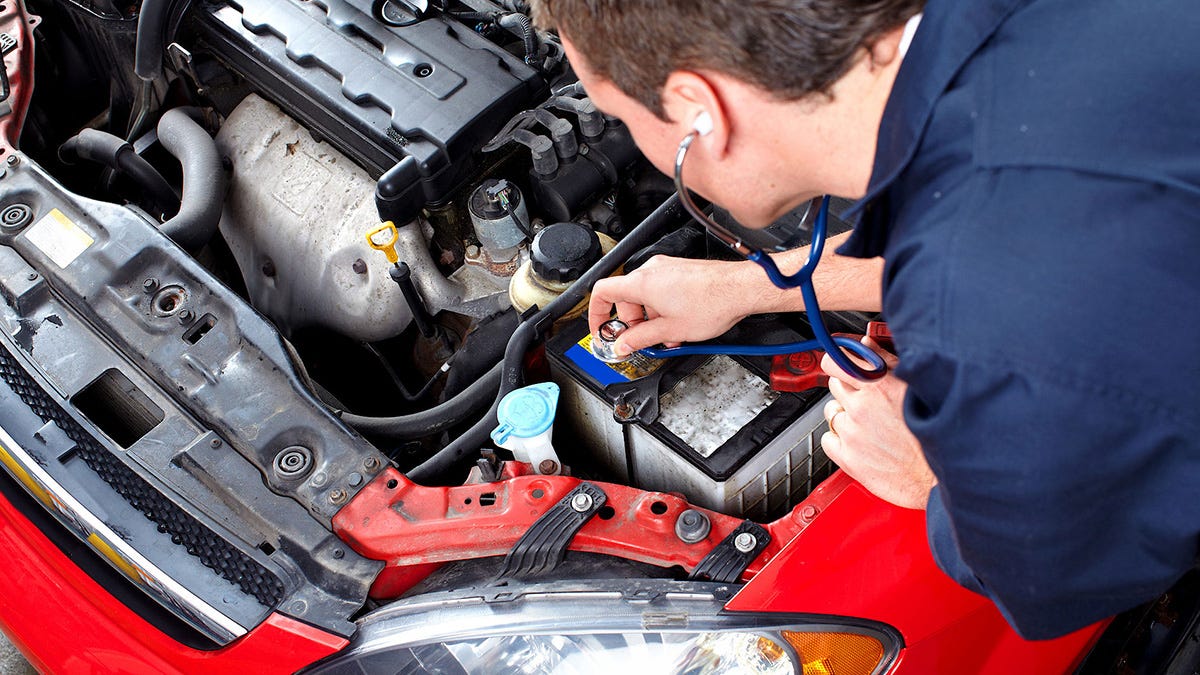
When we talk about cars, we often admire speed, design, or technology. But what most people don’t see is the hidden backbone that keeps everything running safely. Forged Components in Automotive play that silent role. They don’t shine on the outside, but inside every vehicle, they carry the real responsibility — handling pressure, absorbing shocks, and protecting lives every single second.
The Invisible Strength Behind Every Drive
Imagine driving on a highway at high speed. You trust your car without even thinking twice. That trust doesn’t come from luck — it comes from strong, reliable parts working perfectly together.
Forged components are created by shaping metal under intense pressure. This process makes them stronger than regular parts. Unlike other methods, forging aligns the internal structure of metal, making it more resistant to cracks, stress, and long-term wear.
In simple words, these parts are built to survive the worst conditions — so you don’t have to.
Why Safety Depends on Forged Parts
Safety in a vehicle is not just about airbags or sensors. It starts much deeper.
Here’s how forged components quietly protect you:
- They reduce the risk of sudden part failure
- They handle extreme pressure without breaking
- They maintain stability during accidents or rough drivin
- They last longer, reducing unexpected breakdowns
Many critical parts like crankshafts, connecting rods, and suspension components are forged because even a small failure in these areas can lead to serious accidents.
So, every time you brake suddenly or hit a pothole, it’s these parts doing the real work.
Strength That Handles Real-World Pressure
Cars don’t operate in perfect conditions. Roads are rough, weather changes, and driving habits vary. This is where strength matters the most.
Forged parts are designed to:
- Handle heavy loads without bending
- Resist heat and friction inside the engin
- Survive repeated stress over years of use
Because forging removes internal defects and creates a uniform structure, these components are much tougher than cast or machined parts.
Think of it like this — if a car is a body, forged parts are its bones.

Performance Starts from Within
Performance is not just about speed. It’s about how smoothly a car runs, how efficiently it uses fuel, and how long it stays reliable.
Forged components improve performance by:
- Ensuring precise movement inside engines
- Reducing energy loss during power transfer
- Supporting better fuel efficiency
- Helping vehicles perform consistently under stress
High-performance and sports cars especially rely heavily on forged parts because they operate under extreme conditions where failure is not an option.
Even in everyday cars, these parts quietly make your drive smoother and more dependable.
Where You’ll Find Forged Components in a Car
Most people don’t realize how many forged parts exist inside a vehicle.
Here are some common ones:
- Engine parts like crankshafts and pistons
- Transmission gears and shafts
- Suspension and steering components
- Wheel hubs and axles
These are not just random pieces — they are the most critical parts of the vehicle. If they fail, everything else stops working.
That’s why manufacturers trust forging when it comes to these areas.
The Shift Toward Lighter and Stronger Vehicles
Today’s automotive industry is changing fast. People want cars that are:
- Safer
- More fuel-efficient
- Environment-friendly
Forging helps achieve all three.
It allows manufacturers to create parts that are both lightweight and strong. This balance is very important because lighter cars use less fuel, but they still need to stay safe and durable.
So, forging is not just about strength anymore — it’s about smarter engineering.

Why It All Matters More Than You Think
It’s easy to overlook what we can’t see. But when it comes to cars, the hidden parts matter the most.
Forged components don’t just improve vehicles — they define them.
They decide:
- How safe your journey is
- How long your car will last
- How well it performs under pressure
Without them, modern vehicles simply wouldn’t meet today’s expectations.
Also Read: Why Smart Manufacturers Never Compromise When Choosing Forging Parts Suppliers
Final Thoughts
Next time you sit in a car, take a moment to think about what’s happening beneath the surface. There’s an entire system of carefully engineered parts working silently to keep you safe.
Forged components are not flashy, but they are essential. They are the reason your car doesn’t fail when it matters the most.
If you want to explore more about how forging improves strength and reliability in critical applications, you can read this detailed industry insight.
Because in the end, real performance isn’t what you see — it’s what you can trust.
메타데이터
- post_id
- 01205a3710ea
- slug
- how-forged-components-in-automotive-quietly-define-safety-strength-and-performance-01205a3710ea
- url
- https://medium.com/@ForgePulse/how-forged-components-in-automotive-quietly-define-safety-strength-and-performance-01205a3710ea
- canonical_url
- https://medium.com/@ForgePulse/how-forged-components-in-automotive-quietly-define-safety-strength-and-performance-01205a3710ea
- author_url
- https://medium.com/@ForgePulse
- status
- ok
- fetched_at
- 2026-07-26 16:40:28



