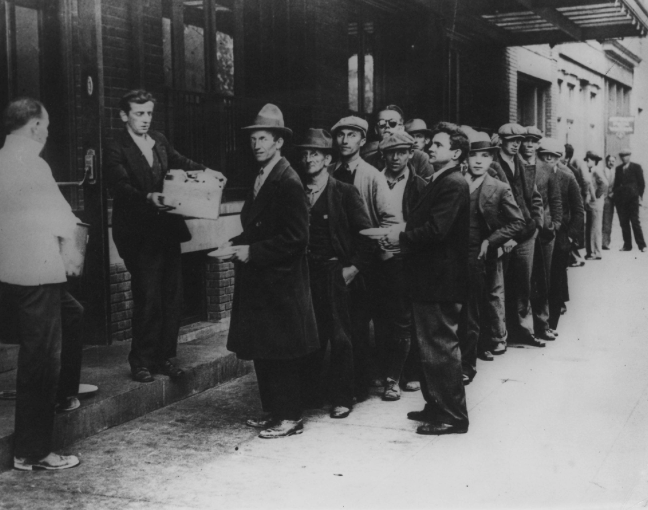
The Lone Dissenter
As the lone black liberal female on a conservative Supreme Court, Ketanji Brown-Jackson's dissents make her a target and a hero.
The Lone Dissenter
As the lone black liberal female on a conservative Supreme Court, Ketanji Brown-Jackson’s dissents make her a target and a hero
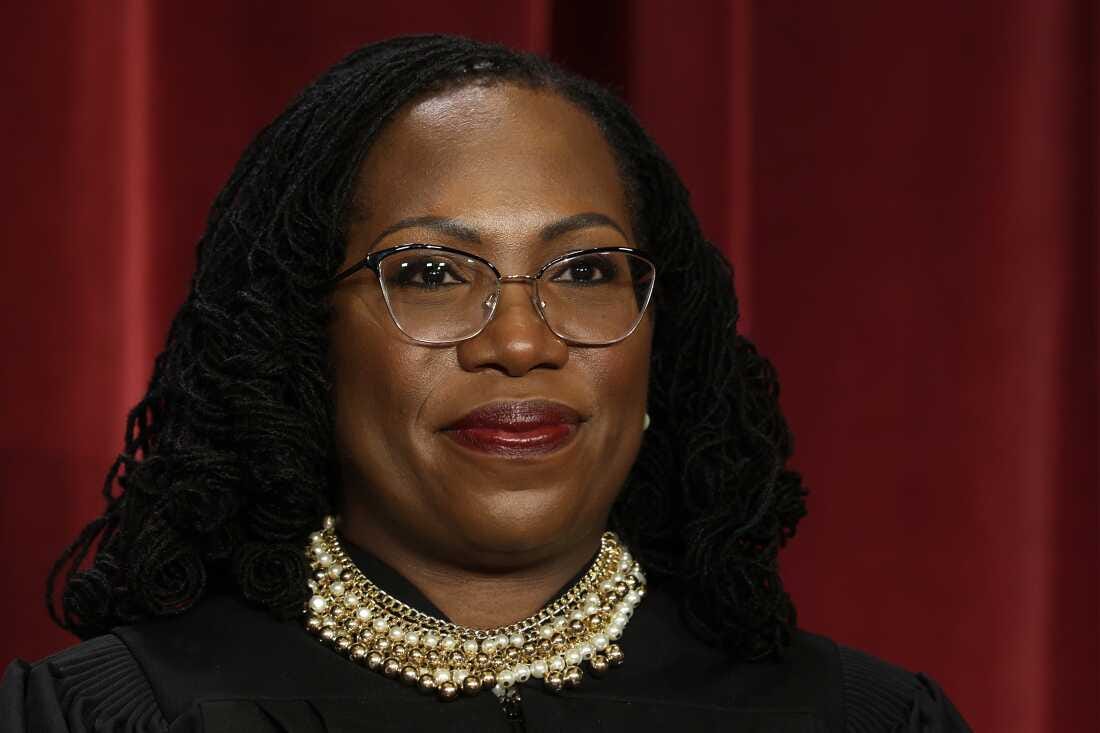
Supreme Court Justice Ketanji Brown-Jackson
Immediately after the United States Supreme Court, America’s premier judicial body, composed of six reactionary conservatives and three progressives, proffered their opinions on Louisiana v. Callais, the case through which the six conservatives gleefully disemboweled the Voting Rights Act (VRA), silencing the voice of millions of black voters in the southeastern United States, the breeding ground for the new Jim Crow, the Pro-VRA lawyers revisited the adversarial Supreme Court to ask for a reprieve for the voters they represented.
The Pro-VRA lawyers pleaded with the Court to consider the Purcell Principle, a legal doctrine in U.S. election law that prohibits courts from altering election rules shortly before an election, because the Louisiana primaries were set to begin a month after the Supreme Court gutted the Voting Rights Act, which is a direct violation of the Purcell Principle.
And if the Supreme Court were to allow Louisiana lawmakers to cancel the upcoming primaries so they could construct maps that victimized millions of black Louisiana residents, suborning an attempted theft under the guise of “conservative jurisprudence”, the court’s reputation, already tainted by myopic and obtuse opinions on Affirmative Action and abortion rights, would slide further into the gutter. The stakes could not have been higher.
Instead of taking the time to consider the request put forth by the Pro-VRA lawyers carefully, the Court returned a decision in less than twenty-four hours, allowing the state of Louisiana to cancel an election to redraw a majority black House district so that it favors a white republican. Adding to my considerable consternation was the fact that only one of the three progressive members of the Supreme Court offered a forceful dissent: Justice Ketanji Brown Jackson.
Jackson’s insistence on publishing her dissatisfaction with the ruling opened her up to criticism from some of her more conservative peers and certain members of the public, many of whom harbor intense animosity toward her. Justice Samuel Alito, the most conservative member of the court and author of the two opinions that stripped bodily autonomy from millions of women and undercut voting rights for millions of black Americans, offered a fiery retort, one that did not address the specific arguments that Justice Jackson expounded upon in her powerful dissent. Hate and misplaced indignation were sprinkled throughout every word he wrote because he is resentful of the fact that a liberal black woman was chiding the conservative majority for their obtuseness when it comes to matters of race and politics.
MAGA conservatives and sympathizers launched more virulent and personal attacks, a byproduct of their racialized hatred for Justice Jackson. These individuals questioned Justice Jackson’s knowledge of the law and her general competence, projecting their shortcomings onto her. A quick search on Google Chrome would yield an extensive biography on Justice Jackson, disabusing enlightened skeptics of their unfounded criticisms. However, MAGA conservatives don’t want to spend the time and effort learning the truth about Justice Jackson, the most experienced and credentialed judge ever confirmed to a Supreme Court seat. They would rather spew hate and falsities against the first black female Supreme Justice because of her skin color, gender, and utter fearlessness expressed through her pen. Justice Jackson opens herself up to this type of toxic criticism each time she publishes a solitary dissent. However, after four years presiding over cases on the bench, she remains unbowed by the hatred and the naysayers, as is the case for every consequential American pioneer.
At the beginning of her tenure, Justice Ketanji Brown Jackson gained a reputation as a trenchant and voluminous inquisitor, drawing comparisons to Justice Clarence Thomas, the longest-serving member of the Supreme Court. Justice Thomas, the second black man to serve on the United States Supreme Court, approached the beginning of his tenure in 1991 differently than Justice Jackson. Justice Thomas, over the first ten years of his tenure, asked a total of zero questions, revealing himself to be a follower, which is disappointing because black people needed a leader in that position, someone who could identify with the plight of the traditionally marginalized and adjudicate inclusively, thus opposing the conservative model, which prioritizes the two-hundred-fifty-year status quo of placing the traditionally privileged at the forefront of society.
Justice Thomas often sides with plaintiffs who seek to add constrictions to the traditionally oppressed, and offers flimsy and staid justifications for his decisions, as he is a pedestrian writer, a rubber stamp for those perpetuating an unjust society, the “right” kind of black man, someone whom the racist and misogynist can point to as “reasonable”.
Thank goodness for Justice Jackson, who is the necessary counterweight, the conscience of a reactionary Supreme Court. She does not go along to get along. The other two progressive justices are consistent and admirable, reliable votes that align with a rapidly evolving society. However, they pale in comparison to Ketanji Brown Jackson, a natural storyteller who deftly weaponizes her writing to edify ignorant people about our racial history and chide those who practice wanton cruelty, thus inflaming the emotions of her detractors. She is singular even when she issues an opinion in agreement with the majority. And when she is on the losing side, her written opinions remain powerful and illuminating, routinely drawing the ire of Clarence Thomas and other conservatives. She routinely risks being permanently alienated and ostracized but continues to adhere to her principles as she adjudicates.
She is The Lone Dissenter, a pioneer and literary superhero, a true advocate for the people and steward of the law.
Twenty-three years ago, after spending nearly eighteen months toiling as a temporary worker at a pharmaceutical company, I lost my temper and threatened to sue the company because, at age twenty-six, I suspected the organization was potentially breaking employment law by not promoting me to full-time or offering me benefits. And, I was objectively the best data entry clerk at the company, as I entered data faster and more efficiently than all the full-time workers.
When the news of my threat spread, the other employees, many of whom I’d thought were friends, turned against me. They stared at me as I walked past their cubicles, whispering and conspiring. I lasted a week before my mental health declined precipitously, and I literally fled the place after the manager I informed of my intent to sue took my photograph.
I often worry about the mental well-being of Justice Ketanji Brown-Jackson because she is a black woman constantly under threat, an individual who observes injustice and acts to remedy the situation, alone. She has served in her current role for only four years and has authored eight solitary dissents, drawing intense ire. But I remind myself that Justice Jackson is more than just a lowly, temporary data entry clerk, for she is a Harvard graduate, a former public defender, and a member of the sentencing commission, and served ten years on the federal bench before ascending to the Supreme Court. She is brave, determined, brilliant, and imbued with an iron will that is expressed through a deft pen. She’ll be able to endure and thrive in her work environment.
Because myopic Americans voted for Trump, who stacked the Supreme Court with young archconservatives, liberal Supreme Court justices will likely occupy minority status for the next few decades, a sobering reality for millions who are desperate for progress. Thus, Justice Jackson will be required to write hundreds of brilliant dissents for the public record. Millions of Americans, including myself, will read and internalize her words because we understand the long game. Justice Jackson’s dissents will become sacred documents in the future, thoroughly examined and written about by historians and studied in classrooms across the country. Her words will inspire hope and action in future generations of Americans.
The Lone Dissenter will ultimately win.
메타데이터
- post_id
- 012cbbbb3fa8
- slug
- the-lone-dissenter-012cbbbb3fa8
- url
- https://aninjusticemag.com/the-lone-dissenter-012cbbbb3fa8
- canonical_url
- https://aninjusticemag.com/the-lone-dissenter-012cbbbb3fa8
- author_url
- https://medium.com/@ep2ihenetu
- status
- ok
- fetched_at
- 2026-06-26 21:52:29