How to Turn Obsidian Into Notion Using Just 3 Plugins
There’s a moment almost everyone hits when they switch from Notion to Obsidian.
How to Turn Obsidian Into Notion Using Just 3 Plugins
There’s a moment almost everyone hits when they switch from Notion to Obsidian.

At first, it feels liberating. Your notes are local. Everything is fast. No more laggy databases or vendor lock-in.
And then reality kicks in.
You miss your dashboard. You miss your databases. You miss dragging tasks across a board.
Obsidian suddenly feels… flat.
Not because it’s worse — but because it’s missing structure.
The good news: you don’t need to rebuild Notion from scratch. You only need three plugins to recreate the parts that actually matter:
- Make.md → the workspace layer
- Datacore → the database engine
- Kanban → the execution layer
Set them up correctly, and Obsidian stops feeling like a folder of notes — and starts behaving like a system.
This is a step-by-step guide to doing exactly that.
The Real Difference Between Obsidian and Notion
Before diving into setup, it’s worth understanding what you’re actually rebuilding.
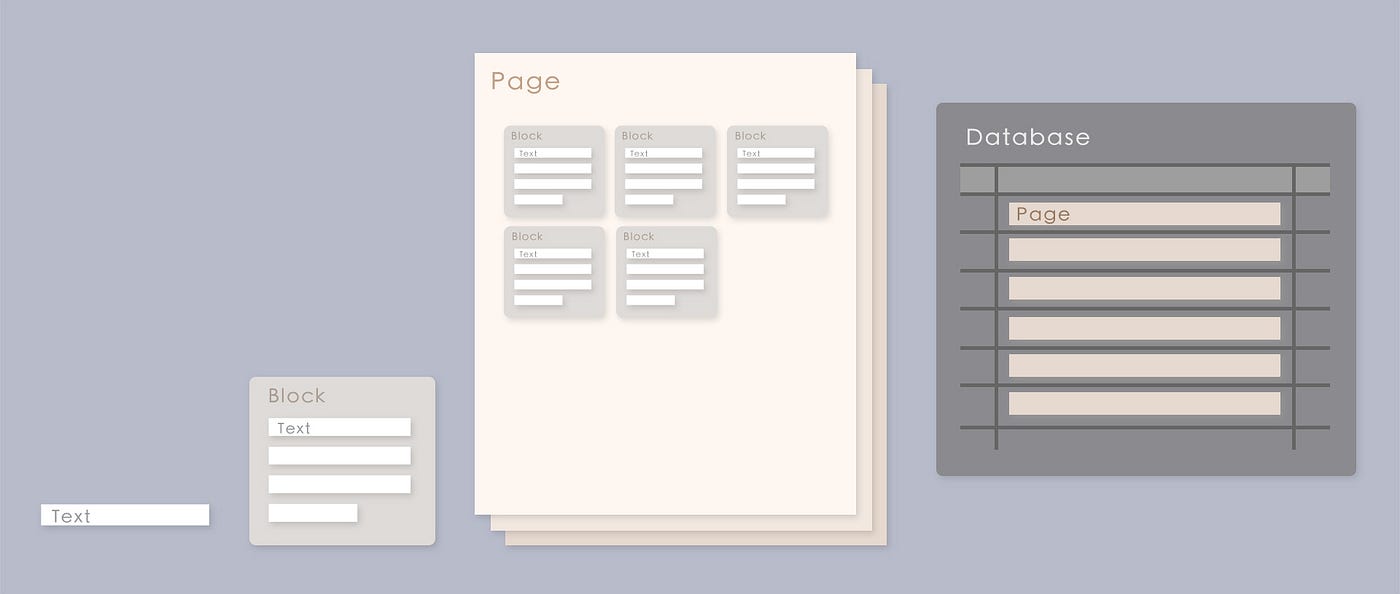
Notion is not just a note-taking app. It’s three things combined:
- A structured workspace (pages, dashboards, navigation)
- A database system (tables, filters, relations)
- A workflow layer (kanban boards, task states)
Obsidian, by default, only gives you:
- Markdown files
- Folders
- Links
That’s it.
Which is why it feels minimal — and why many people bounce off it.
But here’s the key insight:
You don’t need to replicate Notion’s interface. You need to recreate its functionality.
That’s exactly what this plugin stack does.
The 3-Plugin Stack (And Why It Works)
Let’s get straight to the point.
1. Make.md — Your Workspace Layer
Make.md transforms Obsidian from a file explorer into a structured workspace.
It lets you create:
- Dashboards
- Spaces (like Notion pages)
- Sections and layouts
- Database-style collections
- Buttons and templates
Think of it as your homepage + navigation system.
Without it, Obsidian always feels like you’re digging through folders.
With it, you open your vault and immediately know where to go.
2. Datacore — Your Database Engine
Datacore is what turns static notes into dynamic views.
It allows you to:
- Query notes by properties
- Create live-updating tables
- Edit values directly inside views
- Filter, group, and sort data
In simple terms:
It gives you Notion-style databases — but powered by markdown files.
Instead of storing data inside a proprietary block system, your “database” is just a collection of notes with structured metadata.
That’s a massive shift.
3. Kanban — Your Workflow Layer
Kanban does one thing — and does it well.
It gives you:
- Drag-and-drop boards
- Columns (Backlog, Doing, Done, etc.)
- Markdown-backed cards
- Lightweight task management
This is where execution happens.
Not planning. Not organizing. Actually moving work forward.
Step 1 — Install and Enable the Plugins
Start simple.
In Obsidian:
Settings → Community Plugins → Browse
Install:
- Make.md
- Datacore
- Kanban
Enable all three.
Two quick notes:
- Datacore evolves quickly, so expect updates and occasional rough edges
- Kanban is stable, but intentionally minimal — don’t expect full project management features
That’s fine. The goal isn’t complexity. It’s clarity.
Step 2 — Build a Real Dashboard (Make.md)
This is the most important step — and the one most people skip.
Create a note called:
Home.md
Now turn it into your control center.
With Make.md, you can structure it into sections like:
Inbox
A place for quick captures
Projects
Active work you’re managing
Tasks
What needs attention today
Areas
Ongoing responsibilities (health, work, learning)
Resources
Knowledge, references, notes
Recent Notes
Quick access to what you touched last
This replaces the biggest thing people miss from Notion:
A single entry point.
Without this, your system always feels scattered.
With it, everything starts from one place.
Step 3 — Standardize Your Metadata (Critical)
This is where Obsidian users either level up — or get stuck.
Datacore depends on structure.
That structure comes from frontmatter.
Every note that represents something meaningful (project, task, resource) should include properties like:
type: project
status: active
area: work
due: 2026-04-03
priority: high
These fields turn your notes into data.
And once your notes are data, you can:
- Query them
- Filter them
- Group them
- Visualize them
Without this step, Datacore is useless.
With it, Obsidian becomes a database.
Step 4 — Rebuild Notion Databases (Datacore)
Now comes the magic.
Instead of creating a database inside a tool, you create a view over your notes.
For example:
Project Database
Show all notes where:
- type = project
- status != archived
Group by:
- status
Sort by:
- due date
What you get:
A live table of all your projects.
Editable. Filterable. Always up to date.
And the source?
Just markdown files.
This is fundamentally different from Notion.
In Notion:
- The database is the structure
In Obsidian:
- The notes are the structure
- The database is just a view
That separation is what makes the system flexible.
Step 5 — Create a Task System That Actually Works
Let’s be honest.
Most task systems fail because they’re too complicated.
Here’s a simple approach using your new setup:
Every task lives in a note or list
Every task has:
- status
- due date (optional)
- priority (optional)
Example:
type: task
status: doing
priority: medium
Now use Datacore to create views like:
Today’s Tasks
- status = doing
- due = today
Upcoming Tasks
- due within 7 days
Stuck Tasks
- status = waiting
This replaces the need for complex task managers.
You’re just filtering structured notes.
Step 6 — Add Kanban for Execution
Now layer in Kanban.
Create a new Kanban board.
Use columns like:
- Backlog
- Next
- Doing
- Waiting
- Done
This is where work moves.
Important distinction:
- Datacore = overview
- Kanban = execution
You don’t need Kanban for everything.
Use it for:
- Content pipelines
- Active projects
- Weekly planning
Because it’s markdown-backed, your board stays portable and transparent.
No lock-in. No hidden structure.
Step 7 — Connect Everything Into One System
This is where most setups fall apart.
People install plugins — but don’t integrate them.
Here’s how they should work together:
Make.md
Your navigation layer → Where you start
Datacore
Your thinking layer → Where you analyze and organize
Kanban
Your execution layer → Where you move work forward
Example flow:
- Open Home dashboard (Make.md)
- Review projects (Datacore)
- Pick tasks
- Move them in Kanban
That’s it.
Simple. Repeatable. Effective.
A Minimal Folder Structure That Scales
Keep it clean:
- Inbox
- Projects
- Areas
- Resources
- Archive
This mirrors PARA (but don’t overthink it).
The key is consistency — not perfection.
What This Setup Does Better Than Notion
Let’s be real.
You’re not just copying Notion — you’re improving on it.
1. Speed
Obsidian is faster. No contest.
2. Ownership
Your data is just files.
3. Flexibility
You’re not locked into one system.
4. Composability
You can swap plugins without breaking everything.
What It Does Worse
Also important.
1. No native cohesion
You’re building your own system.
2. Setup time
Notion works instantly. This takes effort.
3. Plugin risk
Datacore is evolving. Kanban maintenance may change.
But for many people, that tradeoff is worth it.
The Biggest Mistake to Avoid
Don’t try to recreate Notion perfectly.
You’ll overcomplicate everything.
Instead:
- Keep your metadata simple
- Limit your properties
- Use only a few views
- Focus on workflows, not features
Final Thought
Obsidian doesn’t become powerful by adding more plugins.
It becomes powerful when you:
- Add structure (Make.md)
- Add visibility (Datacore)
- Add movement (Kanban)
That’s the transformation.
Not from Obsidian to Notion —
But from notes to a system.
메타데이터
- post_id
- 012d5ed45a8a
- slug
- how-to-turn-obsidian-into-notion-using-just-3-plugins-012d5ed45a8a
- url
- https://medium.com/@lennart.dde/how-to-turn-obsidian-into-notion-using-just-3-plugins-012d5ed45a8a
- canonical_url
- https://medium.com/@lennart.dde/how-to-turn-obsidian-into-notion-using-just-3-plugins-012d5ed45a8a
- author_url
- https://medium.com/@lennart.dde
- status
- ok
- fetched_at
- 2026-06-09 15:37:30