Sewing Machine Buying Guide: Finding the Perfect Fit for Your Needs
In the vast world of crafts and tailoring, knowing how to choose a sewing machine that perfectly fits your needs is crucial. A sewing…
Sewing Machine Buying Guide: Finding the Perfect Fit for Your Needs
In the vast world of crafts and tailoring, knowing how to choose a sewing machine that perfectly fits your needs is crucial. A sewing machine is a significant investment and the right choice can greatly enhance your sewing experience, enabling you to bring your creative visions to life with ease. The process of selecting a sewing machine encompasses understanding various factors to consider when buying a sewing machine, from identifying specific sewing needs to evaluating sewing machine brands, specifications, and budget considerations. With technology evolving rapidly, today’s market offers a plethora of options, making it more important than ever to be informed before making a purchase.
This sewing machine buying guide aims to equip readers with the knowledge necessary to navigate the complexities of choosing the right sewing machine. It will delve into determining sewing machine needs based on personal projects or professional requirements, understanding different types of sewing machines available, and identifying essential sewing machine features to look for. Additionally, it will offer tips for purchasing a sewing machine, including factors such as sewing machine specifications and sewing machine budget considerations. By exploring these critical aspects, the guide seeks to simplify the decision-making process, allowing both novice and experienced sewers to make an educated choice that aligns with their skills and ambitions.
Identify Your Sewing Needs
Before embarking on the journey to purchase a sewing machine, it is essential to identify one’s sewing needs. This involves not only recognizing the tasks one wishes to accomplish currently but also considering long-term sewing goals. One might ponder whether starting with a less expensive machine with fewer features and upgrading as skills develop is more suitable, or if investing more in a machine to grow into is preferable.
Assessing the Types of Projects
The type of sewing machine one needs significantly depends on the projects they plan to undertake. Whether sewing for children, making quilts, clothing, home decor items like pillows, draperies, and slipcovers, or crafting handbags and other fashion accessories, the choice of sewing machine should align with these projects. Additionally, the type of fabric one plans to use, be it mostly cottons and linens or heavier materials like denim and leather, plays a crucial role in the selection process.
Considering the Frequency of Use
Understanding how frequently the sewing machine will be used is another critical factor. For individuals planning to sew only occasionally, such as for a single project or as an emergency backup, a basic “starter” machine might suffice. However, for those aiming to engage in sewing more seriously or even start a sewing business, a machine with more durability and advanced features would be more appropriate. The decision between choosing a first machine or replacing an existing one also influences the level of investment and the features one might seek in a new sewing machine.
Understanding Specific Fabric Requirements
The type of fabric one intends to sew with dictates the suitability of a sewing machine. While most home machines can handle light and medium weight fabrics, sewing heavier materials or multiple layers may require a machine with specific capabilities. Selecting the correct needle, foot, and settings for each fabric type is vital to prevent issues such as seam ripping and re-sewing. It’s important to note that while standard machines can sew a range of fabrics, including some lighter denims and leathers, heavier and continuous use may lead to premature wear and failure of the machine.
In conclusion, identifying one’s sewing needs involves a careful consideration of the types of projects, the frequency of use, and the specific fabric requirements. By making a “need and wish” list, researching options within one’s budget, and testing several machines, individuals can select a sewing machine that not only fits their current needs but also supports their sewing goals for the future.
Understanding Different Types of Sewing Machines
Mechanical Sewing Machines
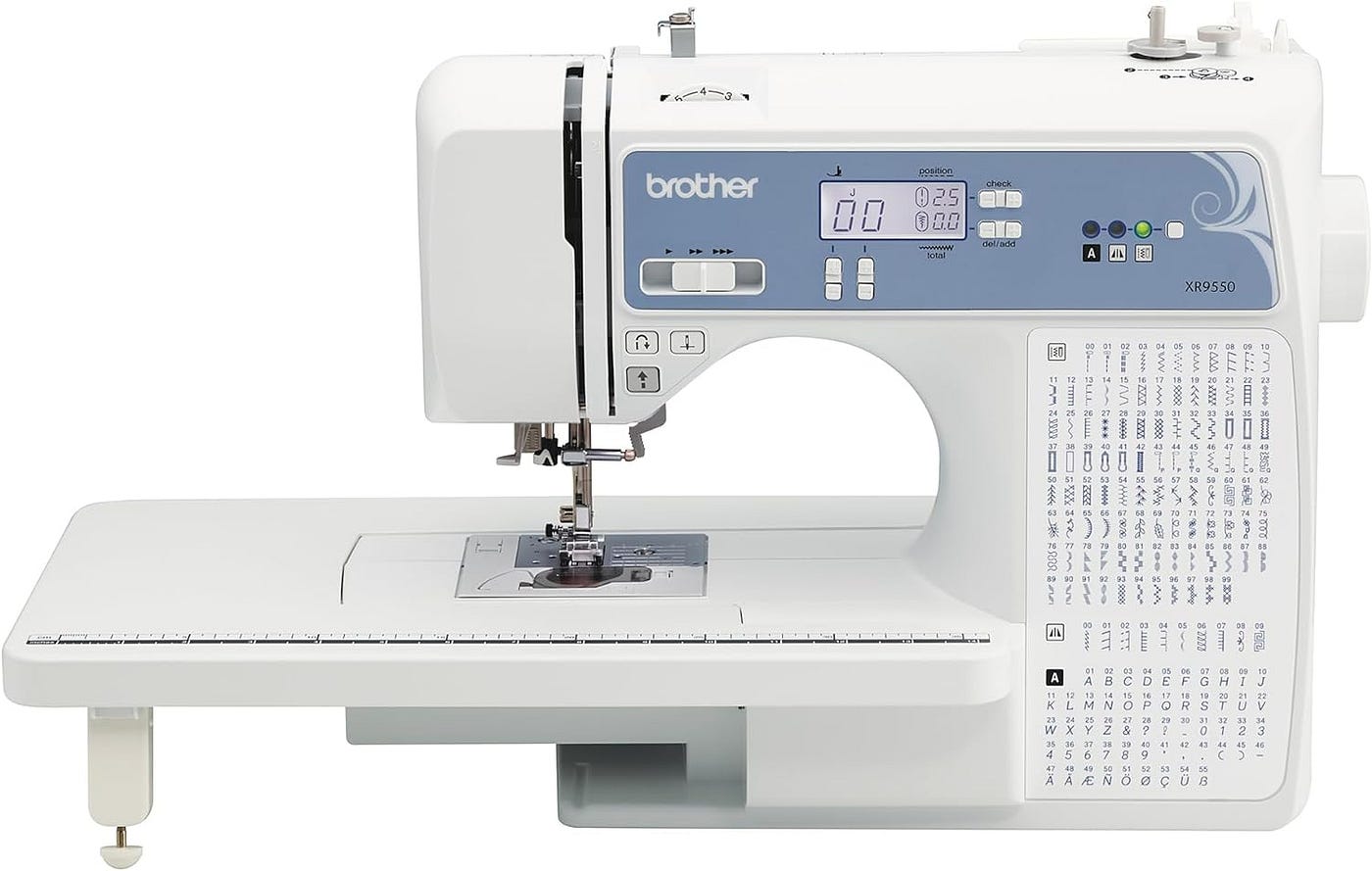
Mechanical sewing machines are known for their simplicity and durability. They operate with dials to select stitch types, adjust stitch width, length, and thread tension. These machines are typically more affordable and can last for decades if properly maintained, making them a worthwhile investment for those who prefer traditional sewing methods. However, mechanical sewing machines have limited functionality compared to more modern machines. They tend to offer basic stitch options like straight stitch, zig-zag, and simple buttonholes, which may restrict creativity on more complex projects.
Electronic Sewing Machines
Electronic sewing machines represent a step up from mechanical models by incorporating more advanced technology. These machines still use dials or buttons for adjustments but are enhanced with electronic features that can simplify sewing tasks. For instance, electronic machines often come with a variety of stitch programs that automatically adjust settings based on the fabric type or the sewing technique required. This can be particularly beneficial for those working on intricate patterns or using varied fabric types, as it allows for greater precision and control over the sewing process.
Computerized Sewing Machines
Computerized sewing machines are at the forefront of sewing technology, offering a plethora of features that automate and customize the sewing experience. These machines are controlled via touch screens or buttons and include internal computers that allow for an extensive range of stitch patterns. Users can often program and save their stitch preferences, which is ideal for projects that require consistent stitch quality. Although these machines are typically the most expensive, they provide significant advantages in terms of versatility and ease of use, especially for complex sewing projects like embroidery and quilting. However, they do have a steeper learning curve and may require more time to master all of the available functions.
Essential Features to Look for in a Sewing Machine

Adjustable Stitch Length and Width
When selecting a sewing machine, it is crucial to consider models that offer adjustable stitch length and width. This feature allows for a broader range of sewing techniques and is essential for achieving the desired strength and stability of stitches on various fabrics. The stitch length dial adjusts the size of the stitch on the topside of the fabric, with larger stitches used for basting and smaller stitches for permanent, tight stitches like those needed for buttonholes and edge stitching. Similarly, the stitch width dial changes the width of stitches, particularly useful for zigzag stitches, allowing for adjustments that can enhance the fabric’s appearance and function.
Buttonhole Function
The ability to sew buttonholes is a significant feature in any sewing machine, especially for garment sewing. Machines with a buttonhole function can greatly simplify the process, offering settings like 1-step or 4-step buttonholes. These settings automate parts of the buttonhole sewing process, making it easier and quicker to create consistent buttonholes. Some advanced machines even remember the size of the buttonhole after setting it manually, allowing for multiple identical buttonholes, which is particularly useful when working on projects like shirts.
Needle Down Feature
The needle up/down feature is another essential aspect to consider. This function allows the needle to stop in the down position, which is handy for pivoting the fabric at corners. It is especially beneficial for quilting and appliqué work, where precision is critical. While some sewers prefer to control the needle position manually, having this feature automated can enhance sewing efficiency and ease.
Adjustable Needle Position
Adjustable needle position is a valuable feature for precise seam allowances and topstitching. It allows the sewer to move the needle to the left, right, or center, depending on the sewing needs. This feature is particularly helpful when sewing zippers, edge stitching, or aligning fabric more accurately under the presser foot. The ability to adjust the needle position enhances the machine’s versatility, making it suitable for a wide range of sewing projects.
Droppable Feed Dogs
For those interested in free-motion quilting, having the ability to drop the feed dogs is crucial. This feature disengages the feed dogs, allowing the fabric to move freely under the needle, which is essential for stippling or free-motion embroidery. While some machines offer the option to lower the stitch length to zero to mimic this effect, truly droppable feed dogs provide greater flexibility for creative sewing endeavors.
Tips for Purchasing a Sewing Machine

Setting a Budget
When planning to purchase a sewing machine, individuals should first determine their budget, keeping in mind both their immediate needs and long-term sewing goals. A quality mechanical sewing machine can often be found for under $300, but for those with a tighter budget, considering a used or reconditioned high-quality machine might be a better option than a new but cheaper model. It’s important to balance budget constraints with the potential longevity and features of the machine. For those planning to use their machine extensively or professionally, investing in a higher-priced, durable machine designed for constant use might be necessary, despite the higher initial cost.
Testing the Machine
Before making a purchase, it is advisable to test various sewing machines to ensure they meet specific sewing needs. Bringing personal fabric samples and thread to test with the machine can provide insights into how the machine handles different materials and stitch styles. Testing should include trying out basic operations as well as any special features relevant to the buyer’s projects. This hands-on approach helps ensure the chosen machine performs well with the types of fabric and sewing tasks the buyer intends to undertake regularly.
Shopping at Local Dealers vs. Online
Purchasing from a local dealer can offer significant advantages, including personalized service, the opportunity to test machines before buying, and access to after-sale classes and maintenance. Local dealers are knowledgeable and can guide buyers toward machines that fit their needs and budget. In contrast, online purchases might offer lower prices but typically lack the personalized service and immediate support local dealers provide. However, if a local dealer is not available, some online dealers offer phone or chat support to help with machine selection.
Considering Optional Accessories
When selecting a sewing machine, considering the available accessories can enhance sewing capabilities. Many dealers show potential buyers the different attachments available and explain their uses, which can be crucial for specific projects like embroidery or quilting. Understanding what accessories come with the machine and what may need to be purchased separately is important for budgeting and for planning future sewing projects. Buyers should inquire about these accessories and ensure they are suitable for their intended sewing tasks before making a purchase decision.
Conclusion
Through this comprehensive buying guide, we’ve navigated the complex landscape of sewing machines, illuminating the essential factors to consider to ensure you make an informed decision tailored to your unique sewing needs and aspirations. From understanding the type of projects you’ll undertake, your frequency of use, and the specific fabrics you’ll work with, to delving into the various machine types, key features, and practical purchasing advice, this guide has aimed to simplify what can be an overwhelming process. It underscores the importance of aligning your choice with both current abilities and future goals to find a sewing machine that genuinely suits your creative journey.
As we conclude, remember that selecting the perfect sewing machine is a personal journey that melds practical requirements with aspirations, budget with features, and current skills with future ambitions. By reflecting on the insights provided, testing machines where possible, and considering the broader implications of your choice, you are well-positioned to select a machine that not only meets but surpasses your sewing expectations. Embrace this opportunity to enhance your sewing experience, knowing that the right sewing machine can be a gateway to expanding your creative horizons and bringing your most ambitious projects to life.
FAQs
How to Select the Ideal Sewing Machine for Your Needs
Q: What should I consider when picking a sewing machine that suits me best? A: To find a sewing machine that meets your needs, focus on its usability. Key aspects include the machine’s weight, how easily it can be threaded, and the dimensions of the needle and bobbin. Prices for sewing machines vary widely, from a few hundred to several thousand dollars.
Q: What are the critical factors to keep in mind while choosing a sewing machine? A: When selecting a sewing machine, consider the following essential factors:
- Basics: Seek advice from experienced sewers on what to look for in a machine.
- Stitch Options: Different projects require different stitch types.
- Type: Decide between a mechanical or an electronic model.
- Features: Evaluate the additional features you may need.
- Size and Weight: Make sure the machine’s size and weight match your workspace and portability needs.
- Budget: Determine how much you are willing to spend.
- Service and Warranty: Check the availability and terms of service and warranty.
Recommendations and Value Considerations
Q: Which sewing machine is known for its reliability? A: The most dependable sewing machines include:
- Best Overall: Brother CS7000X 70-Stitch Computerized Sewing Machine with Wide Table.
- Best Budget: Brother FB1757T 17 Stitch Mechanical Sewing Machine with Extension Table.
- Best Heavy-Duty: Singer Heavy Duty 4411 Sewing Machine.
- Best for Beginners: Singer Patchwork 7285Q Sewing and Quilting Machine.
Q: Is it worth investing in a more expensive sewing machine? A: For beginners, a basic machine with essential stitches like straight and zigzag is sufficient. However, if you are passionate about sewing and see yourself continuing with it, investing in a machine with more features and stitch options can be worthwhile.
메타데이터
- post_id
- 017ac6e0d8bc
- slug
- sewing-machine-buying-guide-finding-the-perfect-fit-for-your-needs-017ac6e0d8bc
- url
- https://medium.com/@celliepollard456/sewing-machine-buying-guide-finding-the-perfect-fit-for-your-needs-017ac6e0d8bc
- canonical_url
- https://medium.com/@celliepollard456/sewing-machine-buying-guide-finding-the-perfect-fit-for-your-needs-017ac6e0d8bc
- author_url
- https://medium.com/@celliepollard456
- status
- ok
- fetched_at
- 2026-06-11 21:11:36