The Medicine of the Future : Understanding Cell and Gene Therapy
The Medicine of the Future : Understanding Cell and Gene Therapy
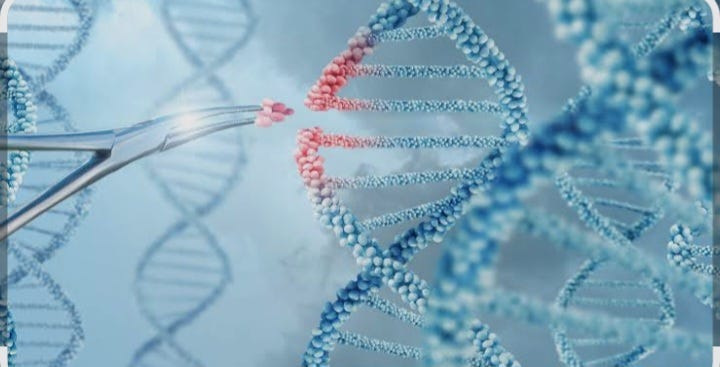
Gene Editing
I. Introduction Imagine a treatment that doesnot just control symptoms but fixes the root csuse of disease.This is the promise of cell and gene therapy, two of the most revolutionary developments in modern medicine
Unlike traditional treatments that primarily manage symptoms, these therapies focus on repairing or replacing defective cells, modulating the immune system, or correcting genetic abnormalities. The integration of cellular and genetic approaches has paved the way for innovative treatments in oncology, regenerative medicine, and rare genetic disorders. This article explores the concept ,history ,mechanisms ,applications,and ethical challenges of cell and gene therapies. II. Historical Overview
Cell therapy has its roots in early hematopoietic stem-cell transplants, which were first developed in the mid-20th century for treating leukemia and other blood disorders. Over the decades, advances in stem-cell biology, immunology, and tissue engineering enabled more sophisticated cellular interventions, including mesenchymal stem cell (MSC) therapy and chimeric antigen receptor T-cell (CAR-T) therapy .
Gene therapy, by contrast, emerged in the 1990s with the goal of correcting genetic defects at the molecular level. Initial attempts were limited by safety issues, including immune responses and insertional mutagenesis. However, innovations in viral and non-viral vectors, along with the advent of precise gene-editing technologies such as CRISPR/Cas9, have significantly improved safety and efficacy .

Historical Overview
The combined progress of cell and gene therapy has transformed previously untreatable conditions into targets for potentially curative interventions. III. Fundamental Concepts Cell therapy involves the transplantation or infusion of live cells to repair, replace, or regenerate damaged tissues. Cells may be autologous, derived from the patient, or allogeneic, sourced from a donor. Therapeutic mechanisms include differentiation into specific cell types, secretion of beneficial factors, and modulation of the immune system.
Autologous therapies : It avoids immune rejection but are limited by the quantity and quality of the patient’s own cells.
Allogeneic therapies:It provides off-the-shelf solutions but carry the risk of immune incompatibility and graft-versus-host disease. Advanced therapies often combine cell therapy with genetic modifications to enhance efficacy, as exemplified by CAR-T therapies. Gene Therapy: Gene therapy involves the insertion, alteration, or removal of genetic material to treat or prevent disease . Approaches include gene addition, gene editing, and gene silencing. Delivery is achieved through viral vectors, such as adenoviruses and lentiviruses, or non-viral methods, such as lipid nanoparticles . Therapies can be administered ex vivo, where cells are modified outside the body before re-infusion, or in vivo, where genetic material is delivered directly into the patient. IV. Mechanisms and Techniques Cell therapy involves several critical steps:
- Cell isolation: Cells are extracted from autologous or allogeneic sources and purified (El-Kadiry et al., 2021).
- Modification and expansion: Cells may be genetically engineered or cultured to increase their therapeutic potential.
- Delivery and engraftment:
Cells are administered to the patient and must home to the target tissue, survive, and exert their intended function. 4. Therapeutic action: Cells can replace damaged tissues, secrete beneficial factors, or modulate immune responses.
Gene therapy relies on precise delivery of genetic material into target cells.
Key mechanisms include: Vector design and delivery: Viral and non-viral vectors facilitate gene transfer (Gonçalves et al., 2017). Ex vivo vs in vivo administration: Cells can be modified outside the body or directly targeted in vivo. Gene addition, editing, or silencing: Therapeutic strategies correct or inhibit dysfunctional genes. Cellular uptake and expression: Efficient expression of the therapeutic gene is essential for success. Targeting specificity and safety: Precision targeting minimizes off-target effects and maximizes clinical benefit. V. Applications and Case Studies Cell therapies are applied in oncology, regenerative medicine, and immune disorders. CAR-T therapy demonstrates remarkable remission rates in refractory B-cell . Stem-cell transplantation is established for hematological disorders, while MSC therapies are explored for cardiac, neural, and musculoskeletal repair.
Gene therapy addresses genetic disorders and complements regenerative medicine. It has achieved success in monogenic diseases such as hemophilia and spinal muscular atrophy . CRISPR/Cas9-mediated editing enhances cancer immunotherapy and regenerative medicine applications.
Selected case studies include:
-
CAR-T therapy in leukemia and lymphoma: High remission rates demonstrate the potential of engineered immune cells.
-
Gene therapy for rare monogenic disorders: Single-dose gene therapy provides durable benefits in previously untreatable conditions.
-
Combined cell-gene therapy in regenerative medicine: Gene-modified cells enhance tissue repair and immune specificity. VI. Advantages and Benefits Cell and gene therapies provide curative potential, personalized interventions, and the possibility of reducing chronic medication burden .
Autologous therapies reduce immune rejection, while gene therapy precisely targets genetic defects. Regenerative benefits, immune modulation, and integration of both modalities enhance therapeutic outcomes. VII. Risks and Challenges
Safety concerns include immune reactions, off-target effects, and insertional mutagenesis .

Risks of Cell and Gene Therapies
Allogeneic cell therapies risk graft-versus-host disease, while variability in cell survival can compromise efficacy. High costs and regulatory hurdles limit accessibility, and technical challenges in delivery and scalability remain significant . VIII. Ethical and Social Implications Ethical considerations include equity of access, informed consent, and societal perceptions (ASGCT, 2025; Cleveland Clinic, 2025). Germline gene therapy raises concerns regarding heritable modifications. Public trust and regulatory oversight are essential, especially as therapies may shift from treatment to enhancement . IX. Conclusion Cell and gene therapies mark a paradigm shift in medicine, offering curative interventions that address the root causes of disease. Mechanistic understanding, clinical applications, and emerging benefits highlight their transformative potential, while risks, challenges, and ethical considerations underscore the need for careful implementation. Guided by rigorous research and responsible practice, these therapies promise to redefine treatment strategies and improve patient outcomes .
메타데이터
- post_id
- 01956dbf2b49
- slug
- the-medicine-of-the-future-understanding-cell-and-gene-therapy-01956dbf2b49
- url
- https://medium.com/@areebakiyani/the-medicine-of-the-future-understanding-cell-and-gene-therapy-01956dbf2b49
- canonical_url
- https://medium.com/@areebakiyani/the-medicine-of-the-future-understanding-cell-and-gene-therapy-01956dbf2b49
- author_url
- https://medium.com/@areebakiyani
- status
- ok
- fetched_at
- 2026-06-09 15:37:30