We Got 6.3k Google Impressions in 5 Weeks. Here Is What ActuallyWorked (and What Did Not).
A transparent look at launching a SaaS product in a market dominated by decade-old incumbents — with real numbers, real mistakes, and real…
We Got 6.3k Google Impressions in 5 Weeks. Here Is What ActuallyWorked (and What Did Not).
A transparent look at launching a SaaS product in a market dominated by decade-old incumbents — with real numbers, real mistakes, and real lessons.
We launched ZenFlip five weeks ago. It is a platform that converts PDFs into interactive, accessible flipbooks with Lead Generation, built-in analytics and AI-powered reader chat.
The flipbook market has been dominated by the same four or five players for over a decade — Issuu, FlipHTML5, Flipsnack, FlippingBook, Publuu. They have domain ratings above 50, millions of monthly visitors, and years of SEO authority.
We had none of that. Zero domain rating. Zero backlinks. Zero brand recognition.
Five weeks later, here is exactly where things stand — the good, the bad, and what I would do differently.

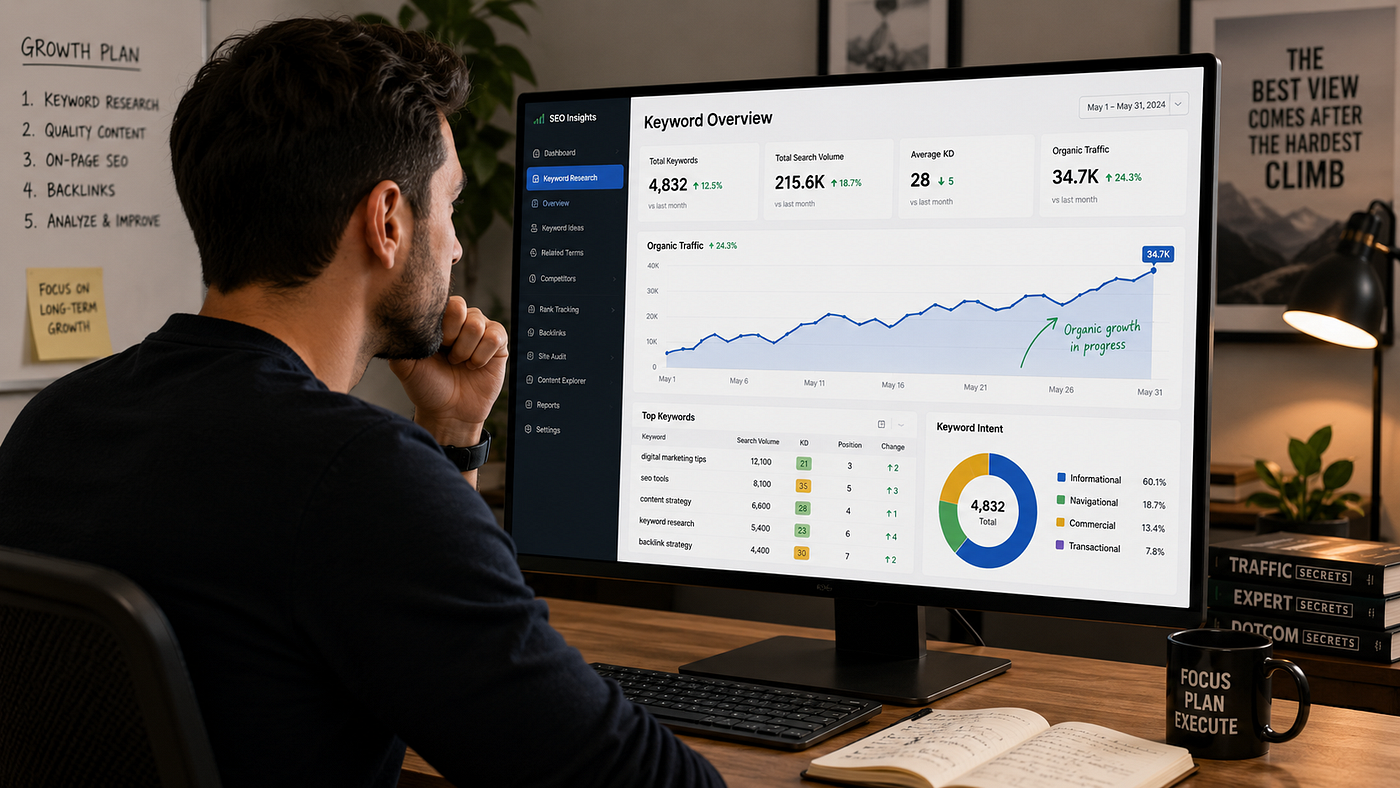
GSC data of Zenflip.io
The numbers (Unfiltered):
- GSC Impression — 6300. Started at 30/day, now at 800–1000/day
- GSC clicks (tota) — 84. Low CTR of 1.3% average — this is what we need to urgently work on
- Average Position — 10.9. Page 2 on average, but some articles on Page 1.
- Paid Customers — 0. Conversion gap is something we are actively working on
- Countries with signups — 25+ — I am genuinely surprised by the geographic spread
I expected maybe 25–30 free signups in the first month. Getting over 100 was a genuine surprise. But having zero paid conversions after 108 free users tells me something important: the product is interesting enough to try, but the path from “trying” to “paying” has a gap I have not closed yet.
What Actually Worked
1. Competitor-targeted content is disproportionately effective
The single highest-performing piece of content I have published is a detailed breakdown of Issuu’s pricing. It generated over 2,000 impressions in its first week on Page 1 and continues to pull 600–800 impressions per day.
The strategy is straightforward: people searching “issuu pricing” or “fliphtml5 free plan watermark” are actively evaluating flipbook tools. They have intent. They are comparison shopping. If your article is genuinely helpful and honest about what the competitor offers, Google will surface it — even from a brand-new domain.
I wrote articles targeting:
• Issuu’s pricing changes and what they actually cost
• FlipHTML5’s free plan limitations (specifically the watermark issue)
• A side-by-side comparison of the six major flipbook tools
These three articles alone account for roughly 70% of my total impressions.
Key learning: Do not write about your product. Write about the problems people have with existing products. Your product becomes the natural answer without being the explicit subject.
2. Zero-friction signup creates zero-commitment users
The same Google OAuth flow that gets people into the product quickly also means they have zero investment in the product. They clicked one button. They did not choose a password. They did not verify an email. They have no sunk cost.
Result: 63% of all users have never logged back in after their first session. They came, they uploaded (maybe), they left. The product did not give them a strong enough reason to return.
What I am doing about it: Building a “your flipbook got its first reader” notification email. The hypothesis is that publishers need to see evidence that their content is being read before they invest more time in the platform. Currently, even users whose publications are getting reader views do not know it — because they never come back to check their analytics.
3. The pricing page is almost invisible
Out of 161 total users tracked by analytics, only 4 have ever viewed the pricing page. That is 2.5%.
This was the most surprising finding from my analytics deep dive. The homepage has a pricing section, but it is below four other sections — hero, features, transformation, and more features. Users who click “Start free” from the hero section go directly to signup. They never scroll to pricing. They sign up for the free plan without knowing paid plans exist.
What I am doing about it: I added a compact pricing comparison strip directly on the signup page — visible above the Google OAuth button. Every user now sees the three plan tiers and their prices before they sign up. It also includes a “Want to monetize your content? Contact sales” option that qualifies enterprise leads directly from the signup flow.
The Backlink Problem (My Biggest Challenge Right Now)
Domain Rating 0 means Google treats you as an unknown entity. Your content can be excellent, your titles can be perfect, and your product can be genuinely better — but Google will not rank you above established domains until you earn external validation through backlinks.
I currently have zero referring domains of meaningful authority. My content ranks on Page 1 for some queries purely on the strength of topical relevance and content quality — but it sits at positions 7–10, which get dramatically fewer clicks than positions 1–3.
The math: moving from position 8 to position 3 on my highest-impression query would increase daily clicks from 0 to approximately 25. That is 750 additional visitors per month from a single ranking improvement. But that improvement requires domain authority that only comes from other websites linking to mine.
If you run a blog or publication in the publishing, content marketing, or EdTech space and would be open to a guest article from someone with 12 years of digital publishing experience (including time at Kitaboo, Impelsys and Adobe), I would welcome the conversation. I can write about accessible publishing, content analytics, or the business of digital publishing — topics I have genuine expertise in, not just marketing angles.
What I Would Tell Someone Starting a Content-Led SaaS Today
- Write about your competitors honestly. The best-performing content I have published is not about my product. It is about other products and the real problems people have with them.
- Translate from day one. The marginal cost of translation is low. The marginal reach is high. Do not wait until you are “big enough” to go international.
- Measure pricing exposure, not just traffic. I spent weeks focused on impressions and signups without realizing that 97.5% of my users had never seen a pricing page. Traffic means nothing if visitors never encounter your business model.
- Friction-free signup is a double-edged sword. Make it easy to start, but build a reason to come back. I optimized the first 10 seconds of the experience and neglected the next 10 days.
- Position is not the same as visibility. Ranking at position 7 on Google does not mean people see you. On a brand-new domain, positions 7–10 are functionally invisible because every result above you is a trusted brand.
- Do not build features to avoid doing sales. I built an executive analytics dashboard, an investor PDF exporter, and a monthly board pack generator before I had a single paying customer. Those are excellent features — for a company that has already validated its business model. I should have spent that time talking to users instead.
What Is Next
I am focused on three things for the next 30 days:
- Closing the conversion gap. Interviewing free users to understand what would make them pay. Building re-engagement emails that show publishers their reader analytics. Testing a 14-day trial on the paid tiers.
- Building domain authority. Guest articles, platform integrations, and genuine contributions to the publishing and EdTech communities. If you can help with this, I would genuinely appreciate the connection.
- Enterprise outreach. ZenFlip has a white-label storefront, built-in content monetization (publishers keep 90% of revenue), and B2B content delivery — features that mid-market publishers need but that the incumbent flipbook tools do not offer. I have the domain expertise (12 years in this space) and the product. I need the conversations.
If any of this resonated, the best way to help is:
• Try ZenFlip and tell me what is broken: zenflip.io
• Connect me with someone in publishing, EdTech, or content marketing who might benefit
- Link to us if you write about digital publishing tools
Jagadish C U is the founder of ZenFlip and Zentrovia Solutions Private Limited. He has 15+ years of experience in digital publishing technology, previously working with Kitaboo, Impelsys and Adobe. ZenFlip is a WCAG 2.2 AA accessible flipbook platform with AI-powered reader chat, built-in analytics, and content monetization.
메타데이터
- post_id
- 01a05b4cba02
- slug
- we-got-6-3k-google-impressions-in-5-weeks-here-is-what-actuallyworked-and-what-did-not-01a05b4cba02
- url
- https://medium.com/@jc_59184/we-got-6-3k-google-impressions-in-5-weeks-here-is-what-actuallyworked-and-what-did-not-01a05b4cba02
- canonical_url
- https://medium.com/@jc_59184/we-got-6-3k-google-impressions-in-5-weeks-here-is-what-actuallyworked-and-what-did-not-01a05b4cba02
- author_url
- https://medium.com/@jc_59184
- status
- ok
- fetched_at
- 2026-07-13 19:25:35