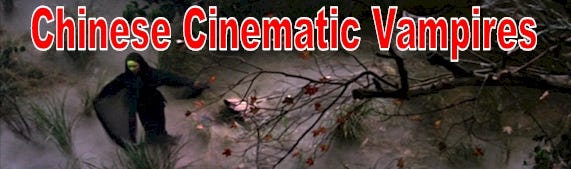
“Fist of Fury” 1971, “Chinese Connection”
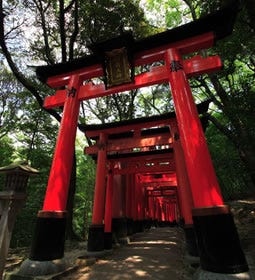
“Jing Wu Men”
Photo by Nenad Spasojevic on Unsplash
DR. WAYNE STEIN: BRUCE LEE UNIVERSITY COURSE
“Fist of Fury” 1971, “Chinese Connection”
“Jing Wu Men”
It starts with love. . .
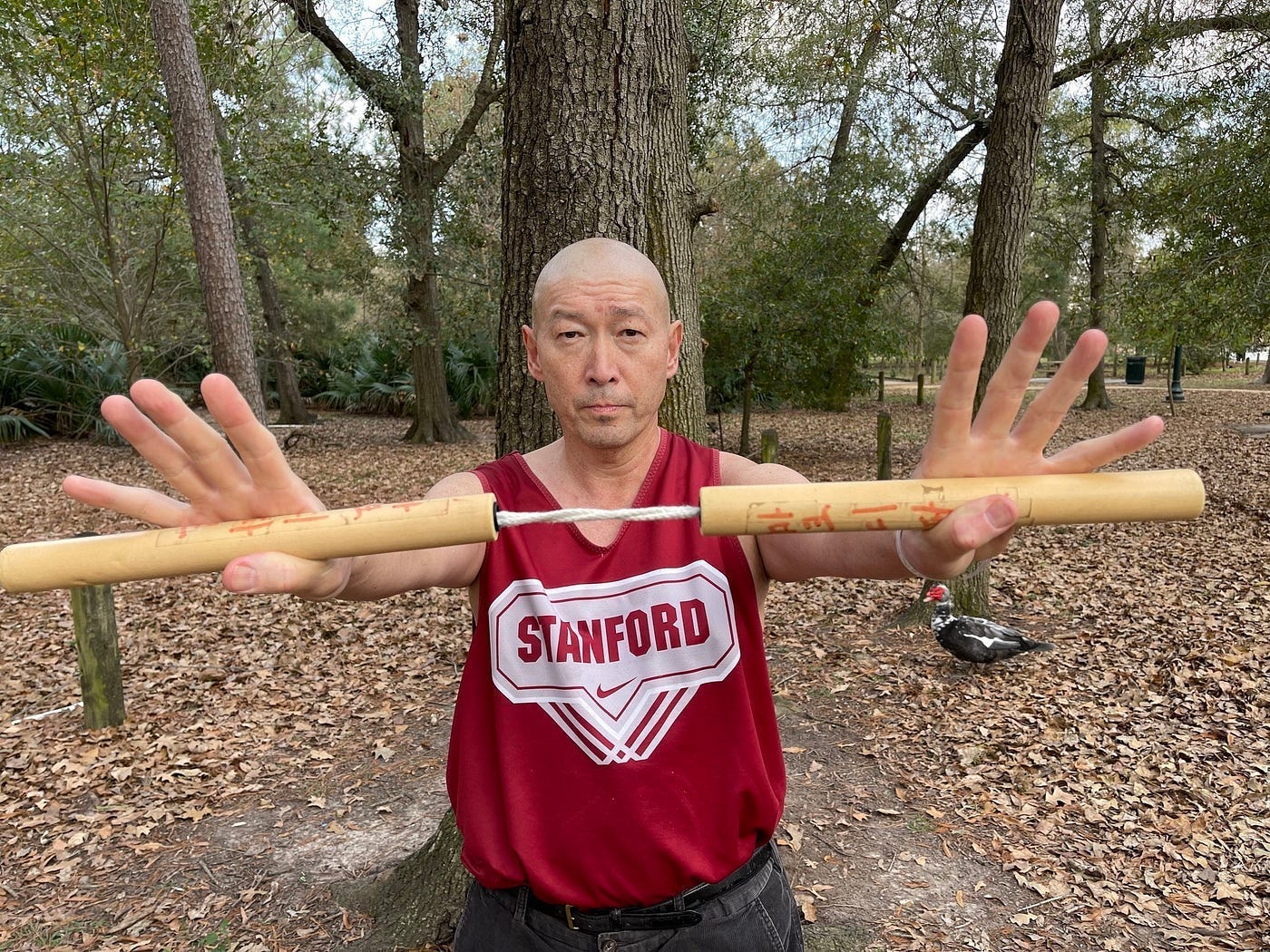
Author trying to be Bruce Lee while fighting cancer
Thank you for coming to the class. I was recently fired as an adjunct after 30 years of teaching at a university.
It was the worst university to teach at, for my department had racist leaders, one even stepped down as chair after the African American, Latin American, and Native American all called him racist. He was.
Sadly, he returned as the writing director and fired me. I guess. I tried to make this popular class on Bruce Lee a regular class, but it was rejected. So I taught it for years submitting the paperwork each time.
These are from my notes: enjoy.
[embed]
Course Description for ENG 4910 and 5910
The purpose of this course is to examine the films of Bruce Lee, his biography, his impact on martial arts and action films, and finally his philosophy about martial arts.
ENG 4910 Prerequisites: Eng 1113, Eng 1213 ENG 5910 Prerequisites: Graduate Standing.
Graduate student requirements
Graduate students will be required to turn in longer reports, carry out more research while being more critical than their undergraduate counterparts.
Course Objectives
Though Bruce Lee only made five films, he changed forever the way fight scenes in action films are created. Furthermore, his art of Jeet Kune Do continues to have an impact on martial arts across the globe. We will examine Bruce Lee’s contributions to cinema.
Specifically, we will study what was unique about Bruce Lee, especially by examining Fist of Fury (Chinese Connection 1972) and comparing Bruce Lee to other famous actions starts like Jackie Chan and Jet Li.
We will also explore cultural differences between what Eastern audiences and Western audiences liked in action films when we critically examine the film Enter the Dragon (1973).
This class will also investigate the contradiction between his philosophy of Jeet Kune Do and the martial action he created for his films. Some research is required. We will refer to the original names of the film as The Big Boss (Fist of Fury 1972), Fist of Fury (Chinese Connection1972), and Way of the Dragon (Return of the Dragon 1972).
Fists of Fury
Ironically, Bruce Lee didn’t do his research, for the film is in China, but the Japanese protected Jewish people because they could be taxed. Bruce Lee was actually part Jewish, you have to watch the film to see the irony.
The film introduces the nunchaus throughout the world, and along with the weapon comes laws to outlaw the weapon. This film broke box office records throughout Asia and became the biggest grossing film of all time in Hong

Fist of Fury: Google images
Kong. It is hard to express exactly why this film impacted Hong Kong film history, but it did.
First, there was Bruce Lee. His dynamic powerful charismatic performances established him as a superstar. He was not new to the Chinese audience. He had grown up as a child star. The television show Green Hornet was released as Kato in Hong Kong and had a considerable audience, so much so that when he visited Hong Kong, he was welcomed as a star. Movie producers offered him films, but he demanded a high signing salary.
Golden Harvest agreed to his demands. His first film The Big Boss (released as Fist of Fury in America) had just broken records everywhere in Asia while Fist of Fury, his second film (released as Chinese Connection), re-broke those records.
Second, another reason for the power of the film was the nationalist theme of the story, where a Chinese defeats foreigners, both Japanese and Western opponents. A particular scene stunned Hong Kong audiences. Thus, the usually tame Hong Kong audience were literally standing on seats and screaming with joy, frustration and anger as Bruce Lee beats up a Japanese who refuses to allow him into the park.
He then makes cinematic history with his leap into the air where he shatters a sign with a thunderous kick, a sign that wrote: “No Chinese or Dogs Allowed.”
With that scene, Bruce Lee became more than a superstar, he became greater than any Chinese star. He became a hero of pride to Hong Kong audiences. As he gained fame throughout the world, Hong Kong people, living in colonial isolation, felt proud finally to be Chinese!
Third and finally, Bruce Lee introduced a quality of technical martial arts ability often missing in Hong Kong films, where actors pretended to be martial arts masters. Bruce Lee though an actor could perform the martial moves he used. The stark realism was something new to audiences. Even stuntmen like Jackie Chan were impressed with Bruce Lee as he worked on the set of Fist of Fury and later Enter the Dragon.
Sammo Hung had predicted that if real martial arts were allowed to seen, audiences would rave at its madness. When Lee’s films came out, his prediction would be correct. However, he could have never guessed how audiences would accept the new Kung Fu films.
*Way of the Dragon and Enter the Dragon (1973) followed, but it would be Fist of Fury that remained the favorite for Hong Kong audiences being the greater box office hit.*
It starts with love. . . Love everyone. Stop the wars!
메타데이터
- post_id
- 01a82ba6ccff
- slug
- fist-of-fury-1971-chinese-connection-01a82ba6ccff
- url
- https://plume.obsidianeagle.com/fist-of-fury-1971-chinese-connection-01a82ba6ccff
- canonical_url
- https://plume.obsidianeagle.com/fist-of-fury-1971-chinese-connection-01a82ba6ccff
- author_url
- https://medium.com/@waynestein
- status
- ok
- fetched_at
- 2026-07-08 23:38:59