Bath Bomb Packaging Boxes: A Complete Guide for Bath and Body Brands
Bath bomb packaging boxes have to solve a problem most product packaging doesn’t face: protecting something fizzy, crumbly, and…
Bath Bomb Packaging Boxes: A Complete Guide for Bath and Body Brands
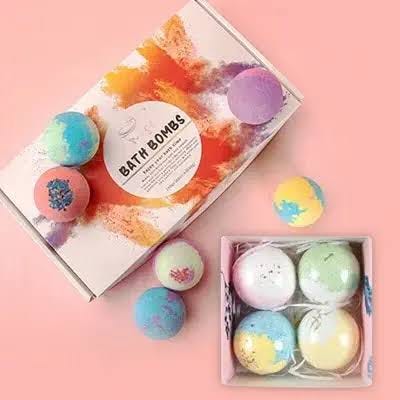
Bath bomb packaging boxes have to solve a problem most product packaging doesn’t face: protecting something fizzy, crumbly, and moisture-sensitive while still looking appealing enough to sell itself on a shelf or in a photo. For bath and body brands, getting this balance right has a direct impact on both product shelf life and how customers perceive the brand behind it.
Choosing the right packaging involves more than picking an attractive design, and understanding the practical requirements makes the sourcing process considerably smoother.
Why Bath Bomb Packaging Requires Special Consideration
Bath bombs are physically fragile and chemically reactive to moisture in ways that most cosmetic products aren’t. Humidity in the air can trigger a slow fizzing reaction even before a product reaches the customer, which means packaging needs to manage moisture exposure, not just look nice.
At the same time, bath bombs are often scented with essential oils or fragrance blends that can fade or transfer odor if the packaging material isn’t suited to holding fragrance in. This combination of physical fragility and chemical sensitivity is why custom bath bomb packaging boxes are treated differently from standard cosmetic boxes by experienced suppliers.
Types of Bath Bomb Packaging: Single Units, Multi-Packs, and Wholesale
Packaging needs shift significantly depending on how a bath bomb is sold. Single bath bomb packaging typically prioritizes a compact, often clear-window design that lets a customer see the product’s color and texture before buying, which matters heavily for impulse purchases in retail settings.
Multi-pack boxes need internal dividers or inserts to prevent bath bombs from knocking against each other and cracking during shipping or handling. Custom bath bomb boxes wholesale, on the other hand, are usually built around bulk shipping efficiency first, with retail presentation handled separately through smaller unit packaging once the product reaches its final point of sale.
Brands selling through multiple channels, retail shelves, subscription boxes, and direct e-commerce, often need more than one packaging format to properly serve each use case.
Materials and Structural Considerations
Material choice affects both product protection and shelf presentation. A few structural factors matter more for bath bombs than for most other cosmetic products:
• Moisture resistance, since standard cardboard can absorb ambient humidity and accelerate product degradation over time
• Cushioning or interior inserts, which prevent cracking from vibration during transit
• Adequate ventilation or breathability in some designs, since sealed packaging can trap moisture from the product itself
• Fragrance retention, particularly for kraft or coated boxes that need to prevent scent transfer between multiple products packed together
Many brands also use silica packets or moisture-absorbing inserts inside sealed packaging as an added layer of protection, particularly for products shipped through varying climates or stored for extended periods before sale.
Retail Display and Branding Considerations
For brands selling through physical retail, bath bomb display boxes serve a dual purpose: protecting inventory and functioning as a point-of-purchase display on a shelf or counter.
Window cutouts are common in this category, allowing customers to see color and texture without opening the package, which drives impulse purchases more effectively than a fully sealed box. Display boxes are often designed to hold multiple units upright or stacked, meaning structural rigidity matters as much as visual branding.
A box that looks appealing but collapses under the weight of stacked inventory creates a poor in-store experience regardless of how well the graphic design was executed.
Choosing a Reliable Manufacturer
Not every packaging supplier accounts for the specific handling needs of fizzy, moisture-sensitive products, and that gap becomes obvious once a batch ships through inconsistent storage or shipping conditions.
Pack Printers is one of the manufacturers that specifically addresses moisture resistance and cushioning requirements for bath and body products, rather than applying general cosmetic packaging templates that weren’t designed with this product category in mind.
This distinction matters most for brands scaling toward regular wholesale or subscription box volume, where consistency across large batches becomes a business requirement rather than a preference.
What to Check Before Finalizing Custom Bath Bomb Boxes
Before approving a full production run, several checks should be completed to avoid costly reprints or damaged inventory down the line. Custom bath bomb boxes should be tested with an actual product sample rather than an empty mockup, since weight and shape affect how well an insert or window design performs in practice.
Additional checks should include:
• Structural integrity under stacking conditions, particularly for wholesale or retail display use
• Moisture and humidity resistance under realistic storage conditions, not just short-term testing
• Print durability on kraft or matte finishes, which can show wear differently than glossy coated stock
• Fit and cushioning accuracy for the specific bath bomb size and shape being packaged
Common Mistakes When Ordering Bath Bomb Packaging Supplies
Several ordering mistakes appear repeatedly among brands sourcing bath bomb packaging supplies for the first time. These include:
• Choosing packaging based on appearance alone without testing moisture resistance
• Ordering a single packaging format for both wholesale shipping and retail display, when the two use cases often require different structural priorities
• Skipping a physical sample test with an actual product, relying instead on a flat digital proof
• Underestimating interior cushioning needs, leading to cracked or chipped bath bombs upon arrival
Avoiding these issues generally comes down to requesting physical samples under real conditions and clearly communicating the intended use case, whether that’s retail display, wholesale distribution, or direct-to-customer shipping, before committing to a full order.
Conclusion
Bath bomb packaging boxes carry more functional responsibility than most cosmetic packaging categories, largely due to the product’s sensitivity to moisture and physical handling. Brands that treat packaging as a structural and protective decision, rather than a purely visual one, tend to see fewer damaged returns and a more consistent retail presentation across single units, multi-packs, and wholesale orders alike.
Testing real samples under realistic shipping and storage conditions remains the most reliable way to confirm a packaging choice will hold up once it leaves the production line.
메타데이터
- post_id
- 01e72cb95c46
- slug
- bath-bomb-packaging-boxes-a-complete-guide-for-bath-and-body-brands-01e72cb95c46
- url
- https://medium.com/@monicaharper78/bath-bomb-packaging-boxes-a-complete-guide-for-bath-and-body-brands-01e72cb95c46
- canonical_url
- https://medium.com/@monicaharper78/bath-bomb-packaging-boxes-a-complete-guide-for-bath-and-body-brands-01e72cb95c46
- author_url
- https://medium.com/@monicaharper78
- status
- ok
- fetched_at
- 2026-08-15 14:33:47