What No One Tells Families About Childhood Type 1 Diabetes: The Hidden Psychological Cost
Why every family facing a chronic illness diagnosis needs therapy, not just medical care

What No One Tells Families About Childhood Type 1 Diabetes: The Hidden Psychological Cost
Why every family facing a chronic illness diagnosis needs therapy, not just medical care
By Veritas Knox
I was eight years old when my body began retaining forty pounds of water weight. To everyone around me, I looked like I had suddenly become “fat.” To the medical team that finally diagnosed me with Type 1 diabetes, I was exhibiting classic symptoms of diabetic ketoacidosis and severe insulin deficiency.
The difference between those two perspectives would shape the next thirty years of my life.
What happened next reveals a devastating truth about childhood chronic illness that no one talks about: the psychological trauma often does more lasting damage than the disease itself.
When Medical Symptoms Become Moral Failures
Picture an eight-year-old who normally weighs 54–60 pounds suddenly carrying an additional 40 pounds of fluid retention – nearly doubling their body weight due to their failing pancreas. When my body finally stopped producing insulin and I was diagnosed with Type 1 diabetes, that excess fluid disappeared in two weeks, leaving me looking dramatically different.
But the damage was done. Every adult around me had already formed their opinion: I used to be “fat,” and that’s why I became diabetic.
This fundamental misunderstanding of cause and effect would follow me everywhere. At family dinners, at school, even in medical settings, I was constantly criticized, monitored, and blamed for having a disease I didn’t cause and couldn’t cure.
The most devastating part? I was handling adult-level medical responsibilities while being treated like I had failed at something a child shouldn’t even understand.
The Isolation of Being “Different”
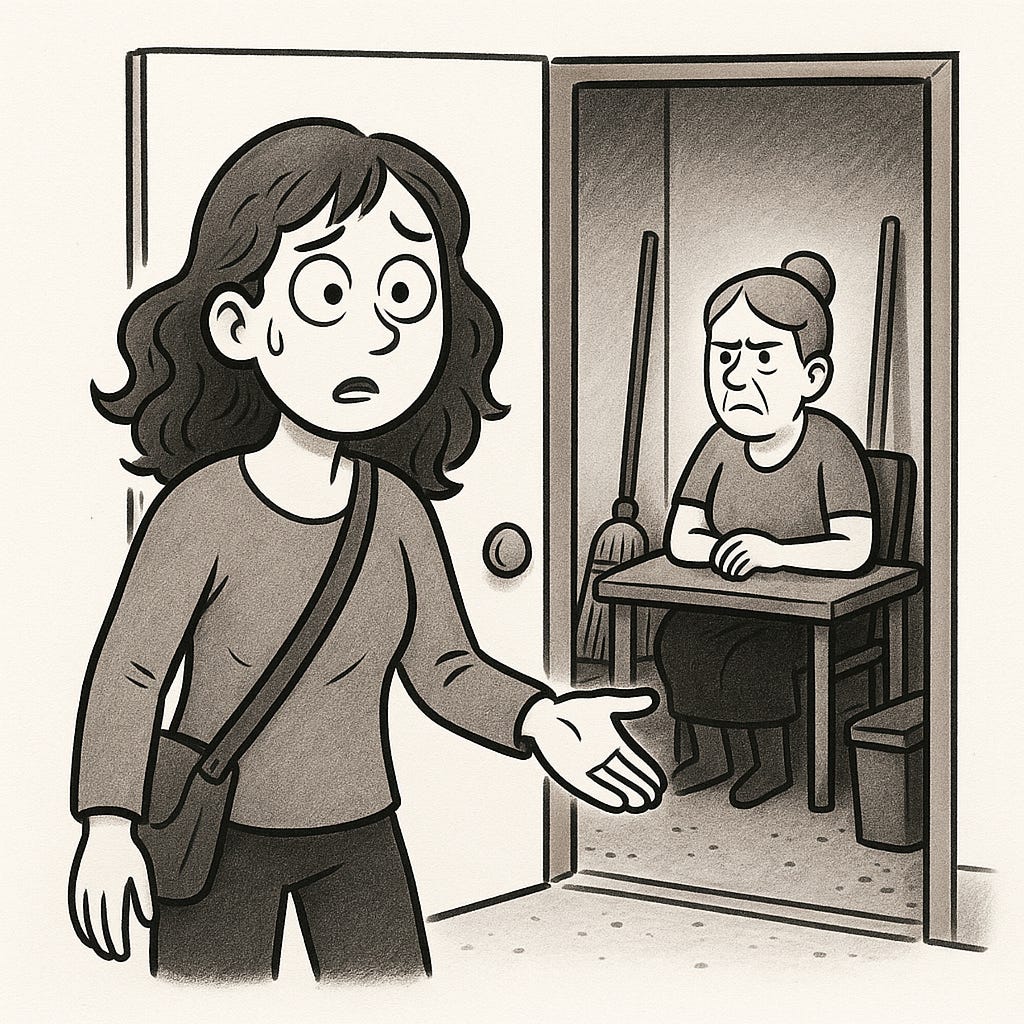
When you’re diagnosed with Type 1 diabetes as a child, you don’t just get a medical condition – you get a lifetime membership to a club no kid wants to join. Every meal becomes a math equation. Every sleepover requires detailed medical instructions. Every school field trip becomes a liability discussion.
But the real isolation comes from something deeper: learning that asking for help makes you ungrateful, that showing struggle makes you weak, and that your pain only matters if it’s worse than someone else’s.
I learned early that if my blood sugar was high, I had “done something wrong” – completely dismissing the fact that I was trying to manually perform a function that healthy pancreases do automatically, perfectly, 24 hours a day. The adults around me seemed to forget that while I was handling life-or-death medical decisions, I was still a growing child who just wanted to fit in.
The Cruelest Lesson: Your Pain Doesn’t Matter
Well-meaning family members would take me to see other sick children – kids with cancer, children on dialysis, patients with visible disabilities. The intention was to teach gratitude, to show me that “it could be worse.”
What they didn’t realize was that I was internalizing a different lesson entirely: My struggle doesn’t count unless it’s the worst struggle in the room.
This comparison trap is devastating for chronically ill children. It teaches them that their suffering is only valid relative to someone else’s, that asking for help is selfish, and that showing pain means they’re not being grateful enough for being alive.
I learned to compete internally with every sick child I met, constantly measuring whether my exhaustion, my fear, my physical discomfort was “bad enough” to warrant attention or support.
The Performance of Being “Fine”
Chronic illness children become expert performers. We learn to act funny when we feel terrible, to smile when we’re scared, to pretend we have everything figured out when we’re drowning in confusion and isolation.
I developed what I now recognize as classic symptoms of childhood medical trauma:
• Depression and anxiety from constant vigilance about my body
• People-pleasing behaviors to avoid being seen as a burden
• Perfectionism around diabetes management to avoid criticism
• Difficulty asking for help because vulnerability felt dangerous
• Emotional numbing to cope with daily life-or-death responsibilities
But here’s the thing that makes childhood chronic illness so psychologically damaging: these responses were rational survival strategies given the environment I was in.
When every adult around you treats your medical needs as inconveniences, when your symptoms are met with criticism instead of compassion, when your struggle is constantly minimized through comparison to others – of course you learn to hide, perform, and suffer in silence.
The Long-Term Cost of Childhood Medical Trauma
Today, more than thirty years after my diagnosis, I’m still healing from the psychological wounds that began in that first year. The medical trauma I experienced as a child shaped my relationships, my self-worth, my ability to advocate for myself, and my fundamental beliefs about whether I deserve care and support.
This isn’t rare. This is predictable.
Research consistently shows that children with chronic illnesses have higher rates of depression, anxiety, and post-traumatic stress – not primarily from their medical conditions, but from how they’re treated because of their medical conditions.
We blame children for having diseases they didn’t cause. We punish them for symptoms they can’t control. We teach them that their worth depends on how well they manage impossible medical situations. And then we wonder why so many adults with childhood-onset chronic illnesses struggle with mental health, relationships, and self-advocacy.
What Every Family Needs to Know
If your child has been diagnosed with a chronic illness, here’s what I wish someone had told my family:
Get therapy. All of you. Immediately.
This isn’t because something is wrong with your family. It’s because chronic illness diagnosis creates a family crisis that requires professional support to navigate without causing psychological damage.
Family therapy helps in ways that medical care alone cannot:
• Parents learn to process their own fear and grief without projecting it onto the child
• Siblings understand why family dynamics have suddenly shifted
• The diagnosed child learns that their illness isn’t their fault or their burden to manage alone
• Everyone develops communication tools that don’t rely on shame, blame, or comparison
The Adults Need Healing Too
Here’s something crucial that gets overlooked: the adults in my childhood were also traumatized by my diagnosis. They were terrified, overwhelmed, and dealing with their own grief about their child’s lost “normal” life.
In Honduras in the 1990s, we had limited information about Type 1 diabetes management. My parents were doing their best with inadequate resources and their own fear. My siblings were trying to understand why their sister suddenly required constant medical attention.
Everyone was in survival mode, which meant no one had the emotional resources to help an eight-year-old process the psychological impact of a life-threatening diagnosis.
This doesn’t excuse the harm that was done, but it explains it. And understanding the why has been crucial to my healing.
The Medical Team That Changed Everything
It took decades, but I eventually found specialists who understood that treating chronic illness means treating the whole person, not just the disease. One doctor in particular changed my perspective entirely.
During a particularly difficult period, when I was feeling overwhelmed by diabetes management, he looked at me and said: “Elizabeth, we were all dealt a different set of cards. All we can do is play the best game we can with the ones we have.”
That was the first time a medical professional had validated my experience without comparison, without judgment, without making my struggle relative to anyone else’s.
Those words didn’t minimize my pain or expect me to be grateful for suffering. They simply acknowledged that my life is challenging and I’m doing well with difficult circumstances.
That’s what every chronically ill child deserves to hear.
The Difference Between Surviving and Thriving
There’s a reason I’m sharing this story now, thirty years later. It’s not to blame anyone or to dwell in past trauma. It’s because every day, families are receiving chronic illness diagnoses for their children, and they’re making the same well-intentioned mistakes that created decades of psychological damage for me.
The difference between surviving chronic illness and thriving with it often comes down to how the family system responds to the diagnosis. Children who receive emotional support, validation, and family therapy alongside medical care have dramatically different psychological outcomes than those who are left to navigate the trauma alone.
What This Looks Like in Practice
Healthy family responses to childhood chronic illness:
• “This is hard for all of us, and it’s not anyone’s fault.”
• “Your feelings about having diabetes are valid, even when they’re difficult.”
• “We’re going to learn how to manage this together.”
• “You’re still the same wonderful kid you were before diagnosis.”
• “It’s okay to be scared/angry/sad about this.”
Harmful responses that create lasting trauma:
• “Other kids have it worse, so you should be grateful.”
• “If your blood sugar is high, you must have done something wrong.”
• “Don’t let diabetes stop you from being normal.”
• “You need to take responsibility for managing this.”
• “We don’t talk about diabetes outside the family.”
The Ripple Effects Continue
The psychological patterns established in childhood chronic illness don’t stay contained in medical settings. They affect every relationship, every decision, every moment of self-advocacy for the rest of the person’s life.
Adults with childhood-onset chronic illnesses often struggle with:
• Relationships: We don’t know how to ask for support without feeling like burdens
• Work: We minimize our needs and overcompensate to prove our worth
• Healthcare: We have complex trauma around medical settings and authority figures
• Self-worth: We measure our value by how well we manage impossible situations
These aren’t character flaws. These are the predictable results of being blamed for having a disease as a child.
The Path Forward: Breaking the Cycle
I’m sharing this story because it doesn’t have to be this way. Childhood chronic illness doesn’t have to create lifelong psychological trauma if families receive proper support from the beginning.
What needs to change:
• Pediatric chronic illness diagnosis should automatically include family therapy referrals
• Medical teams need training on childhood trauma prevention alongside disease management
• Parents need support for their own grief and fear so they don’t project it onto their children
• Schools need education about invisible disabilities and accommodation without stigma
• Society needs to stop treating chronic illness children like their diseases are moral failures
A Message to Current Families
If you’re reading this because your child has recently been diagnosed with a chronic illness, please know:
This is not your fault. It’s not your child’s fault. It’s not anyone’s fault.
Your child needs medical care AND emotional support. Both are equally important.
Your own fear and grief are valid and deserve professional support.
Early intervention with family therapy can prevent decades of psychological damage.
Your child can have a full, meaningful life with chronic illness – but only if the emotional wounds are treated alongside the physical ones.
The Unexpected Gift
Here’s something I couldn’t have imagined as that eight-year-old: my experience with childhood medical trauma, properly processed and healed, has become my greatest source of empathy, resilience, and wisdom.
I can read medical situations with laser accuracy. I can advocate for myself and others with clarity and determination. I can hold space for other people’s pain without minimizing or comparing it. I can form deep, authentic relationships because I understand the difference between performing health and actually healing.
But these gifts only emerged after decades of therapy, after learning to see my childhood experience clearly, after understanding that my family’s mistakes came from fear, not malice.
The Work Continues
Today, I still see a therapist. Not because I’m broken, but because the work of healing childhood medical trauma is ongoing, especially as I navigate new medical challenges as a transplant recipient.
Therapy taught me:
• My family’s actions caused real harm AND they were doing their best with limited resources
• I can hold compassion for their fear while still acknowledging the impact on me
• My enhanced ability to read medical situations is a gift, not a pathology
• I deserve medical care without shame, regardless of how “well” I manage my conditions
• My pain matters without having to be the worst pain in the room
A Call for Systemic Change
Individual therapy and family healing are crucial, but they’re not enough. We need systemic changes in how we approach childhood chronic illness:
Medical training needs to include:
• Recognition of family trauma responses to diagnosis
• Communication skills that don’t blame children for their symptoms
• Understanding of how medical interactions can create or prevent psychological damage
Society needs to understand:
• Chronic illness children are not inspirational symbols – they’re kids who need normal childhood experiences alongside medical care
• Comparing sick children to each other is harmful, not motivational
• Invisible illnesses are still real illnesses deserving of accommodation and respect
Families need resources for:
• Processing their own grief about their child’s diagnosis
• Learning communication tools that support rather than shame
• Understanding the long-term psychological impact of their responses
The Bottom Line
Childhood chronic illness doesn’t have to create lifelong psychological trauma. With proper support, family therapy, and trauma-informed medical care, children can develop healthy relationships with their bodies, their medical needs, and their worth as human beings.
But this requires recognizing that treating chronic illness means treating the whole family system, not just the diagnosed child.
It means understanding that the emotional wounds often run deeper than the physical ones.
And it means accepting that children with chronic illnesses deserve compassion, not comparison; support, not shame; and validation, not minimization of their very real struggles.
Every family facing childhood chronic illness deserves better than what mine received. With awareness, resources, and commitment to change, they can have it.
Veritas Knox is a diabetes advocate, transplant recipient, and writer focused on healthcare reform and patient rights. She works to transform how society understands and supports people with chronic illnesses. Follow her on Medium Veritasknoxofficial and Substack for more perspectives on healing from medical trauma while advocating for systemic change.
메타데이터
- post_id
- 01eb4bf0f4d9
- slug
- what-no-one-tells-families-about-childhood-type-1-diabetes-the-hidden-psychological-cost-01eb4bf0f4d9
- url
- https://medium.com/@veritasknoxofficial/what-no-one-tells-families-about-childhood-type-1-diabetes-the-hidden-psychological-cost-01eb4bf0f4d9
- canonical_url
- https://medium.com/@veritasknoxofficial/what-no-one-tells-families-about-childhood-type-1-diabetes-the-hidden-psychological-cost-01eb4bf0f4d9
- author_url
- https://medium.com/@veritasknoxofficial
- status
- ok
- fetched_at
- 2026-07-20 23:18:48