ILLINOIS APPROVES $1.5 BILLION RESCUE PACKAGE FOR MASS TRANSIT
The train has finally left the station!
ILLINOIS APPROVES $1.5 BILLION RESCUE PACKAGE FOR MASS TRANSIT
The train has finally left the station!
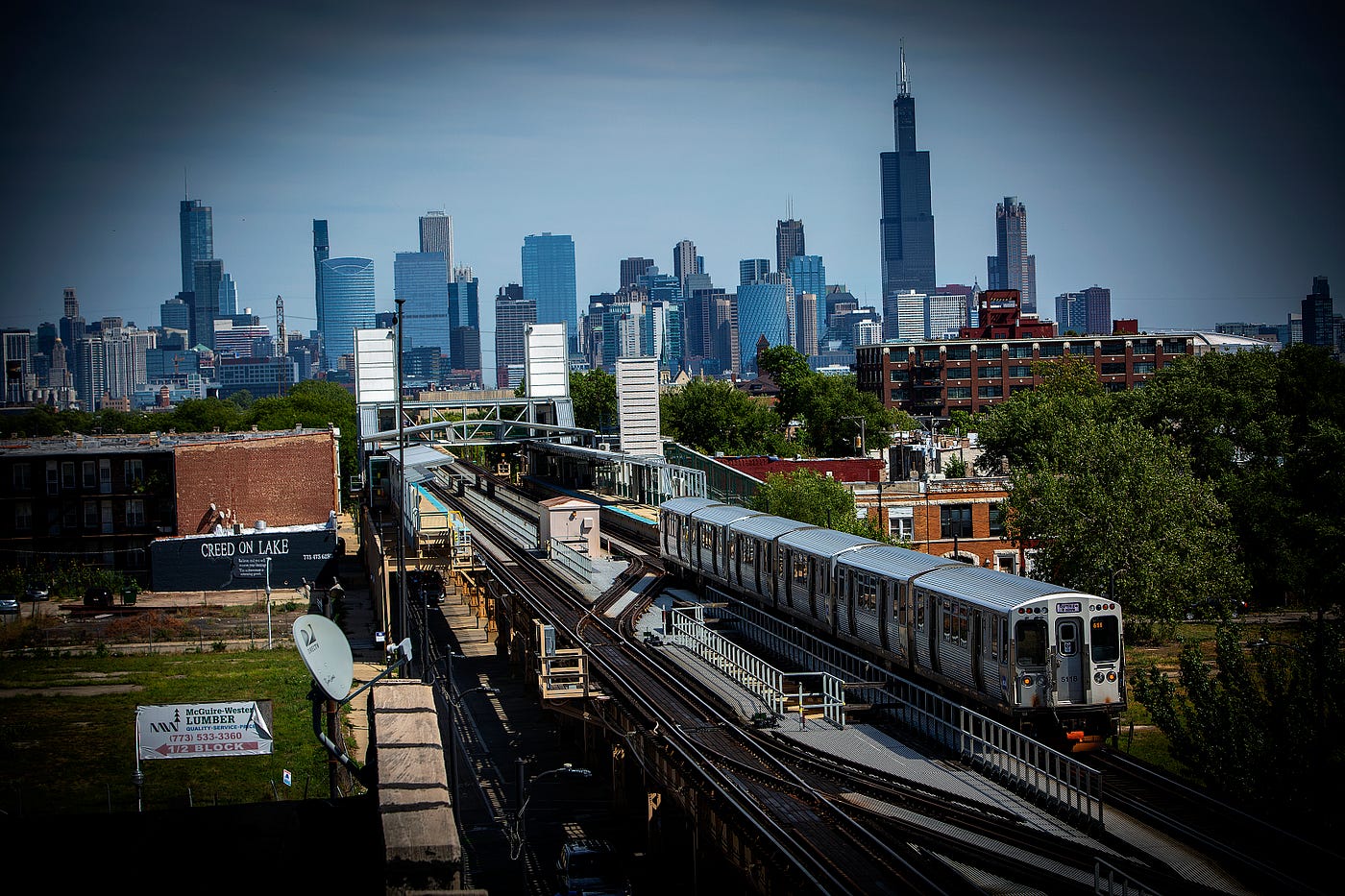
On October 31, the Illinois General Assembly approved a $1.5 billion rescue package aimed at stabilizing funding for the state’s mass transit systems. The legislation is in response to a projected $1 billion budget deficit facing the Regional Transportation Authority (RTA), Chicago Transit Authority (CTA), Metra commuter rail, and Pace Suburban Bus Service.
The financial crisis stems from the expiration of federal COVID-19 relief funds that had supported public transit agencies during the pandemic. Between 2020 and 2021, the federal government allocated $30.5 billion nationwide to offset declining ridership and revenue across public transit networks. Illinois received approximately $3.3 billion from that total — distributed as $912.1 million for CTA, $513.5 million for Metra, and $71.2 million for Pace. With those funds expiring at the end of 2025, transit agencies warned that up to 40% of their services could be cut without new support.
Governor J.B. Pritzker signed the rescue legislation, Senate Bill 2111, into law on December 16, 2025. The bill provides an estimated $860 million annually for public transit by redirecting state sales tax revenue generated from gasoline purchases. An additional $200 million per year will be diverted from interest collected through the State Road Fund, which typically finances road construction projects.
Taking effect June 1, sales tax for the RTA will increase by 0.25% to a 1% tax in the collar counties and a 1.25% tax in Cook County, and tolls in northern Illinois will go up by 45 cents. The sales tax increase is expected to bring in $478M, while the increased tolls will bring in $1B annually and be diverted to fund a new tollway capital program.
The bill also bans using operating funds for capital projects. The provision is in response to a proposal by Metra to use $60 million in operating dollars on capital projects that sparked lawmaker concerns about long-term financial stability.

A key provision of SB 2111 establishes the Northern Illinois Transit Authority (NITA), a new governing body that replaces the RTA as the oversight agency for CTA, Metra, and Pace. NITA will consist of a 20-member board, signaling a major governance shift in how Illinois’ largest transit systems are managed and funded. NITA will have stronger oversight of the transit system with the ability to establish a universal fare system and coordinate scheduling between the three service agencies.
The 20-member board will have representation from each impacted county, with five appointed by the mayor of Chicago, five by the Cook County Board president, five by the governor and five collectively by Lake, McHenry, DuPage, Kane and Will counties. That makeup has drawn criticism as being imbalanced with some suburban leaders concerned about their ability to affect public transportation decisions.
Other provisions in the bill seek to address public safety concerns on transit systems through a law enforcement task force. A transit ambassador program is also created to deploy trained, unarmed personnel by July 2027 to provide customer service, de-escalate conflicts, and liaise with social service providers to address homelessness and mental illness issues.

Downstate transit stands to benefit as well. Several key provisions in the legislation offer increased access to jobs, education, healthcare, shopping, and vital services for vulnerable populations down state through policy changes removing barriers and interagency coordination. Notably, the legislation provides downstate agencies with $220 million in new funding and reduces local match requirements to access Downstate Public Transportation Fund dollars.
Despite the broad support from political and civic leaders, the legislation faced resistance from labor groups. The Illinois Laborers’ Union voiced opposition to reallocating money from the State Road Fund, arguing that the policy could drain millions annually from construction projects vital to both Chicago-area and downstate communities. The union also criticized the lack of transparency in legislative negotiations, claiming that the AFL-CIO did not adequately communicate the proposed changes. In response, the Downstate Laborers announced their decision to split from the AFL-CIO.
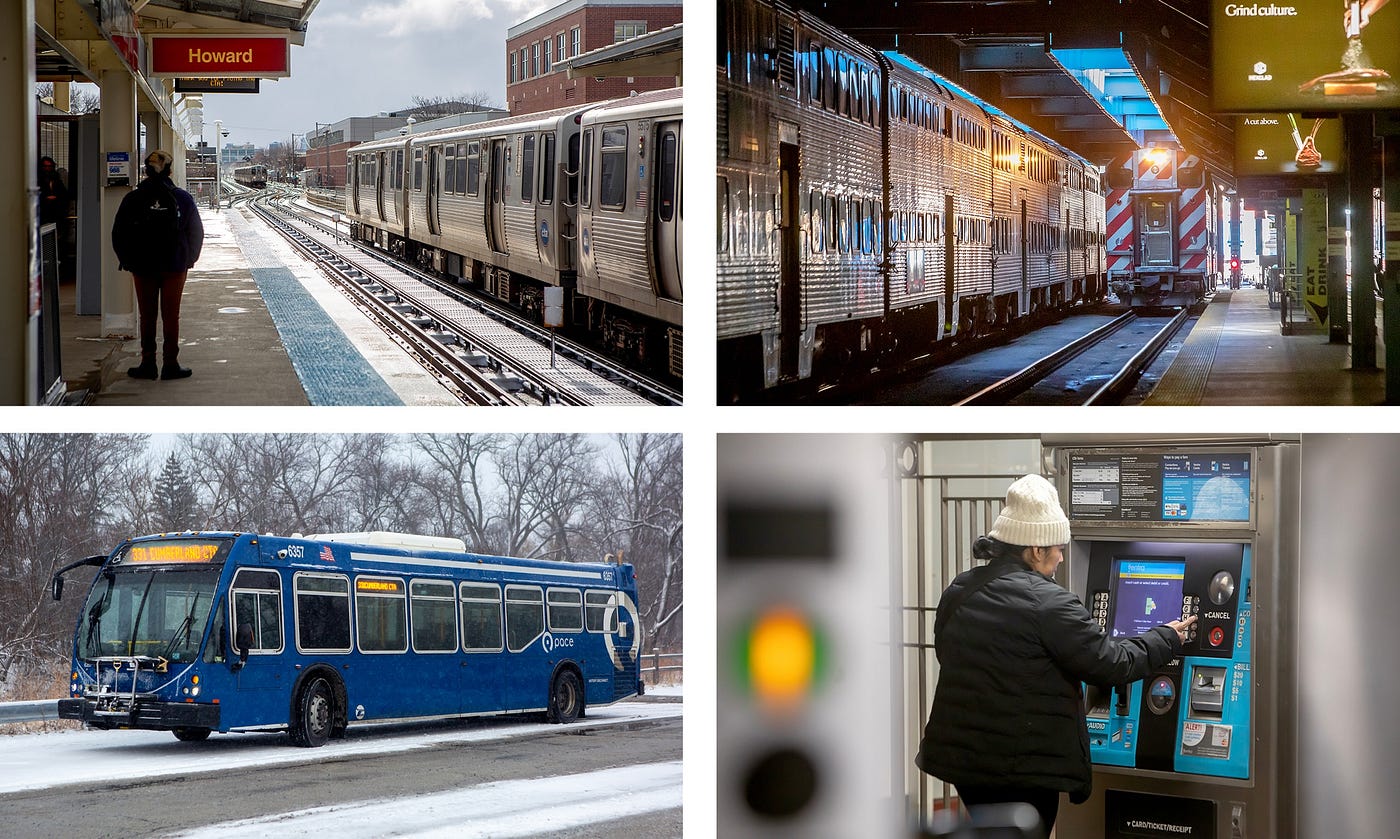
However, following the bill’s enactment, several major labor organizations — including the AFL-CIO, the Chicago Federation of Labor, the Machinists International, the Chicago and Cook County Building Trades, the Amalgamated Transit Union (ATU) International, and IUOE Local 150 — publicly endorsed the new law, citing the importance of keeping the 15,000 employees of the transit system on the job.
Governor Pritzker’s office framed the measure as essential to preserving equitable and sustainable transit access across the Chicago metropolitan area and northern Illinois. The law’s passage marks one of the most significant state-level interven tions in public transportation funding in recent years, positioning Illinois as a leader in rethinking post-pandemic transit reform.
메타데이터
- post_id
- 0238e240a2e2
- slug
- illinois-approves-1-5-billion-rescue-package-for-mass-transit-0238e240a2e2
- url
- https://medium.com/gdgf/illinois-approves-1-5-billion-rescue-package-for-mass-transit-0238e240a2e2
- canonical_url
- https://medium.com/gdgf/illinois-approves-1-5-billion-rescue-package-for-mass-transit-0238e240a2e2
- author_url
- https://medium.com/@ilcomptroller
- status
- ok
- fetched_at
- 2026-06-10 18:44:10