Can You Still Work on the Water After a Failed Drug Test?
Introduction to the topic of drug testing in the workplace
Can You Still Work on the Water After a Failed Drug Test?
Introduction to the topic of drug testing in the workplace
Working on the water can be one of the most rewarding careers, whether you’re navigating a vessel through open seas or ensuring safety as part of a maritime crew. However, like many industries, maritime jobs come with their own set of regulations — particularly when it comes to drug testing. For those who have failed a drug test and are concerned about their future in this field, uncertainty looms large.
Understanding your options after failing a drug test is crucial for anyone working at sea. While rules may vary, substance abuse evaluations and return-to-duty protocols are key steps to regaining your ability to work. **Coast Guard Drug Testing in Florida** ensures safety across the maritime industry, and compliance is essential whether you’re applying for an MMC or returning after a violation.
Overview of different types of drug tests and their purpose
Drug testing has become a standard practice across various industries, especially for safety-sensitive positions. There are several types of drug tests, each with its own purpose and methodology.
Urine tests are the most common. They can detect recent use of drugs and provide results quickly. This method is often used for pre-employment screenings or random checks.
Hair follicle tests offer a longer detection window, revealing substance use over several months. These tests are less frequent but very effective in establishing long-term patterns.
Saliva tests are gaining popularity due to their non-invasive nature. They’re typically used for on-the-spot assessments, like roadside checks.
Blood tests provide the most accurate picture of current impairment but are more invasive and costly. Each type serves a unique function in maintaining workplace safety and compliance with regulations.
The consequences of failing a drug test in various industries
Failing a drug test can have serious repercussions across various industries. In transportation, for example, safety is paramount. A failed test could lead to immediate suspension or termination, jeopardizing not only the employee’s career but also public safety.
In healthcare, professionals are held to strict standards due to their access to vulnerable individuals and controlled substances. A positive result may result in loss of licensure and inability to practice.
Construction jobs often involve heavy machinery and high-risk environments. Here, a failed drug screening can remove workers from sites instantly, affecting both employment status and project timelines.
Even in corporate roles where physical labor isn’t central, companies may enforce zero-tolerance policies. Employees might face disciplinary actions that range from probationary periods to dismissal.
Every industry has its own set of rules regarding substance use; understanding these regulations is crucial for anyone navigating their career path after a failed drug test.
Specific regulations for water-based jobs and drug testing policies
Water-based jobs come with strict regulatory requirements regarding drug testing. The nature of these positions often involves safety-sensitive tasks that can impact not only the worker but also colleagues and the public.
The U.S. Coast Guard has set specific guidelines for drug testing, particularly for those operating vessels or involved in maritime operations. These regulations mandate random drug screenings as well as pre-employment tests to ensure a safe working environment.
Maritime employers usually adhere to federal and state laws, which may include zero-tolerance policies for certain substances. This means that any positive test results could lead to immediate disciplinary action or termination.
Additionally, workers must be aware of their rights during the testing process. Understanding how these policies operate is crucial for anyone seeking employment on water-related jobs while maintaining compliance with established standards.
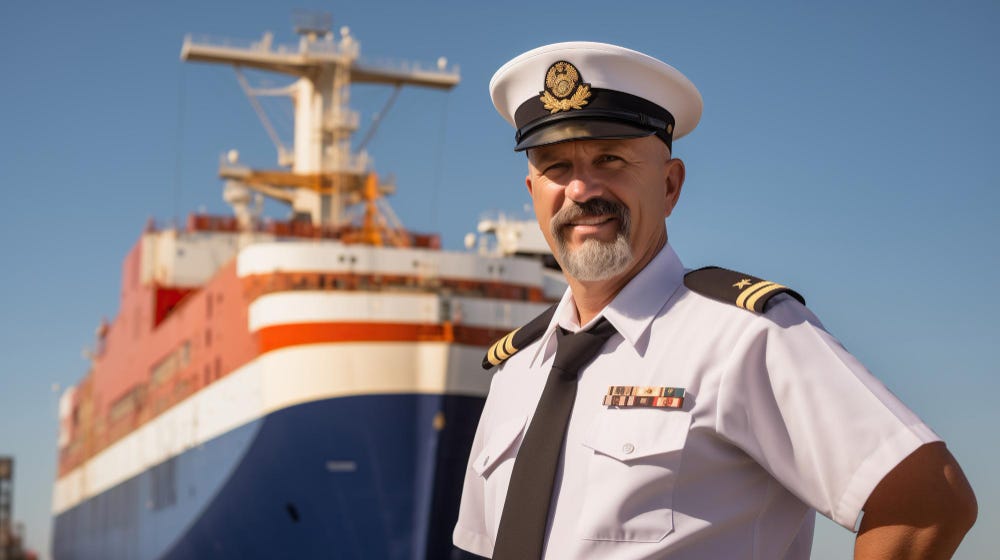
The legality of pre-employment drug screenings and random testing
Pre-employment drug screenings have become a standard practice across many industries, particularly in safety-sensitive positions. Employers often use these tests to ensure a drug-free workplace, promoting safety and productivity.
The legality surrounding these screenings varies by state and industry. Most employers are legally allowed to require testing as part of their hiring process. However, they must follow specific regulations regarding consent and privacy.
Random testing is also permissible but comes with its own set of guidelines. Companies must establish clear policies that outline the selection process for random tests while ensuring fairness among employees.
It’s important for workers to be aware of their rights regarding drug screening procedures. Understanding the laws governing such practices can help navigate any potential issues that may arise during employment or job applications in water-based careers like those requiring **Coast Guard Physical Certification Florida.**
What to do if you fail a drug test while working on the water
Failing a drug test while working on the water can be daunting. The first step is to stay calm and take stock of your situation. Understand the company’s policy regarding failed tests, as this will dictate your next move.
It’s essential to communicate with your employer promptly. Be honest about what happened; transparency can go a long way in maintaining trust.
Consider requesting a retest if you believe the results were inaccurate. There are times when false positives occur due to various factors like medications or food consumed prior.
Seek support from friends, family, or professionals who understand addiction issues and recovery strategies. Engaging in counseling or rehabilitation programs can help demonstrate commitment to change and improve future job prospects.
Documentation from health professionals may also prove beneficial for reinstatement discussions later on. Taking proactive steps shows responsibility and determination to overcome challenges.
Steps to take for rehabilitation and re-entering the workforce
Rehabilitation after a failed drug test is crucial for moving forward. The first step is to acknowledge the issue openly. This honesty lays the groundwork for recovery.
Next, seek professional help. Enrolling in a treatment program can provide necessary support and guidance tailored to your specific needs.
Consider engaging in counseling or therapy sessions. These can help you address underlying issues that contributed to substance use, promoting long-term change.
After completing rehabilitation, focus on building a strong support network. Surround yourself with positive influences who encourage healthy choices.
When ready to re-enter the workforce, be proactive about your job search. Take advantage of vocational training programs designed specifically for those recovering from addiction.
Prepare to discuss your past honestly during interviews while emphasizing how you’ve grown and learned from the experience. Your dedication to overcoming challenges will resonate with employers looking for resilient candidates.
Why Sea Medicine Should be a Mariner’s First Choice in Florida
Finding the right path after a failed drug test is crucial, especially for those working on the water. This is where Sea Medicine comes into play as an excellent resource for mariners in Florida. With a focus on health and rehabilitation, they provide comprehensive support tailored to the needs of maritime professionals.
Dr. Weinberg leads a team committed to ensuring that mariners not only meet Coast Guard physical certification requirements but also maintain overall wellness. Their services encompass everything from assessments by qualified **Coast Guard medical examiners in Florida** to personalized treatment plans aimed at recovery and reintegration into the workforce.
Sea Medicine understands the unique pressures faced by those in aquatic careers and offers programs designed with these challenges in mind. By choosing Sea Medicine, mariners can access specialized care that aligns with industry regulations while promoting long-term health benefits.
This holistic approach empowers individuals to navigate their way back into their careers successfully after setbacks like failing a drug test. Whether you’re seeking advice on Coast Guard drug testing protocols or looking for effective rehabilitation methods, Sea Medicine stands out as an invaluable partner in your journey towards regaining your footing within this vital sector of employment.
For further information or to schedule an appointment, please contact us at aweinberg@medavex.org or call (727) 648–2402.
메타데이터
- post_id
- 02cdb3a72f4e
- slug
- can-you-still-work-on-the-water-after-a-failed-drug-test-02cdb3a72f4e
- url
- https://medium.com/@seadocfl/can-you-still-work-on-the-water-after-a-failed-drug-test-02cdb3a72f4e
- canonical_url
- https://medium.com/@seadocfl/can-you-still-work-on-the-water-after-a-failed-drug-test-02cdb3a72f4e
- author_url
- https://medium.com/@seadocfl
- status
- ok
- fetched_at
- 2026-09-07 22:47:05